

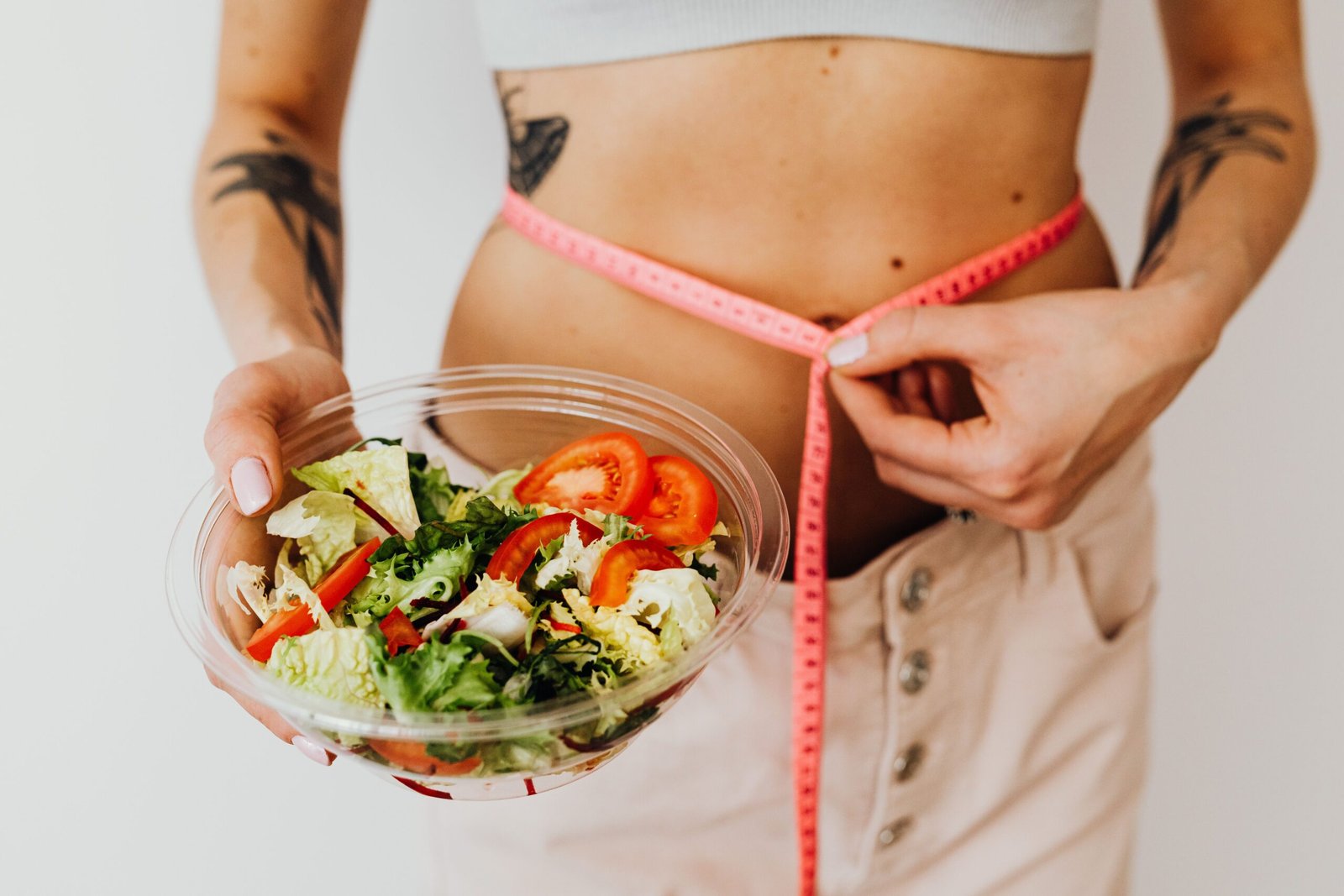
Finding an easy way to improve metabolism and lose weight naturally can feel much more complicated than it should. Anyone who spends even a few minutes searching online will quickly come across detox drinks, unusual diet plans, metabolism-boosting supplements, aggressive fasting routines, and lists of foods that supposedly make the body burn fat at an extraordinary rate. After looking closely at nutrition and weight-management research over the years, I have found that the most useful strategies are usually much simpler.
Healthy weight loss is rarely the result of one magical ingredient or one dramatic lifestyle change. In most cases, it comes from gradually improving several everyday habits at the same time. Eating more satisfying foods, increasing daily movement, protecting muscle through resistance exercise, getting adequate sleep, reducing unnecessary calories, and following an eating pattern that can realistically be maintained all play important roles.
The National Institute of Diabetes and Digestive and Kidney Diseases explains that a healthy eating pattern that can be maintained over time, together with regular physical activity, is central to losing weight and maintaining the results. The CDC takes a similarly broad approach and includes healthy eating, physical activity, adequate sleep, and stress management among the foundations of healthy weight loss.
That is the approach I prefer because it removes much of the unnecessary confusion around metabolism. Instead of constantly searching for ways to force the body into some imaginary “fat-burning mode,” it makes far more sense to create a daily routine that supports healthy energy balance, appetite control, muscle maintenance, physical activity, and overall health.
What Metabolism Really Means for Weight Loss
Metabolism is often described as though it were a single process that determines whether someone is naturally thin or naturally prone to gaining weight. In reality, metabolism describes the many chemical processes the body uses to maintain life. Energy is constantly being used to support breathing, circulation, brain function, tissue repair, digestion, body temperature, movement, and countless other biological activities.
A large portion of daily energy expenditure occurs even when a person is resting. Additional calories are used through physical activity and the processing of food. Body size, body composition, genetics, age, activity patterns, and other factors can influence how much energy an individual requires.
Weight loss also changes the body’s energy needs. As body weight decreases, a smaller body generally requires fewer calories to maintain than a larger one. NIDDK notes that metabolism can slow during weight loss and that maintaining weight loss may require continued attention to eating habits and physical activity.
This is one reason I do not believe the best goal is simply to “speed up” metabolism as much as possible. A much more useful objective is to support the parts of energy balance that can realistically be influenced through lifestyle.
That includes:
- Preserving or building lean muscle through resistance training.
- Increasing everyday physical activity.
- Eating satisfying meals that make calorie control easier.
- Getting enough sleep to support healthier eating and activity habits.
- Reducing frequent sources of unnecessary calories.
- Avoiding overly restrictive diets that are impossible to sustain.
- Creating routines that can continue after the initial weight-loss period.
Once metabolism is viewed this way, natural weight loss starts looking much less mysterious.
Build Meals That Actually Keep Hunger Under Control
One of the first things I pay attention to when looking at a weight-loss diet is not how few calories it contains but how satisfying the meals are.
Hunger is one of the main reasons aggressive diets become difficult to maintain. Someone may be able to tolerate tiny meals and constant food cravings for several days, but living that way for months is very different. A better strategy is to choose foods that provide enough volume, protein, fiber, and nutritional value to make a reduced-calorie diet feel reasonably normal.
Protein is particularly useful in this respect. Research has found that higher-protein eating patterns can increase satiety and the thermic effect of food, meaning the body uses energy while processing the food that has been eaten. Protein is also important for maintaining lean tissue, which becomes especially relevant when weight loss is combined with exercise.
Instead of turning protein intake into another complicated diet rule, I prefer to include a recognizable protein source in most major meals. Depending on personal preferences, good choices can include:
- Eggs
- Greek yogurt
- Cottage cheese
- Chicken or turkey
- Fish and seafood
- Lean meat
- Beans
- Lentils
- Chickpeas
- Tofu
- Tempeh
- Edamame
- Milk or suitable alternatives
A protein-focused meal does not need to become a plate containing nothing but meat. Vegetables, fruit, whole grains, legumes, and healthy fats still belong in a balanced eating pattern. The idea is simply to create meals that provide meaningful nourishment instead of consuming foods that deliver plenty of calories but leave hunger almost unchanged.
A breakfast of Greek yogurt, berries, oats, and a few nuts, for example, usually provides much more nutritional value and staying power than a sugary pastry eaten alone. Similarly, a lunch containing chicken, vegetables, beans, and rice is likely to feel much more substantial than a small processed snack meal containing a similar amount of energy.
Over time, those differences matter because weight loss becomes easier when every meal does not require a battle with appetite.
Use Fiber to Make Meals Larger and More Satisfying
Fiber is another part of a natural weight-loss plan that deserves more attention. Rather than concentrating entirely on removing foods, I find it more practical to improve the composition of meals by adding foods that contribute volume, fiber, and nutritional value.
Vegetables are one of the easiest examples. A generous portion of vegetables can dramatically increase the physical size of lunch or dinner without adding an excessive number of calories. Beans, lentils, oats, berries, whole grains, seeds, and whole fruits can provide additional fiber while making meals more satisfying.
Useful fiber-rich foods include:
- Broccoli, cauliflower, carrots, leafy greens, and other vegetables
- Beans, chickpeas, and lentils
- Oats and barley
- Whole-grain bread and cereals
- Berries
- Apples, pears, and oranges
- Chia and flax seeds
- Nuts and seeds
- Potatoes with the skin when appropriate
- Other minimally processed plant foods
The biggest benefit for weight management is not that fiber suddenly causes the metabolism to burn huge amounts of extra fat. Its value is much more practical. Fiber-rich foods often take longer to eat, add bulk to meals, and can make a healthy eating pattern easier to maintain.
This is a good example of why I prefer improving diet quality rather than simply eating smaller and smaller portions. If someone normally eats a large plate of calorie-dense food, replacing part of that meal with vegetables, legumes, or another fiber-rich food can lower overall calorie density while preserving the experience of eating a substantial meal.
That feels much more natural than staring at a tiny plate and trying to convince yourself that you are satisfied.
Strength Training Can Help Protect Muscle During Weight Loss
Exercise is often associated almost entirely with burning calories, but that overlooks one of its most important roles during weight loss: protecting body composition.
When body weight decreases, the goal should ideally be to lose excess fat while preserving as much useful lean tissue as reasonably possible. Resistance training gives the muscles a reason to remain active and strong during a period of reduced calorie intake.
A systematic review and meta-analysis examining resistance training in people with overweight or obesity found favorable effects on body composition. Resistance training combined with calorie restriction was particularly effective for reducing body fat while helping preserve lean mass. More recent evidence has also supported adding resistance exercise during dietary weight loss to help reduce losses of fat-free mass and improve fat loss and strength.
Fortunately, resistance exercise does not have to mean advanced bodybuilding. Beginners can build an effective routine around relatively simple movements.
A basic program might contain exercises such as:
- Squats or chair squats
- Lunges or split squats
- Push-ups or chest presses
- Dumbbell or resistance-band rows
- Hip hinges or Romanian deadlifts
- Shoulder presses
- Glute bridges
- Pulldowns
- Core exercises
- Resistance-band movements
The CDC currently recommends that adults perform muscle-strengthening activities on at least two days per week, in addition to aerobic activity.
For someone who has been largely inactive, two carefully structured full-body sessions per week can be a sensible place to begin. As fitness improves, training can gradually become more challenging through additional repetitions, slightly heavier resistance, improved exercise technique, or additional sets.
I particularly like strength training because it shifts the focus away from scale weight alone. Progress can also be measured through improved strength, better movement, easier daily activities, increased confidence in exercise, and changes in body composition.
Walking Is One of the Easiest Ways to Increase Daily Activity
Not every useful exercise needs to leave someone exhausted and covered in sweat. Walking remains one of the most practical ways to increase energy expenditure because it can be fitted into ordinary life without requiring specialized equipment, a gym membership, or a complicated routine.
Current CDC guidance recommends at least 150 minutes of moderate-intensity aerobic activity per week for adults, along with at least two days of muscle-strengthening activity. Brisk walking can contribute toward the aerobic portion of that recommendation.
What makes walking especially useful is the ability to spread movement throughout the day rather than relying entirely on one formal workout.
Simple opportunities include:
- Taking a 10- to 20-minute walk after lunch.
- Walking after dinner instead of immediately sitting down.
- Using stairs when appropriate.
- Parking farther from a store entrance.
- Walking while talking on the phone.
- Taking short movement breaks during long periods of sitting.
- Walking to nearby errands when practical.
- Adding a longer weekend walk or hike.
None of these habits looks particularly impressive by itself. When repeated consistently, however, they increase total daily movement without turning exercise into an exhausting obligation.
That matters because sustainability is more important than choosing the most intense workout possible. Someone who comfortably walks most days of the week may ultimately accumulate far more activity than a person who starts an extreme training program and abandons it after two weeks.
Combine Cardio and Resistance Exercise Instead of Choosing Between Them
There is no need to treat aerobic exercise and strength training as competitors. They can serve different purposes within the same weight-management plan.
Cardio activities such as brisk walking, cycling, swimming, jogging, hiking, or using an elliptical machine can help improve cardiovascular fitness and increase physical activity. Strength training supports muscles, strength, and body composition. Combining the two can create a much more complete exercise routine than relying exclusively on either method.
A practical weekly schedule might look something like this:
- Monday: Full-body strength training
- Tuesday: 30- to 45-minute brisk walk
- Wednesday: Light walking or active recovery
- Thursday: Full-body strength training
- Friday: Brisk walking, cycling, or another enjoyable aerobic activity
- Saturday: Longer walk, hike, recreational sport, or optional strength session
- Sunday: Rest or gentle movement
This is only an example. Someone who is new to exercise may need significantly less activity at first, while a more experienced person may tolerate more. Medical conditions, injuries, age, medications, and current fitness levels also matter, so exercise should be adjusted appropriately.
The larger point is that a balanced program does not require turning every day into an extreme workout. Consistent, manageable activity is usually much easier to integrate into normal life.
Be Careful With Calories That Come From Drinks
Liquid calories are one of the first places I look when trying to simplify a weight-loss diet because beverages can add a surprising amount of energy without producing the fullness of a complete meal.
This can include:
- Regular soft drinks
- Sweetened coffee beverages
- Sugary energy drinks
- Sweetened tea
- Large quantities of fruit juice
- Milkshakes
- Frequent alcoholic beverages
- Specialty drinks containing syrups, cream, or large amounts of sugar
There is no requirement to eliminate every caloric beverage permanently. I prefer looking at frequency and portion size. A sweet coffee enjoyed occasionally is very different from several high-calorie drinks consumed every day.
Water should normally form the foundation of hydration. Unsweetened tea, sparkling water, coffee with modest additions, and other lower-calorie beverages can also make it easier to reduce energy intake without shrinking actual meals.
This is one of the easier dietary adjustments because nothing needs to disappear from the dinner plate. Someone can keep a satisfying meal and simply stop adding hundreds of unnecessary beverage calories alongside it.
Sleep Should Be Part of a Serious Weight-Loss Plan
Sleep is often ignored when people discuss metabolism, but it has become increasingly difficult to separate sleep quality from successful weight management.
The CDC includes sufficient sleep as part of a healthy lifestyle for weight management. Controlled research has also produced interesting findings. In a randomized clinical trial involving adults with overweight who habitually slept for short periods, extending sleep reduced average energy intake and produced a more favorable energy balance in everyday conditions.
I find this particularly important because poor sleep can influence everyday decisions. After a bad night, exercise may feel harder, cooking can seem inconvenient, highly palatable foods can become more appealing, and extra caffeine or sugary snacks may be used simply to make it through the day.
A healthier sleep routine does not need to be complicated. Helpful habits may include:
- Keeping bedtime and waking time reasonably consistent.
- Creating a dark and comfortable sleep environment.
- Reducing stimulating screen use close to bedtime.
- Avoiding excessive caffeine later in the day.
- Allowing enough time in bed rather than treating sleep as optional.
- Addressing persistent snoring, insomnia, or other sleep problems with a healthcare professional.
Improving sleep will not replace the need for appropriate food intake or activity, but it can make both considerably easier to manage.
Avoid Crash Diets and Excessive Calorie Restriction
One of the most common mistakes in weight loss is assuming that if eating somewhat less works, eating dramatically less must work even better.
Very aggressive calorie restriction can certainly cause rapid short-term changes on the scale, but short-term weight loss and long-term success are not the same thing. As body weight decreases, calorie requirements change, and the body can adapt to reduced energy intake. NIDDK explains that metabolism slows during weight loss and stresses the importance of an eating pattern that can be maintained over time.
A sensible plan should still provide enough food to support nutrition, activity, and normal daily functioning. Meals can contain protein, vegetables, fruit, fiber-rich carbohydrates, and appropriate amounts of healthy fats while overall calorie intake remains below expenditure.
Signs that a diet may be unnecessarily restrictive can include:
- Constant extreme hunger
- Persistent fatigue
- Difficulty concentrating
- Obsessive thoughts about food
- Exercise performance deteriorating substantially
- Frequent cycles of strict dieting followed by overeating
- Avoiding normal social situations because of food rules
- Cutting out large groups of nutritious foods without a medical reason
People with a history of eating disorders or disordered eating should be particularly cautious about restrictive weight-loss approaches and seek individualized professional support when appropriate.
A sustainable calorie deficit may produce slower-looking progress, but it is much more useful if the habits can still be followed several months later.
Stop Looking for Individual Foods That “Boost Metabolism”
Coffee, green tea, chili peppers, spices, and various plant compounds often appear in articles about metabolism. Some ingredients may have modest physiological effects, but this is where weight-loss marketing frequently exaggerates what the research actually means.
A small increase in thermogenesis does not mean a food suddenly causes substantial fat loss.
Someone can drink green tea every morning and still gain weight if their overall lifestyle consistently provides more energy than they expend. The same is true of spicy food, coffee, lemon water, apple cider vinegar, and nearly every other ingredient that becomes fashionable in weight-loss circles.
I think these foods are best treated as ordinary parts of a diet rather than metabolic treatments. Coffee can be enjoyed because someone likes coffee. Green tea can be consumed because it is enjoyable. Spices can improve meals and make healthy food more interesting.
The foundation should remain much less glamorous:
- Appropriate calorie intake
- Nutritious food choices
- Adequate protein
- Fiber-rich foods
- Regular physical activity
- Resistance training
- Good sleep
- Consistency
Those factors may not produce the excitement of a “metabolism secret,” but they are much more relevant to meaningful long-term progress.
Make Healthy Eating Convenient Before You Become Hungry
One of the easiest ways to improve a diet is to stop expecting willpower to solve every problem.
People make different decisions when they are rested and relaxed than when they come home tired, hungry, and stressed after a long day. If every healthy meal requires an hour of preparation, convenience food will eventually win.
I like keeping several easy ingredients available so that a reasonably nutritious meal can be assembled quickly. Examples include:
- Frozen vegetables
- Eggs
- Greek yogurt
- Fresh fruit
- Canned tuna or salmon
- Canned beans and chickpeas
- Prewashed salad greens
- Cooked chicken
- Whole-grain bread
- Oats
- Rice or other grains
- Potatoes
- Frozen fish
- Hummus
- Cottage cheese
- Simple soups
Preparing larger quantities of certain foods can also make the next day easier. Extra roasted vegetables can become part of lunch, cooked chicken can be used in sandwiches or salads, and a pot of beans or lentils can provide several meals.
Healthy eating becomes far more sustainable when it is the convenient option rather than the difficult one.
Use a Simple Plate Structure Instead of Complicated Diet Rules
Weight-loss diets often become more confusing than necessary because they contain too many rules. One diet bans carbohydrates, another limits eating to certain hours, another eliminates fruit, and another requires precise combinations of foods.
Most people do not need that much complexity.
A simple meal can generally include:
- Protein: fish, poultry, eggs, beans, lentils, tofu, yogurt, or another appropriate source.
- Vegetables or fruit: ideally enough to add volume and nutritional variety.
- Fiber-rich carbohydrates: potatoes, oats, beans, whole grains, rice, or another suitable choice.
- Healthy fats: nuts, seeds, avocado, olive oil, or naturally occurring fats in reasonable portions.
For example, dinner could consist of grilled salmon, roasted vegetables, potatoes, and a small amount of olive oil. Another meal might contain lentils, rice, mixed vegetables, and yogurt. Breakfast might be eggs with vegetables, whole-grain toast, and fruit.
These meals look like ordinary food because that is exactly what sustainable eating should resemble.
A successful weight-loss plan should eventually become normal eating, not remain a temporary diet forever.
Manage Portions Without Making Every Meal Tiny
Portion control matters because even nutritious foods provide calories. However, controlling portions should not be confused with eating meals so small that hunger becomes inevitable.
Calorie-dense foods deserve particular attention because relatively small servings can contain substantial energy. Oils, nuts, nut butters, cheese, desserts, and certain snack foods can all fit into a healthy diet, but portions can easily become larger than expected.
At the same time, foods with high water and fiber content can help increase meal volume. Vegetables, fruit, soups, beans, and other minimally processed foods make it possible to build a substantial plate while still keeping overall calorie intake reasonable.
A practical approach is to make vegetables and other lower-calorie, nutrient-rich foods a significant part of meals while maintaining appropriate portions of protein, carbohydrates, and fats.
This gives portion control a completely different feeling. Instead of simply eating less of everything, the meal is redesigned to provide more satisfaction for the calories available.
Stress Can Quietly Disrupt Healthy Weight-Loss Habits
Stress is not always treated as a central weight-management issue, but it can affect the behaviors that determine whether a healthy routine survives.
During stressful periods, people may sleep less, exercise less, drink more alcohol, rely on takeout, snack more frequently, or abandon meal preparation. The CDC includes stress management as one of the lifestyle components associated with healthy weight management.
Stress reduction does not need to involve anything elaborate. Different strategies work for different people, but practical options may include:
- Walking outdoors
- Regular exercise
- Maintaining a consistent sleep schedule
- Spending time with friends or family
- Hobbies
- Relaxation or breathing exercises
- Reducing unnecessary commitments
- Creating more structure around meals
- Seeking professional support when stress becomes difficult to manage
The goal is not to eliminate stress completely, which is unrealistic. It is to prevent difficult periods from repeatedly destroying the habits that support health.
Track Progress Without Obsessing Over Daily Scale Changes
Body weight can fluctuate considerably from one day to another. Changes in hydration, sodium intake, carbohydrate intake, digestive contents, and other factors can make the scale rise or fall even when body fat has not meaningfully changed.
For this reason, I prefer looking at longer-term trends.
Useful ways to measure progress can include:
- Average body weight over several weeks
- Waist circumference
- How clothing fits
- Strength improvements
- Walking or cardiovascular fitness
- Progress photos, if comfortable
- Energy levels
- Consistency with healthy eating
- Exercise frequency
- Sleep quality
The scale remains useful, but it should not be the only measure of success.
Someone who has started resistance training may notice improvements in waist measurement, strength, and body shape even during periods when total body weight changes more slowly. Looking at several indicators creates a more complete and less frustrating picture.
A Practical Daily Routine for Natural Weight Loss
There is no perfect schedule that every person needs to follow, but creating some structure can make healthy habits easier to repeat.
Morning
Breakfast can be built around protein and fiber rather than starting the day with a meal dominated by refined carbohydrates and sugar. Eggs with vegetables and whole-grain toast, or Greek yogurt with oats and berries, are simple examples. People who are not hungry first thing in the morning do not necessarily need to force themselves to eat immediately unless there is a medical or personal reason for doing so.
Adding a short morning walk can also be a pleasant way to increase daily movement, particularly for people who spend most of the workday sitting.
Lunch
A useful lunch could include protein, vegetables, and a satisfying source of carbohydrates. Leftovers often work perfectly well and eliminate the need to prepare something completely different.
A brief walk after eating can add another period of activity without requiring a formal workout.
Afternoon
If hunger develops between meals, a planned snack can be more useful than waiting until hunger becomes extreme. Fruit with yogurt, vegetables with hummus, cottage cheese, or another balanced choice can provide more satisfaction than constantly grazing on highly processed snack foods.
Evening
Dinner can follow the same general structure as lunch: plenty of vegetables, a useful protein source, an appropriate carbohydrate portion, and some healthy fat.
Strength training might be performed on two or three evenings per week, while walking, cycling, or another form of aerobic activity can fill other days.
Before Bed
The final part of the routine should support sleep rather than undermine it. A reasonably consistent bedtime and a calmer final part of the evening can make adequate sleep much more realistic.
The entire routine is intentionally ordinary. Sustainable weight management should fit around life instead of requiring life to revolve completely around dieting.
Common Mistakes That Make Weight Loss Harder Than Necessary
Even a good plan can become difficult when several common mistakes are repeated. I have found that avoiding these problems often makes weight loss feel much more manageable.
Trying to Change Everything Overnight
Starting ten new habits on the same day can create an enormous behavioral burden. It is usually easier to establish a few important changes first and gradually add more.
Treating One Unhealthy Meal as a Failed Diet
One restaurant meal, dessert, celebration, or difficult day does not erase weeks of good habits. The best response is usually to return to the normal routine at the next meal instead of waiting for another Monday to “start over.”
Assuming Healthy Foods Can Be Eaten Without Portion Awareness
Nutritious foods such as nuts, olive oil, avocado, cheese, and nut butter can be part of a healthy diet, but they are still energy-dense. Portions matter when weight loss is the goal.
Depending Completely on Exercise to Create Weight Loss
Exercise is extremely important for health and weight management, but food intake remains an important part of the equation. NIDDK recommends combining a sustainable healthy eating plan with regular activity rather than relying on exercise alone.
Following a Plan That Cannot Be Maintained
A diet may produce results for three weeks but still be a poor long-term strategy if it requires avoiding family meals, eliminating favorite foods permanently, or living with constant hunger. NIDDK specifically emphasizes choosing approaches designed around sustainable lifestyle changes.
The Simplest Formula for Improving Metabolism Naturally
After removing the marketing hype and complicated diet rules, the core strategy is surprisingly straightforward.
The habits that deserve the most attention are:
- Eat enough protein to support satisfying meals and lean tissue.
- Include plenty of vegetables, fruits, legumes, and other fiber-rich foods.
- Maintain an appropriate calorie intake rather than using extreme restriction.
- Strength train regularly to support muscle and body composition.
- Accumulate more walking and everyday movement.
- Include aerobic exercise appropriate for your fitness level.
- Reduce frequent high-calorie drinks.
- Protect sleep quality and sleep duration.
- Manage stress before it repeatedly disrupts eating and exercise habits.
- Track long-term progress instead of reacting to daily fluctuations.
- Build routines that could realistically continue after reaching a goal weight.
There is nothing magical about this list, and that is one of its strengths. These habits do not depend on an expensive supplement, unusual food, restrictive detox, or constantly changing diet trend.
They depend mainly on repetition.
Final Thoughts: The Easy Way to Improve Metabolism and Lose Weight Naturally
The easy way to improve metabolism and lose weight naturally is not a single trick. It is a combination of ordinary habits that make healthy energy balance easier to maintain.
A metabolism-friendly lifestyle starts with eating well enough that hunger remains manageable rather than constantly fighting appetite. Protein and fiber can help make meals more satisfying, while vegetables, fruit, legumes, whole grains, and other minimally processed foods improve overall diet quality. Regular strength training helps preserve lean tissue, and walking or other aerobic activity increases daily movement without requiring extreme workouts.
Sleep and stress deserve a place in the plan as well. Weight management becomes much more difficult when exhaustion, irregular routines, or chronic stress continually interfere with food choices and activity. The CDC’s current guidance reflects this broader view by including healthy eating, regular physical activity, sufficient sleep, and stress management within healthy weight-loss habits.
Most importantly, sustainable weight loss requires moving away from the idea that faster is always better. NIDDK’s guidance emphasizes an eating pattern that can be maintained over time and ongoing physical activity for both losing weight and keeping it off.
That principle is much more valuable than another temporary metabolism hack.
A person does not need a perfect diet, perfect workouts, or perfect discipline. What matters is establishing a collection of healthy behaviors that can survive busy weeks, restaurant meals, holidays, stressful periods, and occasional setbacks.
When those habits become part of normal life, weight management stops feeling like a temporary project. That is where natural, sustainable progress becomes much more realistic.
References and Sources
1. National Institute of Diabetes and Digestive and Kidney Diseases (NIDDK)
Article: Eating & Physical Activity to Lose or Maintain Weight
This resource explains sustainable eating patterns, physical activity, weight maintenance, and metabolic changes that can occur during weight loss.
Link: NIDDK – Eating & Physical Activity to Lose or Maintain Weight
2. Centers for Disease Control and Prevention (CDC)
Article: Steps for Losing Weight
The CDC discusses healthy eating, physical activity, adequate sleep, stress management, and realistic long-term weight loss.
Link: CDC – Steps for Losing Weight
3. Centers for Disease Control and Prevention (CDC)
Article: Physical Activity and Your Weight and Health
This resource provides current recommendations for aerobic activity and muscle-strengthening exercise in adults.
Link: CDC – Physical Activity and Your Weight and Health
4. PubMed / Obesity Reviews
Article: Resistance Training Effectiveness on Body Composition and Body Weight Outcomes in Individuals With Overweight and Obesity Across the Lifespan: A Systematic Review and Meta-analysis
This systematic review examines resistance training, body fat reduction, lean mass, and the effects of combining resistance exercise with caloric restriction.
Link: PubMed – Resistance Training and Body Composition
5. PubMed / JAMA Internal Medicine
Article: Effect of Sleep Extension on Objectively Assessed Energy Intake Among Adults With Overweight in Real-life Settings: A Randomized Clinical Trial
This clinical trial examined the relationship between extending sleep duration, calorie intake, and energy balance in adults with overweight who habitually slept too little.
Link: PubMed – Effect of Sleep Extension on Energy Intake
6. National Institute of Diabetes and Digestive and Kidney Diseases (NIDDK)
Article: Choosing a Safe & Successful Weight-loss Program
This resource outlines the characteristics of a responsible weight-management program, including reduced-calorie eating, activity, lifestyle support, and long-term maintenance planning.
Link: NIDDK – Choosing a Safe & Successful Weight-loss Program
7. National Institute of Diabetes and Digestive and Kidney Diseases (NIDDK)
Article: Weight Management
NIDDK provides general evidence-based information about healthy eating, physical activity, weight loss, and long-term weight maintenance.
Link: NIDDK – Weight Management
Disclaimer
This article is provided for general educational and informational purposes only. It is not intended to diagnose, treat, prevent, or cure any disease or medical condition, and it should not be considered a substitute for personalized medical advice from a physician, registered dietitian, or other qualified healthcare professional.
Weight-management needs can differ substantially depending on age, body composition, activity level, medications, pregnancy or breastfeeding status, existing medical conditions, previous dieting history, and other individual circumstances. Anyone with diabetes, cardiovascular disease, kidney disease, metabolic or endocrine disorders, an eating disorder or history of disordered eating, or another significant health condition should speak with an appropriate healthcare professional before making major changes to calorie intake, diet, supplementation, or exercise.
Exercise should also be adjusted to individual ability and medical circumstances. Anyone experiencing unusual pain, dizziness, chest discomfort, severe shortness of breath, or other concerning symptoms during physical activity should stop exercising and obtain appropriate medical care.