

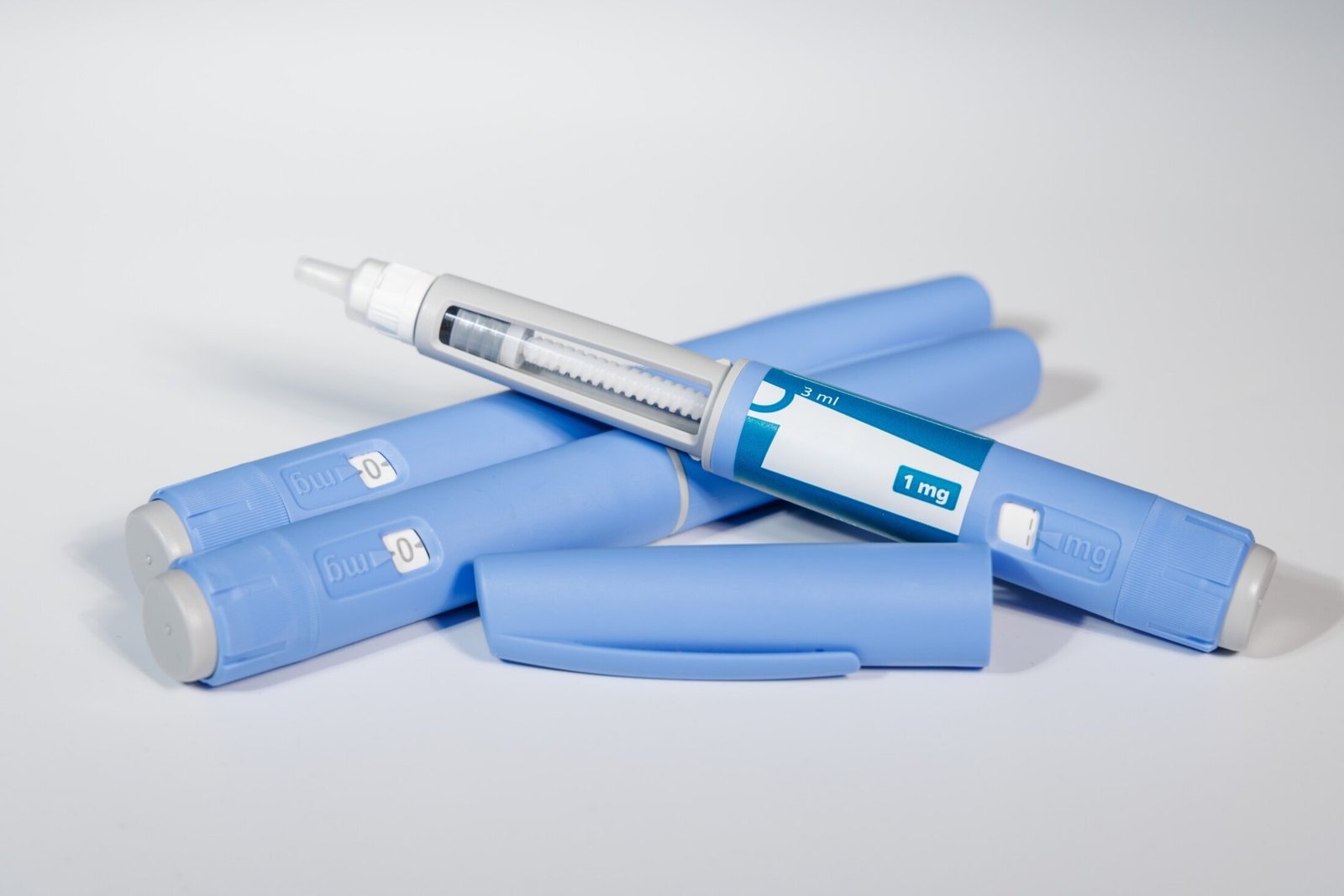
Few medications have changed the weight-loss conversation as quickly as tirzepatide. In just a few years, it has moved from being discussed mainly in diabetes clinics to becoming one of the most closely watched treatments for chronic weight management.
The excitement is understandable. In major clinical trials, some adults taking tirzepatide lost an average of roughly 15% to 21% of their starting body weight, depending on the dose and study population. For a person starting at 250 pounds, a 20% reduction would equal approximately 50 pounds. Those results are far beyond what people typically achieve with older weight-loss medications, although individual outcomes can vary considerably. (New England Journal of Medicine)
However, tirzepatide is not a simple “skinny shot,” a guaranteed transformation, or a substitute for medical care. It is a powerful prescription medication with eligibility requirements, a gradual dosing schedule, potential side effects, important contraindications, and a growing body of evidence suggesting that continued treatment may be necessary to maintain much of the weight loss.
This article explains how tirzepatide works, how much weight people may realistically lose, what treatment is like, who may qualify, what the risks are, and why long-term success depends on much more than the number on the injection pen.
Medical disclaimer: This article is for educational purposes only. Tirzepatide is a prescription medication and should be used only under the guidance of a qualified healthcare professional. Do not start, stop, increase, combine, or change the dose of tirzepatide without medical supervision.
What Is Tirzepatide?
Tirzepatide is a once-weekly injectable medication that activates two hormone receptors involved in appetite, digestion, blood sugar regulation, and energy balance:
- Glucose-dependent insulinotropic polypeptide, commonly called GIP
- Glucagon-like peptide-1, commonly called GLP-1
Because it targets both pathways, tirzepatide is often described as a dual GIP and GLP-1 receptor agonist.
The medication is sold in the United States under two widely recognized brand names:
Mounjaro is FDA-approved for improving blood sugar control in people with type 2 diabetes.
Zepbound is the tirzepatide brand approved for chronic weight management in eligible adults. Zepbound is also approved for treating moderate-to-severe obstructive sleep apnea in adults with obesity. (U.S. Food and Drug Administration)
The active drug is the same molecule, but the approved indications and prescribing context are different. Someone seeking treatment primarily for obesity or overweight would generally be evaluated for the weight-management indication rather than assuming that the diabetes-branded product is automatically appropriate.
Tirzepatide is not insulin. It is not a stimulant, and it does not work like older appetite suppressants that primarily increase nervous-system activity. Instead, it changes several of the biological signals that influence hunger, fullness, food intake, and glucose metabolism.
Why Tirzepatide Can Produce Substantial Weight Loss
Weight regulation is much more complicated than willpower. Hunger, fullness, food cravings, energy expenditure, sleep, stress, genetics, medications, hormones, and the brain’s response to weight loss all influence whether a person can lose weight and keep it off.
When people reduce calories and begin losing weight, the body often responds defensively. Hunger may increase, fullness may weaken, and metabolic adaptations may encourage the body to regain what it has lost. This is one reason that maintaining weight loss can be harder than achieving the initial reduction.
Tirzepatide appears to help by influencing several parts of this system at the same time.
It reduces appetite
The FDA prescribing information states that tirzepatide decreases calorie intake and that its weight-lowering effects are likely mediated, at least in part, through appetite regulation. GIP and GLP-1 receptors are found in brain regions involved in controlling hunger and food intake. (FDA Access Data)
Many patients describe feeling satisfied with smaller meals, thinking about food less frequently, or finding it easier to stop eating when they are comfortably full. The experience is not identical for everyone, but appetite reduction is one of the medication’s most noticeable effects.
It may slow stomach emptying
Tirzepatide delays gastric emptying, especially during the earlier stages of treatment. Food may remain in the stomach longer, which can increase fullness after eating. This effect also helps explain why nausea, bloating, reflux, constipation, or a heavy sensation after meals can occur. (FDA Access Data)
The stomach-emptying effect is also medically relevant because tirzepatide can affect the absorption of some oral medications.
It improves glucose-dependent insulin activity
Tirzepatide encourages insulin secretion when glucose levels are elevated and reduces glucagon secretion. These actions can improve blood sugar regulation and may be especially useful for people who have type 2 diabetes, insulin resistance, or prediabetes. (FDA Access Data)
The phrase glucose-dependent is important. Tirzepatide’s insulin-stimulating action is linked to blood glucose levels, so tirzepatide used by itself generally carries a lower risk of severe hypoglycemia than insulin or certain older diabetes drugs. The risk can rise when it is combined with insulin or an insulin secretagogue, such as a sulfonylurea.
It helps people eat less without relying entirely on discipline
A reduced-calorie eating pattern is still part of treatment, but tirzepatide can make that eating pattern more manageable. Instead of spending every afternoon fighting intense hunger, some people find that portions naturally become smaller and impulsive eating becomes easier to control.
That does not mean the medication makes food choices irrelevant. A person can still eat past fullness, consume calorie-dense drinks, under-eat protein, or develop nutritional deficiencies. Tirzepatide creates an opportunity for better habits; it does not automatically build those habits.
How Much Weight Can You Lose With Tirzepatide?
The most frequently discussed data come from the SURMOUNT clinical-trial program.
Results from the SURMOUNT-1 trial
SURMOUNT-1 enrolled 2,539 adults with obesity, or overweight accompanied by at least one weight-related complication. Participants did not have diabetes. They received tirzepatide at a maintenance dose of 5 mg, 10 mg, or 15 mg, or a placebo, alongside lifestyle intervention for 72 weeks. (New England Journal of Medicine)
Average weight reductions were approximately:
| Weekly tirzepatide dose | Average body-weight reduction at 72 weeks |
|---|---|
| 5 mg | 15% |
| 10 mg | 19.5% |
| 15 mg | 20.9% |
| Placebo | 3.1% |
The 10 mg and 15 mg groups therefore lost close to one-fifth of their starting body weight on average. (New England Journal of Medicine)
These percentages become easier to understand when translated into pounds:
| Starting weight | 15% reduction | 20% reduction |
|---|---|---|
| 180 lb | 27 lb | 36 lb |
| 220 lb | 33 lb | 44 lb |
| 250 lb | 37.5 lb | 50 lb |
| 300 lb | 45 lb | 60 lb |
These are illustrations, not predictions. Some people lose considerably more than the average, while others lose less or stop treatment because of side effects, cost, limited response, pregnancy planning, access problems, or personal preference.
Tirzepatide compared with semaglutide
The SURMOUNT-5 trial directly compared tirzepatide with semaglutide in adults with obesity who did not have type 2 diabetes. Participants used the maximum tolerated dose of tirzepatide—10 mg or 15 mg—or semaglutide—1.7 mg or 2.4 mg—for 72 weeks.
Tirzepatide produced a greater average reduction in body weight and waist circumference than semaglutide in that study. (New England Journal of Medicine)
That does not mean tirzepatide is automatically the right choice for every person. Medication selection may depend on medical history, side effects, insurance coverage, supply, cardiovascular considerations, previous treatment response, and individual preferences.
A medication that produces slightly less average weight loss but is affordable, well tolerated, and consistently available may be more useful to a particular patient than a theoretically stronger medication that they cannot continue.
How Quickly Does Tirzepatide Work?
Some people notice reduced hunger within the first few days or weeks. Others do not feel a major difference until they reach a higher dose.
Weight loss is usually gradual rather than immediate. The first month is spent at the 2.5 mg starting dose, which is designed to introduce the medication and improve tolerability rather than serve as the standard maintenance dose. The dose may then be increased in 2.5 mg steps after at least four weeks at the current level.
A person might therefore follow a schedule such as:
- Weeks 1–4: 2.5 mg once weekly
- Weeks 5–8: 5 mg once weekly
- Later increases: 7.5 mg, 10 mg, 12.5 mg, and potentially 15 mg
The FDA-approved maintenance doses for weight reduction and long-term maintenance are 5 mg, 10 mg, or 15 mg once weekly. The maximum recommended dose is 15 mg weekly.
This does not mean everyone should continue increasing until they reach 15 mg. The most appropriate maintenance dose is the dose that produces a worthwhile response while remaining tolerable and medically suitable.
Higher is not always better. If a person is steadily losing weight, eating adequately, and feeling well on a lower maintenance dose, a clinician may decide there is no immediate reason to escalate. Conversely, persistent hunger or limited weight reduction may lead to a discussion about increasing the dose after the minimum titration interval.
Who May Qualify for Tirzepatide Weight-Loss Treatment?
Under the FDA-approved weight-management indication, Zepbound is used along with a reduced-calorie diet and increased physical activity for adults who have:
- A body mass index of 30 or greater, generally classified as obesity, or
- A body mass index of 27 or greater, generally classified as overweight, plus at least one weight-related medical condition
Examples of weight-related conditions can include high blood pressure, type 2 diabetes, abnormal cholesterol levels, or obstructive sleep apnea. (U.S. Food and Drug Administration)
BMI is an imperfect screening tool. It does not directly measure body fat distribution, muscle mass, metabolic health, or the personal impact of excess weight. Nevertheless, it remains part of the formal prescribing criteria.
A thorough evaluation may include more than height and weight. A responsible prescriber may review:
- Current medications and supplements
- History of pancreatitis or gallbladder disease
- Digestive symptoms and stomach-emptying problems
- Kidney function and hydration risk
- Blood glucose and diabetes medications
- Thyroid-cancer history
- Pregnancy plans and contraception
- Previous weight-loss efforts
- Eating-disorder history
- Mental-health concerns
- Surgical or anesthesia plans
- Personal treatment goals
The goal should not be to prescribe an injection as quickly as possible. It should be to determine whether tirzepatide is appropriate, whether another treatment would be safer, and what monitoring is needed.
What Tirzepatide Treatment Is Really Like
Social-media transformations tend to show the beginning and the final result. They rarely show the ordinary middle: dose adjustments, slow weeks, constipation, changing food preferences, insurance calls, strength training, hydration reminders, and learning how much food the stomach can comfortably tolerate.
Real treatment is usually less glamorous and more practical.
Hunger may become quieter
For many people, the most meaningful change is not dramatic nausea or complete loss of appetite. It is a quieter background relationship with food. They may no longer feel compelled to finish a large serving or search for snacks shortly after dinner.
This can feel freeing, especially for someone who has spent years blaming themselves for strong biological hunger.
Large meals may become uncomfortable
Foods that were once easy to eat in large amounts may suddenly feel too heavy. Rich, fried, greasy, or very sugary meals may be more likely to cause nausea, reflux, bloating, or diarrhea.
The most comfortable approach is often to eat slowly, begin with modest portions, and stop at the first clear sign of fullness rather than waiting until the stomach feels packed.
Weight loss may not be linear
A person may lose several pounds early, remain stable for two weeks, lose again, and then experience another plateau. Sodium intake, bowel movements, menstrual cycles, travel, resistance training, hydration, and normal fluid fluctuations can all affect the scale.
Weekly or monthly trends are more informative than one morning’s number.
The highest dose may not produce the best experience
Rapid weight loss accompanied by constant nausea, dizziness, weakness, dehydration, or an inability to eat adequate food is not an ideal result. Treatment should support health rather than reduce weight at any cost.
A slower titration, a lower maintenance dose, symptom treatment, or a medication change may be more appropriate when side effects begin controlling daily life.
Common Tirzepatide Side Effects
Gastrointestinal symptoms are the most common adverse effects.
In pooled Zepbound weight-management trials, nausea occurred in approximately 25% to 29% of treated participants, depending on dose. Diarrhea occurred in roughly 19% to 23%, vomiting in 8% to 13%, and constipation in 11% to 17%. Abdominal pain and indigestion were also reported.
Other reported reactions include:
- Injection-site reactions
- Fatigue
- Burping
- Hair loss
- Acid reflux
- Gas and abdominal distension
- Dizziness
- Low blood pressure
- Hypersensitivity reactions
Most nausea, vomiting, and diarrhea events in the trials occurred during dose escalation and decreased over time. However, not everyone adapts, and symptoms should not be dismissed simply because they are common.
Practical ways to improve tolerability
A clinician or dietitian may suggest strategies such as eating smaller meals, reducing high-fat foods, chewing thoroughly, drinking fluids throughout the day, and avoiding lying down immediately after eating.
Constipation may improve with adequate fluids, gradual fiber intake, physical activity, and an individualized bowel-management plan. Adding large amounts of fiber too quickly can make bloating worse, particularly when stomach emptying is already slowed.
For nausea, forcing a large meal is rarely helpful. Smaller portions of bland, protein-containing food may be easier to manage. Persistent vomiting, inability to keep fluids down, faintness, severe weakness, or reduced urination requires medical attention because dehydration can become dangerous.
Serious Risks and Important Warnings
Tirzepatide has meaningful risks that should be considered before treatment.
Thyroid C-cell tumor warning
Zepbound carries a boxed warning because tirzepatide caused thyroid C-cell tumors in rats. It is unknown whether it causes medullary thyroid carcinoma in humans.
The medication is contraindicated in people with a personal or family history of medullary thyroid carcinoma and in people with Multiple Endocrine Neoplasia syndrome type 2, commonly called MEN 2.
Symptoms that require evaluation can include a neck lump, persistent hoarseness, difficulty swallowing, or difficulty breathing. These symptoms can have many causes, but they should not be ignored.
Severe gastrointestinal reactions and gastroparesis
Severe gastrointestinal reactions can occur. Zepbound is not recommended for patients with severe gastroparesis.
Anyone with chronic vomiting, severe early fullness, recurrent abdominal distension, or known stomach-emptying disease should discuss this history carefully with the prescriber.
Pancreatitis
Acute pancreatitis has been observed in patients treated with tirzepatide and other medications affecting the GLP-1 pathway.
Severe, persistent upper-abdominal pain—especially when it radiates toward the back or occurs with vomiting—requires urgent medical evaluation. Treatment should be discontinued when pancreatitis is suspected, according to the FDA prescribing information.
Gallbladder problems
Weight loss itself can raise the risk of gallstones, particularly when it occurs quickly. Tirzepatide treatment has also been associated with acute gallbladder disease.
Possible warning signs include persistent pain in the right upper abdomen, fever, yellowing of the skin or eyes, pale stools, or severe pain after eating.
Kidney injury related to dehydration
Vomiting and diarrhea can lead to significant fluid loss. Postmarketing reports have included acute kidney injury, sometimes requiring hemodialysis, particularly when gastrointestinal symptoms caused dehydration.
This is why “pushing through” days of vomiting without contacting a healthcare professional is not a sensible strategy.
Low blood sugar
Tirzepatide can increase the risk of hypoglycemia when combined with insulin or medications that stimulate insulin release. Diabetes-treatment doses may need to be adjusted under medical supervision.
Symptoms can include shakiness, sweating, confusion, weakness, rapid heartbeat, intense hunger, and loss of consciousness in severe cases.
Allergic reactions
Serious hypersensitivity reactions, including anaphylaxis and angioedema, have been reported. Facial swelling, throat tightness, difficulty breathing, or widespread hives requires emergency care.
Pregnancy, Birth Control, and Fertility Planning
Tirzepatide should not be used for weight loss during pregnancy. The current prescribing information warns that it may cause fetal harm and directs patients to discontinue treatment when pregnancy is recognized.
Tirzepatide’s effect on gastric emptying may also reduce the effectiveness of oral hormonal contraceptives during treatment initiation and dose escalation. The FDA label advises patients using oral contraceptives to switch to a non-oral method or add a barrier method for four weeks after beginning tirzepatide and for four weeks after every dose increase.
Anyone planning pregnancy should discuss the timing of discontinuation with a healthcare professional rather than waiting until conception occurs.
Tirzepatide and Surgery or Sedation
Because tirzepatide delays gastric emptying, food may remain in the stomach longer than expected. This can matter during general anesthesia or deep sedation because stomach contents can potentially enter the lungs.
The FDA label advises patients to inform healthcare professionals about planned surgeries or procedures.
Recommendations about temporarily holding these medications can depend on the procedure, symptoms, dose-escalation stage, and guidance used by the surgical and anesthesia team. Patients should not independently skip or continue doses without receiving procedure-specific instructions.
Does the Weight Return After Stopping Tirzepatide?
This may be the most important question in the entire discussion.
In SURMOUNT-4, participants first received tirzepatide for 36 weeks. Those who were then switched to placebo experienced an average weight regain of 14% from the point of randomization over the following 52 weeks. Participants who continued tirzepatide lost an additional 5.5% during that same period. (JAMA Network)
The study does not mean everyone will regain every pound after stopping. It does show that substantial regain is common when the biological support of treatment is removed.
This makes sense when obesity is treated as a chronic disease rather than a temporary failure of discipline. Blood pressure often rises when antihypertensive medication is discontinued. Blood sugar may rise when diabetes treatment is removed. In a similar way, hunger and weight-regulating biology may reassert themselves after anti-obesity medication is stopped.
Long-term treatment will not be right or possible for every patient. Cost, side effects, changing health conditions, pregnancy, personal preference, or insurance coverage may lead to discontinuation. The decision should include a maintenance strategy rather than an abrupt “good luck from here” ending.
That strategy may involve nutrition support, resistance training, close weight monitoring, another medication, gradual transition planning, behavioral treatment, or bariatric-surgery evaluation when appropriate.
How to Protect Muscle During Tirzepatide Weight Loss
When body weight decreases, the loss does not come exclusively from body fat. Some lean tissue can also be lost. The FDA prescribing information notes that tirzepatide reduces fat mass more than lean mass, but preserving muscle should still be an active priority. (FDA Access Data)
Muscle matters for strength, mobility, metabolic health, bone protection, healthy aging, and the ability to maintain independence.
Prioritize protein
People taking tirzepatide may unintentionally eat very little because hunger is reduced. If the remaining food consists mostly of crackers, toast, sweets, or small snack foods, protein intake may fall sharply.
Protein needs vary according to body size, kidney function, age, activity, and medical history. A registered dietitian can provide an individualized target.
Include resistance exercise
Walking is valuable for cardiovascular health, mood, glucose control, and daily activity, but it may not provide enough stimulus to preserve muscle by itself.
Strength training two or more times per week—when medically appropriate—can help maintain muscle and physical function. Beginners can start with resistance bands, machines, body-weight movements, or supervised training.
Avoid celebrating an inability to eat
Complete appetite loss is sometimes praised online as proof that the medication is “working.” In reality, being unable to meet basic nutritional needs can lead to weakness, dizziness, constipation, nutrient deficiencies, muscle loss, hair shedding, and a poor relationship with food.
The goal is controlled appetite, not starvation.
Eating Well While Taking Tirzepatide
A sustainable tirzepatide eating plan does not require a single branded diet. The best approach is one that supports adequate nutrition, minimizes symptoms, fits the person’s culture and routine, and can continue after the early excitement fades.
A balanced meal might include:
- A meaningful source of protein
- Vegetables or fruit
- A high-fiber carbohydrate when tolerated
- A moderate amount of healthy fat
- Water or another low-sugar drink
Because portions may be smaller, the order of eating can matter. Starting with protein and nutrient-dense foods can help prevent filling up entirely on low-protein extras.
Very large, fatty meals are often harder to tolerate. Alcohol can add calories, worsen reflux or nausea, interfere with blood sugar, and complicate pancreatitis risk in susceptible individuals. Personal medical advice is especially important for anyone with diabetes, liver disease, high triglycerides, or previous pancreatitis.
Hydration also deserves attention. A person who is eating less may drink less without noticing. Urine that is consistently dark, headaches, dizziness when standing, or infrequent urination may indicate inadequate hydration.
Choosing a Safe Tirzepatide Provider
The popularity of GLP-1 and related medications has created a large market of online clinics, med spas, social-media sellers, and compounded products. Convenience is appealing, but treatment quality varies widely.
A responsible provider should take a medical history, review contraindications, explain dosing, discuss side effects, provide follow-up care, and have a plan for urgent concerns.
Be cautious when a seller:
- Guarantees a specific amount of weight loss
- Offers the medication without a meaningful medical assessment
- Encourages unusually fast dose increases
- Will not identify the dispensing pharmacy
- Uses vague terms such as “research peptide”
- Claims that a compounded product is identical to an FDA-approved medication
- Ships unlabeled or poorly labeled vials
- Provides no instructions for managing side effects
- Makes the product available without a prescription
The FDA has expressed concerns about unapproved and compounded GLP-1 products, including dosing problems, fraudulent labeling, and marketing that may falsely imply FDA approval. Compounded drugs do not undergo the same FDA premarket review for safety, effectiveness, and manufacturing quality as approved products. (U.S. Food and Drug Administration)
Compounding has a legitimate role for certain patients whose medical needs cannot be met by an available approved product. It should not be treated as automatically equivalent to a branded FDA-approved injection.
Common Tirzepatide Weight-Loss Mistakes
Increasing the dose too quickly
The titration schedule exists for a reason. Faster escalation may increase gastrointestinal symptoms without guaranteeing better long-term results.
Eating too little protein
Reduced appetite can make it easy to lose weight while also losing avoidable muscle. Meal quality matters more when total food intake is lower.
Ignoring persistent vomiting or severe abdominal pain
These symptoms should not be written off as the medication “doing its job.” They can signal dehydration, pancreatitis, gallbladder disease, or another condition that needs evaluation.
Comparing progress with social-media transformations
Online posts often leave out starting weight, treatment duration, dose, surgery history, dieting methods, side effects, and whether the result was maintained. Your response should be judged against your health, not someone else’s edited timeline.
Treating the medication as a temporary crash diet
The evidence from withdrawal studies indicates that biological pressure to regain weight can return after treatment ends. A maintenance conversation should happen early, not only when the last dose is approaching. (JAMA Network)
Combining weight-loss products without medical approval
The safety and effectiveness of Zepbound used with other tirzepatide-containing products, GLP-1 receptor agonists, or additional weight-management products have not been established, and coadministration with another tirzepatide product or GLP-1 receptor agonist is not recommended.
Questions to Ask Before Starting Tirzepatide
A thoughtful consultation should cover more than “How fast can I lose weight?”
Useful questions include:
Am I medically eligible?
BMI, weight-related conditions, and medical history all matter.
Do I have any contraindications?
Thyroid-cancer history, MEN 2, serious allergic reactions, pregnancy, and severe gastrointestinal disease can change the decision.
How will my other medications be affected?
This is particularly important for insulin, sulfonylureas, oral contraceptives, and medications whose absorption depends on predictable stomach emptying.
What side effects should prompt an urgent call?
The patient should know the difference between manageable nausea and symptoms that require immediate evaluation.
What is the plan when weight loss slows?
A plateau does not always require a higher dose. Nutrition, activity, sleep, medication adherence, constipation, and realistic expectations should also be reviewed.
How will we protect muscle and nutrition?
Protein intake, resistance training, hydration, and micronutrient adequacy deserve attention.
What happens if I can no longer afford the medication?
Because regain is possible, access and maintenance planning should be discussed before treatment begins.
Is Tirzepatide Worth Considering?
For an eligible adult with obesity or overweight and a related health condition, tirzepatide may be one of the most effective non-surgical weight-management treatments currently available. The clinical-trial results are substantial, and the medication can improve more than appearance. Weight reduction may support mobility, blood pressure, blood sugar, sleep, physical function, and overall quality of life, depending on the individual and their medical conditions. (New England Journal of Medicine)
At the same time, tirzepatide deserves the same respect as any powerful long-term medication.
It can cause uncomfortable or serious adverse effects. It is not appropriate for everyone. Cost and access can be major barriers. Muscle and nutritional health must be protected. Pregnancy planning requires special attention. Weight regain after discontinuation is common enough that maintenance should be part of the initial treatment conversation.
The most successful use of tirzepatide is not simply “take the shot and watch the scale.” It is a structured medical treatment that combines appropriate prescribing, gradual dose adjustment, nutritious eating, physical activity, strength preservation, symptom monitoring, and long-term planning.
For many people, the medication’s greatest benefit may not be the final number on the scale. It may be the opportunity to step out of a constant battle with hunger and build a healthier routine while their biology is finally offering some cooperation.
Final Thoughts
Tirzepatide has raised expectations for what medical weight management can accomplish. Average weight losses approaching 20% were once associated mainly with bariatric procedures, not weekly medication. That makes the treatment genuinely important.
Still, dramatic averages should not become unrealistic promises.
One person may lose 25% of their weight and tolerate treatment comfortably. Another may lose 8% and experience meaningful improvements in blood pressure and mobility. Someone else may struggle with side effects and decide that a different medication or treatment path is more appropriate.
A good outcome is not defined only by achieving the highest dose or the fastest decline on the scale. It is defined by whether treatment improves health, remains safe, preserves strength and nutrition, and can be sustained in the real world.
Tirzepatide can be a powerful tool. It works best when it is treated as part of comprehensive obesity care—not as a shortcut, punishment, trend, or miracle.
References
- U.S. Food and Drug Administration — “ZEPBOUND (tirzepatide) Injection, Prescribing Information.”
Current prescribing information covering indications, dosing, contraindications, boxed warnings, adverse reactions, drug interactions, pregnancy considerations, and administration.
Read the FDA prescribing information - U.S. Food and Drug Administration — “FDA Approves New Medication for Chronic Weight Management.”
FDA announcement describing the original approval of Zepbound for chronic weight management in eligible adults.
Read the FDA approval announcement - The New England Journal of Medicine — “Tirzepatide Once Weekly for the Treatment of Obesity.”
The primary SURMOUNT-1 clinical-trial report evaluating tirzepatide in adults with obesity or overweight without diabetes.
Read the SURMOUNT-1 study - JAMA — “Continued Treatment With Tirzepatide for Maintenance of Weight Reduction in Adults With Obesity: The SURMOUNT-4 Randomized Clinical Trial.”
A withdrawal trial examining what happened when participants continued tirzepatide or switched to placebo after initial weight loss.
Read the SURMOUNT-4 study - The New England Journal of Medicine — “Tirzepatide as Compared with Semaglutide for the Treatment of Obesity.”
The SURMOUNT-5 head-to-head trial comparing tirzepatide with semaglutide in adults with obesity without type 2 diabetes.
Read the SURMOUNT-5 study - The New England Journal of Medicine — “Tirzepatide for Obesity Treatment and Diabetes Prevention.”
Long-term SURMOUNT-1 findings examining sustained weight reduction and progression to type 2 diabetes in participants with obesity and prediabetes.
Read the long-term study - The New England Journal of Medicine — “Tirzepatide for the Treatment of Obstructive Sleep Apnea and Obesity.”
Clinical-trial results evaluating tirzepatide in adults with obesity and moderate-to-severe obstructive sleep apnea.
Read the SURMOUNT-OSA study - U.S. Food and Drug Administration — “FDA Approves First Medication for Obstructive Sleep Apnea.”
FDA announcement covering Zepbound’s approval for moderate-to-severe obstructive sleep apnea in adults with obesity.
Read the FDA sleep-apnea approval announcement - National Institute of Diabetes and Digestive and Kidney Diseases — “Prescription Medications to Treat Overweight & Obesity.”
Patient-focused information about eligibility, expectations, safety, and the long-term role of prescription weight-management medications.
Read the NIDDK guide - U.S. Food and Drug Administration — “FDA’s Concerns with Unapproved GLP-1 Drugs Used for Weight Loss.”
FDA safety information regarding compounded and unapproved semaglutide and tirzepatide products, including dosing, quality, labeling, and adverse-event concerns.
Read the FDA safety information