

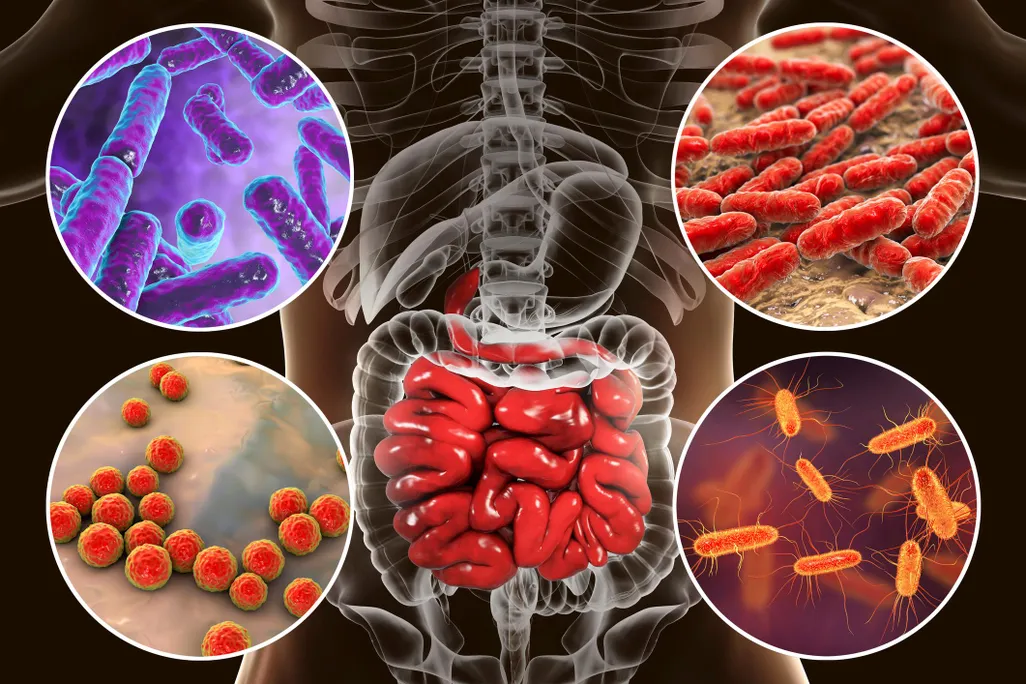
For years, whenever I heard someone talk about “supporting the immune system,” my mind immediately went to vitamin C, getting enough sleep, washing my hands, or perhaps taking a multivitamin during cold and flu season. Gut health belonged in an entirely different category. I associated the digestive system with obvious things like digestion, regular bowel movements, bloating, and how comfortable I felt after eating.
The more I learned about the human microbiome, however, the more incomplete that picture started to look. The digestive tract is not simply a long tube responsible for processing meals. It is also one of the most biologically active meeting places between the outside world and the internal environment of the body. Food, microorganisms, microbial compounds, immune cells, mucus, intestinal tissue, and countless chemical signals interact there every day.
That is why gut health’s connection to immunity has become such an interesting area of modern health research. The gut microbiota—the community of microorganisms living within the gastrointestinal tract—interacts extensively with both local and systemic immune function. At the same time, the immune system helps control which organisms are tolerated and which require a defensive response. In other words, this is not a one-way relationship. The gut influences immunity, and immunity influences the gut.
Understanding this relationship changed the way I think about taking care of myself. I no longer view digestive health as something that matters only when my stomach feels uncomfortable. I see it as one piece of a much larger health picture involving nutrition, the intestinal barrier, inflammation, immune regulation, microbial diversity, and everyday lifestyle habits.
What I also learned is that this topic needs some restraint. Gut health has become enormously popular online, and marketing claims often move much faster than the science. Supporting a healthy gut does not mean purchasing every probiotic supplement available, completing an aggressive “detox,” or trying to manipulate the microbiome based on vague symptoms. The genuine science is already fascinating enough without exaggerating it.
In this article, I want to explain what I have learned about the connection between gut health and immunity, what actually happens inside the intestinal environment, why diet matters, where probiotics fit into the picture, and the practical habits I consider most worthwhile.
Why the Gut Matters So Much to the Immune System
One of the first things that helped the gut-immunity connection make sense to me was thinking about what the digestive tract actually encounters.
Everything I eat passes through it. Countless microorganisms live there. Bacteria and other microbes from our environment can enter through food and other exposures. The intestinal system therefore has to perform an incredibly complicated balancing act: it needs to absorb nutrients while maintaining a protective boundary, tolerate harmless substances and beneficial microorganisms, and remain capable of reacting when potentially dangerous organisms appear.
The immune system is deeply involved in maintaining that balance.
Researchers have described the gut microbiota as an important contributor to the development, education, regulation, and function of the immune system. Meanwhile, immune responses influence which microbial populations are able to live within the intestinal environment. This ongoing communication helps maintain what scientists often refer to as immune homeostasis—a balanced state in which the immune system can defend us appropriately without remaining unnecessarily activated.
This idea matters because a healthy immune system is not simply an immune system that reacts as aggressively as possible. I think the phrase “boost your immune system” can sometimes give the wrong impression. What we really want is an immune system capable of responding appropriately.
When a meaningful threat appears, an effective defense is valuable. At the same time, the immune system also needs mechanisms that prevent unnecessary or excessive responses to harmless foods, our own tissues, and microorganisms that normally coexist with us.
That balance between defense and tolerance is one reason gut health has become so important in immunology research.
The Gut Microbiome Is Much More Than “Good Bacteria”
I used to hear the term “gut bacteria” and imagine a relatively simple competition between good bacteria and bad bacteria. The actual microbiome is considerably more complicated.
The human microbiome includes communities of microorganisms such as bacteria, fungi, viruses, and other microbes that live on and inside the body. The gastrointestinal tract contains an especially dense and metabolically active microbial ecosystem. These organisms interact with one another and with human cells, and they can influence digestion, metabolism, intestinal barrier function, and immune activity.
What makes this fascinating is that our microbes are not merely passengers consuming whatever food is left over after digestion. Many are metabolically active partners.
Gut microorganisms can break down compounds that human digestive enzymes cannot fully process on their own. During this process, they can produce biologically active substances that interact with intestinal cells and the immune system.
This is especially relevant when discussing dietary fiber.
Certain fibers reach the large intestine where microbes ferment them, producing compounds that include short-chain fatty acids such as acetate, propionate, and butyrate. These metabolites have attracted substantial scientific interest because they participate in communication between the microbiome, intestinal cells, metabolism, and immune pathways.
The relationship therefore looks something like this: the foods I eat influence the nutrients available to intestinal microorganisms; those microorganisms produce metabolites; and those metabolites can influence the environment in which intestinal and immune cells operate.
Once I understood that chain of events, the importance of dietary patterns made much more sense to me.
The Intestinal Barrier: The Part of Gut Health I Used to Overlook
Another important piece of gut health’s connection to immunity is the intestinal barrier.
The lining of the digestive tract has a difficult job. Nutrients need to cross from the gut into circulation, but potentially harmful microorganisms and compounds should generally remain separated from deeper tissues.
The intestinal epithelial layer, mucus, immune cells, microbial populations, and various protective compounds work together to maintain that separation. Gut epithelial cells and mucus therefore form part of a sophisticated defense system rather than simply acting as passive packaging around the digestive tract.
Healthy intestinal barrier function allows the body to maintain selective permeability. Useful nutrients can be absorbed while potentially harmful material is controlled.
When the barrier becomes disrupted, interactions between microbes, microbial products, intestinal tissue, and immune cells can change. Researchers have investigated these processes in connection with inflammatory and gastrointestinal conditions, although it would be an oversimplification to assume that every health problem can be explained by a so-called “leaky gut.”
That distinction is important to me because the phrase has become heavily commercialized. Intestinal permeability is a genuine biological phenomenon and an active area of research. However, diagnosing oneself with a vaguely defined “leaky gut syndrome” based on fatigue, bloating, headaches, or another nonspecific symptom is very different from understanding established intestinal barrier physiology.
I prefer focusing on what we can reasonably support: a balanced diet, adequate fiber when tolerated, appropriate medical care for gastrointestinal disease, responsible use of medications, regular physical activity, sleep, and other habits that contribute to overall health.
How Gut Microbes Help Train the Immune System
One of the most surprising things I discovered was that interactions between intestinal microbes and the immune system begin very early in life.
The immune system has to learn how to respond to an enormous variety of environmental signals. Gut microorganisms contribute to this process by interacting with both innate and adaptive components of immunity.
The innate immune system provides rapid, relatively broad defenses. It includes physical barriers as well as cells and signaling mechanisms capable of recognizing features associated with potential threats.
The adaptive immune system develops highly specific responses and includes T cells, B cells, antibodies, and immunological memory.
Gut microorganisms interact with both.
Researchers have shown that intestinal microbial colonization influences developmental aspects of adaptive immunity, while different immune populations help regulate relationships between the host and resident microbes. The gut-associated immune system therefore functions more like an ongoing conversation than a permanent battle.
I find the concept of immune tolerance especially important here. Immune cells need to distinguish between situations requiring action and substances or organisms that should generally be tolerated.
Imagine an immune system that reacted intensely every time a harmless food protein appeared or every time it encountered one of the enormous number of microbes normally living in the intestine. That would not be efficient or healthy.
Healthy gut-immune communication contributes to mechanisms that help maintain this balance.
Gut Health Does Not Mean Having a “Perfect” Microbiome
One misunderstanding I had to let go of was the idea that scientists must already know exactly what an ideal microbiome looks like.
The reality is considerably more nuanced.
Gut microbial communities vary among individuals. Diet, age, genetics, medications, environment, geography, disease, and numerous lifestyle factors can influence microbial composition. Even within the same person, the microbiome can change over time.
There are certainly patterns associated with health and disease, but there is no universal microbial recipe that everyone needs to reproduce.
That is one reason I am cautious about products or services claiming that a single microbiome test can tell someone exactly which supplements they need to become optimally healthy.
Microbiome research is advancing rapidly, but researchers are still working to understand which microbial changes are causes of disease, which are consequences, which are harmless individual variations, and which interventions consistently improve meaningful clinical outcomes.
This is also why I think microbial function may sometimes be more useful to think about than simply trying to maximize the number of different bacterial species.
A diverse ecosystem can be valuable, but the chemicals microbes produce and the way they interact with one another and with our tissues can be equally important.
What Happens When the Gut Microbiota Becomes Disrupted?
The word dysbiosis appears frequently in gut-health discussions. Broadly speaking, it refers to an altered microbial community associated with a disturbed biological state.
Researchers have found associations between microbiome disturbances and numerous diseases, including inflammatory bowel diseases and various metabolic or immune-related conditions. However, association does not automatically prove causation.
This is a distinction I think every gut-health article should make.
If researchers find that people with a particular disease have different gut microbes from healthy individuals, there are several possibilities. The microbiome could be contributing to the disease. The disease could be changing the microbiome. Medications or dietary changes associated with the disease could alter it. Or several of these processes could be occurring simultaneously.
What scientists do know is that impaired interactions among intestinal microbes, the mucosal immune system, and the epithelial barrier can change intestinal immune signaling and potentially increase susceptibility to harmful processes.
So while I take dysbiosis seriously as a scientific concept, I avoid treating it as a universal explanation for every symptom.
Diet May Be One of the Most Practical Ways to Support the Gut-Immune Connection
Whenever I look at gut-health advice, I eventually come back to food.
Not because food is a magical medicine or because one ingredient can transform immunity overnight, but because our dietary habits repeatedly influence the intestinal environment.
The microbes living in the gut depend partly on what reaches them through our diet. Different microorganisms have different metabolic capabilities, so dietary patterns can influence which organisms thrive and what compounds they produce.
This makes fiber particularly interesting.
Whole grains, vegetables, fruits, legumes, nuts, and seeds provide different forms of dietary fiber and plant compounds. Some fibers function as substrates for microbial fermentation. The resulting microbial metabolites can influence the intestinal environment and communicate with host cells.
Harvard’s Nutrition Source notes that gut microbiota participate in immune stimulation and the production of certain nutrients, while diets rich in varied minimally processed foods are generally more supportive of healthy immune function than nutrient-poor dietary patterns dominated by ultra-processed foods.
For me, this has made dietary variety more appealing than obsessing over one supposed “superfood.”
Instead of asking, “What is the best food for gut immunity?” I think a more useful question is, “Does my regular diet provide a wide variety of minimally processed plant foods and sufficient nutrients?”
That approach is less exciting than a miracle supplement, but it is far more realistic.
Why Fiber Deserves Special Attention
Fiber may be one of the least glamorous nutritional tools, but I have come to see it as foundational to conversations about digestive health.
Human digestive enzymes cannot completely break down many forms of dietary fiber. Some of that material reaches the colon, where particular microbes can ferment it.
The resulting short-chain fatty acids can participate in intestinal barrier health and immune regulation.
This does not mean everyone needs to suddenly double their fiber intake overnight. Rapidly increasing fiber can cause gas, bloating, abdominal discomfort, or changes in bowel habits, particularly in people whose diets were previously low in fiber or who have certain gastrointestinal disorders.
I prefer a gradual approach.
Beans and lentils, oats, whole grains, berries, vegetables, apples, pears, nuts, seeds, and other plant foods can all contribute different fibers and nutrients. Rotating foods also provides a wider nutritional range than relying on the same vegetable or cereal every day.
Hydration matters too, especially when increasing fiber intake.
Most importantly, people with conditions requiring specialized dietary management should follow individualized medical or dietetic advice rather than assuming that “more fiber” is automatically appropriate.
Fermented Foods Can Be Useful, but They Are Not Magic
Fermented foods have become almost synonymous with gut health, and I understand why.
Foods such as yogurt with live cultures, kefir, kimchi, sauerkraut, and certain other fermented products can contain microorganisms or fermentation-derived compounds. Research interest in fermented foods has grown considerably, particularly regarding their potential effects on microbial communities and immune function. Harvard’s Nutrition Source notes that fermented foods may support the microbiome and production of microbial metabolites such as short-chain fatty acids.
Still, I would not assume that every fermented food automatically functions as a clinically proven probiotic.
Some products undergo processing that kills live microorganisms. Different foods contain different microbial strains. Salt and sugar levels vary considerably. And a fermented food does not necessarily contain microorganisms demonstrated in controlled studies to produce a specific health outcome.
I therefore treat fermented foods as one potentially valuable part of a varied diet rather than a medical treatment.
A serving of plain yogurt with live cultures, for example, can be a convenient way to combine protein, nutrients, and fermented food in one meal. Kefir can serve a similar role for people who tolerate dairy. Sauerkraut or kimchi can add flavor and variety, although people who need to restrict sodium may need to pay attention to portions.
I enjoy the idea of fermented foods because they fit naturally into meals. I just do not expect them to compensate for an otherwise poor diet.
What I Think About Probiotic Supplements and Immunity
Probiotic supplements are where gut-health discussions often become confusing.
A probiotic is generally defined as a live microorganism intended to provide a health benefit when administered appropriately. However, different probiotics contain different species and strains, and their effects cannot simply be assumed to be interchangeable.
That point completely changed the way I look at probiotic labels.
Seeing the word “probiotic” on a bottle does not tell me exactly what that product will do.
Certain strains have been studied for specific conditions, while evidence for other uses remains uncertain. NCCIH emphasizes that although probiotics have been investigated for numerous health purposes, we still do not know which probiotics are helpful in many situations, what doses are optimal, or which individuals are most likely to benefit.
That is very different from the broad claim that everyone should take a daily probiotic to “boost immunity.”
I also pay attention to safety. Probiotics have a long history of apparently safe use among generally healthy individuals, but they are not completely risk-free. People who are seriously ill, immunocompromised, medically vulnerable, or caring for premature infants should not assume that probiotic supplements are automatically harmless. NCCIH notes that the risk of serious adverse effects can be greater in vulnerable populations.
When there is a genuine medical reason to consider a probiotic, I would rather discuss the specific strain, evidence, dose, duration, and condition with a qualified healthcare professional than randomly select the bottle with the highest number of colony-forming units.
Prebiotics and Probiotics Are Not the Same Thing
These two words are easy to confuse.
Probiotics are live microorganisms intended to confer health benefits under appropriate circumstances. Prebiotics, meanwhile, are substrates that are selectively used by microorganisms and can produce a health benefit.
Certain fermentable fibers can have prebiotic effects.
In practical terms, that means feeding beneficial microbial activities may be just as important as trying to introduce additional microorganisms through a supplement.
I sometimes compare it to gardening. Adding seeds matters much less if the soil cannot support them.
Of course, the gut microbiome is vastly more complicated than a garden, but the analogy helps explain why I do not think probiotic supplements should distract us from diet quality.
If my daily eating pattern contains very little fiber and almost no plant diversity, adding a capsule containing bacteria may not address the broader dietary environment influencing my microbiome.
Sleep, Stress, and the Gut-Immune Relationship
Food receives most of the attention in gut-health discussions, but I do not think diet should carry the entire burden.
Sleep and stress matter to immune health independently of the microbiome, and both can interact with gastrointestinal function.
Anyone who has experienced digestive discomfort during intense stress already knows that the brain and digestive tract communicate extensively. Stress can affect appetite, intestinal motility, food choices, sleep, and other behaviors that influence digestive health.
Sleep deprivation can also interfere with normal immune regulation.
For me, this reinforces a bigger lesson: gut health is part of whole-body health rather than a separate project.
I cannot realistically compensate for chronic sleep deprivation, high stress, inactivity, smoking, excessive alcohol consumption, or a consistently nutrient-poor diet simply by eating yogurt or taking a probiotic.
The body is interconnected, and the gut-immune relationship reflects that.
Exercise May Support the Bigger Health Picture
Regular physical activity is another habit I would include in any realistic immune-support strategy.
Exercise influences cardiovascular health, metabolic health, stress management, sleep quality, and immune function. Research also suggests associations between physical activity and characteristics of the gut microbiome, although the relationship is complicated because people who exercise regularly may differ in diet, body composition, medications, and other lifestyle factors.
I do not exercise specifically to manipulate individual bacteria.
I exercise because physical activity has broad, well-established health benefits, and any favorable effects on gastrointestinal or microbial health are an additional reason to stay active.
This mindset helps me avoid turning microbiome care into another obsessive health project.
A brisk walk, strength training, cycling, swimming, gardening, sports, or whatever activity someone can perform consistently is more meaningful to me than trying to micromanage microbiota percentages on a laboratory report.
Antibiotics Reminded Me How Dynamic the Microbiome Can Be
Antibiotics are one of medicine’s most important tools, and they can be lifesaving when used appropriately. At the same time, antibiotics can alter microbial communities because they do not exclusively affect the organism causing an infection.
This does not mean antibiotics should be avoided when medically necessary.
Instead, it reinforces the importance of appropriate antibiotic use. Taking antibiotics for conditions they cannot treat, saving leftover antibiotics, sharing prescriptions, or stopping treatment without medical advice can create far more serious problems than microbiome disruption alone, including antibiotic resistance.
After medically necessary antibiotic treatment, I prefer to focus on returning to a balanced dietary routine rather than automatically purchasing an elaborate collection of supplements.
Whether a specific probiotic is appropriate during or after antibiotic treatment depends on the clinical situation and the product being considered.
The Gut and Inflammation: An Important but Often Oversimplified Connection
Inflammation is another word that has been heavily commercialized.
Acute inflammation is not inherently bad. It is a normal part of immune defense and tissue repair. Problems arise when inflammatory responses become inappropriate, excessive, or chronically dysregulated.
Gut microbes and their metabolites can interact with immune pathways that influence inflammatory activity. Meanwhile, disruptions in intestinal barrier function and microbial balance have been studied in connection with inflammatory conditions.
What I avoid is turning that science into the statement that every symptom is caused by “inflammation from the gut.”
Inflammation has countless possible causes and biological pathways.
Someone experiencing persistent abdominal pain, blood in the stool, unexplained weight loss, chronic diarrhea, recurrent fever, severe fatigue, or other concerning symptoms deserves proper medical assessment rather than a social-media diagnosis involving toxins, parasites, candida, or dysbiosis.
Taking gut health seriously also means knowing when it has moved beyond the territory of general wellness advice.
Can Better Gut Health Prevent Colds and Infections?
This is probably one of the first questions people ask once they learn about the microbiome and immunity.
The answer is more complicated than many advertisements suggest.
Gut microbes unquestionably interact with immune function, but that does not mean changing the microbiome guarantees protection against respiratory viruses or other infections.
Some probiotic strains have been studied in relation to respiratory infections, but evidence varies according to strain, population, study design, and outcome. NCCIH notes that evidence supporting probiotics for preventing colds remains limited and that more research is needed.
That is why I would never replace proven infection-prevention strategies or recommended medical care with a gut supplement.
Vaccination when appropriate, hand hygiene, adequate sleep, good nutrition, appropriate medical treatment, and other established health practices still matter.
Gut health belongs within that larger picture.
What I Actually Do to Support My Gut and Immune Health
After spending time reading about the microbiome, I have become less interested in hacks and more interested in consistency.
My first priority is dietary diversity. I try to include different vegetables, fruits, legumes, whole grains, nuts, and seeds rather than depending on a tiny collection of “healthy” foods. Different plant foods provide different fibers, micronutrients, and phytochemicals, and variety makes meals more enjoyable as well.
I also include fermented foods when they fit naturally into my diet. I see yogurt, kefir, and fermented vegetables as foods first rather than medical treatments.
Fiber is something I build gradually and consistently instead of suddenly loading into my diet. When my fiber intake increases, I pay attention to hydration and digestive tolerance.
I try to protect sleep because immune health cannot be separated from recovery. No gut-health product is going to make chronic sleep deprivation a healthy lifestyle.
Regular movement matters as well. I would rather have a sustainable exercise routine I enjoy than spend money chasing an unproven microbiome shortcut.
I also avoid taking antibiotics unnecessarily, while still using them when prescribed for a legitimate medical reason.
Finally, I am skeptical of extreme elimination diets unless there is a genuine clinical reason for them. Removing huge categories of foods can reduce dietary variety and may create nutritional problems. If digestive symptoms make someone suspect a food intolerance or gastrointestinal condition, working with a physician or registered dietitian is generally more sensible than progressively shrinking the diet based on guesswork.
A Simple Gut-Friendly Eating Pattern I Find More Realistic
I do not think supporting gut health requires a complicated meal plan.
Breakfast might be oatmeal topped with berries, ground flaxseed, nuts, and plain yogurt. That provides whole grains, different fibers, plant compounds, healthy fats, and potentially live cultures.
Lunch could include lentils or beans, whole grains, vegetables, leafy greens, olive oil, and a source of protein.
Dinner might involve fish, poultry, tofu, or legumes alongside roasted vegetables, brown rice, quinoa, potatoes, or another minimally processed carbohydrate.
Snacks can be simple: fruit, nuts, yogurt, vegetables with hummus, or something equally practical.
The exact foods will naturally depend on culture, preferences, allergies, budget, medical needs, and availability.
What matters more to me is the overall pattern.
A varied diet built mostly around minimally processed foods is far more convincing as a long-term strategy than searching for one perfect microbiome food.
Signs That Digestive Symptoms Deserve Medical Attention
Healthy eating can support normal digestive function, but it should never become an excuse for ignoring persistent symptoms.
Occasional bloating after a large meal is very different from severe or progressively worsening gastrointestinal problems.
I would seek professional medical advice for issues such as persistent or severe abdominal pain, blood in the stool, black stools, unexplained weight loss, persistent vomiting, difficulty swallowing, prolonged diarrhea, recurrent fever, significant changes in bowel habits, persistent symptoms that interfere with daily life, or signs of dehydration.
The same principle applies when someone suspects food allergies, inflammatory bowel disease, celiac disease, chronic infection, or another gastrointestinal disorder.
The internet can provide useful education, but it cannot replace diagnosis.
Common Gut-Health Claims I Treat With Caution
One of the easiest ways to become confused about gut health is to assume that every claim using microbiome terminology must be scientifically established.
I am especially cautious around claims that a supplement can “reset” the microbiome within a few days, that everyone has parasites requiring regular cleansing, that ordinary bloating automatically proves intestinal permeability, or that a single probiotic formulation can treat dozens of unrelated diseases.
I also question claims that require extremely restrictive diets without appropriate clinical justification.
Microbiome research is promising precisely because the system is incredibly complicated. That complexity should make us more careful about sweeping conclusions, not less.
Scientists are still identifying important microbial metabolites, pathways, organisms, and individualized responses. Even NCCIH has emphasized challenges in probiotic research, including inconsistent clinical trial findings and difficulty determining which interventions work best for particular individuals.
The phrase I keep returning to is promising does not mean proven.
Why Supporting Immunity Is Different From “Boosting” It
If there is one wording change I wish the wellness industry would make, it would be replacing “immune boosting” with supporting normal immune function.
The immune system is a highly regulated network.
More immune activity is not always better. Excessive or misdirected immune responses are involved in allergies, autoimmune diseases, inflammatory disorders, and other conditions.
What I want is appropriate immune activity.
A balanced intestinal microbiome, adequate nutrition, healthy barrier function, restful sleep, regular exercise, vaccination where recommended, stress management, and appropriate healthcare can all belong to an overall strategy supporting normal health.
None of them create an invincible immune system.
That distinction may sound less exciting, but it is much closer to what the biology actually tells us.
What Gut Health’s Connection to Immunity Means to Me Now
Learning about gut health’s connection to immunity has made me appreciate how interconnected the body really is.
I used to think digestion ended once nutrients were absorbed. Now I think about the intestinal barrier, microbial fermentation, immune tolerance, microbial metabolites, gut-associated immune tissue, and the constant molecular conversation occurring between human cells and microorganisms.
The gut microbiome helps shape immune development and regulation. The immune system, in return, helps control the intestinal microbial environment. Nutrition supplies both our own cells and our resident microorganisms with substrates that influence those interactions. The intestinal barrier helps determine what remains inside the gut and what gains access to deeper tissues. Together, these systems form an extraordinarily complex biological partnership.
For me, the practical takeaway is refreshingly ordinary.
I do not believe I need to “hack” my microbiome.
I need to feed myself well.
I need enough fiber and dietary variety.
I need to sleep.
I need to move.
I need to manage stress where I can.
I need to use medications responsibly.
I need qualified medical advice when symptoms suggest something more serious than everyday digestive discomfort.
And if I consider a probiotic or another gut-health supplement, I want to know what specific evidence supports that specific product rather than assuming that all microbes in a capsule automatically improve immunity.
That approach may lack the excitement of a seven-day gut reset, but it feels much more sustainable and much more consistent with the science.
Final Thoughts: A Healthy Gut Is Part of a Healthy Immune System
When I started exploring the connection between gut health and immunity, I expected to find a straightforward list of foods and supplements that could make the immune system stronger.
What I found was far more interesting.
The gut is an ecosystem, an immune environment, a metabolic environment, and a physical barrier all at once. Trillions of microorganisms interact with the foods we eat and the tissues lining our digestive system. Immune cells constantly evaluate signals from this environment, while microbial metabolites influence conditions inside and beyond the intestine.
The relationship is dynamic, personal, and extraordinarily complex.
That complexity is exactly why I no longer chase simplistic solutions.
Supporting gut and immune health is not about eliminating every “bad” bacterium or swallowing as many probiotic strains as possible. It is about helping create conditions in which the intestinal barrier, microbial ecosystem, immune system, and the rest of the body can perform their normal functions effectively.
For most of us, the strongest foundation is surprisingly familiar: eat a diverse and nutrient-rich diet, include fiber-rich plant foods, consider fermented foods if they suit you, exercise regularly, get adequate sleep, manage stress, avoid unnecessary antibiotics, do not smoke, limit excessive alcohol consumption, and seek medical care when symptoms require it.
The science surrounding the microbiome will undoubtedly continue to evolve. Researchers are discovering new organisms, metabolites, signaling pathways, and potential therapies every year.
But I do not think we need to wait for every unanswered microbiome question before taking care of our gut.
The everyday habits that support digestive health overlap remarkably well with the habits that support overall health. And perhaps that is the most useful lesson I have learned from studying gut health’s connection to immunity: taking care of the gut is not an isolated wellness trend. It is one part of taking care of the entire body.
References
The following scientific and educational resources were consulted while preparing this article.
1. National Center for Complementary and Integrative Health (NCCIH)
Article: Probiotics: Usefulness and Safety
Link: https://www.nccih.nih.gov/health/probiotics-usefulness-and-safety
2. Nutrients / PubMed Central – U.S. National Library of Medicine
Article: The Interplay between the Gut Microbiome and the Immune System in the Context of Infectious Diseases throughout Life and the Role of Nutrition in Optimizing Treatment Strategies
Link: https://pmc.ncbi.nlm.nih.gov/articles/PMC8001875/
3. Microorganisms / PubMed Central – U.S. National Library of Medicine
Article: Gut Microbiota and Immune System Interactions
Link: https://pmc.ncbi.nlm.nih.gov/articles/PMC7602490/
4. Harvard T.H. Chan School of Public Health – The Nutrition Source
Article: The Microbiome
Link: https://nutritionsource.hsph.harvard.edu/microbiome/
5. Tissue Barriers / PubMed Central – U.S. National Library of Medicine
Article: Intestinal Barrier and Gut Microbiota: Shaping Our Immune Responses Throughout Life
Link: https://pmc.ncbi.nlm.nih.gov/articles/PMC5788425/
6. National Center for Complementary and Integrative Health (NCCIH)
Article: 5 Things To Know About Probiotics
Link: https://www.nccih.nih.gov/health/tips/things-to-know-about-probiotics
7. Harvard T.H. Chan School of Public Health – The Nutrition Source
Article: Probiotics for Gut Health
Link: https://nutritionsource.hsph.harvard.edu/probiotics/
8. Cell / PubMed Central – U.S. National Library of Medicine
Article: Role of the Microbiota in Immunity and Inflammation
Link: https://pmc.ncbi.nlm.nih.gov/articles/PMC4056765/
9. National Institute of Environmental Health Sciences (NIEHS/NIH)
Article: Microbiome
Link: https://www.niehs.nih.gov/health/topics/science/microbiome
10. Harvard T.H. Chan School of Public Health – The Nutrition Source
Article: Nutrition and Immunity
Link: https://nutritionsource.hsph.harvard.edu/nutrition-and-immunity/
11. Clinical & Experimental Immunology / PubMed Central
Article: The Gut Microbiome Shapes Intestinal Immune Responses During Health and Disease
Link: https://pmc.ncbi.nlm.nih.gov/articles/PMC4095778/
12. PubMed – U.S. National Library of Medicine
Article: The Interplay between the Gut Microbiome and the Immune System in the Context of Infectious Diseases Throughout Life and the Role of Nutrition in Optimizing Treatment Strategies
Link: https://pubmed.ncbi.nlm.nih.gov/33803407/
Disclaimer
This article is provided for general educational and informational purposes only and is based on scientific and health information available at the time of writing. It is not intended to provide medical advice, diagnose any medical condition, recommend treatment, or replace consultation with a qualified physician, registered dietitian, pharmacist, or other licensed healthcare professional.
Individual nutritional requirements, gastrointestinal conditions, immune function, medication use, and responses to foods or supplements can vary considerably. Anyone who is pregnant, breastfeeding, immunocompromised, seriously ill, taking prescription medication, managing a chronic medical condition, or considering probiotic or other dietary supplements should discuss appropriate options with a qualified healthcare professional. Persistent or severe digestive symptoms, unexplained weight loss, gastrointestinal bleeding, persistent vomiting or diarrhea, severe abdominal pain, fever, or other concerning symptoms should receive appropriate medical evaluation rather than being managed solely through dietary changes or supplements.