

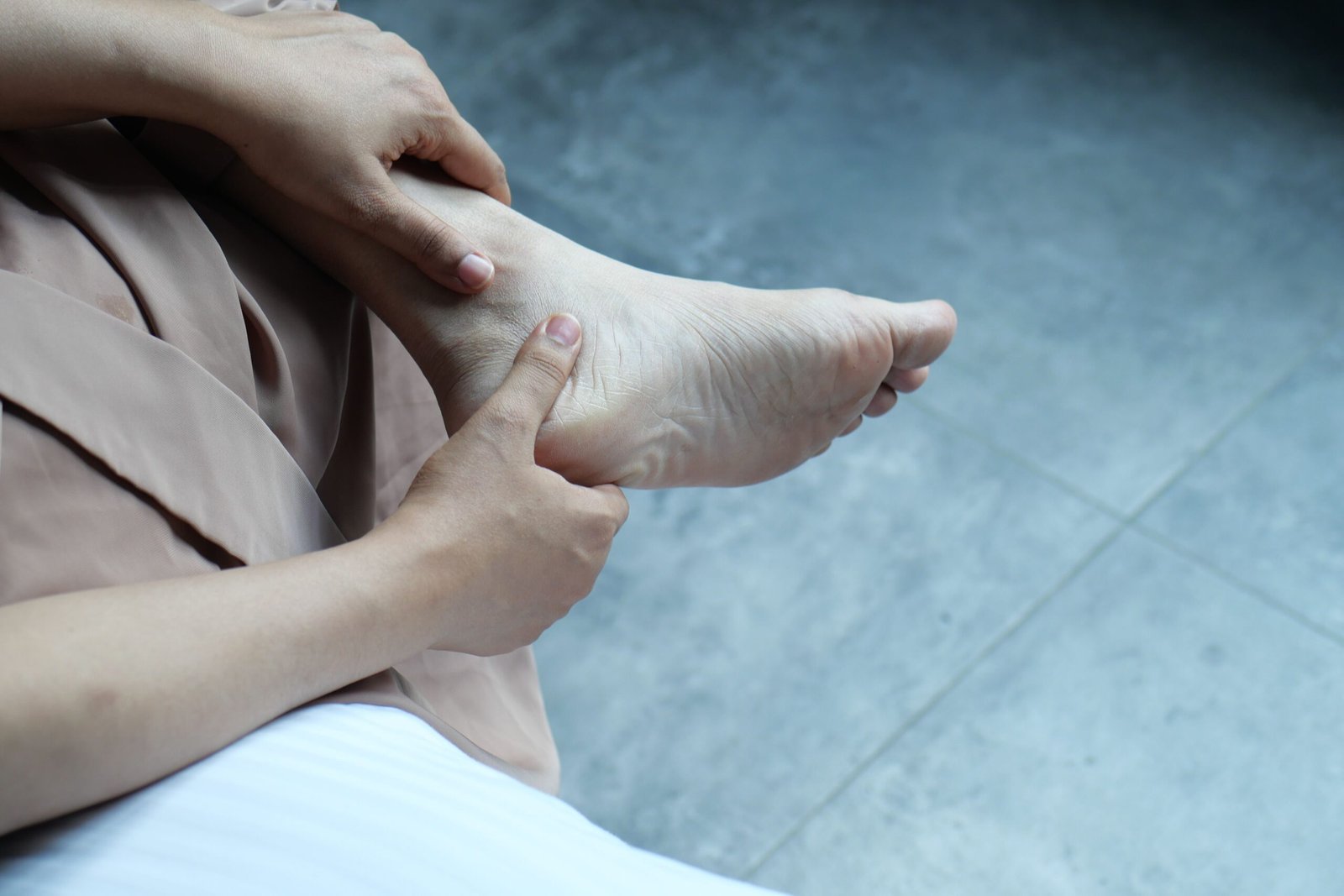
The most convincing part of a detox foot patch ad is usually the morning reveal. A clean-looking pad goes onto the sole of a foot before bed, and a dark, sticky patch comes off the next day. I understand why that before-and-after is persuasive. Unlike a wellness product that asks you to wait weeks for a change you might not notice, a foot patch gives you something to look at right away. But the more closely I examined that reveal, the less it told me about what had happened inside the body.
Detox foot patches have not been shown to pull toxins or heavy metals out through the feet. The dark residue is not a measure of what was in your body, and a darker patch does not mean you removed more of anything harmful. The most useful detail I found came from an independent consumer test. Consumer NZ got a similar color change by adding water to an unused patch. The patch hadn’t touched anyone’s foot, yet it still produced the visual result that makes the advertisements so convincing.
That comparison changed how I looked at the whole category. I wasn’t interested in dismissing the possibility that someone found the bedtime ritual pleasant or woke up feeling rested. I wanted to separate those experiences from a specific physical claim. In this article, I’ll explain what makes the patches turn black, what it would take to show they remove a harmful substance, and when a supplement might make sense for a concrete goal like getting more fiber. Those are different questions, and a product should only get credit for the one it can actually answer.
What Are Detox Foot Patches Selling?
A detox foot patch usually looks like an oversized adhesive bandage with a filled pad in the middle. The adhesive holds it against the sole, typically for several hours overnight. Formulas vary, but two products examined by Consumer NZ listed ingredients such as wood vinegar, bamboo vinegar, tourmaline, and vitamin C. The box may give you instructions for a series of nights, while the product listing tells you what the seller wants you to think the patches are doing during those hours.
There is a big difference between the design and the claim. A pad can absorb moisture from the skin, and its contents can change appearance after several hours in a warm, damp environment. None of that requires the product to interact with your bloodstream. The detox claim goes much further. It asks you to believe that a substance somewhere inside your body travels through the skin of your feet and collects in the patch in an amount that makes a difference to your health.
I pay particular attention to how sellers use the word “toxins.” In a medical or environmental setting, a concern usually has a name. Lead, for example, is a specific substance with established methods for assessing exposure. In foot patch advertising, the term can mean everything from vaguely described metabolic waste to heavy metals or unspecified chemicals. Those aren’t interchangeable. A product that claims to remove lead would need evidence about lead, not a testimonial about energy or a photo of a wet pad. If a seller can’t define what the patch removes, the claim is too vague to evaluate.
The overnight format makes the pitch feel more plausible than it is. You put the pad on, hours pass, and the result looks dramatic. But the timing doesn’t explain the mechanism. The fact that a patch changed while it was on your foot doesn’t mean the material that changed it came from deep inside your body. It tells you where the patch was when it got wet and changed color. The rest is a claim that needs its own evidence.
Why Do Detox Foot Patches Turn Black?
In the formulations Consumer NZ examined, moisture offered an ordinary explanation for the dramatic color change. The investigators linked the dark stain to the wood vinegar in the pads and reproduced a similar effect by wetting unused patches with water. This doesn’t establish that every brand uses the same ingredients or that every patch darkens for exactly the same reason. It does establish something more useful to a buyer. An unused patch can produce the supposed sign of “detox” without being exposed to a body at all.
Consider what happens even if you apply a pad to clean, dry feet. Dry at bedtime doesn’t mean dry for the next eight hours. The skin can sweat while you sleep, and the patch sits against it instead of allowing moisture to evaporate as freely. Once the filling gets wet, something that looked relatively pale and powdery in the package can look darker, thicker, or more uneven. A darker patch on one foot than the other could reflect differences in moisture or contact. A patch that stays light doesn’t tell you that you have fewer toxins, either.
The texture and smell can make the change seem more significant than it is. If I see a sticky brown patch that smells smoky after being opened or moistened, it’s easy to think that something new must have entered it. But the pad already contained a mixture of ingredients before it touched skin. Wetting that mixture can change what it looks and smells like. Without laboratory analysis, you can’t tell which substances were present from the start, which came from normal contact with the skin, or whether any substance of health concern was collected at all.
Here’s how I interpret the most common things people see or feel after using a patch.
| What you notice | What the result can reasonably tell you | What it does not show |
|---|---|---|
| The patch turns brown, gray, or black overnight | The pad changed while exposed to the warm, potentially damp environment against the foot. Some patches also darken when wetted away from skin. | The shade cannot identify a toxin, measure exposure, or show that anything harmful left your bloodstream. |
| One patch is much darker than the other | The two pads may have had different amounts of moisture, pressure, or contact with the skin. | Uneven staining doesn’t tell you that one side of your body stored more toxins or needed more treatment. |
| The pad has a strong smell or leaves sticky residue | Moisture can make the pad’s own ingredients more noticeable and change how the filling feels. | The smell and texture cannot distinguish patch ingredients from substances picked up at the skin’s surface. |
| The patches get lighter over several nights | The amount of moisture, the fit of the pads, and other conditions can vary from night to night. | A series of lighter patches isn’t evidence that your body is getting cleaner. |
| You wake up feeling better | You had a better morning or found the routine restful. That experience can be meaningful in its own right. | It doesn’t establish that toxin removal caused the improvement or that the patch will treat a recurring problem. |
What I take from the water comparison isn’t that a kitchen experiment can settle every claim about every product. It’s that color fails as evidence of toxin removal. A brand that wants to prove its pad removes a particular substance would need to measure that substance with a validated method. It couldn’t rely on how closely a morning patch resembles the photograph on the box.
What Would Count as Evidence That a Patch Works?
I would start with a test that asks a much narrower question than most advertisements do. If a company says its patch removes lead, name lead as the substance being studied. Check unused patches from the same batch so you know what the material already contains. Compare used patches with pads that have simply been exposed to moisture and with pads from a suitable comparison group. Those steps wouldn’t prove a benefit on their own, but they would help separate what’s already in the product from what it might pick up during use.
Even finding a named substance in a used patch wouldn’t tell the whole story. The next question is where the substance came from. It might have been present in the pad, deposited on the skin from the environment, or present in a tiny amount of sweat. Then there’s the question of quantity. Detecting a trace of something in a patch is not the same as showing a meaningful reduction in a person’s exposure or body burden. A persuasive study would also need appropriate measurements in the people using the pads and a comparison that accounts for changes unrelated to the product.
I would apply the same standard to claims about sleep, energy, pain, or weight. A study looking at sleep needs to measure sleep. A trial about joint pain needs to measure pain or function. Neither can use a photograph of a dark patch as a stand-in for the result. I’d also want the research to be on the actual product or a clearly matched formulation. A study on one ingredient used in a completely different way tells you little about whether sticking a blend of ingredients to the foot will produce the advertised outcome.
Mayo Clinic’s assessment is straightforward on this point. It reports no trustworthy scientific evidence that detox foot pads do what their sellers claim. There’s also a useful historical example. The U.S. Federal Trade Commission challenged the advertising of Kinoki Detox Foot Pads, whose marketers claimed benefits ranging from removing heavy metals to treating medical conditions. A 2010 court-approved settlement barred the named marketers from promoting or selling several categories of products. That action concerned specific marketers and claims. It wasn’t a ban on every foot patch. I bring it up because it shows how far these promises have gone without the evidence buyers were led to expect.
Why Some People Still Say They Feel Better
I wouldn’t tell someone they imagined a good night’s sleep just because the product they used has an unsupported explanation. Feeling more rested is a real experience. The problem is that an individual experience usually can’t identify its own cause. If you put on a patch, went to bed earlier, left your phone alone for the last half hour of the evening, and woke up with more energy, the patch is only one thing that changed. The routine around it may have done more for you than the adhesive pad itself.
There’s also a difference between a bad week getting better and a treatment making it better. People often reach for a new product when they’re especially tired, sore, or stressed. Some of those symptoms naturally vary from day to day. If you try a patch on the worst night and feel better two days later, it makes sense to connect the two. The difficulty is knowing whether the same improvement would have happened if you’d done nothing different. Before-and-after reviews rarely give you that comparison.
For me, the distinction is practical. If you like the feeling of setting aside ten quiet minutes for yourself, keep the ten minutes. There’s no reason to give an unsupported toxin-removal story credit for a routine you can enjoy without buying anything. If you’re trying to address ongoing exhaustion, poor sleep, or pain, judge progress by the symptom that concerns you. I would rather know whether I’m waking up fewer times or getting through the day with less fatigue than whether the pad in the trash is darker than yesterday’s.
How the Body Handles Waste Without a Foot Patch
The word “detox” makes ordinary body processes sound like a special event you have to schedule. In reality, the liver and kidneys do their work continually. The liver processes many substances, including components of medications and products of normal metabolism. Some are altered into forms that can be eliminated more readily. The kidneys filter the blood and remove many waste products and excess water in urine. The digestive system also provides a route for eliminating material in stool. These organs don’t wait for a cleanse to start working, and a wet patch can’t tell you how well they’re doing their jobs.
Sweating is where the sales pitch borrows a little truth. Sweat comes out through the skin, including the soles of the feet, so putting something absorbent against that skin can collect moisture. But collecting sweat on the skin is not the same thing as drawing harmful substances out of the body in a meaningful amount. A damp patch doesn’t prove it increased elimination, lowered anyone’s exposure, or changed what the liver and kidneys were doing.
I also make a distinction between a retail “detox” and treatment for an actual poisoning or harmful exposure. If there’s a concrete reason to suspect exposure to lead, another heavy metal, or a hazardous chemical, the useful starting point is the exposure itself. What was the substance, where did the contact happen, and when? A clinician or poison-control service can use that information to advise on the appropriate next step. Certain poisonings may call for a specific medical treatment, such as supervised chelation in selected cases. A foot pad, juice cleanse, or supplement is not an at-home version of that care. If you suspect a recent poisoning, seek urgent guidance rather than waiting overnight to see what a patch does.
Can Supplements Help With the Problems People Call “Detox”?
Supplements can help with some specific goals, but I wouldn’t use the word “detox” to decide what to buy. Take someone who feels sluggish after a few days of travel. They may have slept poorly, changed what they eat, moved less than usual, or gone longer between bowel movements. If their concern is low fiber intake or occasional irregularity, that’s a much better starting point than assuming toxins have built up. If the problem is persistent fatigue, a fiber supplement is unlikely to answer the question, and guessing at a nutrient deficiency can delay finding the cause.
For bowel regularity, fiber is a more useful topic than cleansing. A joint guideline from the American Gastroenterological Association and the American College of Gastroenterology conditionally recommends fiber supplementation for adults with chronic idiopathic constipation, particularly when dietary fiber intake is low. Of the fibers the panel evaluated, psyllium appeared effective, although the certainty of the evidence was low. That’s a qualified finding about a defined condition. It does not mean all fiber products are equivalent, and it does not turn a bowel movement into evidence that the body has been purged of toxins.
I found the following three options listed through Amazon’s U.S. health storefront. I chose them for three different uses, not as a sales ranking or a list of detox products. They are alternatives to compare, not products to take together. Read the specific label before buying because formats and formulations can differ, even within the same brand.
- Metamucil 4-in-1 Psyllium Husk Fiber Powder. This is the first of the three I’d look at if the goal is regularity and a mix-with-water format suits you. It contains psyllium, the fiber with the clearest support in the guideline I reviewed. That’s an ingredient-level finding, not a head-to-head trial showing that this brand beats the others. The product needs to be taken with the fluid specified on its label. If you have trouble swallowing or take medicines that might need to be spaced apart from fiber, check with a pharmacist before using it.
- Benefiber Original Prebiotic Fiber Powder. This unflavored wheat dextrin powder is an option for someone who wants to add fiber without committing to a distinctly flavored drink. The appeal is the format and how easily it may fit into something you already eat or drink. Wheat dextrin isn’t psyllium, so I wouldn’t transfer the guideline’s findings about psyllium to Benefiber. If your main goal is to supplement a low-fiber diet and taste or texture is the reason you haven’t stuck with other powders, that difference may be more relevant than the front-of-package claims.
- Citrucel Fiber Therapy Caplets. This is an over-the-counter bulk-forming laxative, not a dietary supplement in the same sense as a daily fiber powder. It contains methylcellulose and is labeled for occasional constipation. I’d consider it a format alternative for someone who dislikes mixing powders, not an upgrade over psyllium or a reason to sidestep recurring symptoms. Caplets still need the amount of water specified on the Drug Facts label. If you have trouble swallowing, a caplet isn’t automatically the easier or safer choice.
I would start with food if the issue is simply that my meals don’t contain much fiber. Beans, oats, fruit, vegetables, and whole grains can help add fiber while providing other nutrients a powder won’t supply. A fiber product can fill a gap when food alone isn’t practical, but abruptly adding a lot can leave some people with more gas or discomfort. Persistent constipation, blood in the stool, or significant abdominal pain calls for medical advice, not a stronger cleanse. The objective is more comfortable, predictable bowel movements, not seeing how much the body can be made to expel.
Are Detox Foot Patches Safe to Use Overnight?
The fact that a product sits on the outside of the body doesn’t make it harmless. Mayo Clinic notes that people can react to ingredients in the pads and that applying them to a rash, wound, or infected area can worsen symptoms. Depending on the person and product, the adhesive or the pad ingredients could be a problem. If you peel one off and find itchy, sore, or reddened skin, I would treat that as a reason to stop using it. An irritated patch of skin isn’t evidence that the product is “working.”
I would be particularly cautious about applying any nonessential adhesive patch to feet with reduced sensation, poor circulation, or an existing skin problem. If you don’t feel irritation normally, you may not notice that something is rubbing or bothering the skin. If poor healing is already a concern, even a small skin injury deserves attention. Don’t apply a detox pad over broken skin, a blister, a rash, or a suspected infection. If you develop a sore that isn’t healing or redness that spreads, seek medical advice instead of covering it with another pad.
The bigger risk, in my view, is using the patch as an answer to a symptom it can’t explain. Someone with repeated swelling may buy patches because the listing promises better circulation. Someone dealing with months of tiredness may interpret feeling worse as a temporary stage of cleansing. The product has given those people a story, not a diagnosis. I would stop giving it the benefit of the doubt once the proposed solution starts putting off a better investigation.
What I’d Do Instead of Buying a Detox Patch
I’d start by replacing the word “detox” with what I actually want to change. If the goal is to feel less run-down, I’d look at when the tiredness occurs, whether I’m sleeping enough, and whether it’s been around long enough to discuss with a clinician. If the problem is irregularity, I’d look at food, fluids, activity, and recent changes to medications or routine. If my feet just feel uncomfortable after a long shift, I’d start with the shoes and socks I’ve been wearing all day. These aren’t interchangeable problems, so I wouldn’t expect one overnight product to solve all of them.
- For a better evening routine, keep the parts that make you feel rested. Changing out of damp socks, washing and drying your feet, and taking a quiet break before bed can make the end of the day more comfortable. I’d judge the routine by how I feel when I get into bed and how I sleep, not by whether a product leaves behind a convincing-looking stain.
- For general health, focus on habits you can maintain. Eating varied meals, staying active in a way that suits you, and avoiding excessive alcohol are more useful long-term priorities than spending a week trying to “reset” the body. I wouldn’t combine a foot patch with fasting, laxative teas, or an aggressive cleanse to chase a stronger effect. NCCIH notes that some cleansing practices can cause problems such as dehydration or other adverse effects.
- For a credible exposure concern, write down the details and get appropriate guidance. The name of a product or substance, the likely source, and the timing are useful information to give a clinician or poison-control service. A photo of the used foot pad isn’t. If the concern comes from work, home renovations, or another ongoing source, finding and addressing that source is more useful than repeatedly trying to remove what you think has already entered your body.
This approach doesn’t give you a single purchase that promises to do everything. I see that as an advantage. It lets you spend your time and money on the problem you can name and notice whether it actually improves. It’s also easier to tell when you need a different approach, because you’re paying attention to the symptom or exposure rather than a product’s built-in demonstration.
My Verdict on Detox Foot Patches
I wouldn’t buy detox foot patches to remove toxins, improve circulation, or treat an ongoing symptom. The strongest part of the sales pitch is that dark morning patch, and it’s also the part that falls apart under the simplest comparison. An unused patch can darken when exposed to water. Once you know that, there’s no good reason to interpret the patch as a record of what left your body overnight.
I can see the appeal of wanting a small, easy habit that makes you feel like you’re taking better care of yourself. I’d keep the habit if it helps you wind down and skip the explanation that the stain represents toxins. If there’s a more specific reason you were interested in the patches, start there. A fiber product may be relevant to regularity, a change to your bedtime routine may be relevant to sleep, and a suspected exposure calls for professional assessment. All three give you something more useful to act on than the color of a pad.
Disclaimer
This article is for general educational purposes and is not a diagnosis, treatment plan, or substitute for professional medical advice. The named products are examples, not individualized recommendations. Read the label and check with a clinician or pharmacist if you take medication, have a health condition, or aren’t sure whether a fiber product is suitable for you. If you suspect poisoning or a harmful exposure, contact a poison-control service, a medical professional, or local emergency services as appropriate.
References
- Mayo Clinic Staff. Detox foot pads: Do they really work? This clinical consumer-health review addresses the lack of trustworthy evidence for toxin removal and explains the risks of applying the pads to irritated, wounded, or infected skin.
https://www.mayoclinic.org/healthy-lifestyle/consumer-health/expert-answers/detox-foot-pads/faq-20057807 - Consumer NZ. Don’t buy detox foot pads or patches. This independent consumer investigation describes how two products behaved in use and how adding water to unused patches produced similar staining. It supports the distinction between a visual demonstration and evidence of toxin removal.
https://www.consumer.org.nz/health/health-and-medical-care/don-t-buy-detox-foot-pads-or-patches - U.S. Federal Trade Commission. Xacta 3000, Inc., et al. The official case record contains the complaint and stipulated final order concerning the Kinoki Detox Foot Pads marketing claims. It documents the scope of the action against the named defendants.
https://www.ftc.gov/legal-library/browse/cases-proceedings/082-3170-x090021-xacta-3000-inc-et-al - National Center for Complementary and Integrative Health. “Detoxes” and “Cleanses”: What You Need To Know. This NIH fact sheet summarizes the limitations of research on commercial cleanses, outlines safety concerns, and distinguishes retail detox regimens from medical treatment for specific toxic exposures.
https://www.nccih.nih.gov/health/detoxes-and-cleanses-what-you-need-to-know - Chang L, Chey WD, Imdad A, et al. AGA–ACG Clinical Practice Guideline on the Pharmacological Management of Chronic Idiopathic Constipation. This peer-reviewed guideline explains the conditional recommendation for fiber supplementation, the evidence specific to psyllium, and practical considerations such as adequate hydration.
https://pmc.ncbi.nlm.nih.gov/articles/PMC10544839/