

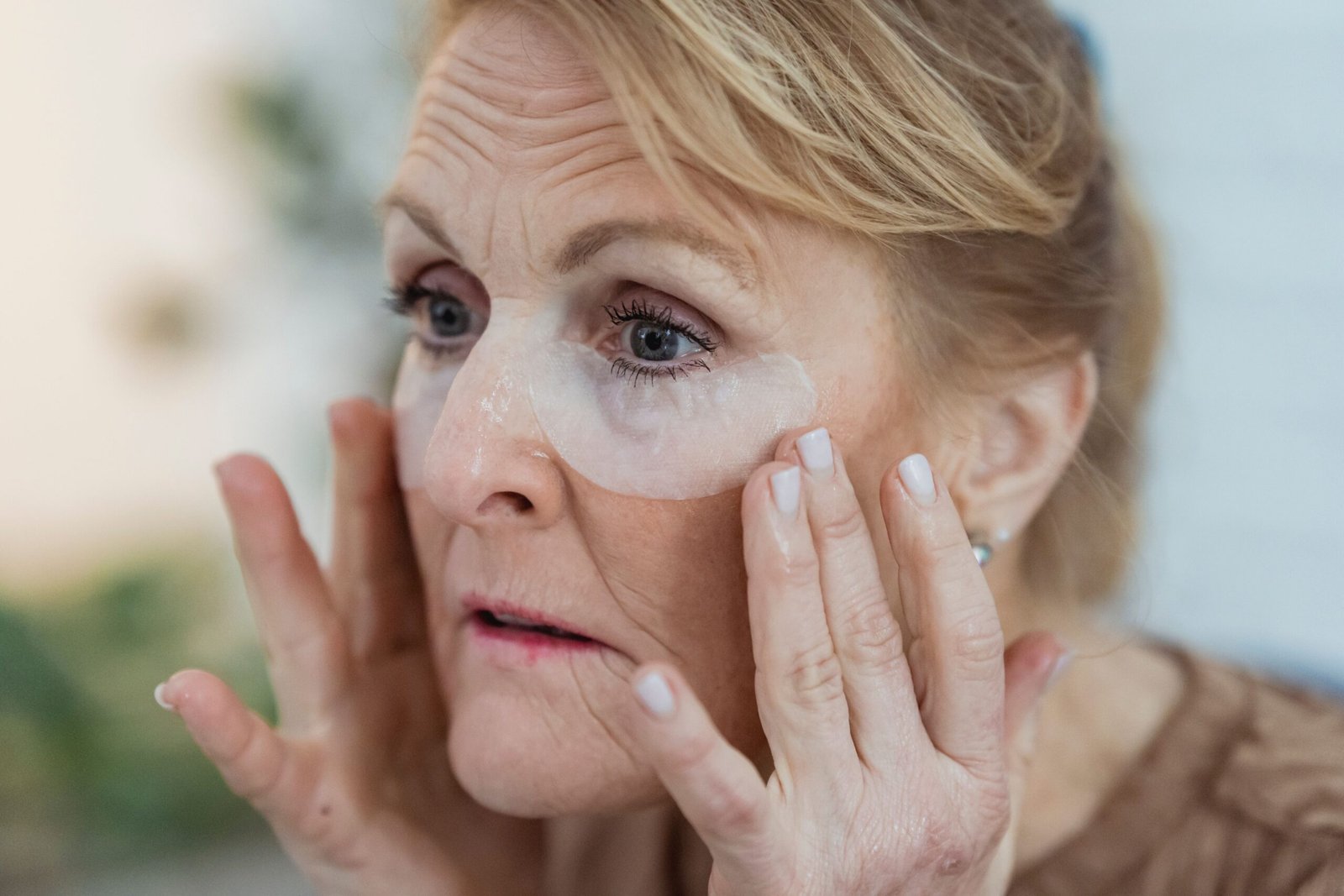
Wrinkle-prevention advice tends to get complicated right where it should get practical. A sunscreen you’ll wear on an ordinary Tuesday can do more to protect your skin from premature aging than an elaborate routine you abandon by Friday. That’s the distinction I kept coming back to as I researched this article. Some habits reduce the damage that makes lines develop sooner. Others make existing lines look softer for a while. Both can be worthwhile, but I wouldn’t give them equal space in my bathroom cabinet or equal weight in my budget.
When I talk about natural ways to avoid wrinkles, I mean everyday habits and noninvasive skincare that can help slow premature skin aging. I don’t mean that every ingredient has to come from a plant, or that a well-formulated sunscreen should lose out to a kitchen remedy. Skin naturally gets thinner and drier over time. Genetics, facial movement, and changes in the tissues beneath the skin all influence the lines we develop. No daily routine can prevent every wrinkle, and I wouldn’t take a wrinkle-free face as the standard for whether someone has looked after their skin.
My starting point is to protect exposed skin, keep the skin barrier comfortable, and be selective about extras. What follows is how I’d put that into practice, from choosing a sunscreen and making it a habit to deciding whether a collagen supplement deserves a spot in the routine. I’ll also explain which changes I’d judge by how my skin feels today and which I’d keep doing even if the mirror looked exactly the same tomorrow.
I’d Start With Sun Protection on Ordinary Days
The strongest argument for daily sunscreen isn’t a before-and-after photograph. It’s a randomized Australian trial that followed adults for about four and a half years. The group assigned to use sunscreen daily had 24% lower odds of showing progression in measured skin aging than the group allowed to use it at their discretion. Researchers assessed changes in skin texture on the backs of participants’ hands, so the result doesn’t mean daily sunscreen gives everyone 24% fewer facial wrinkles. What it does show is that consistent use made a measurable difference over several years, even against a comparison group that could still use sunscreen.
For a daily product, I’d choose a broad-spectrum sunscreen with SPF 30 or higher. Broad-spectrum coverage helps protect against UVA and UVB, both of which contribute to skin damage. I’d also make texture part of the decision. A sunscreen that leaves a cast I dislike, stings my eyes, or feels unpleasant in warm weather is one I’m more likely to apply too sparingly or skip. A formula that suits my skin tone and feels comfortable in the amount needed would beat a more expensive bottle I only use on vacation.
I’d apply it to exposed skin, including the easy-to-miss areas around the ears, neck, upper chest, and backs of the hands. For time spent outdoors, I’d reapply about every two hours and after swimming or sweating. Water resistance is useful, but it doesn’t mean waterproof. A broad-brimmed hat and UPF-rated clothing make protection easier by covering areas I might otherwise miss, while shade is especially helpful if I’ll be outside for a long stretch. The routine I’d trust on a beach day is sunscreen plus those physical measures, not sunscreen doing all the work on its own.
Which Habits Prevent Damage and Which Soften Lines?
A moisturizer can make fine lines look less obvious by lunchtime. Sunscreen might make no visible difference by lunchtime at all. Yet sunscreen does the more important work for preventing premature aging. I find it easier to choose products once I separate what changes the appearance of a line today from what reduces the damage that contributes to lines over time. A quicker effect isn’t automatically a better effect. It may simply answer a different question.
That distinction also helps when a product promises smoother skin without specifying what “smoother” means. Well-moisturized skin can look and feel smoother without any structural change to a deeper crease. I’d happily use a moisturizer for that benefit because it’s noticeable and useful. I just wouldn’t pay a premium for a product on the assumption that this immediate change proves it can prevent future wrinkles.
| Habit or product | What it can realistically do | Where I’d put it in my routine |
|---|---|---|
| Daily broad-spectrum sunscreen | Helps limit UV-related skin damage that contributes to premature wrinkles and texture changes. It’s a preventive step, not an instant line smoother. | First priority for exposed skin. I’d choose a formula I can apply generously and reapply when outdoors. |
| Shade, a broad-brimmed hat, and protective clothing | Reduce the amount of direct UV exposure reaching the skin. Clothing also covers places where sunscreen is easy to apply unevenly. | Alongside sunscreen, especially on long walks, beach days, or during outdoor work. |
| Gentle cleansing and moisturizing | Help keep skin comfortable and hold water at the surface, which can make dryness-related fine lines less noticeable. | A daily foundation, especially if skin feels tight, rough, or irritated after washing. |
| Quitting smoking | Removes a well-established contributor to premature wrinkles. It doesn’t guarantee that lines already present will disappear. | A high priority for anyone who smokes, with practical quitting support if needed. |
| A varied, nutrient-adequate diet | Supplies nutrients the body uses for normal skin maintenance and collagen production. No individual food is a proven wrinkle preventive. | Part of everyday eating, without cutting out whole food groups or chasing expensive “beauty foods.” |
| Oral collagen peptides | May help with hydration in some studies, but evidence for visible wrinkle reduction is inconsistent. | An optional purchase after the basics are in place, not a replacement for sunscreen or moisturizer. |
If I were starting on a tight budget, I’d use this comparison to decide what not to buy. I wouldn’t spend on a second serum while putting off replacing an empty sunscreen. I also wouldn’t dismiss a plain moisturizer because its label doesn’t say “anti-aging.” If it keeps my skin comfortable and reduces the look of surface dryness, it has done its job. Every product doesn’t have to promise the same result to earn a place.
Keep Your Skin Barrier Comfortable
The first thing I’d look at if my skin felt tight after washing is the way I’m cleansing it. I’d use lukewarm water, a gentle cleanser, and my fingertips rather than a scrub or cleansing brush. At night, I’d take enough care to remove makeup and sunscreen without rubbing until my face felt squeaky. That stripped feeling isn’t proof that the skin is cleaner. If a second pass with a soft product gets the job done, I’d take that over pressing harder or reaching for something more abrasive.
Next comes moisturizer. Its main job is to hold water in the outer layer of skin, which is useful when dryness makes fine lines look sharper or gives the cheeks a rough texture. I’d use it shortly after washing, while the skin is still slightly damp. A light lotion might be enough in humid weather or for someone who dislikes a heavy finish. If skin stays dry through the day, a richer cream may be more comfortable. I’d judge the formula by whether it leaves my skin feeling good several hours later and sits well under sunscreen, not by how luxurious it feels for the first thirty seconds.
When several products are in rotation, I’d pay attention to how they feel together. An exfoliant that seems manageable on its own may be too much if it’s paired with a scrub and another active product. If a nonprescription product repeatedly stings or burns, I wouldn’t interpret that as a sign it’s working. I’d put it aside and simplify the routine so I can tell what’s going on. Persistent redness, flaking, or discomfort is a reason to get advice rather than keep trying new products. A comfortable routine is also easier to stick with, which counts for more than an impressive shelf of treatments.
Eat for Healthy Skin Without Turning Meals Into Treatments
The food advice I find most useful is also the least dramatic. The body needs vitamin C to make collagen, and a varied diet supplies protein and other nutrients necessary for normal tissue maintenance. I’d look first at the meals I already eat and see where a food can do double duty. Bell peppers or tomatoes can add flavor and vitamin C to a bean dish. Fruit can make a breakfast more satisfying. Fish, eggs, lentils, or tofu can provide protein in meals that don’t require a special recipe or separate shopping trip.
There’s a difference between getting enough of a nutrient and taking extra to achieve a cosmetic result. An adequate vitamin C intake supports normal collagen production, but that doesn’t mean a large dose will translate into fewer crow’s-feet. The body also absorbs a smaller proportion of vitamin C at very high doses. If I can meet my needs through the food I enjoy, I don’t see a wrinkle-prevention reason to add a high-dose capsule. The decision might be different for someone with a restricted diet or a confirmed deficiency, which is where individualized advice is more useful than a blanket supplement recommendation.
I take a similar approach to water. Drinking enough is a healthy habit, and I’d pay attention to hydration in hot weather or during exercise. But drinking more water than I need wouldn’t be my first response to fine lines showing up in dry skin. I’d start by checking how I cleanse and moisturize. Likewise, I wouldn’t blame an occasional dessert for a forehead line. The overall pattern of what I eat is more useful to think about than a single ingredient, and none of it makes a day of unprotected sun exposure a good idea.
The Lifestyle Changes I’d Give Real Weight
If someone smokes, quitting is one of the biggest changes I’d put on the list. Smoking is linked with faster visible skin aging and wrinkles. It’s also an area where the benefits go well beyond skin, which is why I wouldn’t frame quitting as something to do just for better-looking cheeks. Nor would I make the decision depend on whether old lines fade. The point is to remove an ongoing contributor, and getting support to quit is more useful than looking for a skincare product to compensate for it.
I’d take a more measured view of sleep and exercise. Better sleep can make a difference to how rested I look, and regular movement is a habit I’d value for my overall health. I wouldn’t promise that either one, on its own, meaningfully reduces long-term wrinkling. The practical overlap is that a walk can be an easy way to get moving, and it’s also time spent outdoors. That’s an ideal place to attach an existing routine to a new one by keeping a hat, sunglasses, and sunscreen with the things I already take on a walk.
I feel much the same about advice to control facial expressions. Repeated movements contribute to some lines around the eyes and across the forehead, but I wouldn’t monitor how often I smile, laugh, or raise an eyebrow. UV-protective sunglasses are an exception I’d gladly make because they protect the eye area and help me squint less in bright light. As for silk pillowcases and specially shaped pillows, I’d buy one for comfort if I liked it. I wouldn’t buy one instead of sunscreen or lose sleep trying to change my sleeping position for a speculative cosmetic benefit.
How Supplements Might Help, Plus Three Amazon Options
Collagen peptides are the supplements I’d look at first if I wanted to understand the evidence behind the “skin support” label. They’re made by breaking collagen into smaller protein fragments. The expectation I’d take into a purchase is narrow. Some research suggests oral collagen can improve measures of skin hydration, but that isn’t the same as showing it prevents wrinkles or reverses established creases. Those are different outcomes, and advertisements often move from one to the other without making the distinction.
Two reviews illustrate why I’d be careful with the claims. A 2025 meta-analysis of 23 randomized trials found favorable results when studies were pooled, but the subgroup of trials without pharmaceutical-company funding did not show clear benefits for hydration, elasticity, or wrinkles. A 2026 review found more consistent signals for hydration and skin barrier measures, while its wrinkle results didn’t hold up well when the researchers tested how sensitive those results were to outlying studies. Taken together, the findings make a better case for studying collagen as a possible aid to hydration than for treating it as a reliable way to avoid wrinkles.
If I were comparing Amazon options, I’d start with three widely purchased unflavored powders and choose based on the ingredient label, serving size, and how easily I could use the product. All three examples below use bovine collagen, so none is suitable for a vegan diet or someone who needs to avoid beef-derived ingredients. I’m comparing the listed formats and formulations here, not reporting a personal product test or ranking them by wrinkle-fighting ability.
- Vital Proteins Collagen Peptides Powder, Unflavored. I’d put the 9.33-ounce version on the shortlist for someone who wants a smaller container before committing to a larger tub. It’s an unflavored bovine collagen powder intended to mix into things you already drink or eat. I’d check the exact variant before ordering because the brand also sells other flavors and formulas.
- Sports Research Collagen Peptides Protein Powder, Unflavored. The 16-ounce listing specifies 11 grams of collagen peptides per scoop, a useful detail if you’re comparing scoop sizes and how long a container will last. I’d consider it if a measured, single-scoop serving fits the routine better than a larger serving. That figure describes the product, not an established dose for wrinkle prevention.
- Great Lakes Wellness Collagen Peptides Powder, Unflavored. The manufacturer lists 20 grams of bovine collagen peptides per serving for its 16-ounce product. I’d look at how many scoops the serving actually calls for and compare the number of labeled servings rather than assuming two tubs of the same weight will last the same number of days. The larger serving isn’t evidence that the product will work better for wrinkles.
The detail I’d check before buying any of these is the Supplement Facts and ingredient list for the exact container, not the wording at the top of the search result. Popularity tells me a product gets bought. It doesn’t tell me it was the formula used in a particular study, that the serving sizes are interchangeable, or that I’ll notice a cosmetic change. If my main problem were skin that feels dry after washing, I’d start with a change I could judge more directly, like swapping a harsh cleanser or using a moisturizer that keeps my skin comfortable through the afternoon.
Natural Remedies I Wouldn’t Use on My Face
I understand the appeal of starting with things already in the kitchen. They’re familiar, inexpensive, and easy to find. But I wouldn’t put fresh lemon juice on my face to brighten skin or soften lines. It’s acidic and can irritate the skin, and some citrus juice on skin followed by sunlight can cause a reaction. I’d also skip sugar scrubs for facial wrinkles. Even if a scrub leaves skin feeling smoother briefly, that doesn’t mean it has affected the underlying crease. The risk of leaving already dry skin sore or irritated doesn’t seem like a fair trade.
Facial oils are a different case. An oil can feel soothing on dry skin, and I can see why someone might like the finish it leaves, particularly at night. But a comfortable finish doesn’t make an oil a sunscreen. I wouldn’t rely on coconut oil, seed oils, or a homemade oil blend for UV protection. If I liked using an oil, I’d think of it as a separate cosmetic step, not assume it replaces a tested broad-spectrum product. I’d be especially cautious with fragranced or essential-oil-heavy blends on skin that already reacts to products.
I’d apply the same standard to facial massage. If gentle massage feels relaxing, that’s a reasonable reason to do it. Any immediate difference in how puffy or rested the face looks should be judged on those terms, though, not taken as proof that a tool has rebuilt collagen or stopped wrinkles from forming. One question saves me from a lot of unnecessary purchases here. If a remedy only made my skin feel nicer briefly, would I still want to use it? If the answer is no, I’d leave it out and spend that time on something I can use consistently.
How I’d Build a Routine That Survives a Busy Week
I’d make the morning routine simple enough to do without thinking about it. If my skin needed moisturizer, I’d apply it and follow with sunscreen before heading out. I’d put the sunscreen somewhere I see it when I get ready, then keep the hat and sunglasses near the front door. The point is to remove little decisions. A bottle on a high shelf in a cupboard may be a perfectly good sunscreen, but it isn’t much help if I remember it only after I’ve left for the day.
At night, my minimum would be gentle cleansing followed by moisturizer. I wouldn’t start a new cleanser, serum, cream, and supplement at the same time. Changing one thing makes it easier to notice whether the skin feels more comfortable or whether something is causing irritation. It also makes the routine cheaper and easier to maintain. If my skin felt good with just those evening steps and sun protection in the morning, I wouldn’t assume something was missing because the routine was short.
I’d also prepare for the occasions when the routine has to change. A day running errands calls for different planning than an afternoon by the water or several hours working outside. This is where I find a short checklist more helpful than adding another product. The habits I want to remember are simple, but doing them consistently takes a little planning.
- Leave enough sunscreen where you’ll need it. If I know I’ll be outdoors for several hours, I’d pack a bottle so reapplication doesn’t depend on finding one later. I’d still bring a hat or protective clothing.
- Adjust for comfort before adding more active products. If my face feels tight by midday, I’d look at cleansing and moisturizing first. If sunscreen feels unpleasant, I’d try a more wearable formula instead of getting into the habit of skipping it.
- Judge the habit on the right timeline. I might notice less tightness or flaking soon after changing moisturizers. For sun protection, the useful short-term check is whether I applied enough and remembered to reapply outdoors, not whether my forehead looked smoother after a week.
My Take on Aging Well Without Chasing Every Line
If I could only keep three things from this article, I’d choose daily sun protection, a moisturizer that feels good, and a gentle approach to cleansing. I’d give avoidance of tobacco the same seriousness, and I’d eat a varied diet for skin health and everything else it does for the body. That leaves plenty of room for a person to enjoy a serum or try a supplement if they want to. It just takes the pressure off those extras to solve a problem that hats, sunscreen, and everyday habits are better placed to address.
For anyone who already has lines, I’d make the same recommendations. Starting now is still useful because tomorrow’s sun exposure is something you can change, even if yesterday’s isn’t. A moisturizer can make dry areas feel and look better while you build a more consistent routine. If what bothers you is a deeper crease that stays visible at rest, I’d be honest about the goal. Caring for the skin around it is worthwhile, but I wouldn’t keep buying increasingly expensive natural remedies expecting that crease to disappear.
The best compliment I could give a wrinkle-prevention routine is that it becomes boring. You find sunscreen you like enough to finish, you stop irritating your skin in pursuit of a smoother face, and you have time to think about something else. A few lines can still show up, and the routine can still be working. To me, the point isn’t to keep a face from changing. It’s to reduce preventable damage and take care of the skin you live in without treating every change as a problem to fix.
Disclaimer
This article is for general education and is not a substitute for advice from a qualified healthcare professional. Skin changes can have different causes, and persistent irritation, a changing spot, or an area that repeatedly bleeds or doesn’t heal deserves medical attention. A dermatologist can help distinguish ordinary dryness, irritation, and visible signs of aging from changes that need an examination.
The supplement examples are based on publicly available product information and are not endorsements or evidence that a brand prevents wrinkles. Check the exact product label and ingredient source before buying. Ask a healthcare professional before starting a supplement if you are pregnant or breastfeeding, take medications, have food allergies, or manage a condition that affects what you can eat or take.
Individual results vary, and the studies discussed here measure specific outcomes in particular groups of people. They do not predict how one person’s skin will change. Oral supplements should not replace sunscreen, prescribed treatment, or any steps your clinician has recommended for your skin or overall health.
References
- Hughes MCB, Williams GM, Baker P, and Green AC. Sunscreen and Prevention of Skin Aging: A Randomized Trial. Annals of Internal Medicine, 2013. This multi-year trial compared consistent daily sunscreen use with discretionary use. Its measurement of changes in skin surface texture supports the article’s emphasis on regular UV protection while clarifying what the study did and did not measure.
https://pubmed.ncbi.nlm.nih.gov/23732711/ - American Academy of Dermatology. 11 Ways to Reduce Premature Skin Aging. This guidance from board-certified dermatologists distinguishes natural aging from changes that can be accelerated by UV exposure and other factors. It informs the practical recommendations on sun protection, smoking cessation, gentle cleansing, and moisturizing.
https://www.aad.org/public/everyday-care/skin-care-secrets/anti-aging/reduce-premature-aging-skin - National Institutes of Health, Office of Dietary Supplements. Vitamin C Fact Sheet for Health Professionals. This evidence-based reference explains vitamin C’s role in collagen synthesis, common food sources, and how absorption changes at high intakes. It provides the basis for distinguishing adequate intake from claims about high-dose supplements and wrinkles.
https://ods.od.nih.gov/factsheets/VitaminC-HealthProfessional/ - The American Journal of Medicine. Effects of Collagen Supplements on Skin Aging: A Systematic Review and Meta-Analysis of Randomized Controlled Trials. Published in 2025, this review examined 23 randomized trials and looked at whether findings differed by funding source and study quality. It helps explain why the favorable pooled results are not conclusive evidence for wrinkle prevention.
https://pubmed.ncbi.nlm.nih.gov/40324552/ - Batool A and colleagues. Oral Collagen Peptides and Skin Rejuvenation: A Systematic Review and an Updated Meta-Analysis of Randomized Controlled Trials. This 2026 review assessed skin hydration, elasticity, barrier function, and structural outcomes separately. Its sensitivity analyses showed that the apparent benefits for wrinkles were less reliable than the findings for hydration and barrier function.
https://pmc.ncbi.nlm.nih.gov/articles/PMC13370842/