

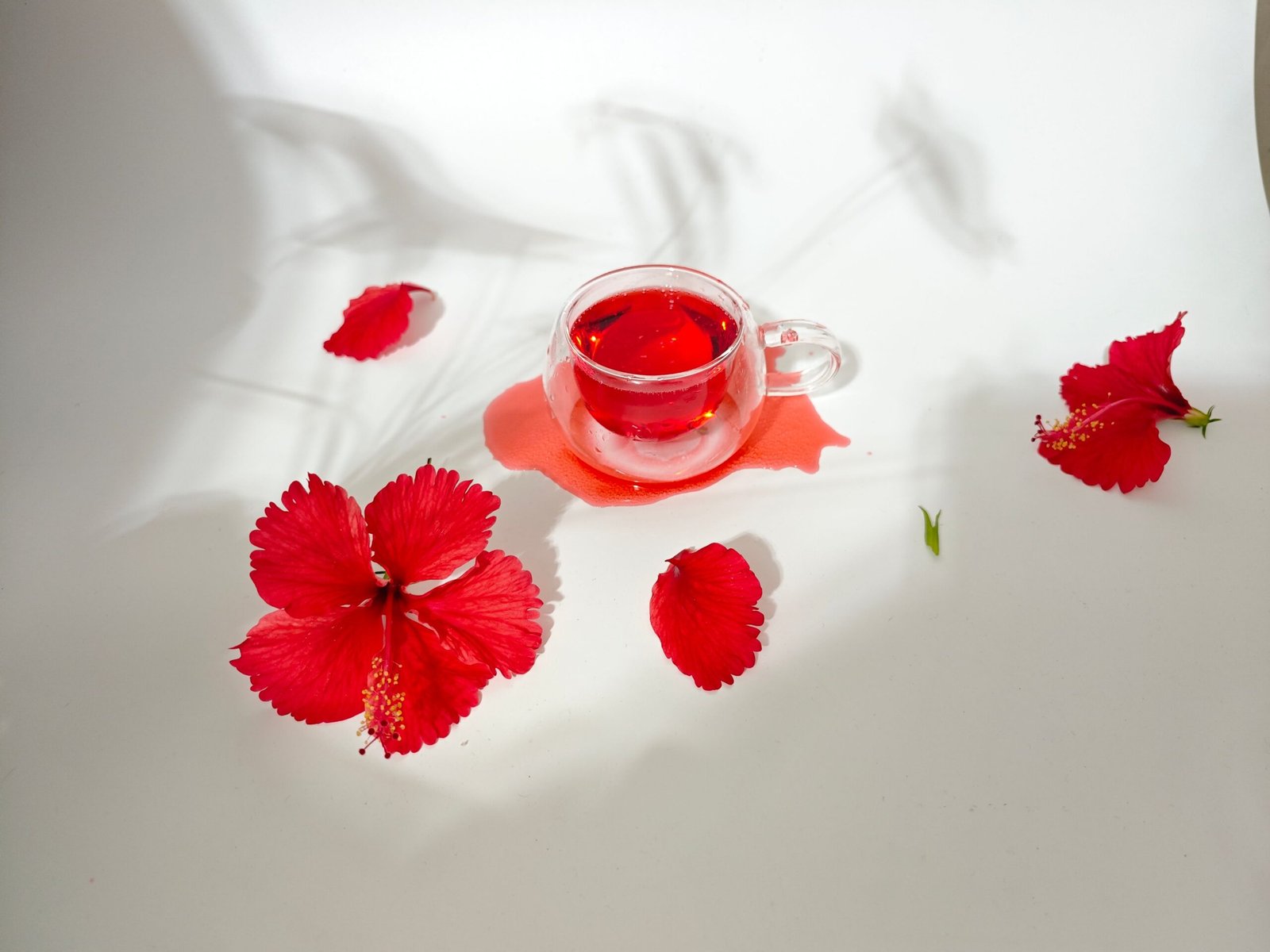
Hibiscus tea makes a better first impression than most drinks that get sold on their health benefits. It pours ruby red, tastes closer to unsweetened cranberry than to black tea, and still has plenty of flavor when the ice starts melting. But the most interesting thing I found while weighing the pros and cons of hibiscus tea was a split between what makes it a good everyday beverage and what makes it worth studying. You don’t need a clinical trial to tell you whether you enjoy the taste. You do need one before believing that a cup can reliably manage your blood pressure.
The blood pressure research is more interesting than I expected, particularly because one trial actually tested brewed tea rather than a capsule. But the benefit I’d put first is simpler. Plain hibiscus tea gives you a flavorful, caffeine-free drink that can replace a sweetened one. That advantage doesn’t depend on buying a particular brand, brewing an extra-strong cup, or sticking to a schedule. The health considerations become more important if you already have low blood pressure, take medication to lower it, or want to make hibiscus a daily habit during pregnancy or breastfeeding.
What Is Hibiscus Tea, Exactly?
The hibiscus sold for tea is usually roselle, or Hibiscus sabdariffa. Although packages often say “hibiscus flowers,” the familiar red drink is generally made from the dried calyces, the fleshy parts that surround the base of the flower. Steeping them releases red pigments called anthocyanins and organic acids that give the drink its distinctly sour taste. It’s an herbal infusion rather than tea made from the Camellia sinensis plant, which is where black and green tea come from. I look for food-grade roselle on the package rather than assuming any ornamental hibiscus can go in a teapot.
How the hibiscus is prepared changes what you’re drinking. A mug steeped from dried roselle is one thing. A deep-red bottled drink with cane sugar, a fruit blend where hibiscus is one of several herbs, and a concentrated hibiscus extract are three others. They can all trade on the same familiar ingredient, but they won’t necessarily give you the same taste, nutrition, or exposure to the plant’s compounds. That distinction comes up again in the research, where studies sometimes group several forms of hibiscus together even though most people shopping for it just want something to brew.
Plain hibiscus is naturally caffeine-free. Buying a blend takes one extra label check, because “hibiscus” on the front doesn’t guarantee there’s no green tea, black tea, or another caffeinated ingredient on the back. Likewise, “herbal” tells me much less about a bottled drink than the added-sugar line does. For a first cup, I’d start with the simplest version I could find. It’s easier to judge the tartness on its own, and I can always add another flavor after I know what the base tastes like.
The Pros of Drinking Hibiscus Tea
It can make cutting back on sweet drinks feel less like a compromise
There’s a difference between knowing you could drink water and wanting something with lunch that actually tastes like a drink you chose. Hibiscus fills that gap well. Its cranberry-like sharpness holds up over ice, and the red color makes it feel more like a prepared beverage than an afterthought. If I wanted to cut back on bottled iced tea, lemonade, or soda, I’d look at which one I buy out of habit and try hibiscus in that specific spot. Replacing one predictable drink is easier to judge than vaguely deciding to drink “healthier.”
The benefit comes from what the unsweetened tea replaces. If a glass takes the place of a sugary drink, you can lower the added sugar from that part of your day. If you stir several spoonfuls of sugar into the tea, the comparison changes. And if you’re already drinking water, there’s no need to replace it just to get hibiscus into your diet. I’d start by making the tea less concentrated rather than immediately reaching for a sweetener. Diluting a strong brew can take enough of the edge off to make it enjoyable on its own.
Brewed hibiscus tea has shown a meaningful blood pressure signal
The study that caught my attention was a randomized, double-blind trial published in The Journal of Nutrition. It included 65 adults with blood pressure in the range the researchers described as prehypertension or mild hypertension. None were taking blood pressure-lowering medication. Over six weeks, participants drank either three 240 mL servings of hibiscus tea a day or a placebo beverage. Systolic blood pressure, the top number, fell by an average of 7.2 mmHg in the hibiscus group and 1.3 mmHg in the placebo group. The difference in diastolic pressure, the bottom number, was not statistically significant.
I give that study more weight when discussing what’s in the mug because it tested a brewed drink. I also wouldn’t borrow its average result and attach it to an occasional cup. The researchers used a specific preparation, three daily servings, and a particular group of adults. The result tells us there was a measurable difference under those conditions. It doesn’t tell us what would happen after one cup with dinner, with an arbitrary supermarket blend, or in someone whose blood pressure is already controlled with medication.
A broader 2025 analysis of 26 randomized trials also found favorable blood pressure results across several hibiscus preparations. A Cochrane review looking more narrowly at roselle as a treatment for adults with hypertension found too little reliable evidence to determine whether it worked for that purpose. I don’t see those conclusions as interchangeable. One asks what happens across a range of trials and populations. The other asks whether there’s dependable evidence for treating people with hypertension. Promising research on a beverage is not the same as evidence that it can take the place of treatment.
It offers a caffeine-free option with a flavor of its own
I wouldn’t suggest hibiscus to someone who wants a convincing substitute for the taste of coffee. It scratches a different itch. Where coffee is roasted and bitter, hibiscus is fruity and sharp. That makes it useful when you want the ritual of brewing a drink in the afternoon or evening but don’t want another serving of caffeine. It also works cold, which gives it an advantage over some herbal teas whose flavor seems to disappear as soon as they hit ice. The point is to have another option, not to give up the tea or coffee you already enjoy.
Caffeine-free doesn’t mean sleep-promoting. The practical benefit is that single-ingredient hibiscus lets you make a flavorful drink without adding caffeine. That may be enough if your usual evening drink is a caffeinated iced tea. It won’t act as a sedative, and it doesn’t have to become part of a bedtime routine to be worthwhile. If you’re shopping specifically for a caffeine-free drink, I’d choose either pure roselle or a blend whose full ingredient list you’ve checked.
The red color comes from real plant compounds, but it isn’t a health score
Hibiscus gets much of its red color from anthocyanins, a group of pigments also found in foods such as berries. I find that interesting because the color tells you something about the ingredient itself. It isn’t just a decorative feature added to make an ordinary tea look more appealing. Where I draw the line is at translating “contains antioxidants” into a promise that the tea detoxes the body, prevents disease, or delivers the same benefit as eating a serving of fruit. Identifying a compound and demonstrating a meaningful health outcome in people are different steps.
This also changes how I’d shop for it. I wouldn’t pay more because a package uses the phrase “antioxidant-rich,” and I wouldn’t keep steeping until the tea turns almost black in the hope of getting a more effective drink. The amount of plant material, the preparation, and the rest of the ingredients all affect what ends up in the cup. Taste is a good reason to make the next batch stronger or weaker. Color alone isn’t a reliable way to estimate a dose.
The Cons of Drinking Hibiscus Tea
The possible blood pressure effect isn’t a plus for everyone
The same research that makes hibiscus appealing to someone with elevated blood pressure gives me a reason to be cautious about recommending it to everyone. If your blood pressure tends to run low, you regularly feel lightheaded, or you take medication to lower your readings, check with your clinician or pharmacist before making hibiscus a daily drink or using an extract. That’s not a claim that one ordinary cup will cause a problem. It’s a recognition that the brewed-tea trial excluded people taking blood pressure-lowering medication, so it doesn’t answer what happens when hibiscus is added to an existing treatment plan.
I’d also be wary of headlines suggesting that hibiscus performs as well as medication. A study that doesn’t find a statistically significant difference between two things hasn’t necessarily shown they’re equivalent. It might not be designed to answer that question in the first place. If you already have a diagnosis or take blood pressure medication, don’t adjust your dose based on a tea habit or one home reading. A beverage can be part of your routine without becoming your treatment plan.
The tartness can work against you
The sour flavor is part of the appeal, but it can be too much if you’re expecting a mild berry tea. A heavy scoop of loose roselle or a long steep can produce a drink that tastes closer to cranberry concentrate. Adding a lot of sugar is one way to make that cup more palatable, but it defeats the purpose if your main reason for buying hibiscus was to cut back on sweet drinks. I’d experiment with a lighter brew, more water, or a little ginger for flavor before deciding the tea needs to be sweet.
There’s a separate issue for anyone who knows acidic drinks aggravate their heartburn. Reflux triggers are individual, and I wouldn’t assume that taking caffeine out of the equation makes hibiscus a good fit. If a glass reliably makes symptoms worse, the blood pressure headlines aren’t a reason to keep drinking it. Another caffeine-free beverage that agrees with you is a better choice than trying to make yourself tolerate a tart tea you bought for its supposed health benefits.
There isn’t enough safety information for pregnancy or breastfeeding
Pregnancy and breastfeeding are two situations where I wouldn’t make a blanket recommendation based on hibiscus being a familiar food ingredient. The Egyptian Drug Authority’s herbal monograph notes that safety hasn’t been established for either group and does not recommend use in the absence of sufficient data. That is not the same as saying that an incidental cup has been proven harmful. It means we don’t know enough to confidently recommend regular use, particularly when the amount or concentration can vary so much between products.
If you’re pregnant or breastfeeding and considering hibiscus as a daily tea, I’d ask your maternity or primary care clinician first. That goes for a mixed herbal tea too, because the answer can depend on the other ingredients as well as the hibiscus. I’d bring the complete label rather than just the name from the front of the box. A product called “berry herbal tea” can be a blend of several botanicals, and its trade name might not tell a clinician enough to advise you.
Hibiscus tea isn’t a reliable shortcut for weight loss or blood sugar
A 2024 systematic review of six randomized trials found no clear benefit for body weight, body mass index, or waist circumference. Most of those trials tested capsules rather than brewed tea. That makes big claims about a cup of hibiscus even less convincing to me. There’s still a difference between using unsweetened tea to replace a higher-calorie drink and expecting hibiscus itself to cause weight loss. The first is a change you can see in what you consume. The second wasn’t demonstrated by the review.
There are also studies reporting favorable changes in fasting blood sugar or LDL cholesterol. I’d read those as findings worth investigating, not a reason to buy tea specifically to manage diabetes or high cholesterol. The studies used different preparations and enrolled people with different starting health profiles. They also measured markers such as fasting blood glucose or cholesterol rather than establishing that a particular tea bag prevents complications. If my main goal were to improve a lab result, I’d put my attention on a plan that can be tailored and monitored rather than on a beverage label.
How Hibiscus Drinks Compare at a Glance
This is the comparison I’d want in front of me at the store. The biggest differences come down to what shares the ingredient list with the hibiscus, how much control you have over the finished drink, and whether you’re buying a beverage or a concentrated supplement. A fancy bag of loose roselle won’t necessarily suit you better than a basic tea bag. Conversely, a beautiful bottle of hibiscus punch might not match what you meant to buy if your goal was an unsweetened drink.
| Format | What you get | Main trade-off | When I’d choose it |
|---|---|---|---|
| Plain hibiscus tea bags | A pre-portioned herbal infusion. A single-ingredient bag gives you the characteristic tartness with no added caffeine or sweetener. | The amount of hibiscus per bag is fixed, though you can still adjust the water and steeping time. | For one mug at a time, a cupboard at work, or a low-effort introduction to how plain hibiscus tastes. |
| Loose dried roselle | Dried pieces you measure yourself. It gives you the most control over the strength of an individual cup or pitcher. | You need a strainer or infuser, and a larger bag makes less sense if you rarely brew hibiscus. | For iced tea, homemade blends, or a household that wants to make several servings at a time. |
| Hibiscus herbal blend | Hibiscus alongside ingredients such as lemongrass, fruit, or other leaves. The finished flavor depends on the whole recipe. | The amount of hibiscus may be unclear, and any caffeinated ingredients or allergens need a separate label check. | If plain hibiscus tastes one-note or too sharp and a blend makes it enjoyable without extra sweetener. |
| Bottled hibiscus drink | A ready-to-drink product that might be unsweetened or made with juice and added sugar. | The front label may not distinguish a plain infusion from a sweetened punch. Check added sugar for the amount you’ll actually drink. | When convenience matters and the nutrition label matches the kind of drink I’m looking for. |
| Hibiscus extract or capsules | A supplement preparation, not the equivalent of a cup of herbal tea. | The dose and composition can differ considerably from brewed hibiscus, and the product is less useful as a beverage replacement. | I wouldn’t choose this for any of the everyday reasons I’d buy tea. I’d discuss supplement use with a clinician if there were a specific health goal. |
If you’re unsure where to start, I’d settle one question before comparing brands. Decide whether you want a brisk, sour drink in its own right or want hibiscus as one flavor in a blend. That choice will narrow the shelf faster than comparing wellness claims. The difference between a plain tea and a blend is obvious in the cup. The difference between two boxes promising “heart support” is much harder to establish.
Three Amazon Hibiscus Teas and How Each Can Help
I chose these three because each solves a different problem. One makes plain hibiscus easy to brew regularly, one gives you a more layered flavor without having to mix ingredients yourself, and one makes more sense if you’re brewing by the pitcher. I compared their formats and listed ingredients, not clinical outcomes. There’s no medical winner among these products, and choosing between them should come down to how you’ll actually make and drink the tea.
- FGO Organic Hibiscus Tea Bags, 100 Count — best for a simple switch. FGO lists organic hibiscus as the only ingredient. The bags take the measuring out of the process, which is useful if you’re trying to replace a particular drink, such as a sweet iced tea you usually buy with lunch. You can brew the hibiscus before work, chill it, and start with a little extra water if the flavor is too concentrated. The 100-count pack makes more sense if you already know you like plain hibiscus or are buying for more than one person. If it’s your first encounter with roselle, I’d look for a smaller pack before giving a big bag permanent shelf space.
- Traditional Medicinals Organic Hibiscus Tea — best if you prefer a blend. This one pairs hibiscus with blackberry leaf and West Indian lemongrass. I’d pick it for someone who wants a fruity herbal tea with a citrusy accent but doesn’t want to buy three separate ingredients. The practical benefit is that you might enjoy it without adding much, if any, sweetener. Don’t mistake blackberry leaf for blackberry fruit. It’s part of the herbal blend, not a promise of a sweet blackberry flavor. And because this isn’t straight roselle, I wouldn’t pick it for a recipe where the main goal is a concentrated, one-ingredient hibiscus base.
- Frontier Co-op Organic Hibiscus Flowers, Cut & Sifted, 1 lb. — best for pitchers and homemade blends. This loose option lets you change how much you brew without opening several bags or guessing how much hibiscus is in a mixed tea. I’d choose it if you want to make an unsweetened pitcher for the fridge, brew a milder batch for guests, or combine small amounts with ginger or other ingredients you already have. A fine-mesh strainer is helpful because the pieces are cut. Check the allergen warning if peanut exposure is a concern. The supplier notes this product may contain peanuts or shell fragments, which makes the warning more important than any advantage the bulk format offers.
How I’d Brew Hibiscus Tea Without Overdoing the Tartness
For the first mug, I’d follow the package instructions but taste the tea at the shorter end of the recommended steep. I’d remove the bag or strain the loose hibiscus as soon as the flavor is where I want it. If it’s too sharp, I’d add a splash of water and taste it again before adding sweetener. For the next cup, I’d change just one thing, either the amount of hibiscus or the steeping time. If you change both in opposite directions, it’s harder to figure out what made the tea better.
For iced tea, I’d brew a small pitcher first instead of committing to a week’s supply. Make it a little stronger than you’d drink hot if you plan to pour it straight over a full glass of ice, or chill it first if you want to judge the final strength without the ice melting into it. If you want more flavor without more sourness, try ginger before squeezing in a lemon. If you want less tartness, dilution will get you there more directly. I’d leave the main batch unsweetened so different people can adjust their own glasses.
The one preparation decision I wouldn’t make based on research headlines is how many cups to drink. The servings in a trial are part of the experiment, not a universal starting point or daily target. Someone who wants a caffeine-free drink has no reason to copy a six-week study schedule. And if your aim is specifically to change your blood pressure, that’s a different decision from deciding what goes in the fridge. I’d talk to a clinician about the first and let taste guide the second.
My Verdict on Hibiscus Tea
After looking at the pros and cons of hibiscus tea, I’d buy it for the flavor and the flexibility before I’d buy it for a health claim. It’s a good fit if you like sour flavors, want another caffeine-free option, or want something to put over ice that isn’t already sweetened. Plain bags make the most sense for a mug at a time. A blend is an easy choice if you prefer a gentler flavor, while loose roselle earns its shelf space if you know you’ll brew pitchers or mix your own ingredients.
The research on systolic blood pressure makes hibiscus more interesting than the average herbal tea, but it doesn’t change my buying advice. You don’t need the strongest drink you can brew, an extract, or a label that promises heart benefits. If you already take blood pressure medication, have low readings, or are pregnant or breastfeeding, check before making it a regular habit. Otherwise, the most useful question is whether you’d happily pour yourself another glass without adding back the sugar you were trying to cut. If you would, it has already done something practical for your routine.
References
- McKay DL, Chen C-YO, Saltzman E, and Blumberg JB. Hibiscus sabdariffa L. tea (tisane) lowers blood pressure in prehypertensive and mildly hypertensive adults. This 2010 randomized, placebo-controlled trial in The Journal of Nutrition directly tested brewed hibiscus tea and reported results for systolic and diastolic blood pressure separately.
https://pubmed.ncbi.nlm.nih.gov/20018807/ - Norouzzadeh M and colleagues. Efficacy and safety of Hibiscus sabdariffa in cardiometabolic health: An overview of reviews and updated dose-response meta-analysis. This 2025 analysis in Complementary Therapies in Medicine examined blood pressure, cholesterol, fasting blood glucose, and safety across different hibiscus preparations.
https://pubmed.ncbi.nlm.nih.gov/39870328/ - Cochrane. Roselle for hypertension in adults. This systematic review evaluated the narrower question of roselle for people with hypertension. It explains why the available evidence wasn’t sufficient to determine whether roselle can control or lower blood pressure in that setting.
https://pubmed.ncbi.nlm.nih.gov/34837382/ - Dilokthornsakul P and colleagues. Clinical effects of Hibiscus sabdariffa Linn. on obesity treatment: A systematic review and meta-analysis of randomized controlled trials. This 2024 review found no clear benefit for body weight, body mass index, or waist circumference across six trials.
https://pubmed.ncbi.nlm.nih.gov/38878905/ - Egyptian Drug Authority. Egyptian Herbal Monograph on Hibiscus sabdariffa L. This regulatory monograph summarizes medicinal-use research and addresses the lack of established safety during pregnancy and breastfeeding.
https://www.edaegypt.gov.eg/media/hzynjgnk/hibiscus-sabdariffa-l-%D9%83%D8%B1%D9%83%D8%AF%D9%8A%D9%87.pdf
Disclaimer
This article is for general education and does not provide medical advice, diagnosis, or treatment. Don’t use hibiscus tea or extracts to replace prescribed medication or delay care for high blood pressure or another condition. If you take medication, have low blood pressure, are pregnant or breastfeeding, or are considering a concentrated hibiscus supplement, ask a qualified healthcare professional whether it’s appropriate for you. The product selections compare labels and brewing formats and do not reflect personal product testing or evidence that one brand produces better health outcomes than another.