
There was a time when I could move through a demanding day without thinking twice about my memory or mental sharpness. I could remember names, organize several tasks at once, jump between different responsibilities, and still feel mentally present by the end of the day. Over time, however, I began noticing subtle changes that were difficult to ignore. I was not suddenly forgetting everything, and I certainly did not feel incapable of handling my daily responsibilities, but my mind no longer felt as consistently sharp and dependable as it once had.
The changes appeared gradually. I would walk into a room and briefly forget what I had gone there to do. I sometimes needed more time to recall a name or a specific word during a conversation. On mentally demanding days, I noticed that my concentration faded more quickly than it used to. Even when I had slept reasonably well, there were moments when my thoughts felt slower and less organized than I wanted them to be.
I know many people can relate to this experience. Not every memory lapse means that something serious is happening, and everyday factors such as stress, poor sleep, nutritional deficiencies, aging, medications, and an overloaded schedule can all influence how mentally sharp we feel. Still, when these small frustrations begin occurring regularly, it is natural to start looking for ways to support cognitive health.
That was how I eventually became interested in Cerefolin. What caught my attention was that it was not presented as a typical high-stimulant nootropic designed to create a temporary feeling of energy. Instead, the formula was centered on nutrients associated with methylation, homocysteine metabolism, antioxidant protection, and neurological support. On paper, the approach sounded more targeted and medically oriented than many of the general brain supplements I had previously researched.
I decided to give Cerefolin a fair opportunity rather than judging it after only a few days. My expectations were realistic. I was not expecting an overnight transformation or some dramatic “limitless” effect. I simply wanted to see whether consistent use would help me feel clearer, more mentally organized, and less frustrated by the occasional memory and concentration problems I had been experiencing.
My experience was ultimately mixed. I did notice some modest improvements, particularly in the sense that my mental performance occasionally felt more stable. However, the overall results were not as noticeable or comprehensive as I had hoped. The product did not feel useless to me, but I reached a point where I wanted a broader cognitive support formula that addressed more than the pathways emphasized by Cerefolin.
That search eventually led me toward Brain C-13, which became my preferred alternative. I will explain that comparison in detail later because I believe the differences between the two approaches are important. Cerefolin may still appeal to certain people, especially those whose healthcare professionals believe its specific nutritional approach is appropriate for them, but my personal goals eventually extended beyond what I felt I was getting from it.
This is my detailed review of what I discovered about Cerefolin — the real customer results, complaints, if it works or not, ingredients, and whether it is a scam or legit.
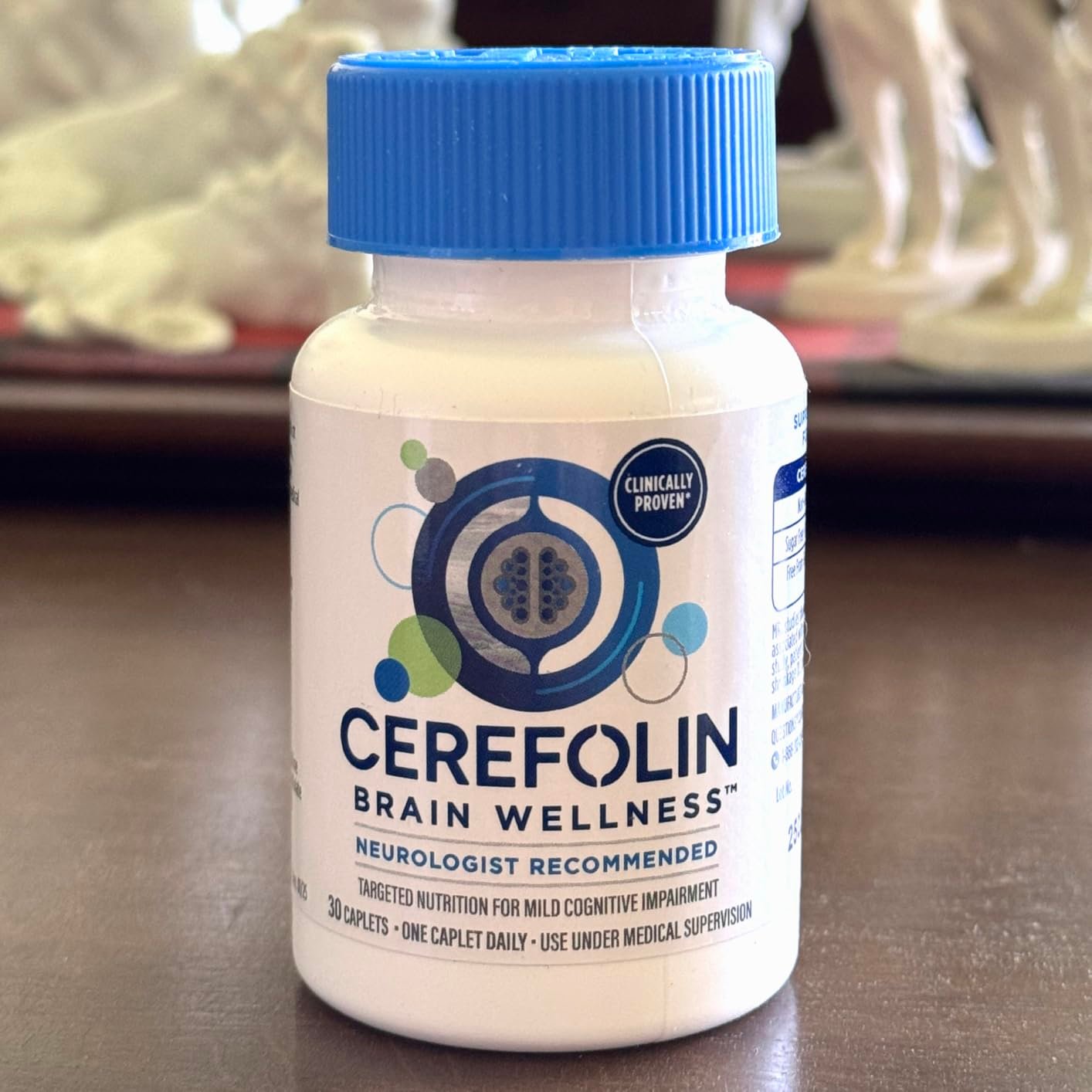
What Is Cerefolin?
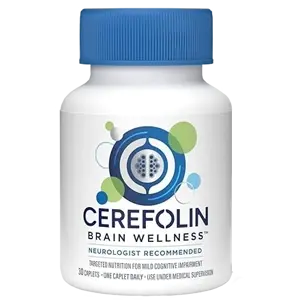
Cerefolin is a specialized brain wellness formula designed around nutritional support for biological processes associated with cognitive health. Rather than relying on caffeine, aggressive stimulants, or a long list of trendy nootropic compounds, its approach is comparatively focused. The formula is intended to support processes including methylation, homocysteine metabolism, antioxidant protection, and nutrient availability that may be relevant to neurological function.
One of the primary concepts behind Cerefolin is homocysteine regulation. Homocysteine is a naturally occurring amino acid produced during normal metabolic processes. The body normally manages it through biochemical pathways that depend on certain nutrients, particularly active forms of B vitamins. When homocysteine metabolism is impaired or levels become elevated, it may be associated with vascular and neurological concerns, although the significance of an individual’s homocysteine level should always be interpreted by a qualified healthcare professional.
Cerefolin also includes antioxidant-oriented support through N-acetylcysteine, commonly known as NAC. NAC is a precursor used by the body in the production of glutathione, an important endogenous antioxidant. This gives the formula a second major area of focus: helping the body maintain defenses against oxidative stress.
What I found interesting about Cerefolin was its relatively straightforward philosophy. It does not attempt to stimulate the brain into feeling temporarily faster. Instead, it is intended to provide specific nutrients involved in underlying biological pathways.
At the same time, this narrower approach was also one of the reasons my experience eventually felt limited. My personal cognitive concerns involved more than one area. I wanted support for memory, concentration, mental stamina, stress-related cognitive fatigue, and long-term neurological wellness. Cerefolin’s focused formulation may be appropriate for certain individuals, but I personally began looking for something that approached cognitive support from more directions.
Another important point is that people should not treat Cerefolin as a substitute for a proper medical evaluation. Changes in memory, confusion, concentration, or cognitive function can have many possible causes, ranging from sleep problems and stress to nutritional deficiencies, medication effects, metabolic conditions, and neurological disorders. A supplement or medical food should never be used to delay professional evaluation of persistent or worsening symptoms.
Overall, I see Cerefolin as a specialized nutritional approach rather than an all-purpose nootropic. That distinction helped me understand both what I appreciated about it and why I eventually wanted a more comprehensive alternative.
How Does Cerefolin Work?
Cerefolin is formulated around two major biological concepts that are frequently discussed in relation to cognitive and neurological health: supporting healthy homocysteine metabolism and strengthening antioxidant defenses against oxidative stress.
The first mechanism involves methylation. Methylation is a fundamental biochemical process that takes place throughout the body and influences numerous functions, including neurotransmitter metabolism, DNA-related processes, and the conversion of homocysteine into other useful compounds. Active forms of folate and vitamin B12 participate in these pathways.
Cerefolin includes L-methylfolate, an active form of folate, together with methylcobalamin, an active form of vitamin B12. The idea is to provide these nutrients in forms that can participate in relevant metabolic pathways without first requiring the same conversion steps as some conventional vitamin forms.
Supporting proper methylation may help the body process homocysteine more efficiently. This is one of the major reasons the formula attracted my attention. Rather than simply promising vague “brain power,” it is built around a recognizable nutritional pathway.
The second major mechanism involves oxidative stress. The brain has substantial metabolic demands and is vulnerable to oxidative damage. Oxidative stress occurs when there is an imbalance between reactive molecules and the body’s ability to neutralize them effectively.
N-acetylcysteine contributes to this part of the formula because it provides cysteine that the body can use in the synthesis of glutathione. Glutathione is one of the body’s major internal antioxidant compounds, helping protect cells against oxidative damage.
In theory, the combination creates a two-part approach. The active B-vitamin forms support methylation and homocysteine metabolism, while NAC contributes to antioxidant defense.
From my perspective, this approach makes biological sense as a focused nutritional strategy. However, a reasonable mechanism does not guarantee that every person will notice a dramatic subjective improvement. Cognitive performance is influenced by many factors, including age, sleep quality, nutritional status, stress, physical activity, medications, underlying health conditions, and the actual reason a person is experiencing cognitive difficulties.
That variability matched my own experience. I felt that Cerefolin may have been supporting certain underlying processes, but the day-to-day improvement in memory, focus, and mental stamina was more subtle than I had expected.
This became an important lesson for me. Supporting a biological pathway and experiencing a strong noticeable cognitive effect are not necessarily the same thing. Some people may value the targeted nature of Cerefolin, particularly when its use is connected to a specific nutritional or clinical need. Others, like me, may eventually decide that they want a broader formula addressing additional pathways involved in cognitive performance.
Ingredients In Cerefolin
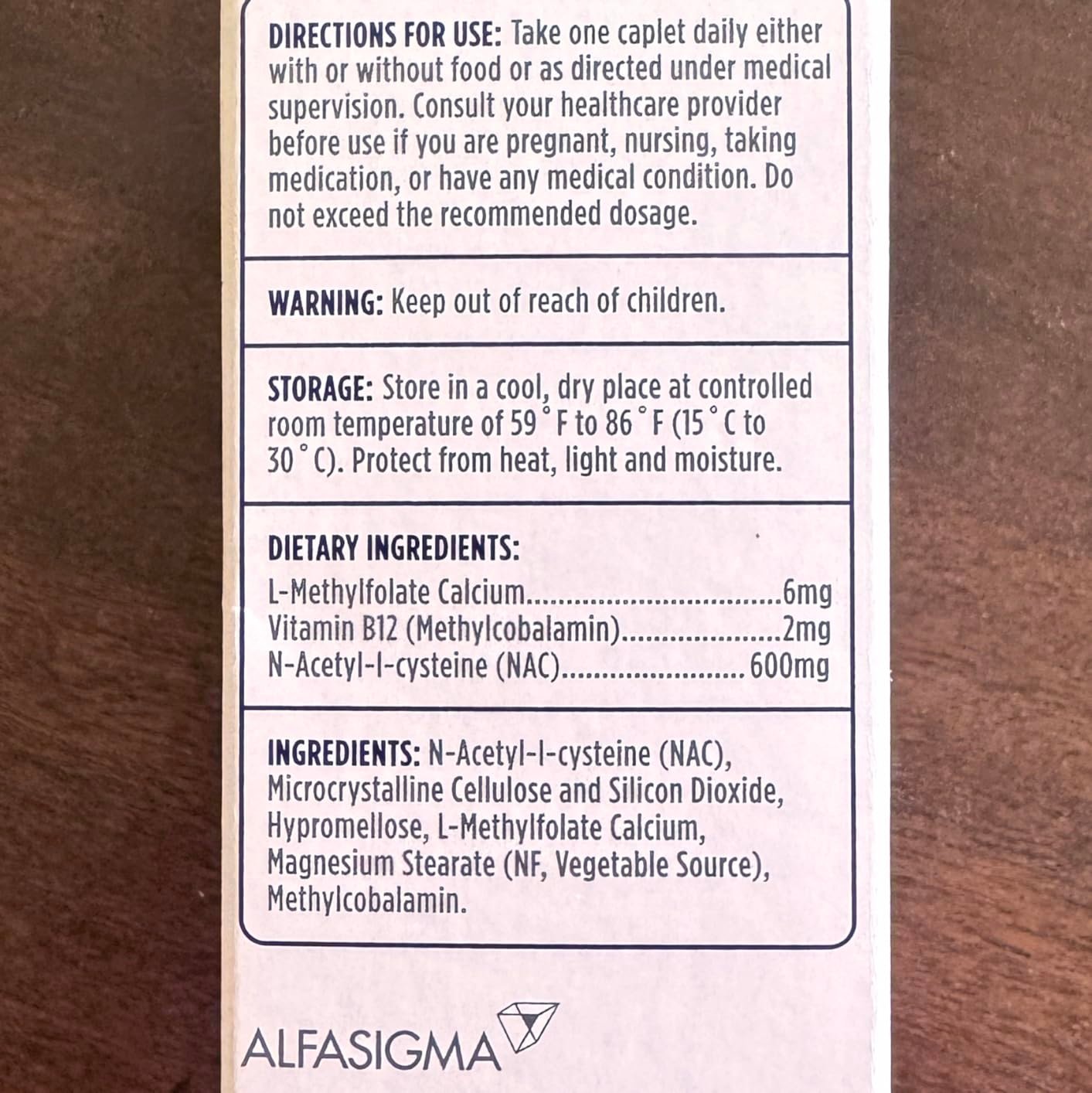
Ingredient safety was one of the first things I considered before using any cognitive support product. Even familiar vitamins and nutritional compounds can interact with medications, existing health conditions, or other supplements, and a higher dose is not automatically better. Anyone considering Cerefolin should review the complete label and discuss its suitability with a qualified healthcare professional, particularly when managing a diagnosed condition or taking prescription medication.
🌿 L-Methylfolate
L-methylfolate is the biologically active form of folate and represents one of the central components of Cerefolin’s approach. Unlike standard folic acid, L-methylfolate is already in a form that can participate more directly in folate-dependent biochemical processes.
Its primary relevance to the formula involves methylation and homocysteine metabolism. Folate participates in biochemical pathways that help convert homocysteine and support the production and regulation of compounds used throughout the nervous system.
I considered this one of the more interesting ingredients in Cerefolin because it gives the product a specific metabolic purpose rather than simply acting as a generic multivitamin ingredient. However, responses can differ considerably depending on a person’s nutritional status and individual health circumstances.
🌿 N-Acetylcysteine
N-acetylcysteine, commonly shortened to NAC, is a compound that serves as a precursor to cysteine and ultimately supports the body’s production of glutathione.
The importance of NAC in Cerefolin is primarily connected to antioxidant defense. Because oxidative stress can affect cells throughout the body, including neural tissue, supporting glutathione production is one strategy used to strengthen the body’s natural protective systems.
I liked the inclusion of NAC because it expands Cerefolin beyond B-vitamin support alone. Instead of focusing exclusively on methylation, the formula also addresses oxidative balance. Nevertheless, antioxidant support is generally not something I personally “felt” immediately, which may partly explain why my overall experience seemed subtle.
🌿 Methylcobalamin
Methylcobalamin is an active form of vitamin B12. Vitamin B12 plays important roles in neurological function, red blood cell production, and various metabolic processes.
Within Cerefolin, methylcobalamin complements L-methylfolate by supporting interconnected methylation pathways. Adequate B12 status is important because folate and vitamin B12 function together in several metabolic reactions.
For individuals who have a genuine B12-related nutritional problem, correcting that issue can be important. However, people should avoid assuming that every cognitive complaint automatically comes from a B12 deficiency. Testing and professional evaluation can help determine whether a deficiency is actually present.
🌿 Magnesium Stearate
Magnesium stearate is commonly used during supplement and tablet manufacturing. It primarily serves a manufacturing function rather than acting as the central brain-support ingredient in the formula.
It can help prevent ingredients from sticking to manufacturing equipment and may support consistent production. I do not consider magnesium stearate a major selling point or a major drawback when used appropriately in a properly manufactured product.
🌿 Microcrystalline Cellulose
Microcrystalline cellulose is another common inactive ingredient used in tablet production. It is often included as a bulking, binding, or structural agent that helps a tablet maintain the desired size and consistency.
Its purpose is primarily functional rather than therapeutic. In other words, I would not expect microcrystalline cellulose itself to provide the cognitive benefits associated with Cerefolin.
🌿 Magnesium Stearate
Magnesium stearate appears again in the provided ingredient information. As mentioned above, it is generally used as a manufacturing aid to improve production consistency and prevent ingredients from adhering to machinery.
The important distinction for me is that the core functional ingredients in Cerefolin are L-methylfolate, N-acetylcysteine, and methylcobalamin, while ingredients such as magnesium stearate and microcrystalline cellulose mainly support the physical manufacturing of the tablet.
Why Did I Buy Cerefolin?
I bought Cerefolin because I wanted something that felt more purposeful than a generic brain supplement. At the time, I was becoming increasingly frustrated by occasional forgetfulness, slower recall, and periods when sustained concentration required more effort than I thought it should.
What appealed to me was the relatively focused explanation behind the formula. I had seen countless cognitive supplements making enormous promises about instant focus and photographic memory, often while relying heavily on stimulants. Cerefolin appeared to take a different approach by supporting methylation, homocysteine metabolism, and antioxidant defenses.
I also liked the idea that the formula was not simply trying to create a temporary burst of mental energy. My goal was not to feel artificially stimulated for several hours. I wanted to support my brain in a way that could potentially contribute to more consistent cognitive function over time.
At the same time, I tried to remain realistic. I knew that memory and concentration are complicated and that no single tablet could correct every possible cause of cognitive difficulty. I decided that the fairest approach was to use Cerefolin consistently, pay attention to how I felt, and judge the product based on my overall experience rather than expecting a dramatic transformation.
In the end, I am glad I gave it a fair opportunity because it helped me understand what I personally wanted from a cognitive support formula. I experienced enough subtle benefit to feel that the product was not pointless for me, but not enough to make it my preferred long-term solution.
My Experience After Using Cerefolin
I tried to evaluate Cerefolin patiently because nutritional formulas that work through underlying metabolic pathways are not necessarily designed to produce an immediate sensation. I paid attention to my concentration, memory recall, mental fatigue, and overall ability to stay mentally organized during demanding days.
My experience can best be summarized in the following areas:
- The first stage was subtle rather than dramatic. I did not take my first tablet and suddenly feel more focused or mentally energized. During the early period, I honestly questioned whether I was noticing anything at all. This was not necessarily surprising because Cerefolin is not positioned as a conventional stimulant, but it did require patience.
- I eventually noticed a small improvement in mental steadiness. The effect was difficult to describe as a dramatic increase in intelligence or memory. It was more that some days seemed slightly smoother mentally. I occasionally felt less scattered when moving between tasks and somewhat more capable of maintaining a consistent train of thought.
- My memory improvement was less noticeable than I had hoped. This was one of my biggest disappointments. I wanted to experience a clearer difference in word recall, remembering small details, and holding information in mind during mentally demanding tasks. Although I occasionally felt a little sharper, the change was not consistent enough for me to call it a major transformation.
- I did not experience a strong boost in focus or motivation. Cerefolin did not give me the kind of immediate concentration effect that some stimulant-based products can produce. In one sense, I appreciated that because I did not want to feel jittery. However, I still wanted more noticeable support for sustained attention and mental stamina.
- The benefits seemed more supportive than performance-enhancing. This was perhaps the most important realization I had. Cerefolin felt like a targeted nutritional support product rather than a comprehensive cognitive performance formula. For some people, that may be exactly what they are looking for. For my goals, however, I wanted a wider approach.
- I ultimately felt that something was missing. I was interested in support for memory, neurotransmitter activity, stress resilience, cerebral circulation, mental energy, and long-term cognitive protection. Cerefolin’s focused ingredient profile did not address all of those areas as directly as I wanted.
My final impression was therefore balanced. Cerefolin appeared to help me a little, but the improvement was not strong enough for me personally to consider it my ideal cognitive support solution. I did not view that as proof that the formula was ineffective for everyone. It simply meant that my individual goals and expectations eventually led me toward a more comprehensive alternative.
Pros and Cons of Cerefolin
| Pros | Cons |
|---|---|
| 1. Focused biological approach: I appreciated that Cerefolin is built around specific areas such as methylation, homocysteine metabolism, and antioxidant support rather than vague claims about instant brain power. | 1. The results felt too subtle for me: My biggest issue was that the cognitive changes I noticed were modest. I experienced some support, but not the level of improvement in memory and concentration that I had hoped to achieve. |
| 2. Includes active forms of important B vitamins: L-methylfolate and methylcobalamin are active nutrient forms involved in metabolic pathways relevant to neurological function. This gives the formula a more targeted nutritional profile. | 2. It is not a broad-spectrum nootropic formula: Cerefolin contains a relatively focused group of functional ingredients. People looking for support across memory, focus, stress adaptation, cerebral circulation, and multiple neurotransmitter pathways may want a more comprehensive formula. |
| 3. Includes antioxidant-oriented support through NAC: N-acetylcysteine provides an additional mechanism by supporting the body’s production of glutathione, which is important for natural antioxidant defense. | 3. It may not create an obvious day-to-day effect: Because the formula is not designed around strong stimulants, some users may find it difficult to determine whether they are experiencing noticeable changes, particularly if they expect an immediate boost in concentration. |
| 4. Individual results can vary considerably: The usefulness of a targeted nutritional formula can depend heavily on a person’s nutritional status, health conditions, medications, and the underlying cause of cognitive complaints. | |
| 5. It should not replace medical evaluation: Persistent or worsening memory problems deserve professional attention. Relying only on a nutritional product could delay identification of another underlying issue if someone assumes that every cognitive complaint has the same cause. | |
| 6. It did not fully match my personal goals: I wanted more comprehensive support for memory, mental stamina, stress-related cognitive fatigue, neurotransmitter activity, and long-term brain health. Cerefolin’s narrower approach ultimately left me looking for something broader. |
Side Effects That I Got
My personal experience with tolerability was relatively manageable. I did not experience anything that I would describe as a severe reaction, but I did notice some mild digestive discomfort early in my experience.
The main issue for me was occasional stomach uneasiness, particularly when I was not careful about how I incorporated the tablet into my routine. The discomfort was not intense, but it was noticeable enough that I paid attention to it.
I also had a few occasions when I experienced a mild headache. It was difficult to determine with certainty whether Cerefolin was responsible because headaches can be influenced by hydration, stress, sleep, screen exposure, caffeine intake, and many other factors. I therefore would not automatically attribute every symptom I experienced to the product.
This is an important point because personal tolerability can vary. The fact that my experience was relatively mild does not mean everyone will respond the same way.
Anyone experiencing a persistent, severe, or unusual reaction should seek appropriate medical guidance. People taking prescription medications or managing medical conditions should discuss the complete ingredient profile with a qualified healthcare professional before use rather than assuming that a nutritional product is automatically suitable for everyone.
How To Use Cerefolin
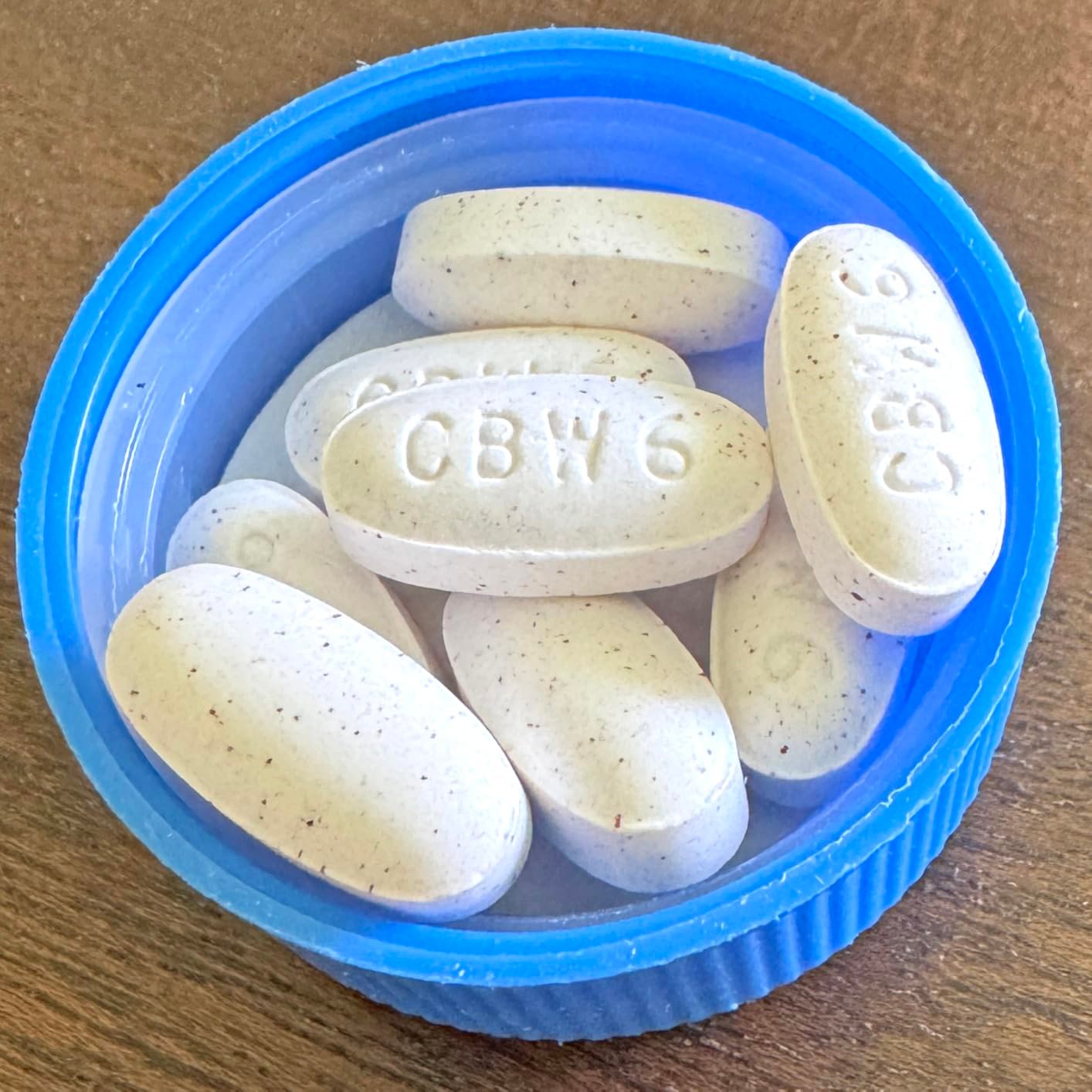
The usage information provided for this review is one tablet daily.
I personally found that consistency was more sensible than taking it irregularly and then trying to judge the results. A nutritional product designed to support underlying metabolic pathways should generally be evaluated according to its intended instructions rather than used sporadically.
However, the instructions provided by a healthcare professional and the current product labeling should always take priority. People should not increase the amount simply because they want faster or stronger results.
Taking additional tablets does not guarantee greater cognitive benefit and may increase the likelihood of unwanted effects. This is especially relevant when a formula contains biologically active nutrients that participate in important metabolic pathways.
For me, creating a simple routine around one tablet per day made adherence straightforward. I also tried to evaluate the product alongside the fundamentals of cognitive health, including adequate sleep, regular physical activity, a balanced diet, hydration, and stress management.
Is Cerefolin a Scam?
Based on the nature of the formula and my experience, I would not personally describe Cerefolin as a scam.
The product is built around identifiable ingredients with recognized biological roles. L-methylfolate and methylcobalamin participate in methylation-related pathways, while N-acetylcysteine is associated with glutathione production and antioxidant defense.
That does not mean the product will produce dramatic results for every person. A legitimate product can still deliver results that are modest, highly individual, or disappointing for a particular user. That distinction is extremely important.
My experience falls into that middle category. I did not feel that Cerefolin was worthless, fraudulent, or completely ineffective. I noticed some subtle support. However, I also did not experience the comprehensive improvement in memory, focus, and mental stamina that I had hoped for.
I believe consumers should be cautious whenever any cognitive product is presented as a guaranteed solution to memory problems or cognitive decline. No responsible review should promise that a supplement will prevent, cure, or reverse a neurological disease.
My conclusion is therefore straightforward: Cerefolin does not strike me as a scam, but it was not the best match for my personal cognitive goals. That experience was ultimately what led me to search for a broader alternative.
My #1 Alternative To Cerefolin: Brain C-13
After spending time evaluating Cerefolin, I reached a point where I had to be honest about what I wanted. I appreciated the focused nature of Cerefolin, and I understood the logic behind supporting methylation, homocysteine metabolism, and antioxidant defense. However, my personal cognitive concerns felt broader than the pathways Cerefolin emphasized.
I wanted a formula designed to approach cognitive performance from several directions at once. Memory was important to me, but so were concentration, mental stamina, stress resilience, motivation, cerebral circulation, neurotransmitter activity, and long-term support for healthy brain aging.
This was what eventually drew my attention to Brain C-13.
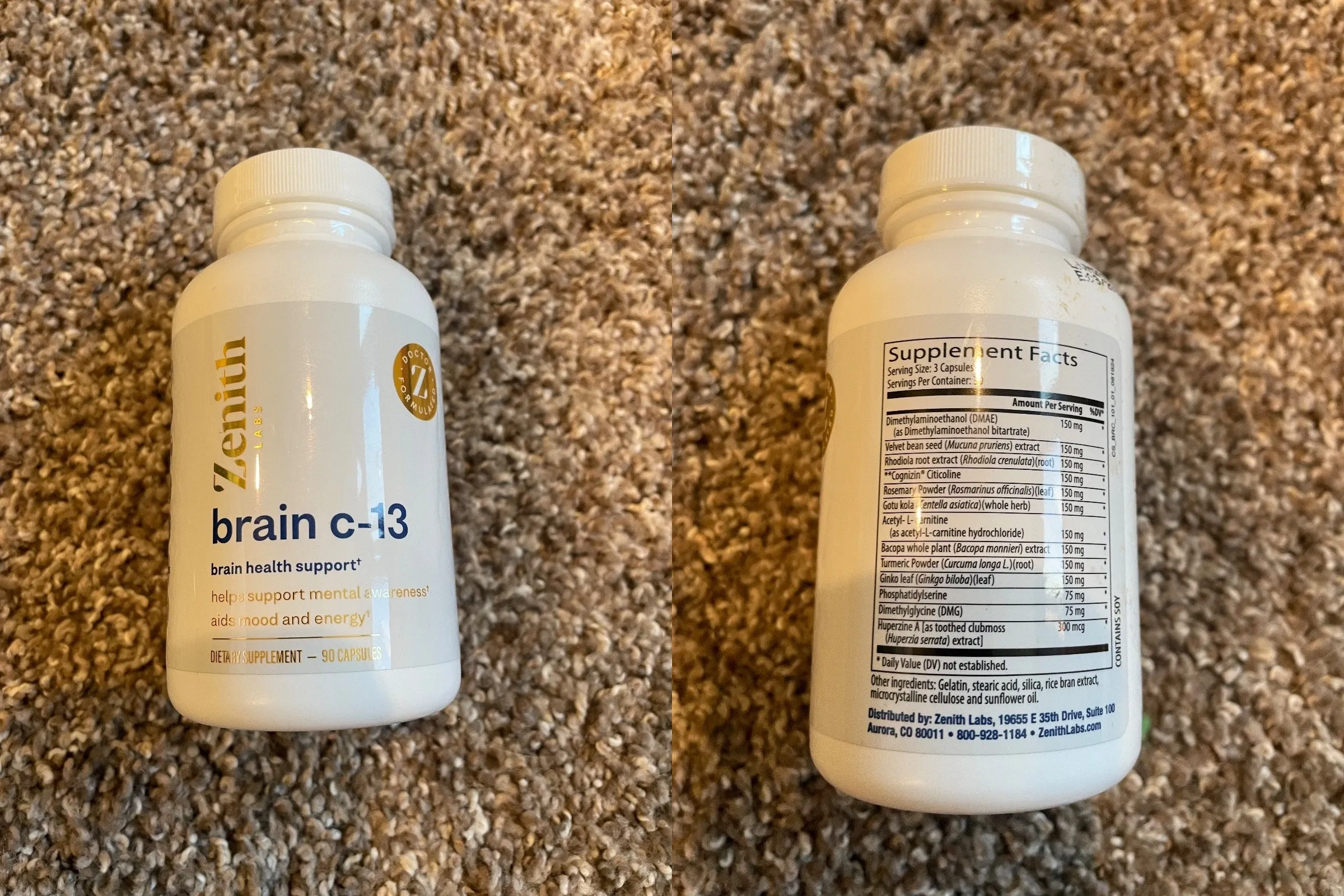
What immediately separated Brain C-13 from Cerefolin in my mind was the breadth of its formulation. Cerefolin has a comparatively narrow and targeted nutritional strategy. Brain C-13, on the other hand, combines numerous herbs, nutrients, amino-acid-related compounds, adaptogens, and cognitive-support ingredients.
That broader approach was ultimately better aligned with what I wanted from a daily cognitive supplement.
I also preferred the idea of using a formula that did not rely on one single mechanism. Cognitive performance is extremely complex. Memory depends on more than one nutrient. Concentration is influenced by more than one neurotransmitter. Mental fatigue can be influenced by stress, circulation, sleep, energy metabolism, emotional state, and numerous lifestyle factors.
For that reason, I became more interested in a formula designed to support several interconnected areas rather than concentrating mainly on methylation and antioxidant activity.
I want to be clear that this does not automatically make Brain C-13 the right choice for every person. My recommendation is based on the type of broad cognitive support I personally preferred. Someone with a specific medically identified need may receive completely different guidance from a qualified healthcare professional.
For my own goals, however, Brain C-13 became my preferred option because its formula felt more comprehensive and its intended benefits aligned more closely with the improvements I wanted to pursue over several months.
What Is Brain C-13?
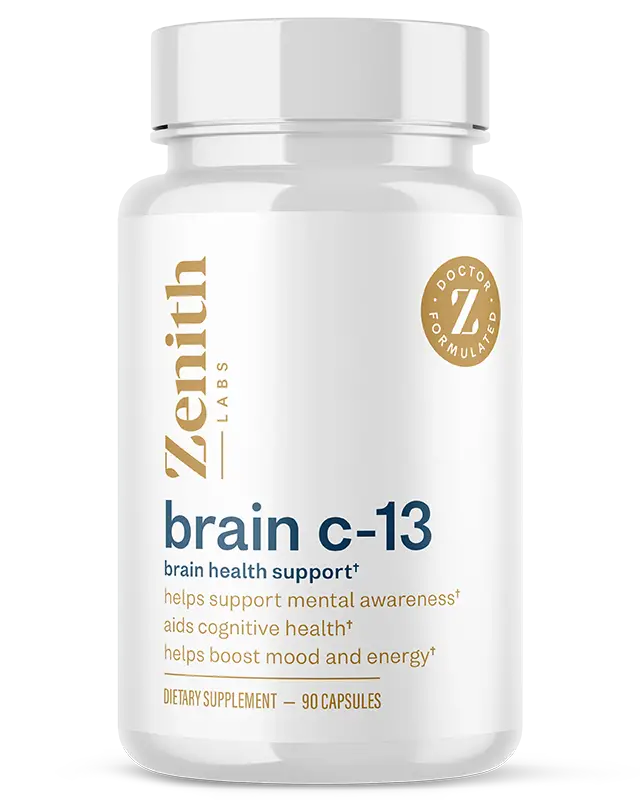
Brain C-13 is a doctor-formulated cognitive support supplement designed to support areas including mental clarity, memory recall, concentration, mood balance, and long-term brain health.
Rather than depending on a single ingredient or concentrating on only one biological pathway, Brain C-13 combines a broad range of natural compounds, plant extracts, and cognitive-support nutrients.
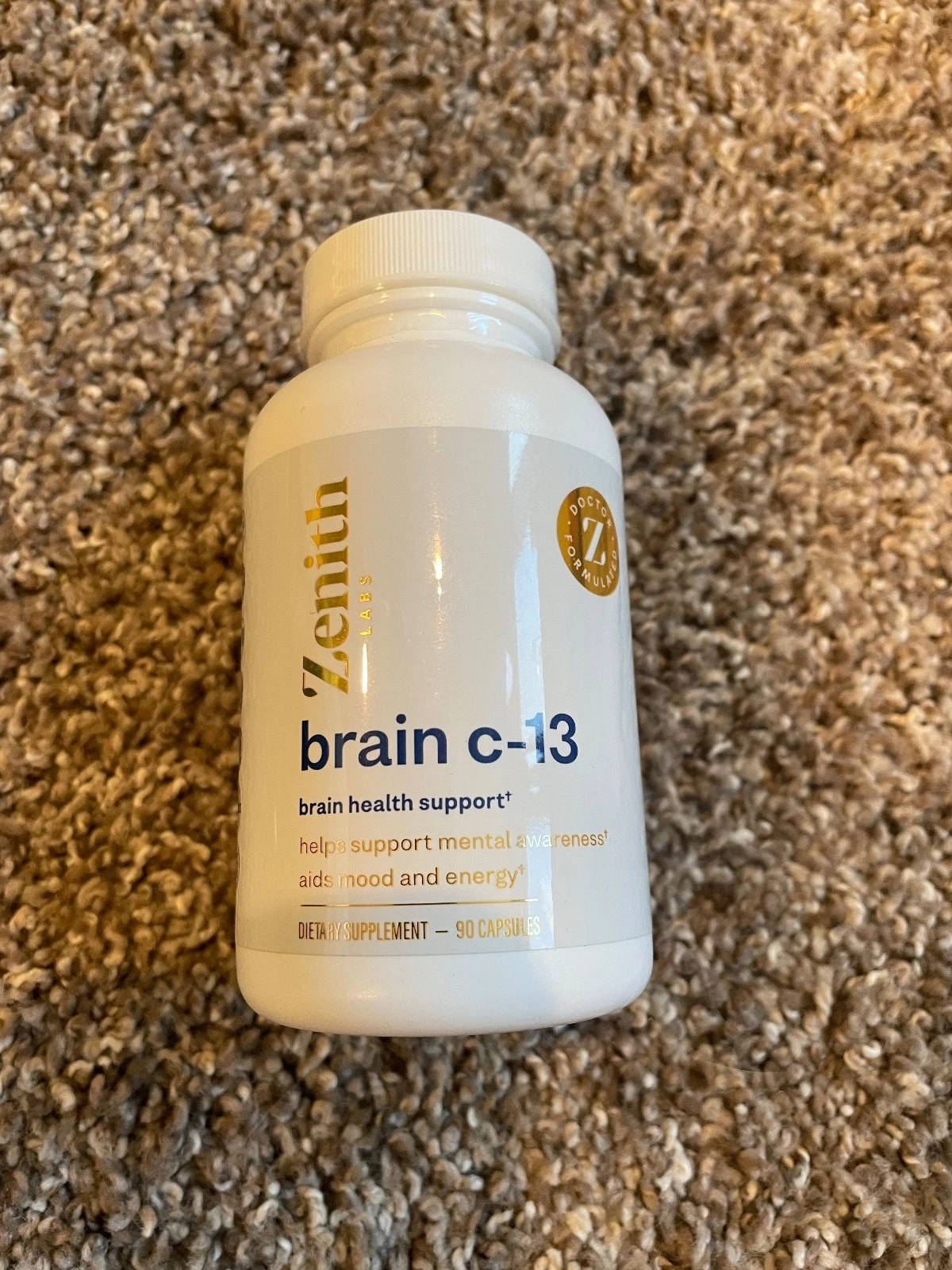
The formula is positioned as a holistic approach to brain optimization. Instead of relying primarily on harsh stimulants for a temporary feeling of productivity, it is intended to support several systems associated with cognitive performance.
The concept behind Brain C-13 is associated with supporting neurological pathways involved in brain chemistry and cognitive resilience. Its promotional concept references research interest surrounding features observed in Albert Einstein’s brain and the idea associated with “C-13.” However, I believe it is important to judge any supplement primarily by its actual ingredients and realistic intended use rather than interpreting an interesting marketing story as proof of extraordinary results.
What interested me most was the actual breadth of the formula.
Brain C-13 is designed for adults who may feel that stress, aging, demanding schedules, mental fatigue, or other lifestyle factors have affected how consistently sharp they feel. Its formulation aims to support memory, neurotransmitter activity, cerebral circulation, neural communication, stress adaptation, and antioxidant protection through multiple complementary ingredients.
The product comes in capsule form and is designed to fit into a daily routine. I saw that as a practical advantage because a cognitive supplement is unlikely to be useful if the routine is so complicated that it becomes difficult to follow consistently.
For me, the major difference between Brain C-13 and Cerefolin was philosophical. Cerefolin felt like targeted nutritional support, while Brain C-13 felt like a broader multi-pathway cognitive formula.
That difference was exactly what I was looking for.
Creator Of Brain C-13
One of the main reasons I felt more confident considering Brain C-13 was the professional background associated with its formulation. The supplement was developed by Dr. Shelton, described as a licensed and registered doctor of naturopathic medicine with an extensive academic and professional background.

Dr. Shelton earned his Bachelor’s degree in biochemistry from the University of Kansas, followed by a Doctorate of Naturopathic Medicine from Bastyr University in Seattle, Washington. His background combines formal scientific education with training in naturopathic medicine. He has also been associated with the American Association of Naturopathic Physicians and the Illinois Association of Naturopathic Medicine.
Beyond his academic background, Dr. Shelton has extensive professional experience. He founded and developed Whole-Body Health, a multi-disciplinary family practice in Kansas City, where he worked with an integrative approach to health.
He also served as Chief Physician, Formulator, and Consultant at the University Compounding Pharmacy in San Diego, giving him practical experience with formulation-related work.
Later, Dr. Shelton became Wellness Director at Pacific Quest, a therapeutic wilderness program in Hawaii focused on adolescents and young adults.
He has also served as Medical Research Director at Zenith Labs™, where his work has involved combining naturopathic approaches with research-oriented supplement formulation.
For me, having a clearly identified professional associated with the formulation was preferable to buying a supplement surrounded by completely anonymous marketing.
Of course, the credentials of a formulator do not guarantee that a supplement will work equally well for every person. The actual ingredients, manufacturing quality, individual response, and realistic expectations still matter.
Nevertheless, the background behind Brain C-13 gave me additional confidence when I was deciding whether it deserved a place in my routine.
You can visit his YouTube channel to learn more about him.

How Does Brain C-13 Work?
Brain C-13 is designed around a multi-pathway approach to cognitive support. Instead of targeting only one issue, such as temporary focus, the formula attempts to support several biological systems associated with mental performance at the same time.
One of those areas is neurotransmitter activity. Neurotransmitters are chemical messengers involved in communication between nerve cells. Different neurotransmitter systems participate in functions such as learning, motivation, mood, attention, and memory.
Brain C-13 contains ingredients selected to support pathways associated with neurotransmitters including acetylcholine and dopamine. Acetylcholine is particularly relevant to learning and memory processes, which is one reason ingredients such as Huperzine-A and phosphatidylserine are often discussed in cognitive supplement formulations.
Huperzine-A is commonly included in nootropic formulas because it interacts with the breakdown pathway of acetylcholine. This requires responsible use because stronger neurotransmitter-related activity is not automatically appropriate for everyone. Phosphatidylserine is a phospholipid found in cell membranes and is especially relevant to the structural environment of brain cells.
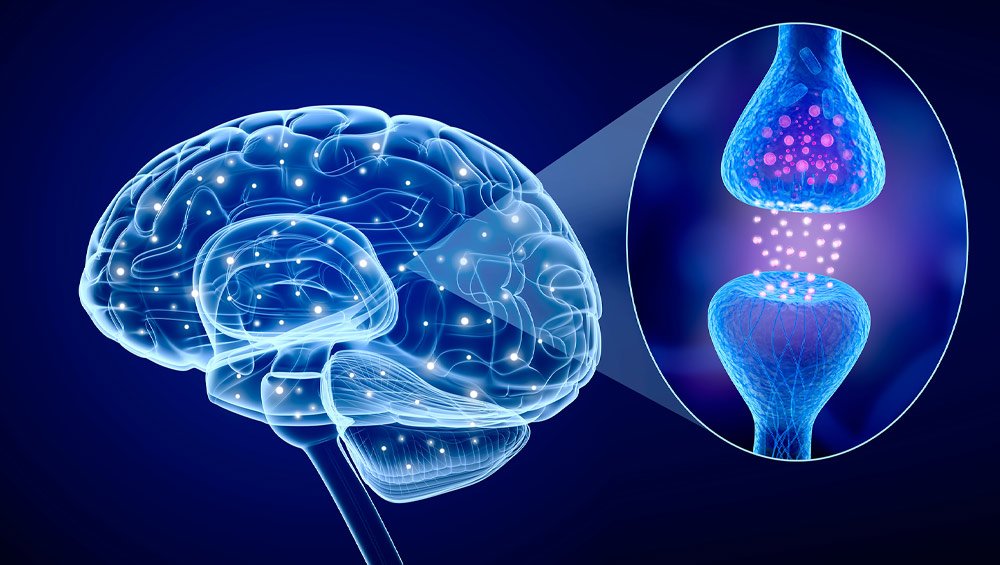
The formula also includes Mucuna pruriens, which naturally contains compounds associated with dopamine pathways. Dopamine plays roles in motivation, reward processing, attention, and movement.
Another component of the Brain C-13 approach involves stress adaptation and mental fatigue. Chronic psychological stress can make concentration and recall feel considerably more difficult. Rhodiola is an adaptogenic herb commonly used in formulas intended to support resilience during periods of stress and fatigue.
Brain C-13 also includes ingredients intended to support cerebral circulation. Ginkgo biloba is widely used in cognitive formulas partly because of its association with blood flow and vascular support. Efficient circulation is important because brain tissue requires a consistent supply of oxygen and nutrients.
Antioxidant protection represents another layer of the formula. Ingredients such as turmeric and rosemary contain naturally occurring compounds associated with antioxidant activity. The goal is not to create an immediate sensation but to support the body’s defenses against oxidative stress.
The formula additionally includes compounds involved in cellular energy and neurological function. Acetyl-L-carnitine, for example, is associated with mitochondrial energy metabolism and is commonly used in cognitive support formulas.
Bacopa and Gotu Kola add another traditional herbal dimension. Bacopa has a long history of use in cognitive wellness practices, particularly in relation to memory and learning, while Gotu Kola has been traditionally associated with cognitive and circulatory wellness.
What I liked most was that these ingredients do not all attempt to perform exactly the same task. The formula is designed around complementary roles: neurotransmitter support, circulation, stress adaptation, antioxidant protection, cellular energy, and memory-related processes. That broad strategy was the primary reason Brain C-13 made more sense for my personal goals than Cerefolin.
Ingredients In Brain C-13
A larger ingredient formula deserves careful consideration. Natural does not mean automatically risk-free, and combining numerous active compounds may increase the possibility of interactions with medications, medical conditions, or other supplements. I believe anyone using a comprehensive nootropic formula should review the full current label and speak with a qualified healthcare professional when appropriate.
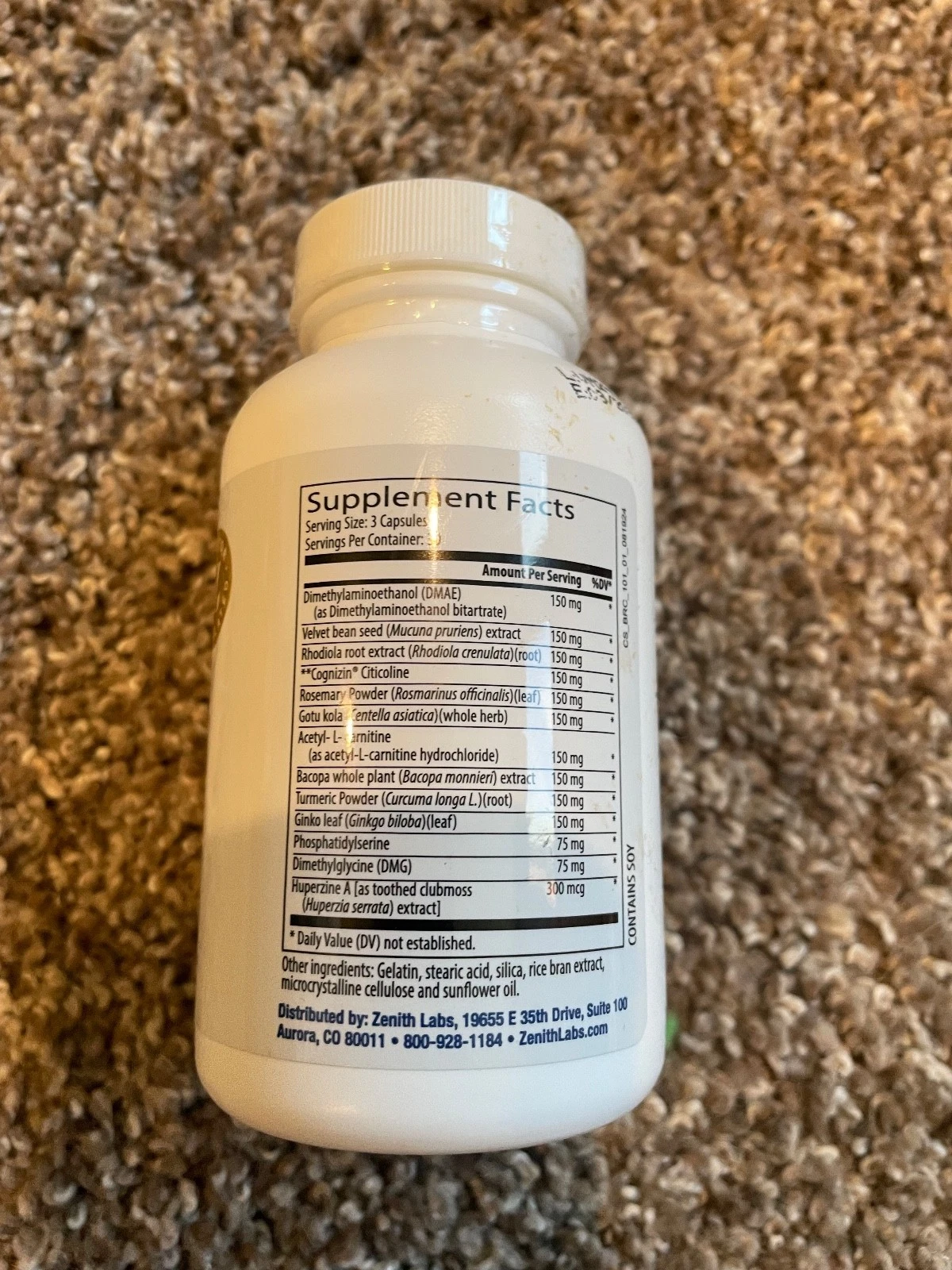
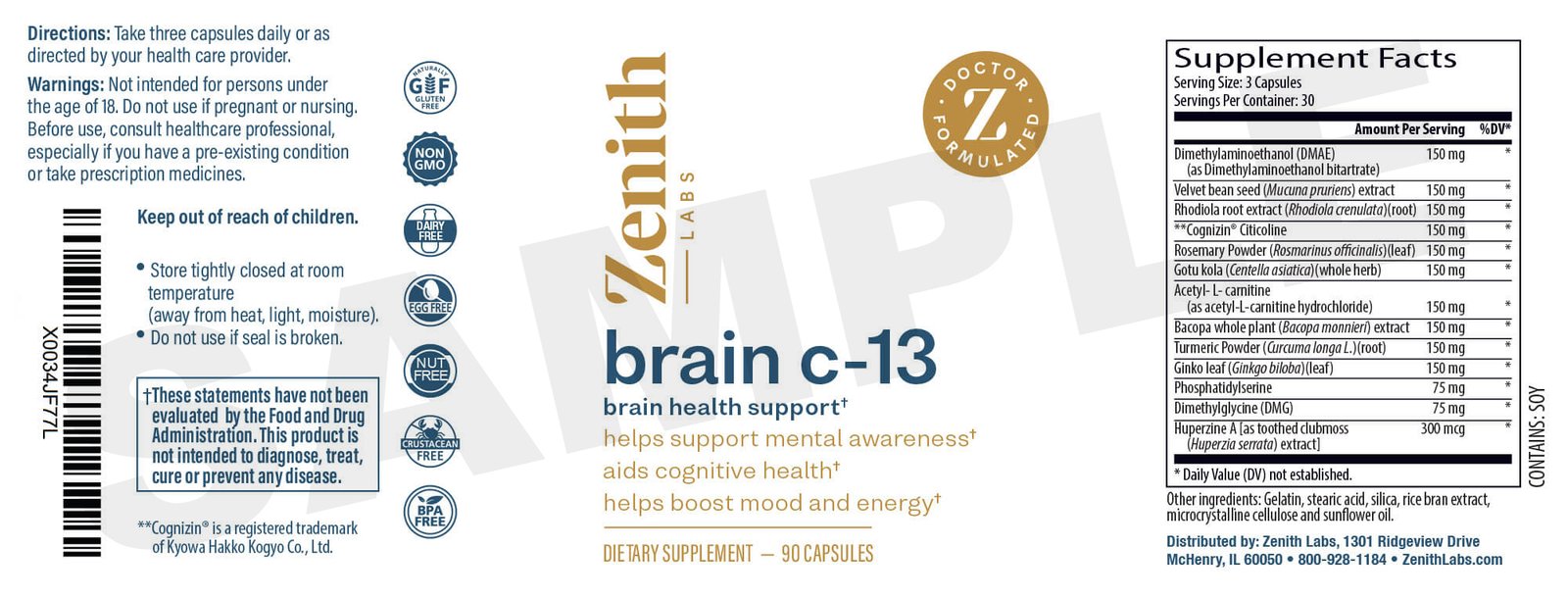
🌿 DMAE (Dimethylaminoethanol)
DMAE is a compound commonly included in cognitive support formulas because of its relationship to compounds involved in cholinergic pathways.
Its inclusion is generally intended to support mental clarity and cognitive function. I viewed it as one piece of Brain C-13’s broader strategy rather than expecting it to act as a standalone solution.
🌿 Velvet Bean Seed (Mucuna Pruriens)
Mucuna pruriens is a tropical legume traditionally used in wellness practices and naturally contains L-DOPA, a precursor involved in dopamine production.
Dopamine pathways are relevant to motivation, attention, and reward-related neurological processes. Because this ingredient can have meaningful biological activity, people using medications or managing health conditions should be especially careful about potential interactions.
🌿 Rhodiola Root Extract
Rhodiola is an adaptogenic herb frequently used in formulas for stress-related fatigue and mental performance.
I found this ingredient especially relevant because my cognitive difficulties often seemed worse during periods of stress and mental exhaustion. Rather than focusing only on memory, Rhodiola adds a stress-resilience component to the formula.
🌿 Rosemary Powder
Rosemary is more than a culinary herb. It contains naturally occurring plant compounds with antioxidant properties and has a traditional history of association with memory and cognitive wellness. Within Brain C-13, rosemary contributes to the broader antioxidant and neurological support strategy.
🌿 Gotu Kola
Gotu Kola is a traditional botanical used in several systems of herbal practice. It has been associated historically with cognitive wellness, calmness, and circulatory support.
Its inclusion appealed to me because Brain C-13 is designed to approach cognition from multiple directions rather than relying entirely on stimulant-like compounds.
🌿 Acetyl-L-Carnitine
Acetyl-L-carnitine is a form of carnitine commonly included in cognitive and healthy-aging formulas.
It is associated with cellular energy metabolism and neurological function. Because the brain has significant energy demands, supporting efficient cellular energy processes is a logical component of a broad cognitive formula.
🌿 Bacopa Whole Plant
Bacopa is one of the better-known herbs used in traditional cognitive wellness practices. It is frequently included in formulas intended to support memory formation, learning, and long-term cognitive performance. Bacopa is generally viewed as an ingredient that may require consistent use rather than something designed to create an immediate stimulant sensation.
🌿 Turmeric Powder
Turmeric contains naturally occurring curcuminoid compounds associated with antioxidant and inflammatory-response pathways. Within Brain C-13, turmeric contributes primarily to the formula’s long-term protective and antioxidant-oriented strategy rather than acting as an immediate focus enhancer.
🌿 Ginkgo Leaf
Ginkgo biloba is one of the most widely recognized botanicals in the cognitive supplement category. It is commonly used in formulas designed to support healthy circulation and cognitive function. Because circulation helps deliver oxygen and nutrients to tissues, this pathway is relevant to overall brain function.
🌿 Phosphatidylserine
Phosphatidylserine is a phospholipid found in cell membranes, including those of brain cells. It is commonly included in cognitive formulas to support cellular communication, memory-related processes, and healthy brain function. I considered it one of the more directly cognition-focused ingredients in Brain C-13.
🌿 Huperzine-A
Huperzine-A is a compound obtained from the Chinese club moss Huperzia serrata and is known for its interaction with acetylcholine metabolism. Acetylcholine is important in learning and memory processes, which explains why Huperzine-A appears in many nootropic formulas. Because it has a specific biochemical action, responsible use and attention to interactions are important.
🌿 Dimethylglycine (DMG)
Dimethylglycine is a naturally occurring derivative involved in metabolic processes. Within Brain C-13, it adds another layer to the formula’s broader nutritional strategy and is generally included to support metabolic efficiency and overall cellular function relevant to sustained performance.
How To Use Brain C-13
The recommended usage information provided for Brain C-13 is three capsules per day. For me, consistency was important. A comprehensive botanical and nutritional formula should not be judged based on one or two doses, especially when several ingredients are intended for ongoing support rather than immediate stimulation.
I found that incorporating the three capsules into a consistent daily routine made the process easier. I did not increase the serving in an attempt to accelerate the results, because more is not automatically better.
Users should follow the current instructions provided with the product and take personal health circumstances into account. Anyone using medications, especially those affecting neurological function, mood, blood clotting, or other important systems, should discuss a multi-ingredient formula with an appropriate healthcare professional.
My personal approach was to judge Brain C-13 over a longer period. The three-month mark was much more useful to me than trying to decide whether it worked after only a few days.
Is Brain C-13 Safe?
Safety was one of my main concerns before trying Brain C-13 because this is a more complex formula than Cerefolin. According to the product information provided for this review, Brain C-13 is manufactured in the United States in an FDA-approved facility and the facility follows GMP-certified manufacturing standards.
There is an important distinction that consumers should understand: manufacturing in a facility operating under quality standards is not the same as the FDA individually approving a dietary supplement for effectiveness. Dietary supplements should not be represented as FDA-approved treatments simply because they are produced in a facility associated with regulatory compliance. What I found reassuring was the emphasis on manufacturing controls and quality standards.

Good Manufacturing Practice, or GMP, standards are intended to support consistency, cleanliness, documentation, and quality throughout production. For me, this was important because a well-designed ingredient list means very little if manufacturing quality is unreliable.
Brain C-13 is also presented as a formula made with natural ingredients, plant extracts, and nutritional compounds. I preferred this approach to highly stimulant-driven products because I was looking for sustained cognitive support rather than a temporary surge in energy.
However, natural ingredients can still have powerful biological effects.
A formula containing Mucuna pruriens, Ginkgo biloba, Huperzine-A, Rhodiola, and multiple other active compounds should be treated responsibly. People taking medications or managing chronic conditions should not assume that every natural ingredient is automatically compatible with their existing treatment.
Pregnant or breastfeeding individuals and people preparing for surgery should also seek professional advice before beginning a complex supplement regimen.
Overall, the manufacturing standards, USA-based production, and naturally oriented formulation helped me feel more comfortable with Brain C-13, but I still believe responsible supplementation requires attention to individual circumstances.
No cognitive supplement should be treated as a substitute for proper medical evaluation when someone is experiencing unexplained, persistent, or worsening neurological symptoms.
Benefits Of Using Brain C-13 For 3 Months
I evaluated Brain C-13 with a longer time horizon because I did not expect a multi-ingredient cognitive formula to completely reveal its value in a few days. Over approximately three months, the areas I paid closest attention to were memory, concentration, mental stamina, stress-related cognitive fatigue, clarity, and my overall ability to remain mentally organized.
The following were the six benefits that stood out most strongly in my overall assessment. These are personal observations rather than guaranteed outcomes, because individual experiences can differ significantly.
★ More Reliable Memory Recall During Everyday Tasks
One of the first areas I wanted to improve was everyday recall. I was not expecting a photographic memory. My goal was much more practical: I wanted to spend less time mentally searching for words, names, details, and small pieces of information that I knew I already understood. Over time, I felt that recall became more dependable and less frustrating.
The improvement was not an overnight event. It seemed to develop gradually as I continued using the formula consistently. I found myself having fewer of those irritating pauses where I knew exactly what I wanted to say but could not immediately retrieve the word. During work that required me to remember information from earlier in the day, I also felt more mentally connected to the details.
What made this benefit meaningful was the effect on confidence. When recall becomes more reliable, conversations and mentally demanding tasks can feel smoother. I spent less time second-guessing whether I had forgotten something important and more time concentrating on the task itself.
Other users may experience this differently, particularly because memory complaints can have many causes. However, for someone like me whose concerns involved everyday mental sharpness rather than a diagnosed neurological disorder, this was one of the improvements I valued most.
★ Better Ability to Maintain Focus Without Feeling Overstimulated
Another major benefit was my ability to remain engaged with a task for longer periods. I did not experience the sharp, artificial rush that I associate with strong stimulants, and that was actually a positive feature for me.
My concentration felt more sustainable. When I was writing, reading, organizing information, or completing work that required extended attention, I felt less inclined to mentally jump from one thing to another.
The most useful part was that the support felt more compatible with normal functioning. I was not looking for a formula that made me feel intensely energized for two hours and then left me mentally exhausted. I wanted to feel capable of sitting down, organizing my thoughts, and staying with a demanding task.
After consistent use, I found it easier to create longer blocks of productive time. I still had distractions, of course, and Brain C-13 did not eliminate the need for discipline. However, I felt that maintaining concentration required less internal effort than before.
For people who struggle with work-related mental fatigue, this kind of improvement can be more valuable than a dramatic but short-lived burst of stimulation.
★ Greater Mental Stamina During Long and Demanding Days
Mental stamina became increasingly important to me because my biggest cognitive difficulties often appeared later in the day. I could begin the morning relatively sharp and then feel progressively more mentally drained as responsibilities accumulated.
Over the longer period of using Brain C-13, I felt that my cognitive energy became more consistent. This did not mean I never became tired. Sleep, workload, stress, and nutrition still mattered. What changed was my ability to continue thinking clearly when the day became demanding.
I noticed this particularly when I had several different responsibilities requiring attention. Previously, switching repeatedly between tasks could leave my mind feeling disorganized. With a more consistent routine, I felt better able to preserve a sense of mental continuity rather than reaching a point where everything felt mentally heavy.
I believe this is one area where the broader formula appealed to me more than Cerefolin. Brain C-13 includes ingredients associated with stress adaptation, cellular energy, neurotransmitter pathways, and circulation rather than concentrating almost entirely on one metabolic strategy.
For me, that broader support translated into a more complete feeling of cognitive endurance.
★ Less Stress-Related Mental Fog
Stress was one of the biggest factors affecting my mental performance. When I felt overwhelmed, my memory, concentration, and ability to organize thoughts all seemed to suffer at the same time.
Brain C-13 includes Rhodiola and other ingredients that made the stress-resilience component of the formula particularly interesting to me. Over time, I felt less likely to become mentally useless simply because the day was emotionally or intellectually demanding.
The benefit was not that I stopped experiencing stress. No supplement can remove difficult circumstances. Instead, I felt that my cognitive performance held up better when stress appeared.
This mattered because mental fog can create a negative cycle. I would become stressed, my concentration would decline, I would become frustrated about not concentrating, and the frustration would create even more stress.
Feeling more cognitively resilient helped interrupt some of that cycle. I could acknowledge that I was having a demanding day without automatically feeling that my brain had stopped cooperating.
For people whose concentration problems become noticeably worse under pressure, this type of support may be particularly meaningful.
★ Improved Mental Organization and Clarity
One of the most difficult cognitive problems to explain is the feeling that thoughts are present but poorly organized. I sometimes knew what I needed to do, yet arranging those thoughts into a clear sequence required more effort than it should have.
After several weeks of consistent use, I felt that planning and organizing mentally demanding tasks became easier. The effect was not a sudden increase in intelligence. It felt more like reduced internal friction.
When I had several responsibilities, I was better able to determine what needed attention first, stay connected to the objective, and avoid becoming mentally scattered.
This benefit had practical consequences. Clearer thinking made complex tasks feel less intimidating because I could mentally divide them into manageable steps. Instead of staring at a large project and feeling cognitive resistance, I found it easier to begin and continue.
People sometimes focus only on memory when discussing brain supplements, but mental organization was equally important to me. Remembering information is useful, but being able to arrange and apply that information is what often determines whether I actually perform well.
★ More Consistent Support for Long-Term Cognitive Wellness
The sixth benefit was less about an immediate sensation and more about why I preferred the overall design of Brain C-13.
I wanted a formula that approached long-term cognitive wellness through several complementary pathways, including antioxidant support, neuronal communication, circulation, stress adaptation, and cellular function.
Ingredients such as turmeric, rosemary, Ginkgo, phosphatidylserine, Bacopa, and Acetyl-L-Carnitine gave the formula a broader nutritional strategy than I felt I was receiving with Cerefolin.
This did not mean I believed I was becoming immune to age-related cognitive changes or neurological disease. That would be an irresponsible expectation. Rather, I appreciated the idea of supporting multiple systems that contribute to normal cognitive function while continuing to focus on sleep, exercise, nutrition, and other essential habits.
Over three months, the combination of better recall, steadier focus, improved mental stamina, and reduced stress-related fog made Brain C-13 feel more complete for my personal needs.
That is ultimately why I continued to prefer it. The experience was not about one miraculous moment. It was the gradual accumulation of several smaller improvements that together made my daily cognitive performance feel more dependable.
Pros and Cons of Brain C-13
| Pros | Cons |
|---|---|
| 1. Comprehensive multi-pathway formula: Brain C-13 contains a wide range of ingredients selected for different aspects of cognitive wellness. Instead of focusing on only one mechanism, it combines support for neurotransmitter pathways, circulation, stress adaptation, cellular energy, antioxidant defense, and memory-related processes. This broader strategy was one of the main reasons I preferred it over Cerefolin. | 1. Three capsules per day may be inconvenient for some people: Cerefolin has a simpler one-tablet routine, while Brain C-13 requires three capsules daily according to the provided instructions. People who dislike swallowing capsules or already take several supplements may consider this less convenient. |
| 2. Better suited to my broader cognitive goals: I wanted more than support for methylation and homocysteine metabolism. Brain C-13 was designed around areas including memory, concentration, mental stamina, stress-related fatigue, and long-term brain wellness, making the formula feel more aligned with my personal concerns. | 2. A complex formula creates more potential interaction considerations: Because Brain C-13 contains numerous biologically active ingredients, people using medications or managing medical conditions should examine the formula carefully and seek professional advice when appropriate. A broader ingredient list can be beneficial, but it also requires responsible use. |
| 3. No need to rely on a heavily stimulant-driven strategy: I appreciated that the formula is designed to support cognitive performance through herbs, nutrients, and neurological pathways rather than simply loading the user with caffeine. For me, this made the experience feel more sustainable and better suited to long-term use. | 3. Results still require realistic expectations and consistency: Brain C-13 is not a magical cure for memory loss or cognitive decline. The benefits I valued developed gradually, and other users may respond differently. Anyone expecting an instant transformation may be disappointed. |
| 4. Includes several established cognitive-support ingredients: Ingredients such as Bacopa, Ginkgo, phosphatidylserine, Rhodiola, Acetyl-L-Carnitine, and Huperzine-A are commonly discussed in the cognitive wellness category. Their inclusion creates a more layered formulation than a product centered on only a few ingredients. | |
| 5. Manufactured with an emphasis on quality standards: According to the information provided for the product, Brain C-13 is made in the USA in a facility associated with FDA regulatory standards and GMP-certified manufacturing practices. I considered manufacturing quality an important part of deciding whether I felt comfortable using the formula. | |
| 6. Strong 180-day money-back guarantee: A six-month refund period gives customers significantly more time to evaluate the product than the short guarantees offered by many supplement companies. For a formula intended to be used consistently, I consider a longer guarantee especially valuable. |
Brain C-13 180-Day Money-Back Guarantee
One of the strongest practical advantages I found with Brain C-13 was the 180-day money-back guarantee provided according to the product information supplied for this review. A six-month guarantee matters because cognitive support products are not always easy to evaluate after only a few days. Many people need time to establish a routine, use the product consistently, and determine whether changes in concentration, recall, or mental stamina are meaningful.

A 180-day period gives customers considerably more breathing room than a short 30-day guarantee. For me, this reduced some of the financial uncertainty involved in trying a new formula. I did not feel the same pressure to make a final judgment immediately.
Of course, customers should always read the current refund terms directly from the seller before ordering. Guarantee conditions, return procedures, eligibility requirements, and other policies can change, so I would never rely solely on a third-party review when making a purchase. Nevertheless, based on the information provided, the 180-day guarantee is one of Brain C-13’s strongest consumer-friendly features.
Cerefolin vs. Brain C-13: My Detailed Comparison
The easiest way for me to explain why I ultimately preferred Brain C-13 is to compare the two products directly. Cerefolin and Brain C-13 do not take exactly the same approach to cognitive support, so I do not consider this a simple comparison between two identical products. Cerefolin is more focused on specific nutritional and metabolic pathways, while Brain C-13 is designed as a broader multi-ingredient cognitive support formula.

| Comparison Area | Cerefolin | Brain C-13 |
|---|---|---|
| Overall approach | Focused and specialized. Cerefolin primarily centers on methylation, homocysteine metabolism, and antioxidant support. I found the approach scientifically interesting, but relatively narrow for my personal cognitive goals. | Broad and multi-pathway. Brain C-13 combines ingredients intended to support memory, focus, neurotransmitter activity, circulation, stress adaptation, antioxidant defense, and cellular energy. This wider strategy better matched what I wanted. |
| Core functional ingredients | The primary active ingredients supplied for this review are L-methylfolate, N-acetylcysteine, and methylcobalamin, with additional manufacturing ingredients such as microcrystalline cellulose and magnesium stearate. | Brain C-13 contains a much broader blend including DMAE, Mucuna pruriens, Rhodiola, rosemary, Gotu Kola, Acetyl-L-Carnitine, Bacopa, turmeric, Ginkgo, phosphatidylserine, Huperzine-A, and DMG. |
| Memory support strategy | Cerefolin approaches cognitive wellness indirectly through nutritional pathways associated with methylation and homocysteine regulation. I noticed only modest changes in my own everyday recall. | Brain C-13 includes several ingredients selected more directly for memory-related processes, including Bacopa, phosphatidylserine, Huperzine-A, and other compounds. This approach felt more closely aligned with my personal goal of improving everyday recall. |
| Focus and concentration | I did not personally notice a strong change in sustained attention. The formula is not designed around an obvious stimulant-like focus effect, which may appeal to some users but felt limited for my needs. | Brain C-13 takes a broader approach involving neurotransmitter pathways, adaptogenic support, mental energy, and circulation. I felt this translated into more consistent concentration over time. |
| Stress-related cognitive fatigue | This is not the area where I felt Cerefolin stood out most strongly. Its core formula is focused more specifically on methylation and antioxidant support. | Rhodiola and other components give Brain C-13 a clearer stress-adaptation component. This was important to me because my cognitive performance often declined when my stress level increased. |
| Mental stamina | My experience was subtle. I did not notice a major improvement in my ability to remain mentally productive throughout long, demanding days. | Over consistent use, I felt that Brain C-13 provided broader support for sustained mental performance. Acetyl-L-Carnitine, adaptogenic compounds, and other ingredients made this area more relevant to my needs. |
| Antioxidant strategy | NAC is a meaningful component because it supports glutathione production and the body’s natural antioxidant defenses. This is one of the areas where I believe Cerefolin has a clear and focused rationale. | Brain C-13 uses a broader plant-based antioxidant strategy with ingredients such as turmeric and rosemary, alongside other compounds supporting neurological wellness. |
| Homocysteine and methylation focus | This is where Cerefolin is more specifically targeted. L-methylfolate and methylcobalamin make its metabolic strategy especially relevant to these pathways. | Brain C-13 is not primarily positioned as a targeted homocysteine-management formula. Its focus is broader cognitive support rather than concentrating on this particular nutritional pathway. |
| Formula simplicity | Cerefolin has the advantage of a shorter, more focused active ingredient profile. People who prefer a targeted approach may appreciate this simplicity. | Brain C-13 contains considerably more ingredients. I saw this as an advantage for comprehensive cognitive support, although a complex formula requires greater attention to possible interactions and individual suitability. |
| Daily serving | One tablet daily, making the routine simple and convenient. | Three capsules per day, which requires slightly more effort but remained manageable for me. |
| My personal experience | Cerefolin seemed to help me a little. I noticed subtle improvements in mental steadiness, but the overall effect was less noticeable than I had hoped. | Brain C-13 provided a more comprehensive experience for my goals, particularly in areas such as focus, recall, mental organization, stamina, and stress-related cognitive performance. |
| Best suited to | In my view, Cerefolin may be better suited to someone specifically interested in its focused nutritional approach, particularly when that approach has been discussed with a healthcare professional. | Brain C-13 appealed more to me as a general cognitive wellness formula for adults looking for broad support across several aspects of mental performance. |
| Manufacturing positioning | Consumers should review the current official information associated with the specific Cerefolin product they are considering. | According to the information supplied for this review, Brain C-13 is made in the USA in a facility operating under FDA-related manufacturing standards and GMP-certified practices. |
| Money-back guarantee | The applicable purchase and return terms should be verified through the specific source from which Cerefolin is obtained. | Brain C-13 is offered with a 180-day money-back guarantee according to the information provided, giving customers an extended evaluation period. |
| My overall choice | A legitimate and targeted approach, but the benefits were too subtle for me personally and the formula did not cover enough of my broader cognitive goals. | My preferred choice because the broader formula better matched the combination of memory, focus, mental stamina, stress resilience, and long-term cognitive support I was seeking. |
The most important conclusion from this comparison is that Cerefolin is more specialized, while Brain C-13 is more comprehensive. I would not claim that a longer ingredient list automatically makes a product superior. In some situations, a focused formula is exactly what a person needs. However, my own experience with Cerefolin left me wanting support in several additional areas. Brain C-13 was simply closer to the type of formula I had been searching for.
Why Brain C-13 Worked Better For Me
My preference for Brain C-13 did not come from believing that Cerefolin was a bad product. It came from recognizing that my personal needs were broader than the areas Cerefolin seemed to address most directly.
Several differences became particularly important to me:
- I wanted more direct support for everyday memory and recall. Cerefolin’s strategy made sense from a metabolic perspective, but I personally wanted a formula containing a broader selection of ingredients associated with memory-related pathways. Brain C-13’s inclusion of Bacopa, phosphatidylserine, Huperzine-A, and other cognitive ingredients made the formula feel more aligned with this goal.
- I needed help with sustained focus, not only underlying nutritional support. My challenge was often staying mentally engaged with complex work for long periods. Brain C-13’s multi-pathway design felt more relevant to concentration and cognitive endurance than the narrower formula I had previously used.
- Stress was a major part of my cognitive problem. When I was under pressure, my thinking became less organized and my concentration deteriorated. The inclusion of Rhodiola and other broadly supportive ingredients made Brain C-13 more attractive to me because it recognized the relationship between stress and cognitive performance.
- I preferred a formula that addressed multiple aspects of brain function simultaneously. Brain C-13 includes ingredients connected with neurotransmitter activity, circulation, cellular energy, antioxidant protection, stress adaptation, and memory support. That comprehensive strategy was the biggest reason it worked better for my goals.
- The improvements felt more noticeable in everyday life. With Cerefolin, I often had to ask myself whether the change was significant enough to matter. With Brain C-13, I felt that several smaller benefits accumulated into a more noticeable overall improvement in how mentally capable and organized I felt.
- The longer-term approach made more sense to me. I did not want a temporary stimulant rush. Brain C-13 felt better aligned with my goal of supporting consistent cognitive performance while continuing to work on sleep, exercise, nutrition, and stress management.
Ultimately, Brain C-13 gave me a broader experience, while Cerefolin gave me a more targeted but subtler one. That difference is why Brain C-13 became my preferred alternative.
Frequently Asked Questions About Brain C-13
Q: What is Brain C-13 primarily designed to support?
A: Brain C-13 is designed as a broad cognitive wellness supplement rather than a product focused on only one aspect of mental performance. Its formula is intended to support areas such as memory recall, concentration, mental clarity, cognitive stamina, stress resilience, neurotransmitter-related processes, cerebral circulation, and long-term brain wellness.
The important distinction for me is that the product uses a multi-ingredient strategy. Individual ingredients contribute different functions rather than every compound attempting to produce the same effect.
Results will still vary, and Brain C-13 should not be considered a treatment for dementia, Alzheimer’s disease, or another neurological disorder.
Q: How quickly should someone expect to notice results from Brain C-13?
A: I would not approach Brain C-13 expecting an instant transformation. Some people may notice changes in areas such as concentration or mental energy sooner than others, while ingredients associated with longer-term cognitive support may require more consistent use.
My preferred way to evaluate the formula was over weeks and months rather than hours or days.
Sleep quality, nutritional status, age, stress, medications, and the underlying reason for cognitive complaints can all influence how someone responds. A person experiencing rapidly worsening cognitive symptoms should seek medical evaluation rather than waiting to see whether a supplement eventually solves the problem.
Q: Does Brain C-13 contain caffeine or depend on heavy stimulation?
A: Brain C-13 is presented as a cognitive formula built around herbs, plant compounds, amino-acid-related ingredients, phospholipids, and other nutrients rather than a conventional high-caffeine energy product.
This was important to me because I wanted more sustainable cognitive support rather than a temporary stimulant rush followed by a crash. However, the absence of a heavy caffeine-centered approach does not mean the ingredients are biologically inactive. Compounds that influence neurotransmitter or adaptogenic pathways may still affect individuals differently.
Q: Is Brain C-13 suitable for everyone?
A: No supplement should be assumed to be ideal for every person. Brain C-13 contains numerous active ingredients, including compounds that may be unsuitable for certain individuals or may interact with medications. Anyone taking prescription drugs, managing a chronic medical condition, preparing for surgery, or dealing with a neurological or psychiatric condition should seek individualized professional advice.
Pregnant or breastfeeding individuals should also discuss supplement use with an appropriate healthcare professional. The formula’s complexity is one of the reasons I liked it for broad cognitive support, but it is also a reason to use it responsibly.
Q: How many Brain C-13 capsules should be taken each day?
A: The usage information provided for this review recommends three capsules per day. I believe consistency is more important than experimenting with larger amounts. Taking more than the recommended serving does not guarantee stronger or faster results. Customers should always follow the current product label because formulations and instructions can change.
Q: Is Brain C-13 intended to cure memory loss or dementia?
A: Brain C-13 should not be treated as a cure for dementia, Alzheimer’s disease, or another neurological condition. It is a dietary supplement designed to support normal cognitive wellness, and that is fundamentally different from an approved medical treatment for a diagnosed disease.
Persistent, severe, or worsening memory problems require proper medical evaluation. Early assessment can be important because cognitive symptoms can have many possible causes, some of which may be treatable. I believe supplements should complement responsible health management rather than replace professional diagnosis or care.
Q: Why did I prefer Brain C-13 over Cerefolin?
A: My preference came down to breadth.
Cerefolin’s formula is more focused on pathways involving methylation, homocysteine metabolism, and antioxidant support. I appreciated that approach and experienced some subtle benefits, but I wanted more comprehensive support for memory, focus, stress-related cognitive fatigue, mental stamina, and long-term brain wellness.
Brain C-13 contains a much broader selection of ingredients designed to address multiple cognitive pathways. For my personal goals, that approach produced a more satisfying overall experience.
Q: What is the Brain C-13 money-back guarantee?
A: According to the product information provided for this review, Brain C-13 comes with a 180-day money-back guarantee. I consider this a meaningful advantage because it provides a much longer evaluation period than many short refund policies.
Customers should still check the current official terms before purchasing because policies can change and may include specific conditions or procedures for requesting a refund.
Conclusion: Should You Buy Cerefolin?
After evaluating Cerefolin and comparing my experience with what I personally wanted from a cognitive support product, I believe Cerefolin is a legitimate but relatively specialized option. I do not consider it a scam, and I do not believe my modest results automatically mean that the product is bad. Its core approach involving L-methylfolate, methylcobalamin, N-acetylcysteine, methylation support, homocysteine metabolism, and antioxidant defense is clearly more focused than the vague ingredient strategies found in many generic brain supplements.
My disappointment came from the difference between what Cerefolin was designed to do and what I personally wanted to feel in everyday life. I noticed some subtle support, but I did not experience the level of improvement in memory, sustained focus, mental stamina, and cognitive clarity that I had hoped for. The effects felt supportive in the background rather than sufficiently noticeable in my daily performance. For some people, particularly those using a targeted nutritional strategy under professional guidance, that may still be valuable. For me, it ultimately was not enough.
I also believe anyone experiencing persistent memory or cognitive changes should resist the temptation to search endlessly for supplements without considering the underlying cause. Cognitive symptoms can be influenced by sleep, stress, nutrition, medications, vitamin deficiencies, metabolic conditions, mental health, and neurological disorders. A supplement should never become an excuse to avoid an appropriate evaluation when symptoms are persistent, worsening, or concerning.
When I began looking for something more comprehensive, Brain C-13 became my preferred alternative because its formulation addressed more of the areas I personally cared about. I liked the combination of ingredients intended to support memory, focus, neurotransmitter pathways, cerebral circulation, stress adaptation, antioxidant defenses, and cellular energy. Instead of concentrating primarily on one metabolic strategy, Brain C-13 offered the broader approach I felt had been missing from my experience with Cerefolin.
My experience over a longer period also felt more satisfying. I noticed improvements that mattered more directly to my everyday routine, including better mental organization, more sustainable concentration, less stress-related mental fog, greater cognitive stamina, and more reliable recall. These were not miraculous overnight changes, and I would never promise that everyone will experience the same results. However, the overall combination of improvements was more noticeable for me than what I experienced with Cerefolin.
That is why my final opinion is balanced rather than completely negative. I would not tell someone that Cerefolin is worthless. It may be appropriate for a person specifically interested in its targeted nutritional approach, particularly when recommended within an individualized healthcare plan. My personal experience simply showed me that I needed something broader.
For my own goals, I would choose Brain C-13 over Cerefolin because the formula better matched the combination of cognitive concerns I wanted to address. The doctor-formulated background, broad ingredient profile, USA-based manufacturing information, GMP manufacturing standards, and 180-day money-back guarantee also made it an attractive option for me.
Ultimately, Cerefolin helped me a little, but Brain C-13 was the more complete choice for the type of cognitive support I was seeking. That is the honest conclusion I reached after looking beyond marketing promises and focusing on my actual experience, priorities, and expectations.
Disclaimer
This Cerefolin review is provided for general informational and educational purposes only and should not be considered medical advice, diagnosis, or treatment. The experiences described are personal and individual results may vary. Dietary supplements are not intended to diagnose, treat, cure, or prevent disease. Anyone experiencing persistent or worsening memory or cognitive symptoms should consult a qualified healthcare professional. Always review current product labels, ingredients, warnings, dosage instructions, manufacturing information, and guarantee terms before making a purchase or beginning a new supplement.