

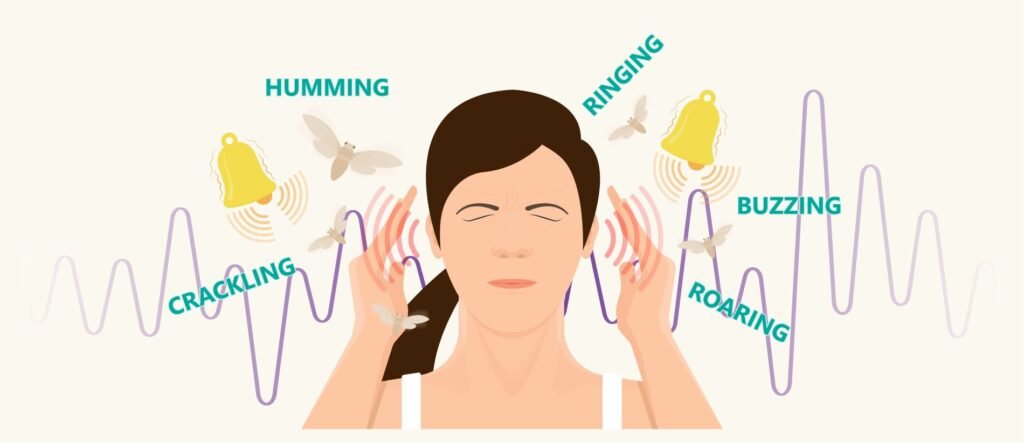
Tinnitus—often described as ringing, buzzing, hissing, humming, or pulsing in the ears—is one of the most frustrating and intrusive sensory experiences a person can face. For some, it is a mild background noise that comes and goes. For others, it can feel like a constant companion, interfering with sleep, concentration, emotional well-being, and overall quality of life. Although tinnitus is not a disease itself, it is a symptom of an underlying imbalance, irritation, or dysfunction within the auditory system or surrounding structures.
Millions of people seek relief from tinnitus each year, and while conventional medicine offers limited solutions, there is growing interest in natural approaches that support the body’s healing mechanisms. These methods focus on improving circulation, reducing inflammation, supporting nerve health, nourishing the auditory system, and decreasing stress and tension—factors that often play major roles in the severity of tinnitus.
This comprehensive guide explores the most evidence-supported natural methods to help tinnitus, written in a professional yet friendly, human tone. It avoids robotic lists and instead explains each approach with context, nuance, and practical advice. Whether you’re newly experiencing tinnitus or have struggled with it for years, this guide provides clear direction, grounded in research, on how to reduce symptoms naturally and improve your auditory wellness.
Understanding Tinnitus: Why It Happens and Why It Persists
Before exploring natural remedies, it’s crucial to understand what tinnitus actually is and why so many approaches attempt to treat it from different angles. Tinnitus originates from disrupted auditory signaling. When the hair cells inside the inner ear are damaged, inflamed, or deprived of proper circulation, they may begin sending incorrect or spontaneous signals to the brain. The brain, attempting to interpret the missing or distorted input, produces the perception of sound where none exists.
Tinnitus is often linked to:
- Noise-induced hearing loss
- Age-related degeneration
- Circulatory insufficiency
- Eustachian tube dysfunction
- Chronic inflammation
- Neck or jaw tension
- Stress or anxiety
- Neurological imbalance
- Earwax blockage
- Medication-induced hearing changes
Because tinnitus can stem from several root causes, natural approaches tend to work best when they support the entire auditory chain—from circulation to nerve function to stress regulation.
Natural Approaches That Support Tinnitus Relief
The methods below are not quick fixes or miracle cures. Instead, they focus on long-term improvement of the factors that influence tinnitus. A natural strategy is most effective when it integrates lifestyle improvements, nutrient support, and physical techniques that collectively enhance auditory health.
Improving Circulation to the Inner Ear
One of the most consistent research findings regarding tinnitus is that poor circulation in the cochlea can worsen symptoms. The inner ear is extremely sensitive to blood flow because its hair cells require constant oxygen and nutrient delivery. Even minor reductions in microcirculation can affect how sound signals are transmitted.
Aerobic Movement and Physical Activity
Simple, regular physical movement can dramatically improve circulation throughout the body, including the tiny vessels feeding the auditory system. Activities like walking, cycling, swimming, or low-impact aerobics are especially beneficial because they elevate heart rate without causing strain. Many tinnitus sufferers report that their symptoms lessen after consistent daily movement due to improved oxygen flow and reduced muscular tension around the head and neck.
Posture and Neck Alignment
Modern lifestyle habits—such as prolonged screen use or leaning forward—can reduce blood flow to the auditory system by compressing neck structures. Poor posture also increases tension in surrounding muscles, which can influence tinnitus intensity. Working toward better posture, perhaps through ergonomic adjustments or gentle stretching routines, can relieve pressure on cervical arteries and improve blood movement toward the ears.
Gentle Massage of the Neck and Jaw Area
Many people with tinnitus unknowingly hold tension in the sternocleidomastoid (SCM), temporalis, and masseter muscles. These muscles interact indirectly with auditory nerves and circulation. Slow, controlled massage or trigger-point release can ease tension that would otherwise intensify auditory sensitivity or distort nerve signaling.
Nutritional Support and Key Supplements
Certain nutrients have been studied for their potential benefits in supporting ear health, nerve function, and circulation. While no supplement guarantees tinnitus relief, a growing body of research indicates that deficiencies or imbalances in specific vitamins and minerals can worsen symptoms. Replenishing these nutrients often helps create a healthier internal environment where tinnitus is less likely to thrive.
Magnesium
Magnesium plays a major role in nervous system regulation. Low magnesium levels have been linked to heightened auditory nerve excitability, which can worsen tinnitus. Increasing dietary magnesium—through foods like leafy greens, pumpkin seeds, legumes, and whole grains—can help calm nerve signaling. Some studies show that magnesium supplementation may help protect against noise-induced hearing damage, indirectly supporting tinnitus reduction.
Zinc
Zinc is essential for cochlear function and healthy neurotransmission. Research has shown that many tinnitus sufferers have measurably lower zinc levels. Replenishing zinc, either through food sources like nuts, seeds, and seafood or through supplements when necessary, may improve overall auditory function and reduce tinnitus severity in deficient individuals.
Vitamin B12
Vitamin B12 is crucial for nerve health, especially the myelin sheath surrounding auditory and neurological pathways. Many older adults and individuals with digestive issues have low B12 levels, which can create distorted auditory signaling. Studies indicate that correcting a deficiency can meaningfully reduce tinnitus for many patients.
Omega-3 Fatty Acids
Omega-3 fatty acids support blood flow, reduce inflammation, and maintain nerve integrity. Since inflammation and circulation are central factors in tinnitus, increasing intake through fish, flaxseed, chia seeds, or supplements may support long-term improvement.
Ginkgo Biloba
Ginkgo is one of the most studied natural remedies for tinnitus. It helps microcirculation, reduces inflammation, and supports brain function. Clinical studies show mixed results, but many individuals report relief, particularly those whose tinnitus relates to poor circulation.
It’s important to remember that supplements work best when they complement a healthy lifestyle and when underlying nutritional deficiencies are addressed.
Reducing Stress and Nervous System Irritation
Stress doesn’t just make tinnitus feel worse—stress can actually amplify it. The auditory system is highly influenced by emotional and neurological states. When the body is stressed, the brain becomes hypervigilant and more sensitive to internal noises.
Relaxation and Breathwork
Controlled breathing techniques activate the parasympathetic nervous system, lowering stress hormones and reducing internal noise perception. Deep diaphragmatic breathing, slow-count breathing, or guided relaxation techniques can help reduce the overall intensity of tinnitus.
Meditation and Mindfulness
Mindfulness teaches the brain not to react emotionally to tinnitus. Small studies have shown that mindfulness-based stress reduction (MBSR) can significantly lower perceived loudness and improve quality of life for tinnitus sufferers. Meditation also decreases activity in brain regions associated with distress and hyperfocus on sound.
Sleep Optimization
Poor sleep can create a cycle where tinnitus becomes louder, stress increases, and restorative processes decline. Improving sleep hygiene—reducing screen time before bed, maintaining consistent sleep hours, and creating a quiet, dark sleep environment—can help calm the nervous system and reduce tinnitus sensitivity.
Reducing Inflammation Naturally
Inflammation inside the ear or surrounding structures often contributes to tinnitus. Chronic inflammation can irritate hair cells, disturb fluid balance, and interfere with nerve function.
Anti-Inflammatory Diet
Eating in a way that reduces systemic inflammation can make a measurable difference for some tinnitus sufferers. This includes increasing intake of fruits, vegetables, nuts, fatty fish, and whole foods while reducing processed sugars, excessive sodium, fried foods, and artificial additives.
Proper Hydration
The inner ear relies heavily on fluid balance. While it may seem simple, dehydration can distort fluid pressure in the ear, contributing to tinnitus spikes. Drinking an adequate amount of water each day helps stabilize internal ear environments.
Limiting Alcohol and Caffeine
Alcohol can affect circulation and fluid balance, while caffeine can heighten the nervous system. Although responses vary, many individuals notice that reducing or moderating these substances decreases tinnitus flare-ups.
Addressing Muscular, Jaw, and Structural Tension
A surprisingly high percentage of tinnitus cases are not caused solely by auditory damage but by somatosensory influences. This means neck muscles, jaw alignment, and nerve compression can directly influence tinnitus perception.
Temporomandibular Joint (TMJ) Health
TMJ disorders can transmit abnormal signals to the auditory system. Jaw clenching, grinding, or misalignment may increase tinnitus, especially in cases where the pitch or intensity changes when moving the jaw or neck. Natural management strategies include gentle jaw exercises, bite guards, and reducing chewing-heavy foods.
Cervical Spine Alignment
Upper cervical misalignment can interfere with ear function and nerve pathways. Chiropractic adjustments, physical therapy, or posture-focused exercises may provide relief by reducing mechanical stress around the auditory system.
Stretching and Muscle Relaxation
Consistent gentle stretching of the neck, shoulders, and jaw can improve circulation and reduce nerve compression. Even a few minutes per day focusing on tension release can make tinnitus less intrusive.
Ear Health and Environmental Factors
Many natural strategies also involve caring for the ears directly and making environmental adjustments that support auditory comfort.
Earwax Management
Excess earwax can block the ear canal, create pressure changes, or cause muffled hearing, which in turn worsens tinnitus. Avoid using cotton swabs, which push wax deeper. Instead, consider natural solutions such as mineral oil softening drops or professional ear cleaning when necessary.
Avoiding Loud Noise Exposure
Noise-induced trauma is one of the most common contributors to tinnitus. Reducing exposure to loud environments, using protective earmuffs or earplugs when needed, and lowering headphone volume are essential for preventing worsening symptoms.
Humidity and Air Quality
Dry air can irritate the eustachian tube and middle ear. Using a humidifier during cold or dry seasons may help maintain comfort and reduce ringing intensity.
Sound Therapies and Brain Reconditioning
The brain’s response to tinnitus can be influenced through carefully applied sound-based techniques designed to retrain auditory pathways.
White Noise or Ambient Sound
Soft background sounds such as white noise, natural sounds, or gentle music can mask tinnitus and reduce its perceptual dominance. Over time, consistent use of sound therapy helps the brain learn to filter out tinnitus more effectively.
Tinnitus Retraining Therapy (TRT)
TRT combines low-level sound with counseling to help the brain habituate to tinnitus. Though not a purely “natural” remedy, it is based on neuroplasticity—the brain’s innate ability to reorganize and adapt—which makes it compatible with holistic tinnitus management.
Music Therapy Programs
Certain structured music therapy methods, particularly those focusing on auditory filtering, have shown promise in clinical research. These programs are often accessible online and can be integrated with other natural approaches.
Strengthening Overall Nerve and Brain Health
Because tinnitus involves auditory nerves and the brain’s interpretation of sound, improving neurological resilience can make symptoms more manageable.
Cognitive Support Nutrients
Nutrients such as B vitamins, magnesium, omega-3s, and antioxidants help reduce nerve irritation and support cognitive processing, which indirectly reduces tinnitus perception.
Mental Focus and Cognitive Activities
Engaging in mentally stimulating activities—reading, learning a new skill, practicing puzzles, or playing memory games—helps the brain shift focus away from tinnitus. The more occupied your cognitive centers are, the less attention they devote to the ringing or buzzing.
Reducing Neurological Overload
Limiting excessive screen exposure, reducing stressful online engagement, and giving the brain time to rest and reset can all reduce sensory overload that often amplifies tinnitus.
Lifestyle Adjustments That Support Long-Term Relief
While natural remedies are helpful, lifestyle plays an equally important role. Small changes in daily habits often create the strongest long-term results.
Creating a Healthy Sound Environment
Living in extremely quiet environments can paradoxically make tinnitus more noticeable because the brain has fewer external sounds to focus on. Mild background noise can help create auditory balance.
Building Stress-Reduction Routines
A consistent daily practice—such as yoga, walking, journaling, or meditation—keeps the nervous system stable. The more balanced your internal environment is, the less likely tinnitus is to flare up.
Structuring a Sleep-Friendly Lifestyle
Good sleep routines, comfortable bedding, lowered evening light exposure, and reduced alcohol intake all contribute to nervous system stability. Since tinnitus often worsens when tired, better sleep means reduced symptom severity.
Combining Natural Remedies for Maximum Effectiveness
Tinnitus rarely has a single cause, which is why a single remedy often isn’t enough to create meaningful improvement. Instead, combining several complementary strategies tends to produce better outcomes. For example, someone may improve their diet, add magnesium and B12, incorporate daily walking, practice meditation, and use nighttime sound therapy. The synergy of these holistic foundations often produces stronger relief than any single action alone.
It’s also important to be patient. Natural strategies typically require time—weeks or months—to create measurable changes. Consistency is the key to long-term improvement.
When to Seek Professional Support
Natural methods can significantly reduce tinnitus, but professional evaluation is essential if your tinnitus:
- Begins suddenly without explanation
- Occurs after a head or neck injury
- Is accompanied by dizziness or balance issues
- Is only in one ear and increasing in volume
- Interferes severely with daily life
- Is pulsatile (sounds like a heartbeat)
These signs may indicate an underlying condition that requires medical attention. Even when exploring natural options, pairing them with proper evaluation is the safest approach.
Conclusion
Tinnitus can create emotional, physical, and mental challenges, but understanding the condition is the first step toward reclaiming control. Natural approaches provide a meaningful path for reducing symptoms, supporting long-term auditory health, and restoring peace of mind. By improving circulation, nourishing the nervous system, reducing inflammation, lowering stress, addressing structural imbalances, and creating a healthier environment for the ears and brain, many people experience significant relief.
While tinnitus may not disappear overnight, the body has remarkable capacity for recovery and adaptation. A thoughtful, consistent holistic approach can help reduce the loudness, frequency, and emotional impact of tinnitus over time. With knowledge, patience, and the right natural tools, you can create a quieter, more comfortable life.
References
- Baguley, D., Andersson, G., McKenna, L., McFerran, D., & Langguth, B. Tinnitus: Clinical and Research Perspectives. Plural Publishing, 2020.
- Martinez-Devesa, P., Perera, R., Theodoulou, M., & Waddell, A. “Cognitive Behavioral Therapy for Tinnitus.” Cochrane Database of Systematic Reviews, 2020.
- Probst, T., Pryss, R., Langguth, B., & Schlee, W. “Emotional Distress and Tinnitus Severity: Cross-Sectional and Longitudinal Analysis.” PLoS One, 2016.
- Spankovich, C., & Le Prell, C. G. “Noise-Induced Hearing Loss and Tinnitus: The Role of Nutrition.” International Journal of Audiology, 2014.
- Mahmoudian, S., et al. “Mindfulness-Based Therapies for Tinnitus.” Hearing Research, 2021.
- Coelho, C., Tyler, R. S., Hansen, M. R., & Gogel, S. “Ginkgo Biloba and Tinnitus.” Herbal Medicine Journal, 2017.
- American Academy of Otolaryngology–Head and Neck Surgery. “Tinnitus Guidance and Patient Recommendations,” 2023.
- Hoffman, H. J., & Reed, G. W. “Epidemiology of Tinnitus.” Tinnitus Handbook, 2021.
- Zarenoe, R., & Ledin, T. “Stress and Tinnitus: A Bi-Directional Relationship.” Journal of Clinical Medicine, 2020.
- Miyazaki, H., et al. “Physical Therapy and Cervical Influence on Tinnitus.” Journal of Otolaryngology, 2019.
 Anna Caldwell