

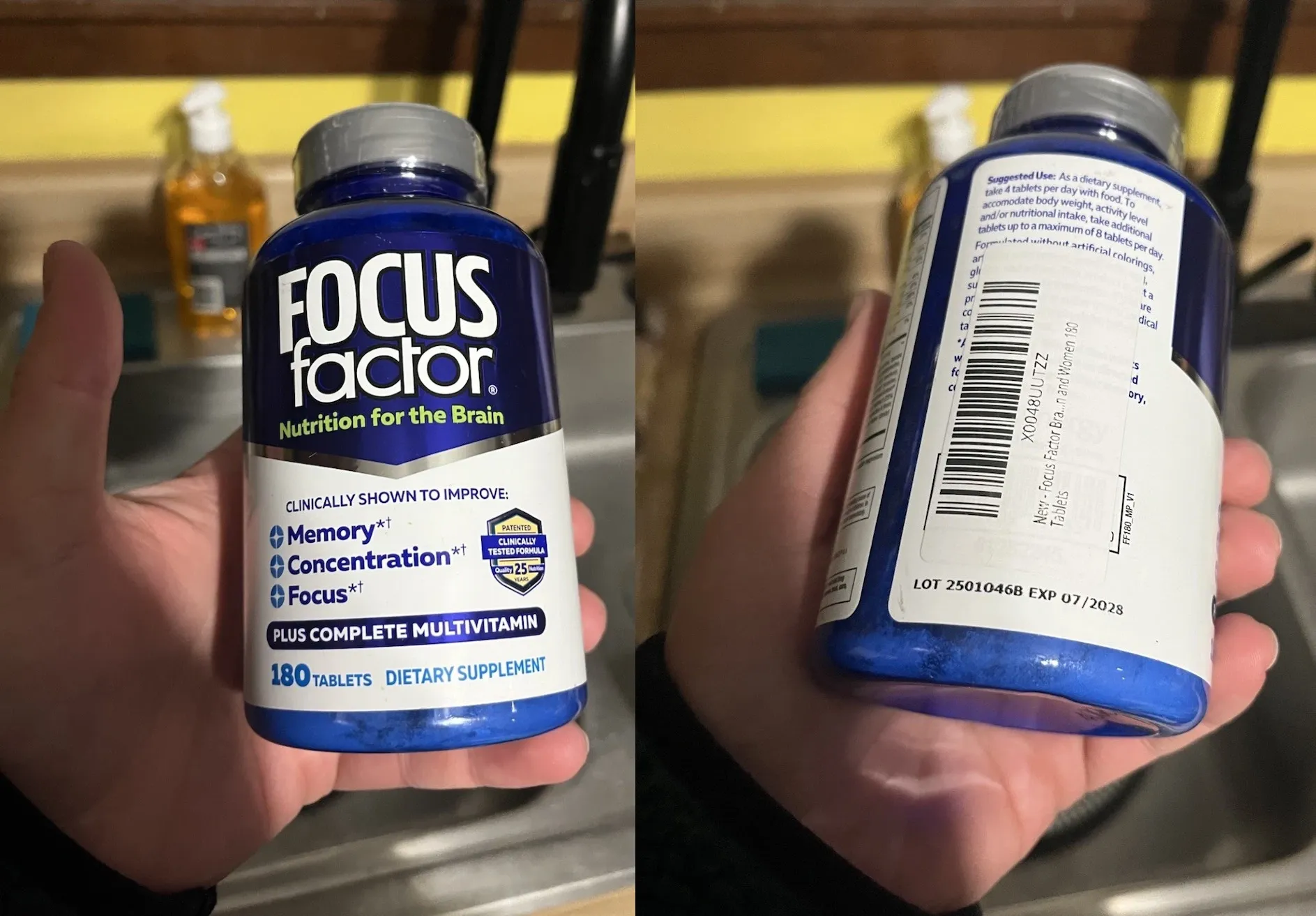
For years, I considered myself a focused, productive person. I used to power through long workdays, manage multiple projects, and still have enough mental energy left to read at night. But somewhere along the way, things changed. I started forgetting small but important details. I would walk into a room and completely forget why I was there. I’d reread the same paragraph three times before it made sense. During meetings, my mind drifted. Deadlines felt heavier. My mental clarity felt… dulled.
At first, I blamed stress. Then I blamed sleep. Then I blamed aging. But when those explanations stopped satisfying me, I started searching for solutions.
That’s when I came across Focus Factor.
It was marketed as a brain health supplement formulated to enhance cognitive function, support memory, and improve focus. Manufactured by Factor Nutrition Labs, LLC, Focus Factor contains a long list of ingredients — omega-3 oils, minerals, botanical extracts, vitamins, and compounds said to support brain performance. The branding made it sound comprehensive. It wasn’t just one or two ingredients — it was a blend designed to cover multiple cognitive pathways.
I wasn’t expecting miracles, but I was hoping for noticeable improvement — sharper thinking, stronger recall, more sustained attention. I ordered a bottle and committed to trying it consistently for three months. This is my detailed, first-hand review of what I discovered over three months using Focus Factor — the results, the side effects, and whether it is a scam or legit.
What Is Focus Factor?
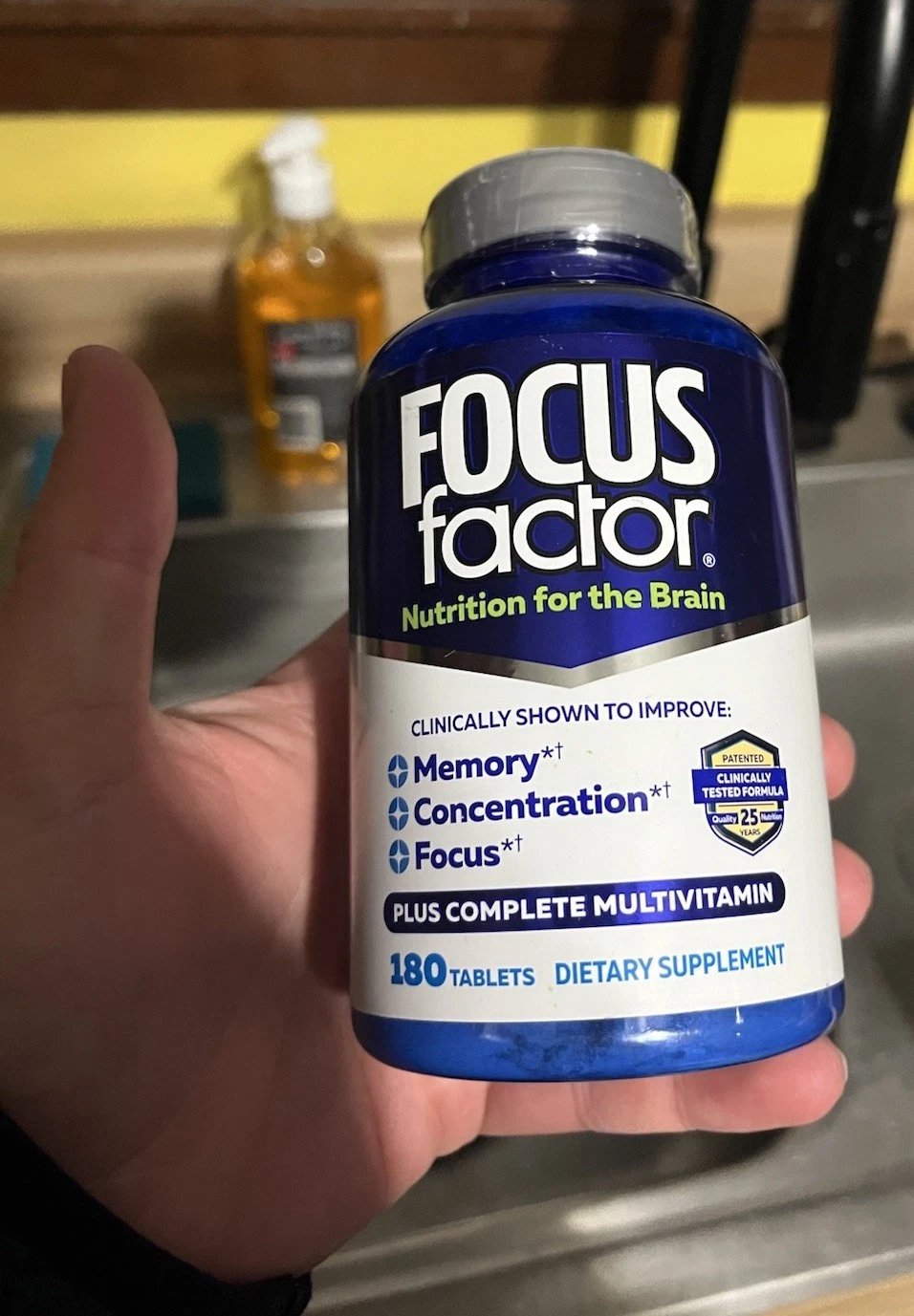
Focus Factor is a dietary supplement designed to support brain function, memory, and overall cognitive performance. It comes in pill form and contains a combination of vitamins, minerals, omega-3 fatty acids, amino acids, and botanical extracts.
According to its manufacturer, Factor Nutrition Labs, LLC, Focus Factor was formulated to enhance cognitive performance by delivering nutrients the brain needs to function optimally. The company positions it as a memory supplement — often referred to as “memory pills” — aimed at adults who want to improve focus, concentration, and mental clarity.
The formula contains a wide spectrum of ingredients rather than focusing on just one or two compounds. The idea is that these ingredients work together to support:
- Memory retention
- Concentration
- Mental clarity
- Overall brain performance
It’s marketed toward students, professionals, and older adults concerned about memory decline.
On paper, it sounds promising. But as I’ve learned over the years, a long ingredient list doesn’t automatically equal strong results.
How Does It Work?
The theory behind Focus Factor is straightforward: supply the brain with nutrients that support neurotransmitter production, neural communication, and cellular health.
The supplement contains:
- Nutrients involved in acetylcholine production (important for memory)
- Compounds thought to enhance blood flow to the brain
- Amino acids that may support neurotransmitter balance
- Omega-3 fatty acids known to support neuronal membrane health
The brain requires constant energy and a steady supply of nutrients to function efficiently. In theory, if your diet is lacking in certain micronutrients or fatty acids, supplementing could improve mental performance.
However, the key phrase here is “in theory.”
Cognitive enhancement supplements often rely on incremental support rather than dramatic transformation. They aim to optimize existing brain function, not fundamentally change it.
That distinction became important in my experience.
Ingredients In Focus Factor
Before diving into the specific ingredients, I always look at safety. Brain supplements can sometimes include stimulants or compounds that interact with medications. In the case of Focus Factor, the formula contains a mix of vitamins, fatty acids, and cognitive-support compounds. While many of these ingredients have some research behind them, individual responses can vary. I made sure to check for potential interactions before starting.
Here are the key ingredients I focused on:
🌿 Choline
Choline is an essential nutrient that plays a major role in the production of acetylcholine, a neurotransmitter involved in memory and learning. Acetylcholine is critical for communication between neurons. Some research suggests that higher choline intake may support cognitive performance, particularly in aging populations. In theory, adding choline could enhance memory formation and recall.
🌿 Vinpocetine
Vinpocetine is derived from the periwinkle plant. It is often included in nootropic supplements because it’s believed to improve blood flow to the brain. Improved circulation could theoretically enhance oxygen and nutrient delivery to brain cells. However, vinpocetine has been somewhat controversial in regulatory discussions, and evidence of its effectiveness in healthy individuals remains mixed.
🌿 Dimethylethanolamine (DMAE)
DMAE is thought to support acetylcholine levels, similar to choline. It’s sometimes marketed as a compound that enhances focus and mood. However, clinical evidence for significant cognitive improvement in healthy adults is limited. Some users report mild stimulation effects.
🌿 L-Glutamine
L-glutamine is an amino acid involved in many metabolic processes. In the brain, it plays a role in neurotransmitter balance. While it is important for overall health, its direct impact on cognitive enhancement in healthy adults is not strongly established.
🌿 Docosahexaenoic Acid (DHA)
DHA is an omega-3 fatty acid and a major structural component of the brain. It supports neuronal membrane integrity and communication between brain cells. Among all the ingredients, DHA has some of the strongest research supporting its role in brain health — especially long-term brain maintenance rather than short-term focus boosts.
When I looked at the formula overall, I felt cautiously optimistic. Some ingredients were backed by solid science (like DHA), while others seemed more speculative.
Why Did I Buy Focus Factor?
I bought Focus Factor because I was frustrated. I didn’t feel sharp anymore. I was slower at problem-solving. I was more easily distracted. I found myself procrastinating because mental tasks felt heavier than they used to.
Coffee wasn’t solving the issue. In fact, too much caffeine was making things worse — jittery but still unfocused.
I didn’t want prescription medication. I wasn’t looking for an extreme stimulant. I wanted something natural that could gently support my brain’s performance.
The marketing for Focus Factor appealed to me because:
- It was widely available.
- It had a long ingredient list.
- It claimed to support memory and focus comprehensively.
- It wasn’t positioned as an aggressive stimulant.
I wasn’t expecting a miracle. But I was expecting noticeable improvement.
My Experience After 3 Months Using Focus Factor
This is where things get real. I committed to using Focus Factor consistently for three full months. I didn’t skip days. I followed the recommended dosage. I wanted to give it a fair trial.
Month 1: Mild Curiosity and Subtle Changes
During the first month, I was hyper-aware of every mental shift.
- First week: I didn’t notice much. No dramatic increase in focus. No sudden clarity.
- Second week: I felt a slight improvement in mental stamina during long tasks.
- Third week: I noticed I was a bit less distracted while reading.
- Fourth week: I felt small improvements in recall — but nothing life-changing.
Bullet breakdown:
- Slight improvement in sustained attention.
- No major increase in productivity.
- No energy boost.
- No dramatic memory improvements.
- Mild digestive discomfort during the first week.
The biggest takeaway from month one was this: any improvement was subtle. I wasn’t blown away. But I wasn’t completely disappointed either.
Month 2: Stabilization but No Breakthrough
By month two, I expected stronger results.
Instead, what I experienced was stabilization.
- My focus didn’t worsen.
- It didn’t dramatically improve either.
- I felt slightly more consistent mentally, but not sharper.
Bullet breakdown:
- Memory recall improved slightly during conversations.
- Task switching felt marginally easier.
- No increase in creativity.
- No noticeable boost in motivation.
- Still relying heavily on caffeine.
This was the month I realized something important: Focus Factor might support baseline brain health, but it wasn’t transforming my cognitive performance.
I kept waiting for a “wow” moment. It never came.
Month 3: Honest Assessment
By the third month, I had settled into a routine.
I stopped looking for daily changes and instead evaluated overall trends.
Here’s what stood out:
- My focus was a bit more stable than before starting.
- Brain fog episodes were slightly less frequent.
- My memory felt mildly supported — especially short-term recall.
- I did not feel dramatically more productive.
Bullet breakdown:
- Slight improvement in reading endurance.
- No major increase in work output.
- No strong motivational surge.
- No noticeable improvement in mental speed.
- Still experiencing occasional afternoon mental crashes.
After three months, I had to be honest with myself.
Focus Factor helped a little. But it did not work as well as I hoped.
It felt more like a gentle nutritional support supplement rather than a powerful cognitive enhancer.
Pros and Cons of Focus Factor
| Pros | Cons |
|---|---|
| Contains DHA, which has strong research supporting long-term brain health. | Results were subtle and not dramatic for me. |
| Widely available and easy to purchase. | Requires multiple pills daily, which can be inconvenient. |
| No extreme stimulant effect or jitteriness. | Large ingredient list makes it hard to know what is actually working. |
| May support mild improvements in focus consistency. | Slight digestive discomfort during initial use. |
| Not ideal if you want immediate cognitive enhancement. | |
| Expensive compared to single-ingredient alternatives. |
Side Effects That I Got
Personally, I experienced:
- Mild stomach discomfort during the first week.
- Slight headaches during the adjustment period.
- No severe reactions.
The side effects were manageable and temporary. But they were noticeable enough to mention.
Is Focus Factor Safe?
For most healthy adults, Focus Factor appears generally safe when used as directed. The ingredients are commonly found in dietary supplements.
However:
- Vinpocetine may not be suitable for everyone.
- Anyone on blood thinners or medications should consult a doctor.
- Pregnant or breastfeeding individuals should avoid it unless advised otherwise.
As always, supplement safety depends on individual health conditions.
Who Should Use It, and Who Should Avoid?
| Who Should Use Focus Factor | Who Should Avoid Focus Factor |
|---|---|
| Adults experiencing mild focus decline who want nutritional support rather than stimulation. | Individuals expecting dramatic cognitive enhancement. |
| Those looking for a broad-spectrum brain formula. | People sensitive to multi-ingredient supplements. |
| Individuals wanting long-term brain health support. | Anyone with medical conditions without doctor approval. |
| People avoiding strong stimulants. | Pregnant or breastfeeding women without medical supervision. |
How To Use Focus Factor
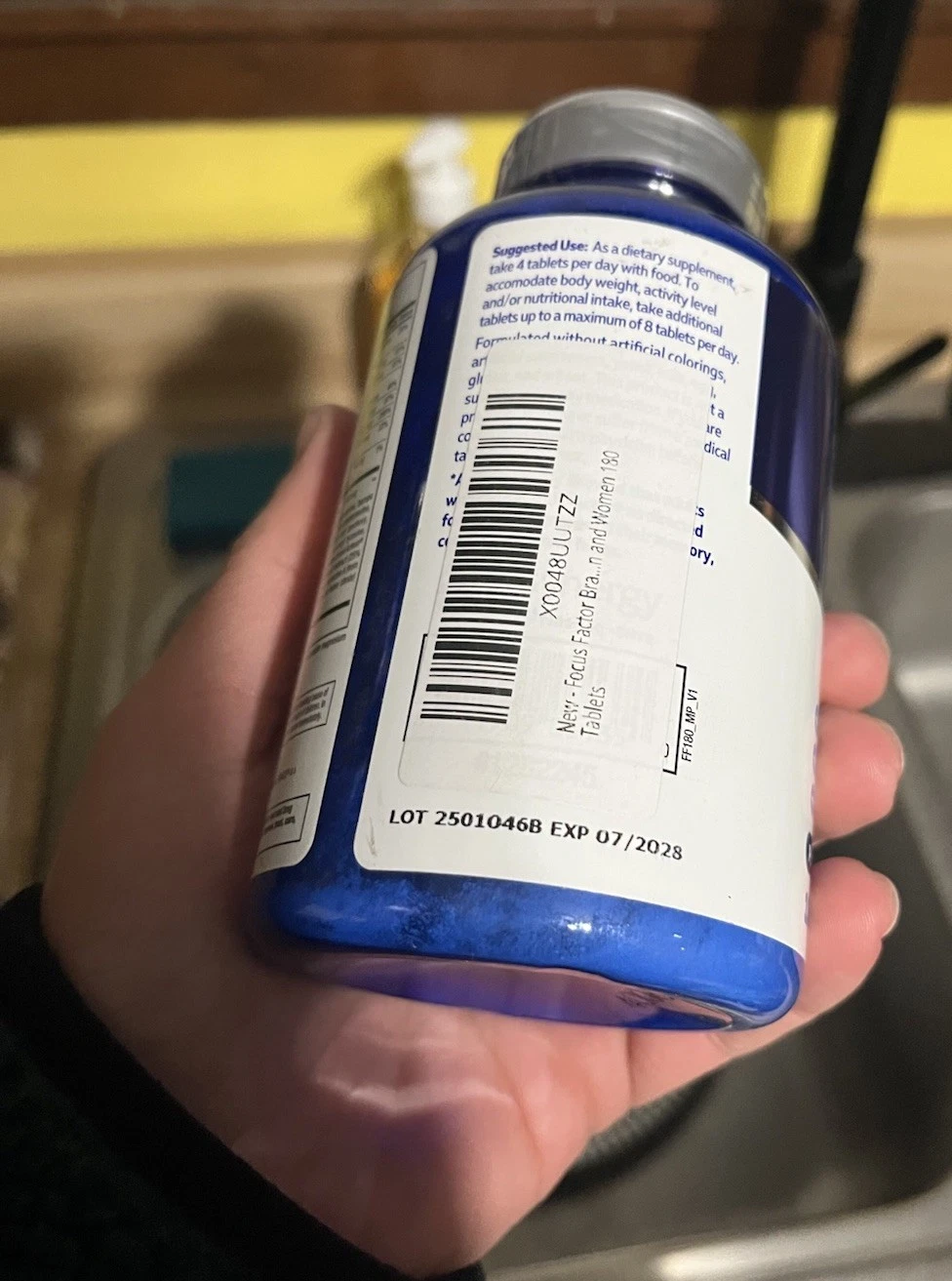
The recommended dosage is multiple tablets daily, typically taken with meals. I followed the instructions exactly and did not exceed the suggested serving size. Consistency is important. Skipping days would likely reduce effectiveness.
Is Focus Factor a Scam?
I would not call Focus Factor a scam. It contains legitimate ingredients. It is manufactured by a real company. It delivers what it promises in a mild way.
However, I would say the marketing might lead some people to expect more dramatic results than they’ll realistically experience. For me, it wasn’t transformative.
Conclusion: Should You Buy Focus Factor?
After three months, my conclusion is balanced.
First, I appreciate that Focus Factor did provide mild cognitive support. I felt slightly more stable mentally. My memory recall improved a bit. It didn’t cause severe side effects. It wasn’t a negative experience.
Second, it simply didn’t go far enough for me. I was looking for sharper clarity, stronger motivation, and noticeable productivity gains. Those things didn’t fully materialize.
Third, I think it may work better for someone with nutrient deficiencies or very mild cognitive concerns. If you’re expecting a powerful nootropic effect, you may be disappointed.
Finally, I personally decided to explore other options after finishing my third month. I need something stronger — something that moves the needle more significantly.
Focus Factor isn’t bad. It just wasn’t powerful enough for my needs.
If you are interested in Focus Factor, please click here to check the price on Amazon.
My #1 Alternative To Focus Factor
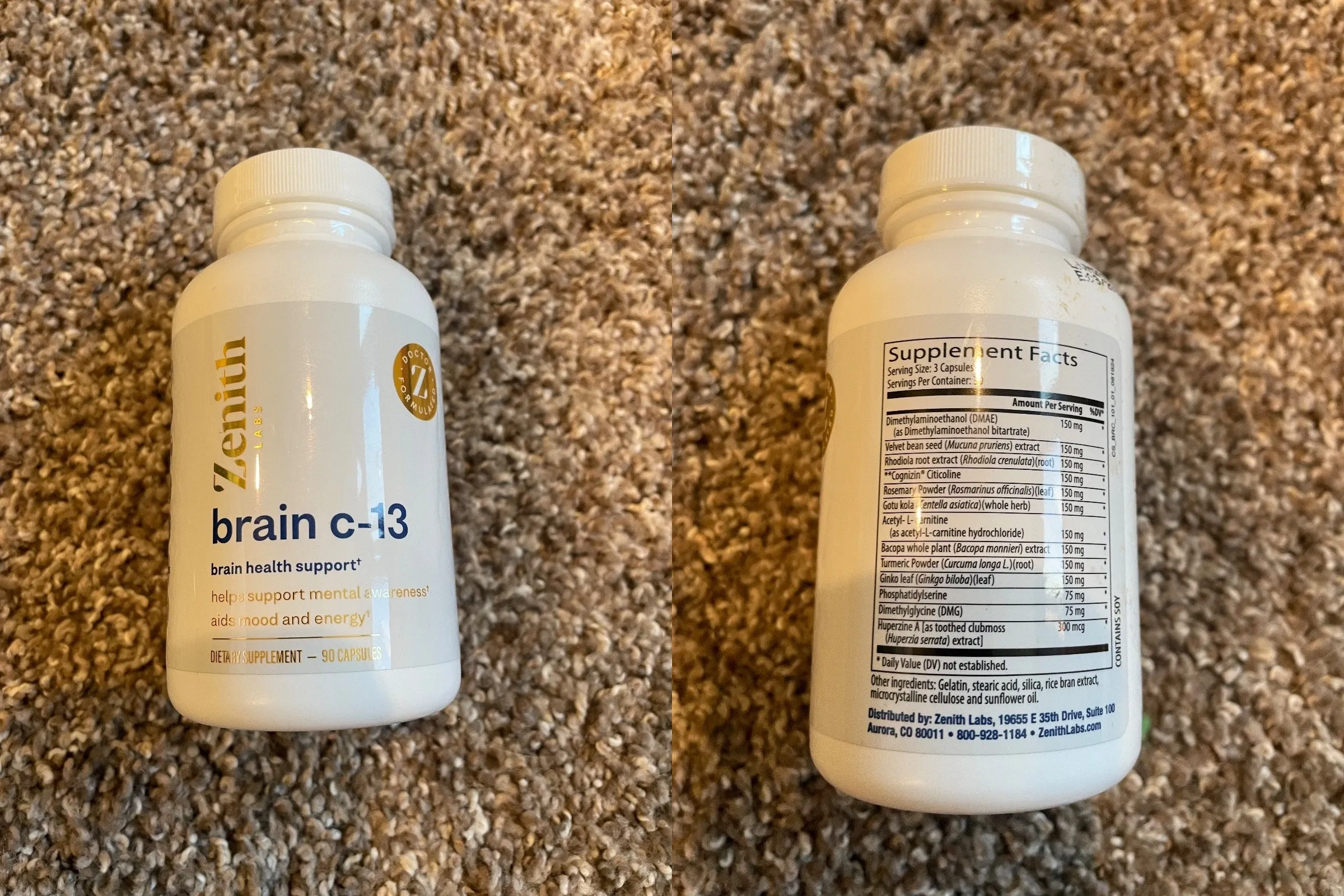
After my experience with the Focus Factor supplement, I switched to the supplement called Brain C-13 by Zenith Labs, and the difference was night and day.
Disclaimer: This review reflects my personal experience with Focus Factor. Results may vary. This content is for informational purposes only and should not replace professional medical advice. Always consult a healthcare professional before starting any supplement.
 Anna Caldwell