

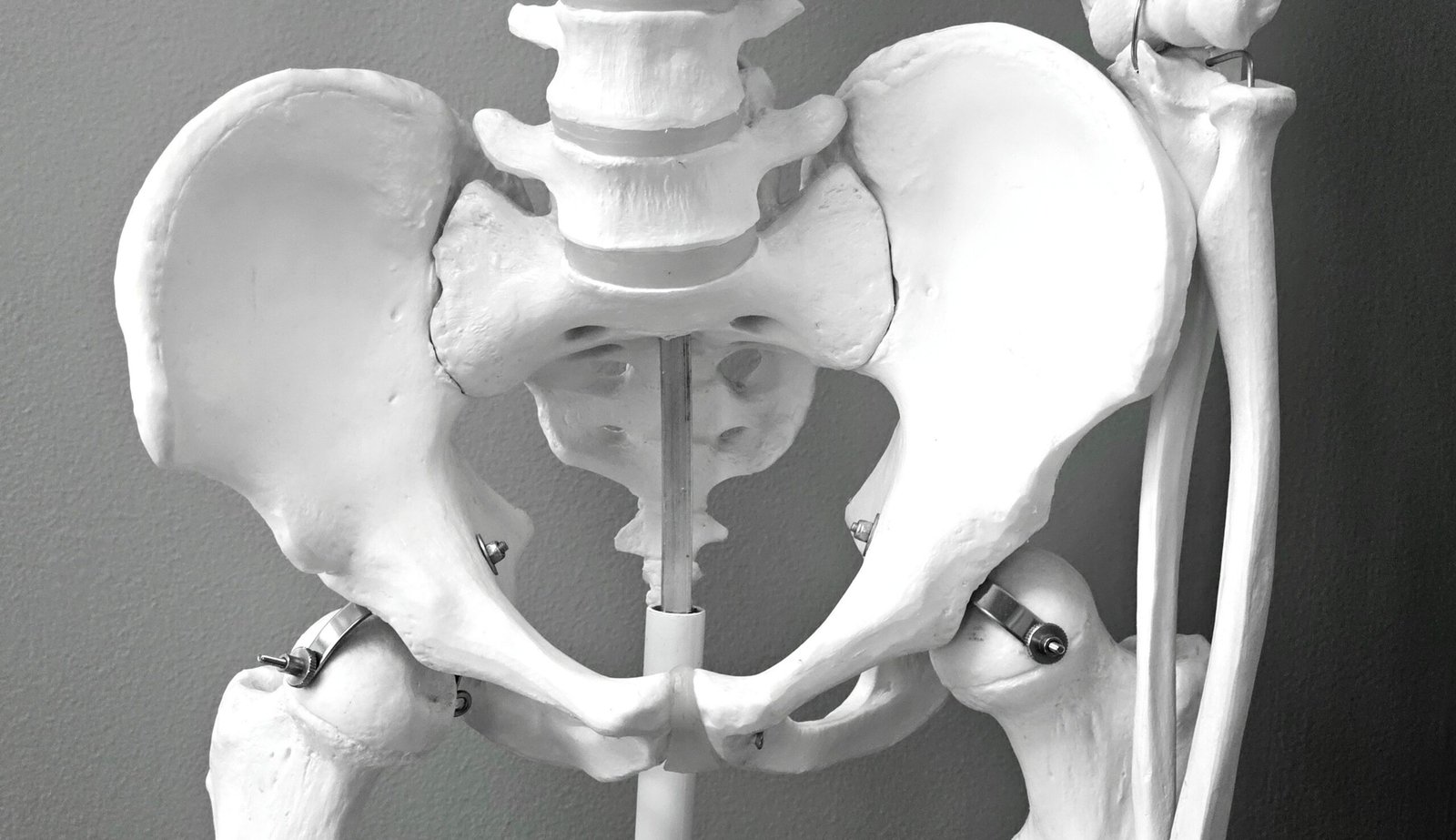
The sciatic nerve rarely gets credit when everything is working. You step off a curb, bend your knee to climb the stairs, or feel the floor beneath your bare feet without giving it a second thought. Then, one day, a streak of pain travels from your buttock down your leg, and suddenly that same nerve is the first thing you want to know about. I like to start with what the nerve does on an ordinary day, because that also explains what can go wrong. It carries signals that help you move your leg and foot, and its branches carry sensation back from much of your lower leg and foot.
The sciatic nerve is the largest nerve in the human body. You have one on each side. Each forms from nerve fibers originating in the lower lumbar and upper sacral spine, passes deep through the buttock, and runs down the back of the thigh before splitting into two main branches. Sciatica is a symptom pattern, not another name for the nerve. In many cases, the irritation that produces sciatic leg pain starts at a nerve root in the lower back, before those fibers have even joined the main sciatic nerve. That’s how someone can feel most of their discomfort in a calf or foot even though the problem starts several feet away.
In this guide, I’ll trace the nerve from the lower spine to the foot, explain what gives sciatic pain its characteristic feel, and show where the usual explanations can be misleading. I’ll also cover what a clinician looks for during an exam, when symptoms call for urgent care, and what everyday products can realistically do to make a flare-up more manageable.
Where Is the Sciatic Nerve?
The route begins with fibers from five spinal levels, L4, L5, S1, S2, and S3. The letters refer to the lumbar and sacral parts of the spine. After leaving the spine, these fibers come together in a network of nerves in the pelvis, where some of them bundle into the sciatic nerve. I find it useful to picture a cable made from several smaller bundles. A problem can affect one group of fibers near its starting point or the larger cable farther along, and those two problems don’t necessarily produce the same symptoms.
From the pelvis, the nerve normally passes beneath the piriformis, a small muscle deep in the buttock. It then travels beneath the larger gluteal muscles and down the back of the thigh. The route varies a little from person to person, including where the nerve divides and how it passes the piriformis. For most people, the main trunk separates near the back of the knee. The two branches are the tibial nerve and the common fibular nerve, which you may also see called the common peroneal nerve.
That branching point clears up a common misunderstanding. People often say the sciatic nerve runs all the way into the toes. That’s a reasonable shorthand for where its fibers ultimately go, but the main trunk doesn’t arrive at the foot intact. The tibial branch continues down the back of the lower leg and supplies the sole through its branches. The common fibular branch curves around the outside of the knee, near the top of the fibula, and splits again to supply parts of the front and outside of the lower leg and the top of the foot. The farther down the limb you go, the more useful it becomes to ask which branch is involved.
Anatomy also explains why the spot that hurts isn’t always the spot that needs attention. Take tingling on the top of the foot. It could be part of a pattern that starts at a spinal nerve root, but a problem affecting the common fibular nerve farther down can produce symptoms in some of the same territory. The location gives a clinician a starting point. It doesn’t tell the whole story without information about strength, sensation elsewhere, and how the symptoms began.
What Does the Sciatic Nerve Actually Do?
The sciatic nerve is a mixed nerve, meaning it carries both motor and sensory signals. Motor signals travel toward muscles and tell them to contract. Sensory signals travel back toward the central nervous system and convey information from the tissues those nerve fibers serve. I think of both jobs when I picture walking across a room. You need enough strength to clear your toes off the floor and push off through your foot, but you also need feedback about where that foot has landed.
In the thigh, the sciatic nerve supplies most of the hamstring muscles, which help bend the knee and contribute to hip extension. Below the knee, its branches take on much of the work of moving the ankle and foot. The tibial nerve helps power the calf muscles you use to rise onto your toes. Branches of the common fibular nerve help lift the front of the foot and toes, an action known as dorsiflexion, and help turn the foot outward. When the muscles that lift the foot become weak, a person may catch their toes on the ground or find that the foot slaps down when they walk. That pattern, known as foot drop, deserves prompt evaluation. It can arise from more than one location along the nerve pathway.
The nerve’s sensory territory is broad, but it isn’t the entire leg. For example, a separate nerve supplies the skin over the back of the thigh even though the sciatic nerve runs deeper through that area. That distinction helps explain why pain that seems to run through the back of the thigh and a patch of reduced skin sensation aren’t the same finding. You can feel pain traveling through an area without the overlying skin being numb. A clinician can learn something from that difference by testing where touch feels altered rather than relying only on a description of where it hurts.
The Sciatic Nerve, Sciatica, and Ordinary Back Pain
The distinction I find most useful is between the body part, the symptom pattern, and the source of the problem. The sciatic nerve is the body part. Sciatica describes pain that radiates into the leg in a pattern consistent with nerve irritation, often originating at a spinal nerve root. Other kinds of back pain can also spread into the buttock or thigh. That overlap is one reason a pain map is helpful but isn’t a reliable do-it-yourself diagnostic test.
| Term or pattern | What it refers to | What can help distinguish it |
|---|---|---|
| Sciatic nerve | A normal anatomical structure that begins in the pelvis and supplies muscles and sensation through its branches. | You have a sciatic nerve on each side whether or not you’ve ever had back or leg pain. The name itself doesn’t imply a disorder. |
| Sciatica | Leg pain associated with irritation along the nerve pathway, commonly at a lower spinal nerve root. | Pain often travels down one leg and can reach the calf or foot. Burning, tingling, or numbness may accompany it, but not everyone has every symptom. |
| Lumbar radiculopathy | Impaired function of a nerve root in the lower spine. It can occur with radiating pain, but there can also be loss of function without prominent pain. | An examination may reveal measurable weakness, changes in sensation, or a reduced reflex. Those findings can help identify the root involved. |
| Local or referred back pain | Pain felt in the back or spread from nearby structures into areas such as the buttock or thigh, without necessarily involving a nerve root. | An ache can spread without causing the pattern of weakness, altered sensation, or reflex change that raises concern for impaired nerve function. |
There’s also a difference between pain making a movement unpleasant and actual weakness making it hard to perform. If a person avoids a step because it hurts, that isn’t necessarily the same as suddenly being unable to lift the front of the foot, even when trying. The two can coexist, so this isn’t a distinction I’d expect anyone to settle by testing themselves at home. What helps is reporting an observable change, such as new tripping, rather than writing it off because the pain hasn’t grown worse. Pain intensity and nerve function don’t always change together.
What Can Irritate the Sciatic Pathway?
A herniated disc near a nerve root
Spinal discs sit between the vertebrae and help the spine move and handle loads. A herniated disc occurs when some disc material pushes out through its outer layer. If that material irritates a nearby nerve root, the result can be leg pain, sometimes with tingling or numbness. Both physical pressure and local inflammation can play a role. That helps explain why the size of a finding on a scan and the amount of pain someone feels don’t necessarily match neatly. It also explains why focusing only on where the leg hurts can miss the starting point.
A disc finding is more useful when it fits the rest of the picture. If a scan shows a change on one side but the symptoms and exam point to the other, that finding may not explain the pain. This is one of the reasons I wouldn’t read an imaging report as a verdict in isolation. The practical question is whether what appears on the scan fits the person’s symptoms, examination, and treatment options.
Narrowing around the spinal nerves
Spinal stenosis is narrowing in the spinal canal or in the spaces through which nerves travel. Another possible cause is spondylolisthesis, in which one vertebra slips relative to the next and may reduce the space available for nerves. These problems can develop gradually. Some people with lumbar spinal stenosis notice leg symptoms when standing or walking that ease when they sit or bend forward. That pattern is worth mentioning during an assessment because it tells the clinician something a pain score alone can’t. It still doesn’t establish the diagnosis, especially because other conditions can also make walking uncomfortable.
Irritation farther from the spine
The sciatic nerve itself can be injured or compressed after it leaves the pelvis. The deep buttock is one possible site, and trauma around the hip or pelvis can also affect the nerve. The piriformis gets much of the attention online because the nerve typically passes right beneath it, but proximity is not proof. Buttock pain that gets worse in a chair doesn’t automatically mean piriformis syndrome. Spinal, hip, and surrounding soft-tissue problems can overlap, and an exam can help separate them. I’d be wary of assuming that one stretch, pressure point, or massage technique can establish the cause simply because it changes how the area feels.
What Sciatic Nerve Pain Can Feel Like
The classic description is a sharp, burning, or electric pain that travels from the buttock down one leg. One person may feel an almost continuous line of discomfort along the back of the thigh and calf. Another may notice occasional jolts followed by a patch of numbness around the foot. Lower back pain can be part of the picture, but it doesn’t have to be the most noticeable symptom. A cough, sneeze, change in position, or certain movement can make the leg pain spike. Conversely, pain that stays entirely in the lower back is less typical of sciatica.
When I think about what’s useful to write down before an appointment, I put the farthest point the symptoms reach high on the list. “It goes down my leg” can mean anything from an ache just below the buttock to numbness in the toes. It also helps to separate the symptoms rather than giving the whole leg one description. A note such as “the buttock aches, the calf burns, and the outside of my foot feels numb” conveys more than a single rating out of ten. Mention whether symptoms are constant or come and go, and whether sitting, walking, or getting up from a chair changes them.
It’s equally useful to describe what has changed in daily life. A person who can walk around the block again but still gets the occasional twinge after a long drive may be moving in the right direction. A person whose pain has eased but whose foot is now catching on stairs needs a different kind of attention. I wouldn’t use the intensity of the most recent jolt as the only measure of what’s happening. Changes in walking, balance, or control of the foot can be more informative than how the pain felt at its worst.
When Sciatica Symptoms Need Medical Attention
Many episodes improve over a few weeks to a few months, but it’s important to know what falls outside the usual course. Seek emergency care immediately for new numbness around the genitals, anus, or inner thighs, or a new change in bladder or bowel control. New sciatica affecting both sides, especially alongside severe or worsening leg weakness or numbness, also needs emergency assessment. These symptoms can point to compression of the bundle of nerves at the base of the spine, a condition called cauda equina syndrome. The warning signs don’t have to arrive together before you act.
- Treat new bladder or bowel changes as urgent. Trouble starting urination, being unable to urinate, leaking urine or stool unexpectedly, or losing the usual awareness that you need to pass stool aren’t symptoms to watch at home when they accompany back or leg symptoms. Seek emergency care even if the leg pain seems tolerable.
- Pay attention to new weakness or a change in walking. If you suddenly can’t lift the front of a foot or you start tripping because your toes catch, seek prompt medical assessment. Severe or worsening weakness or numbness in both legs, or weakness alongside saddle numbness or bladder or bowel changes, calls for emergency care.
- Arrange an appointment if the pain is getting worse or limiting normal life. If there are no emergency signs but the pain is worsening, stopping you from doing ordinary activities, or showing no improvement after a few weeks of home care, it’s reasonable to get it assessed. You don’t need to wait for the pain to become unbearable before asking for help.
How Clinicians Work Out Where the Problem Starts
A good assessment begins with the story of the symptoms. A clinician will typically want to know where the pain starts and ends, whether it affects one or both sides, what changes it, and whether there has been an injury or new difficulty walking. Next comes an exam that may include comparing strength and sensation on both sides, checking reflexes, and watching how you walk. Examining the hip or the area around the knee can help if the findings don’t point clearly toward the spine. The aim is to locate the problem well enough to decide what to do next, not simply to confirm that the leg hurts.
One common maneuver is the straight-leg raise. The clinician lifts a leg while the knee stays straight and notes whether the movement recreates the familiar radiating pain. A feeling of tightness in the hamstring isn’t the same finding as reproducing the leg symptoms that brought someone in. Even a result consistent with nerve irritation has to be read alongside the rest of the exam. That’s why I wouldn’t use an online video to turn the maneuver into a self-diagnosis, especially if repeatedly trying it makes the leg hurt more.
An MRI can be useful, but routine imaging isn’t the usual starting point for uncomplicated sciatica. NICE advises against routinely offering imaging in a nonspecialist setting and recommends considering it in specialist care when it’s likely to change management. An MRI matters in a different way if there are emergency warning signs, worsening neurological findings, or persistent symptoms for which a procedure is being considered. In those circumstances, the results can help answer a specific question rather than simply adding a list of spinal changes to the chart.
What Helps During Recovery?
Keep moving at a level you can manage
The instinct to stop moving makes sense when getting out of a chair sends pain down your leg. But prolonged bed rest is generally not recommended for uncomplicated sciatica. The guidance I find most practical is to stay active within what you can manage, then build gradually rather than trying to return to everything on the first good day. For someone who finds long periods in one position uncomfortable, short movement breaks or several manageable walks may be more realistic than a single long session. If a particular activity repeatedly increases leg symptoms or you notice new numbness or weakness, seek advice rather than trying to push through it.
Physiotherapy can help translate broad advice into a plan for a real day. Getting through a commute, standing long enough to cook, and returning to a physical job are different goals, even when the diagnosis sounds the same. A physiotherapist can assess which movements are tolerable, help you adjust their intensity, and build toward the tasks you need to do. There isn’t a single stretch that suits every source of sciatic pain. The useful exercises are the ones that match the person’s symptoms and ability, not the ones that produce the strongest sensation.
Put medicines, injections, and surgery in context
Over-the-counter medicines aren’t equally useful for every kind of back or leg pain. NICE notes limited evidence of benefit from anti-inflammatory medicines such as ibuprofen for sciatica and advises weighing possible harms. These medicines may be unsuitable for some people, including those with certain kidney, stomach, or cardiovascular problems or those who take interacting medications. NICE also recommends against routinely using gabapentinoids, oral corticosteroids, or benzodiazepines for sciatica and against using opioids for chronic sciatica. A pharmacist or clinician can help review your options, particularly if you already take medication for another condition. Don’t stop a prescribed medicine abruptly based on general guidance.
For selected people with acute, severe sciatica, a specialist may consider an epidural injection. Surgery is another option when nonsurgical care hasn’t improved pain or function and imaging shows a finding that matches the symptoms. A BMJ review of randomized trials found that, for people with sciatica due to a herniated disc and a surgical indication, discectomy could improve leg pain faster than nonsurgical care, but the advantage declined over time. The evidence was rated low to very low certainty. I’d read that finding as a reason to talk about speed of relief, current limitations, and surgical risks together, not as a blanket argument either for or against surgery.
How Products Can Help With Sciatica Discomfort
The best way I’ve found to make sense of this category is to start with the task you want to make easier. If the muscles around your lower back feel tight after a day of guarding against pain, gentle warmth serves a different purpose from a cushion that makes a desk chair more tolerable. And if you prefer a brief cooling sensation, you may get what you need from a wrapped cold pack without buying anything elaborate. These are comfort aids. They don’t move a herniated disc, decompress a nerve root, or restore lost strength. A Cochrane review found some short-term benefit from heat wraps for ordinary low back pain, but that isn’t proof that an electric pad treats sciatica. Evidence for cold was more limited.
Here are three products to search for by name on Amazon. I chose them to cover different uses, not as a clinical ranking or a suggestion to buy all three. The aim is to solve a specific comfort problem without making it harder to notice a change in symptoms that needs medical attention.
- Pure Enrichment PureRelief XL King Size Heating Pad. I’d consider this style of pad when the main goal is gentle warmth over a broad area of the lower back or buttock. The XL design offers more coverage than a small spot warmer, and adjustable heat lets you start on a low setting rather than relying on a single temperature. The useful test is whether the warmth makes it easier to relax or change position afterward. It isn’t whether you can feel heat reaching the nerve. Follow the manufacturer’s instructions, don’t sleep with the pad on, and don’t apply it over numb skin or anywhere you can’t reliably judge the temperature.
- ComfiLife Gel Enhanced Seat Cushion. This is a contoured gel-and-foam cushion for someone whose immediate problem is getting comfortable in a firm chair. The fit matters more than the word “orthopedic” on a listing. A cushion raises your seated height, so check that your feet still have stable support and that the front of the seat doesn’t press behind your knees. If it shifts you into an awkward position or makes symptoms travel farther down the leg, there’s no reason to keep using it. A useful cushion makes unavoidable sitting more tolerable without replacing regular position changes.
- NatraCure FlexiKold Gel Ice Pack. A reusable, flexible pack is worth considering if you prefer cooling and want something that can rest across a wider area without feeling like a solid block. Its advantage over an improvised cold pack is mostly convenience. Wrap it in a cloth, keep applications brief, and follow the product instructions. Don’t use it over numb skin or where you can’t adequately judge the cold. I’d choose this only if cooling feels helpful to you. The colder the pack, the greater the risk to the skin, not the greater the benefit to the nerve.
Before buying anything, I’d try changing one thing you already control. If sitting is the problem, try a different chair height or build in shorter sitting periods. If warmth is appealing, a wrapped heat pack you already own can tell you whether it’s a useful approach before you invest in an electric pad. Judge the result by an ordinary task, such as whether you can finish a meal or get up for a short walk more comfortably. That’s a fair standard for a comfort aid, and it keeps temporary relief separate from recovery of sensation or strength.
My Takeaway on the Sciatic Nerve
The most useful thing I took from tracing the sciatic nerve is that where you feel a symptom and where it starts can be two different places. The nerve brings together fibers from the lower spine, travels through the buttock and back of the thigh, and divides into branches that help control the leg and foot. That long route explains how a nerve root in the back can produce pain near the toes. It also explains why a problem closer to the knee can sometimes look similar at first. Learning the route gives you a better way to describe what’s happening, even if it can’t tell you the cause on its own.
If symptoms are improving and normal movement is becoming easier, set your expectations around what you can do over time rather than whether every twinge has vanished. If the pain keeps getting worse, doesn’t improve, or interrupts everyday life, arrange an assessment. And if the picture changes from pain to new loss of strength, saddle numbness, or bladder or bowel changes, don’t let a good hour with a cushion or heating pad convince you to wait. The response you need depends on which symptoms are changing, not just how much the leg hurts today.
Medical Disclaimer
This article is for general education and does not provide a personal diagnosis or treatment plan. Back, buttock, and leg symptoms can have several causes, and a qualified healthcare professional can assess which explanation fits your symptoms and medical history. The products listed are examples of comfort aids, not treatments for nerve compression or a substitute for medical care. If you develop emergency symptoms such as new saddle numbness, bladder or bowel changes, or severe or worsening weakness or numbness in both legs, seek emergency care immediately.
References
- Giuffre BA, Black AC, and Jeanmonod R. Anatomy, Sciatic Nerve. StatPearls, hosted by the National Center for Biotechnology Information. This anatomical review explains the nerve’s spinal origins, its route through the pelvis and thigh, and how its branches contribute to movement and sensation in the lower limb.
https://www.ncbi.nlm.nih.gov/books/NBK482431/ - National Institute for Health and Care Excellence. Low Back Pain and Sciatica in Over 16s: Assessment and Management (NG59). This evidence-based clinical guideline informs the discussion of when imaging is useful, staying active, the limitations of medication, and when injections or surgery may be considered.
https://www.nice.org.uk/guidance/ng59/chapter/recommendations - National Health Service. Sciatica. This clinical resource describes the typical symptom pattern and expected course. It also distinguishes symptoms that warrant a routine assessment from warning signs that need immediate hospital care.
https://www.nhs.uk/conditions/sciatica/ - Liu C, Ferreira GE, Abdel Shaheed C, et al. Surgical Versus Non-Surgical Treatment for Sciatica: Systematic Review and Meta-Analysis of Randomised Controlled Trials. Published in BMJ, this review compares surgery with nonsurgical options for disc-related sciatica and distinguishes the prospect of faster relief from the smaller differences seen later.
https://pubmed.ncbi.nlm.nih.gov/37076169/ - French SD, Cameron M, Walker BF, Reggars JW, and Esterman AJ. Superficial Heat or Cold for Low Back Pain. This Cochrane review evaluates external heat and cold for low back pain. It provides context for short-term comfort measures without establishing that a heating pad or cold pack treats sciatic nerve compression.
https://pubmed.ncbi.nlm.nih.gov/16437495/