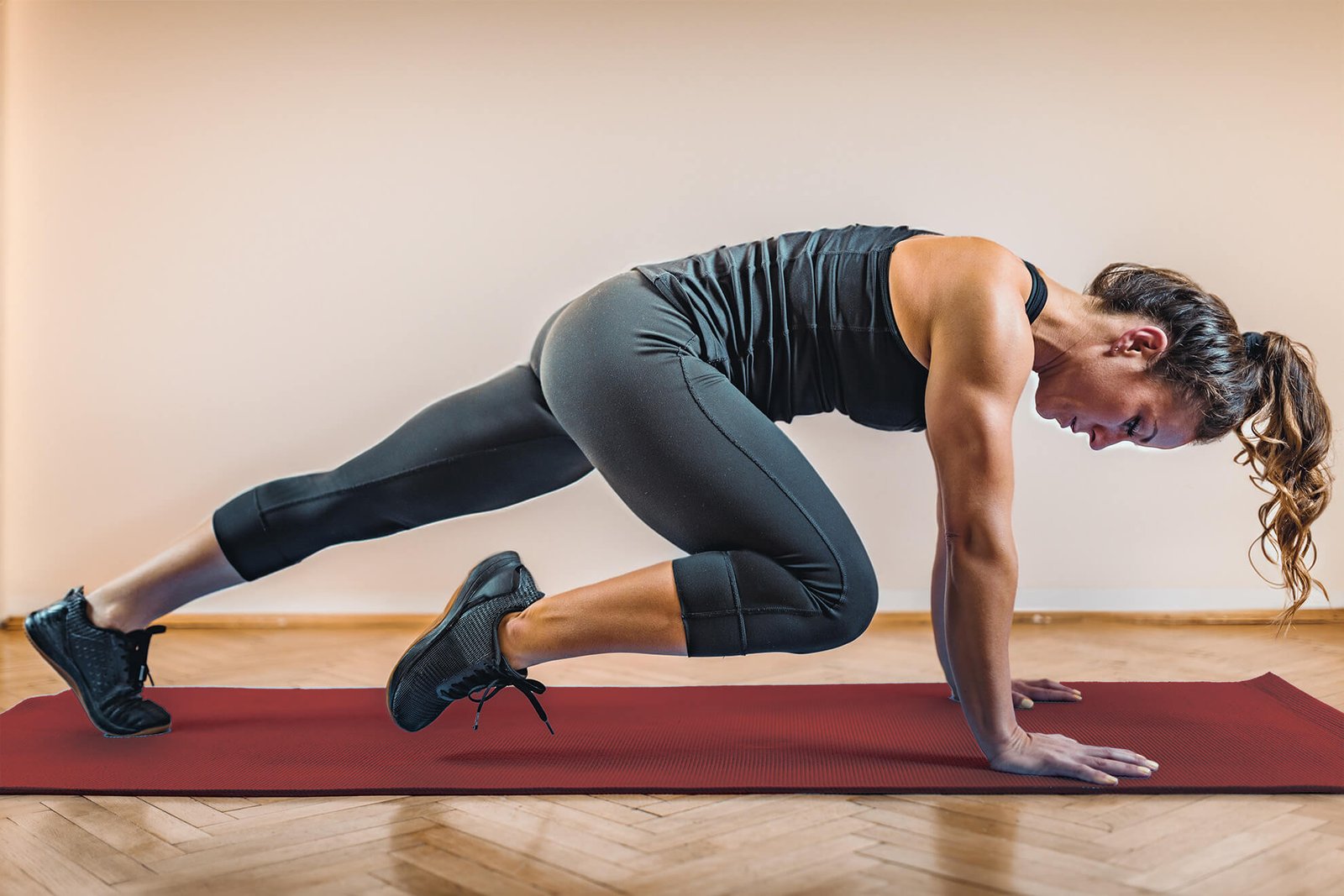
Every year, when January rolls around, I feel that familiar spark—the one that whispers, This time, let’s make it count. And if you’re reading this, chances are you’re feeling that spark too. I used to approach the New Year like a burst of confetti: all excitement, no structure. I’d try every workout trend imaginable, fall off after three weeks, and then spend the rest of the year feeling guilty about not “sticking to it.”
Eventually, after years of trial and error, a few humbling lessons, and a lot of personal experimentation, I discovered something important: you don’t need the fanciest routine, the trendiest equipment, or an athlete’s discipline to lose weight effectively. You just need the right strategy, realistic expectations, and the willingness to treat your body like an ally instead of a battleground.
So in this guide—not a guru-style lecture, but a conversation between two people trying to do better—I’m sharing the best exercises to lose weight for the New Year, based not only on research but on what has genuinely worked for me, my energy levels, and my sanity. I want this to feel like you’re getting advice from someone who’s walked the same road—not from a robot or a rigid personal trainer.
This article is detailed, long, and intentionally thorough because I want it to be something you can bookmark, come back to, and practically use—not just skim and forget. So grab a drink, get comfortable, and let’s build a New Year plan that doesn’t fizzle out by February.
Why Most New Year Weight-Loss Resolutions Don’t Work (And What I Learned the Hard Way)
Before we jump into exercises, I want to share a truth I wish I’d accepted years earlier: most New Year fitness plans fail because they’re too extreme, too vague, or too disconnected from real life.
I’ve lived through all three.
There were years I promised myself I’d run every day, ignoring the fact that I wasn’t a runner and my knees had filed several complaints. Other years, I created overcomplicated gym routines I couldn’t sustain unless I quit my job and lived on protein shakes. And then, of course, there were the vague resolutions: “get fit,” “lose some weight,” or my personal favorite, “tone up” (whatever that even meant at the time).
Here’s what fixed things for me:
I stopped forcing myself into workouts I hated, and I started choosing exercises with high payoff, low mental resistance, and a real metabolic advantage.
That shift changed everything.
And that’s exactly what this article focuses on: weight-loss exercises that are efficient, approachable, and scientifically backed—yet flexible enough that normal humans can do them consistently.
The Truth About Weight Loss and Exercise: What Actually Matters
One of the biggest misconceptions is that weight loss happens mainly in the gym. While movement is important, the real magic happens when you combine three things:
- Consistency
- Intensity (appropriate to your fitness level)
- Metabolic efficiency
Here’s the simple explanation I live by:
When you use exercises that make your body work harder even after you stop moving, you burn more calories around the clock. This is why certain workouts drastically outperform others—even if they take the same amount of time.
Another factor that matters more than most people realize: enjoyment. If you dread a workout, your brain treats it like a threat, and long-term adherence drops fast. That’s why this guide focuses on practical, multi-style exercise options, because the best routine is the one you will actually repeat.
Now let’s break down the most effective categories of weight-loss exercise and exactly how I use them (with real-life commentary, not fitness-model perfection).
High-Intensity Interval Training (HIIT): The New Year Secret Weapon for Fast Fat Burning
If there’s a “cheat code” to burn more fat in less time, it’s HIIT. I resisted it for years because I thought it required explosive burpees that make you question your life choices. But I eventually learned that HIIT isn’t a specific workout; it’s a format, and you can apply it to almost anything.
What makes HIIT so effective is a concept called EPOC, which basically means your metabolism stays elevated for hours after you’re done. A 20-minute HIIT session can outperform a full hour of slow cardio, especially for fat loss.
I like to use HIIT in short, sharp bursts—nothing that feels overwhelming. For example, during the early weeks of January, I often structure my HIIT sessions around movements I actually enjoy, like power walking, cycling, or even dancing.
When I started treating HIIT as a flexible template instead of a punishment, everything felt easier and more sustainable.
Strength Training: The Most Underrated Fat-Loss Tool (And My Personal Favorite)
For years, I avoided strength training because I assumed it was only for people trying to build big bulky muscles. If I could go back in time, I’d shake myself by the shoulders and say:
Strength training is the single best exercise for long-term, sustainable weight loss.
Why?
Because muscle increases your metabolic rate. That means you burn more calories even when you’re doing absolutely nothing. Strength training also tones the body in a way that pure cardio never will.
What I also appreciate is how empowering it feels. Unlike cardio, where I sometimes end up exhausted and sloppy, strength training gives me a sense of control. I start light, listen to my body, and slowly grow stronger week by week.
My favorite part is that strength training is endlessly customizable. Some days, I use dumbbells; others, I use resistance bands or just bodyweight. There’s no pressure to be perfect—only to show up and lift something.
Walking: The Most Sustainable and Shockingly Effective Weight-Loss Exercise
If HIIT is the “cheat code,” then walking is the “secret weapon hiding in plain sight.”
There’s something wonderfully underrated about walking. It’s gentle on the joints, easy to do anywhere, surprisingly calming, and best of all, it actually works.
During one particular New Year, when I was juggling work stress and couldn’t commit to intense workouts, I decided to walk every day—just 45 minutes. No speed goals, no special shoes, no apps yelling at me. Just walking.
To my amazement, I shed more fat that month than I had running on a treadmill the previous year.
Walking works because it taps into the fat-burning zone naturally without stressing the body. It lowers cortisol, improves insulin sensitivity, and builds a habit you can maintain even on your busiest days.
I often tell people: if all you do this New Year is walk more, you’ll still make progress.
Steady-State Cardio: How I Use It Without Burning Out
Steady-state cardio (the classic jogging, biking, or elliptical routine) has gotten a bad reputation, but it still has its place—if used wisely.
I categorize steady-state cardio as my “mental reset” workouts. On days when I’m anxious, overwhelmed, or just not in the mood to plan anything, I hop on a bike or go for a slow jog and allow myself to settle into the rhythm.
What I avoid is doing it every day or relying on it as the main fat-loss method. It’s easy to overdo, especially if you’re trying to undo a holiday season’s worth of indulgence. Instead, I treat steady cardio like comfort food—helpful occasionally, but not something I want to overconsume.
Compound Movements: The Calorie-Burning Titans
At some point in my fitness journey, I realized I had been wasting an incredible amount of time on tiny, isolated exercises. I’d do endless crunches, tricep kickbacks, and calf raises without seeing noticeable changes.
Then I learned about compound exercises, and suddenly everything clicked.
Compound movements recruit multiple muscle groups at once, which means:
- higher calorie burn
- more muscle recruitment
- better overall strength
- a shorter, more efficient workout
I ended up making compound exercises the core of my routines. They feel more dynamic, more natural, and the results come faster.
The best part is that compound exercises can be performed at any fitness level. You can start with bodyweight versions and progress at your own pace.
Functional Training: How I Stay Lean Without Feeling Like I’m Exercising
Functional training is one of my favorite discoveries because it doesn’t feel like exercise in the traditional sense. Instead, you mimic real-life movements—twisting, reaching, bending, stepping—and end up burning fat while building a more capable body.
What I love about functional workouts is the flow. There’s less rigidity and more natural movement, which makes the sessions feel joyful rather than forced.
I often recommend new exercisers begin with functional training because it builds confidence while also improving balance, coordination, and flexibility.
Low-Impact Workouts (Pilates, Yoga, Barre): My Go-To for Recovery Weeks and Stressful Seasons
Weight loss isn’t always about pushing yourself harder—it’s often about balancing your body’s needs. That’s where low-impact workouts become incredibly helpful.
I typically rotate low-impact sessions into my routine during:
- weeks when I feel sore
- periods of high stress
- times when motivation is fragile
- days when I want a gentler approach
Low-impact movements promote lean muscle, core strength, mobility, and controlled breathing—all of which support weight loss indirectly but powerfully.
I’ve also noticed that when I incorporate Pilates or yoga regularly, my posture improves, my cravings diminish, and my overall mood stabilizes.
One Exercise That Surprised Me: Jump Rope
There was a period when jumping rope became my secret New Year weapon. It’s one of the most calorie-dense exercises you can do without needing a gym, and it builds coordination and endurance quickly.
The first time I tried it as an adult, I lasted maybe 20 seconds before I was gasping for air. But that’s the beauty of jump rope—it humbles you fast and conditions you even faster.
I now weave it into warm-ups, HIIT circuits, or even quick 5-minute finishers at the end of a strength workout.
How I Combine These Workouts Into a Sustainable New Year Routine
One thing I’ve learned is that having a plan saves me from “decision fatigue.” When workouts are scheduled intentionally, I don’t have to negotiate with myself each day.
A sample weekly routine I often use in January looks like this:
Day 1: Strength training (full body)
Day 2: Fast-paced walking or light jog
Day 3: HIIT (short and manageable)
Day 4: Strength training (upper or lower focus)
Day 5: Low-impact workout (yoga or Pilates)
Day 6: Long walk, hike, or steady-state cardio
Day 7: Rest or gentle stretching
What makes this sustainable is flexibility. I don’t panic if I swap days or skip one session. The goal isn’t perfection—it’s long-term consistency.
What Actually Made My Weight-Loss Successful: Consistency Over Intensity
I wish I could bottle the feeling of realizing that sustainable weight loss comes from doing something manageable repeatedly. You don’t have to crush yourself every workout. In fact, doing so usually backfires.
I used to think that “harder” meant “better results.” Eventually, I learned that consistency outruns intensity every single time.
Some days, your best will be better than others. Some weeks will be stronger than others. And during some seasons, “success” may simply be moving your body at all. The important thing is to show up, even imperfectly.
Final Thoughts: The New Year is a Fresh Start—But the Real Transformation Comes From You
If you’ve made it this far, then you’re clearly serious about starting your New Year strong. I’ve poured a lot into this guide because I know how overwhelming fitness advice can be, especially when everyone online seems to be shouting their version of the truth.
Let me leave you with this:
The best exercises to lose weight are the ones you can return to again and again without burning out, dreading the process, or sacrificing your mental health.
You’re not just building a routine—you’re building a relationship with your body. And like any relationship, it requires understanding, patience, and realistic expectations.
As you step into the New Year, I hope you give yourself permission to move in a way that feels good, empowering, and sustainable. Your transformation doesn’t need to be intense to be meaningful—it just needs to begin.
Citations
1. Boutcher, S.H. (2011). High-Intensity Intermittent Exercise and Fat Loss. Journal of Obesity, Hindawi Publishing.
2. Hunter, G.R., et al. (2010). Resistance Training Increases Total Energy Expenditure and Free-Living Physical Activity in Older Adults. Journal of Strength and Conditioning Research.
3. Thomas, D.M. et al. (2012). Why Do Individuals Not Lose More Weight From Exercise? Obesity Reviews, Wiley.
4. Donnelly, J.E. et al. (2009). Appropriate Physical Activity Intervention Strategies for Weight Loss and Prevention of Weight Regain. Medicine & Science in Sports & Exercise.
5. Hills, A.P., Mokhtar, N., & Byrne, N.M. (2014). Assessment of Physical Activity and Energy Expenditure: An Overview of Objective Measures. Frontiers in Nutrition.
6. Ross, R., et al. (2015). Effects of Exercise Amount and Intensity on Abdominal Obesity and Glucose Tolerance in Obese Adults. Annals of Internal Medicine.
7. Jakicic, J.M., et al. (2005). Effect of Physical Activity on Weight Loss, Body Composition, and Risk Factors for Chronic Disease. Archives of Internal Medicine.
8. King, N.A., Hopkins, M., & Blundell, J.E. (2010). Exercise, Appetite, and Weight Management: Understanding the Links. Sports Medicine.