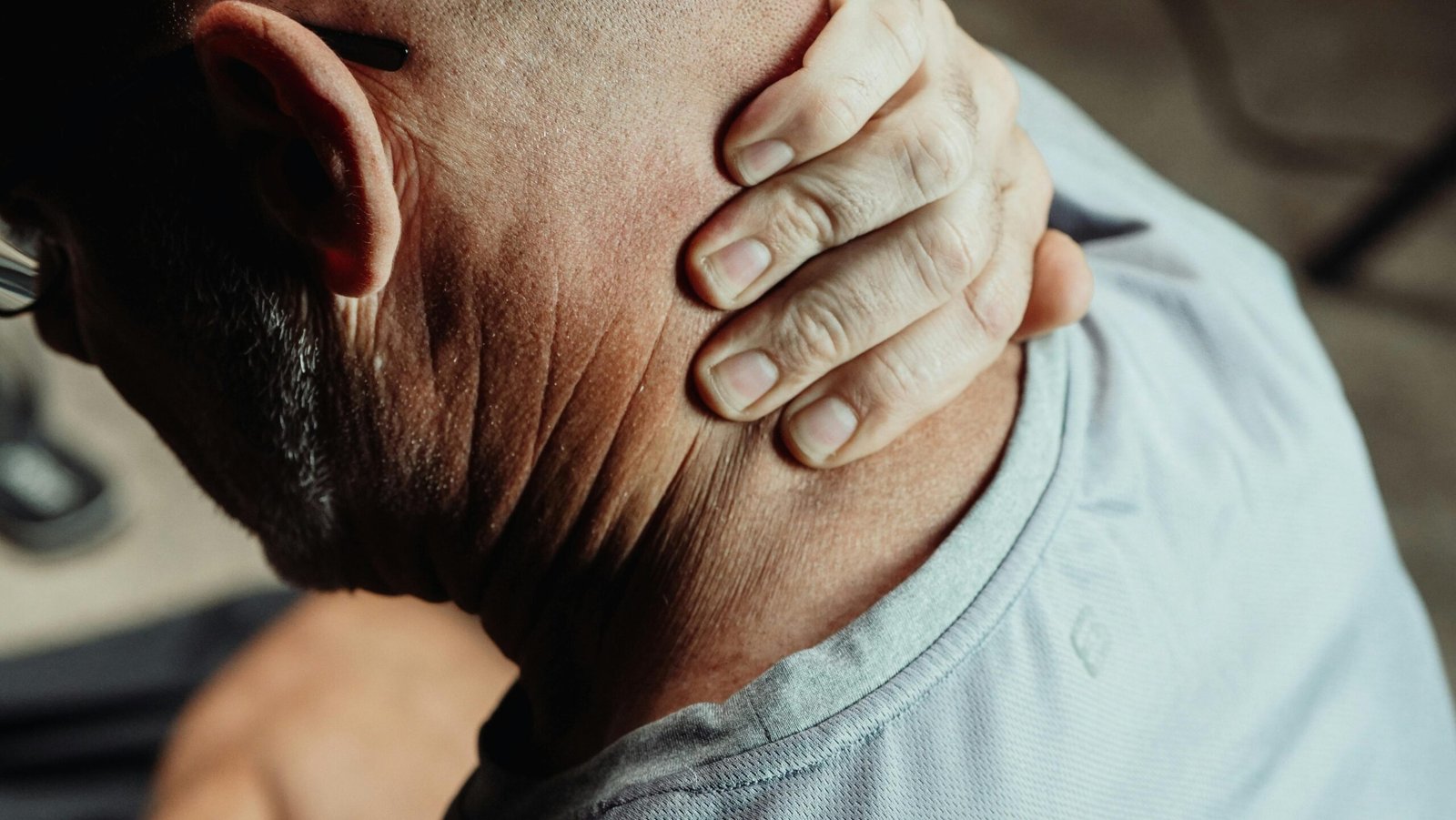
Joint health is one of the most underestimated pillars of long-term well-being. People often focus on weight, energy levels, cardiovascular fitness, or muscle tone, yet rarely think about the structures that make movement possible in the first place. Joints quietly perform their role every single day — bending, rotating, stabilizing, and absorbing force — without demanding attention.
That silence is misleading.
When joints function smoothly, life feels physically effortless. You stand, sit, walk, reach, and twist without hesitation. Movement feels automatic. But when stiffness, irritation, or discomfort develops, the shift is deeply noticeable. Actions that once felt simple begin requiring caution. Certain movements are avoided. Confidence in your body subtly changes.
One of the most important truths about joint health is that it is not determined by age alone. Joints respond to lifestyle inputs continuously. Movement patterns, muscle strength, posture, inflammation levels, sleep, stress, and nutrition all influence how joints behave over time.
Protecting your joints is less about dramatic interventions and more about intelligent, consistent habits. This guide explores the foundational principles that help maintain joint comfort and resilience across the long run.
Why Joint Health Deserves Serious Attention
Joints are central to nearly every physical activity you perform. Unlike muscles, which can fatigue and recover quickly, joint tissues tend to change slowly. Minor imbalances may persist unnoticed for long periods before symptoms appear. Discomfort often develops gradually rather than suddenly.
When joint function begins to decline, the consequences extend far beyond localized pain:
- Physical activity may decrease
- Muscles may weaken
- Movement patterns may compensate
- Stiffness may increase
- Pain sensitivity may rise
A problematic cycle can form where discomfort discourages movement, yet reduced movement worsens joint function. Breaking this cycle requires understanding how joints work and what they need to remain healthy.
Understanding What Joints Actually Are
Many people imagine joints as simple mechanical hinges connecting bones. In reality, joints are complex living systems composed of multiple interacting tissues.
Healthy joints involve:
- Cartilage that provides smooth, low-friction surfaces
- Synovial fluid that lubricates and nourishes tissues
- Ligaments that provide structural stability
- Tendons that transmit muscular force
- Bone surfaces that bear mechanical load
- Muscles that control and protect movement
- Nerve endings that monitor stress and position
Each component influences the others. Muscle weakness may alter joint mechanics. Inflammation may affect fluid behavior. Limited movement may reduce lubrication efficiency.
Joint health is therefore systemic rather than isolated.
Movement: The Lifeblood of Joint Function
If there is one universal principle for joint longevity, it is this:
Joints require regular movement to remain healthy.
Contrary to common fears, appropriate movement nourishes joints rather than wearing them down. Cartilage lacks a direct blood supply. Instead, it depends on compression and decompression cycles during motion to receive nutrients.
When you move, several beneficial processes occur:
- Synovial fluid circulates
- Nutrient exchange improves
- Tissues experience healthy mechanical stimulation
- Stiffness decreases
- Muscular coordination activates
Without consistent movement, joints may become mechanically sluggish and biologically under-supported.
Why low-impact activity is so beneficial
Joint-friendly movement does not require extreme intensity. In fact, moderate, repeatable motion is often ideal. Walking, swimming, cycling, and gentle mobility exercises provide consistent joint stimulation with minimal excessive strain.
The critical factor is consistency. Joints respond well to regular use within comfortable ranges.
The Problem With Prolonged Inactivity
Modern lifestyles frequently involve extended sitting and reduced movement variability. Even individuals who exercise periodically may spend most of the day in static positions.
Prolonged inactivity can contribute to:
- Reduced joint lubrication
- Increased stiffness
- Decreased range of motion
- Muscular deconditioning
- Postural distortions
Short movement breaks throughout the day can help counteract these effects. Frequent gentle motion often matters more than occasional intense activity.
Strength Training: The Structural Shield for Joints
While movement keeps joints nourished, muscle strength keeps them protected.
Muscles act as dynamic stabilizers. They guide joint alignment, absorb forces, and reduce stress on passive structures like cartilage and ligaments. Weak muscles allow more mechanical strain to transfer directly into joint surfaces.
Properly designed resistance training offers multiple joint benefits:
- Improved stability
- Better load distribution
- Enhanced movement control
- Reduced injury risk
- Increased shock absorption
Many people mistakenly avoid strength training fearing joint damage. In reality, appropriately scaled training often improves joint comfort by enhancing structural support.
Why strength matters for joint mechanics
Joints are not designed to bear force alone. Muscles share the workload. When muscles are strong and responsive, joint surfaces experience less concentrated stress.
Supportive strength is especially important for:
- Knees
- Hips
- Shoulders
- Spine
Even light resistance exercises can promote protective adaptations.
Mobility: Preserving Comfortable Range of Motion
Joint health depends not only on strength but also on mobility — the ability to move through ranges comfortably and with control.
Restricted mobility often precedes discomfort. Limited movement may alter biomechanics, creating uneven stresses on surrounding tissues.
Maintaining mobility may involve:
- Controlled range-of-motion drills
- Gentle stretching
- Dynamic warm-ups
- Varied movement patterns
Short daily sessions are often more effective than sporadic long routines. Consistency helps preserve joint freedom.
Body Weight and Joint Load
Joints continuously manage compressive forces. Increased body weight raises mechanical demands, particularly on weight-bearing joints such as knees and hips.
Even modest reductions in excess weight may significantly decrease cumulative joint stress. Weight management for joint health is fundamentally about biomechanics rather than appearance.
Inflammation: The Invisible Influence on Joints
Joint discomfort frequently involves more than structural wear. Chronic low-grade inflammation can influence tissue sensitivity, fluid balance, and pain signaling.
Inflammation is shaped by many lifestyle factors, including:
- Dietary patterns
- Sleep quality
- Stress levels
- Physical activity
- Smoking habits
Reducing unnecessary inflammatory triggers can support joint comfort.
Nutrition: Supporting Joint Tissues From Within
Joints are living tissues requiring consistent nutrient support. While no single food guarantees joint health, long-term dietary patterns influence tissue resilience and inflammation regulation.
Helpful nutritional principles include:
Prioritizing anti-inflammatory fats
Sources such as fatty fish, olive oil, nuts, and avocados contain lipids that help regulate inflammatory pathways and cell signaling.
Increasing antioxidant-rich foods
Colorful fruits and vegetables supply compounds that help counter oxidative stress, which may otherwise contribute to tissue irritation.
Ensuring adequate protein intake
Connective tissues depend on amino acids for maintenance and repair. Balanced protein intake supports structural integrity.
Dietary support is cumulative rather than immediate. Benefits arise through repeated habits.
Hydration and Joint Lubrication
Joint lubrication relies on fluid dynamics. Inadequate hydration may subtly worsen stiffness and tissue elasticity.
Consistent water intake supports:
- Synovial fluid function
- Nutrient transport
- Tissue resilience
Hydration is frequently overlooked yet highly relevant.
Posture and Mechanical Stress
Joint loading patterns are strongly influenced by alignment. Chronic postural imbalances may shift forces unevenly, increasing strain on specific structures.
Examples include:
- Forward head posture affecting the neck
- Rounded shoulders influencing shoulder joints
- Collapsed hip positioning impacting the spine
Improving posture helps distribute forces more efficiently.
Repetitive Stress and Daily Habits
Modern activities often involve repetitive movements — typing, scrolling, driving, or prolonged device usage. Small but constant stresses accumulate over time.
Protective strategies may include:
- Movement variation
- Periodic breaks
- Ergonomic adjustments
Reducing mechanical monotony protects tissues.
Sleep: The Recovery Foundation
Sleep is when the body performs most tissue repair and inflammatory regulation. Poor sleep is strongly associated with increased pain sensitivity and slower recovery.
Protecting sleep quality indirectly supports joint health.
Stress and Musculoskeletal Tension
Psychological stress influences muscular tension and nervous system sensitivity. Chronic stress may amplify discomfort perception and stiffness.
Relaxation practices often benefit physical comfort.
Foot Mechanics and Joint Chains
Foot alignment affects force transmission through ankles, knees, hips, and spine. Supportive footwear helps maintain balanced loading and movement efficiency.
Recovery and Adaptation Balance
Joints benefit from balanced cycles of activity and recovery. Excessive strain without adequate rest, or prolonged rest without movement, may both contribute to dysfunction.
Gentle restorative habits support adaptation.
The Long-Term Philosophy of Joint Care
Joint preservation rarely depends on extreme measures. It is shaped by repeated, sustainable behaviors:
Move regularly
Strengthen supportive muscles
Maintain mobility
Eat balanced, nutrient-dense foods
Stay hydrated
Sleep adequately
Manage stress
Small daily actions accumulate into long-term outcomes.
Final Perspective: Joints Are Highly Responsive
Joints are not passive structures deteriorating automatically with time. They are living systems responding continuously to mechanical and biological signals.
Lifestyle habits, movement variability, posture, nutrition, hydration, and recovery all influence their internal environment. Protecting joint health is ultimately about respecting that responsiveness.
When supported intelligently and consistently, joints often remain remarkably adaptable and resilient throughout life.