

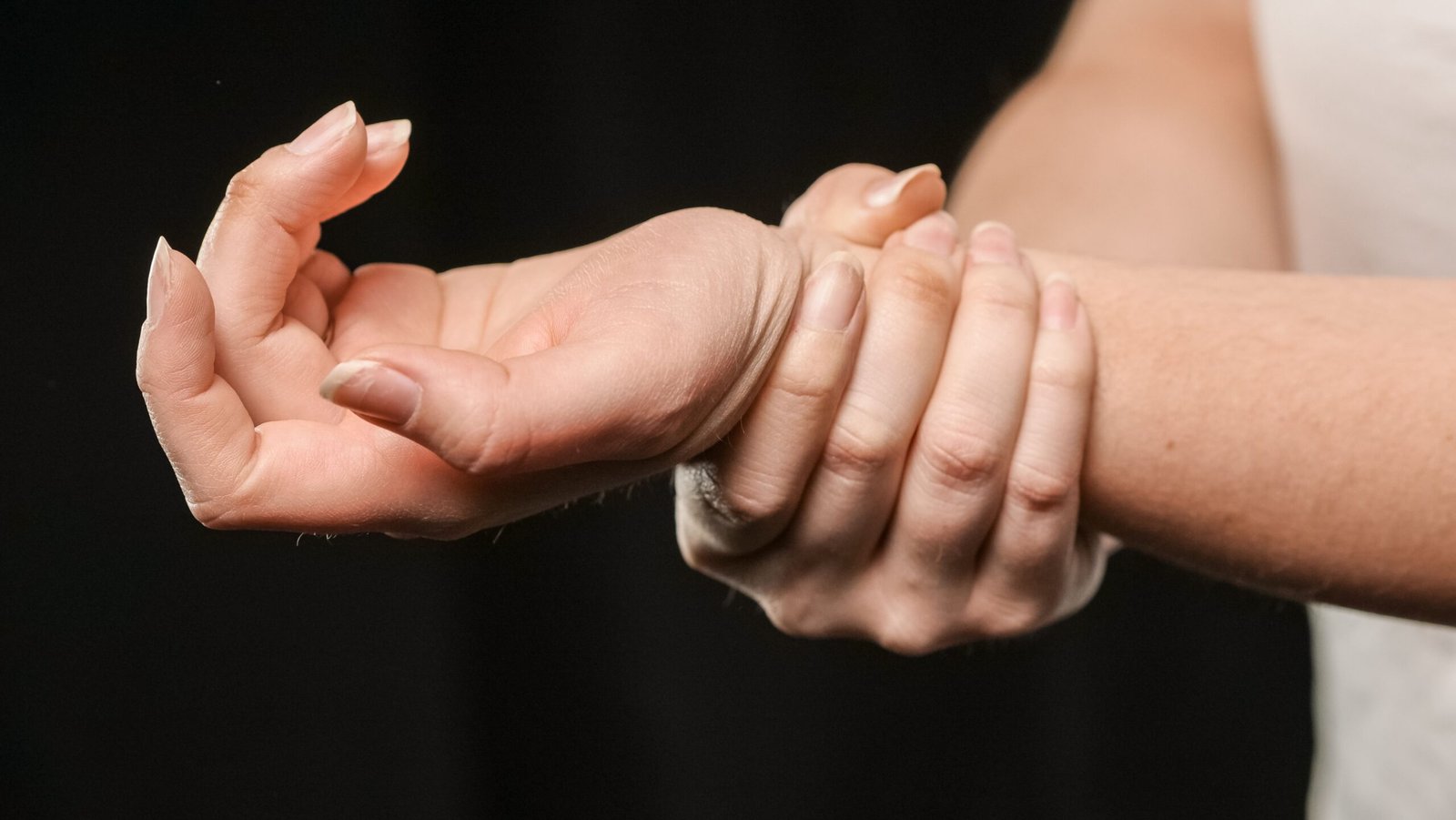
The best treatment for arthritis pain depends on what’s causing it. For knee osteoarthritis, I’d put a tailored exercise plan first and ask about a topical anti-inflammatory if pain makes it hard to stay active. For rheumatoid arthritis, I’d put early specialist care first, because pain relief alone won’t control the disease. And for a joint that’s suddenly hot, swollen, and extremely painful, I wouldn’t start with a gel or a brace. I’d get it assessed urgently, since a joint infection can look like a gout flare. These are three very different decisions, even though all three can start with the same complaint.
What I find most useful is separating the treatment that makes today easier from the treatment that changes what you can do next month. A heating pad might make stiff hands more comfortable before you get dressed. A thumb splint might make cooking less painful. Neither answers the bigger question of what’s driving persistent swelling, and neither does the job of an exercise program or a disease-modifying medicine. Temporary relief still has value. It’s just easier to judge once you know what you’re asking it to do.
I’ll walk through how I’d compare the treatments, what would move one option higher on my list, and where I’d stop trying things at home. I’ll also compare three Amazon products that have a practical role in arthritis care. I chose them for three different jobs, so you can decide whether any of them addresses a problem you actually have instead of buying a collection of things labeled “for arthritis.”
Before I’d Choose a Treatment, I’d Check What Kind of Arthritis It Is
Osteoarthritis often makes itself known through particular tasks. The base of the thumb hurts when you pinch a key or turn a lid. The knee aches toward the end of a walk. The hip feels stiff after you’ve been sitting but loosens once you get moving. NICE uses a combination of age, activity-related pain, and the absence of prolonged morning stiffness when diagnosing typical osteoarthritis in adults aged 45 or older. That pattern can make a diagnosis possible without routine imaging, but it’s not a checklist I’d use to diagnose myself. Where I’d put my attention is on the activities that reliably bring the pain on and whether the pattern is changing.
Inflammatory arthritis calls for a different response. If several joints remain visibly swollen, especially the small joints of the hands or feet, or if morning stiffness regularly lingers well after you’ve started the day, I’d book a medical assessment rather than assume it’s ordinary wear and tear. NICE recommends specialist assessment for suspected persistent joint inflammation and urgent referral for certain patterns, including involvement of more than one joint or the small joints of the hands or feet. Normal initial blood tests don’t rule out the need for that referral. That’s an important distinction if you’ve already had a test and were left wondering what to make of symptoms that are still there.
A single joint that becomes very painful and swollen over a short time raises another set of questions. Gout is one possibility, particularly if the pain comes on quickly and affects the big toe, ankle, or knee. But an infection inside the joint can produce a similar picture. Seek urgent medical assessment for a newly hot, swollen, very painful joint, especially if you feel feverish or generally unwell. I wouldn’t wait for a fever to show up or assume that a past episode of gout explains a new one that feels different. The goal at that point is to find out what’s happening, not to see which home remedy brings the swelling down.
How I’d Compare the Main Treatments for Arthritis Pain
The comparison below starts with the problem each treatment is meant to solve. Someone who can’t get comfortable enough to do their exercises may need short-term symptom relief. Someone whose knee pain is steadily shrinking their walking distance may need a different rehabilitation plan. And someone with rheumatoid arthritis may feel less pain on a given day without having their disease adequately controlled. Less pain, better function, and lower disease activity are related goals, but they aren’t the same outcome.
| Treatment | Where it fits best | What I’d expect it to help with | What would make me reconsider |
|---|---|---|---|
| Tailored exercise or physical therapy | An ongoing plan for knee or hip osteoarthritis, with hand exercises tailored differently | Better strength, movement, and tolerance for tasks such as walking, climbing stairs, or getting out of a chair | Repeated swelling, a growing limp, or a program that doesn’t match the joint or the task. I’d ask for an adjustment rather than give up on movement altogether. |
| Topical anti-inflammatory gel | Diagnosed knee osteoarthritis and selected cases of hand osteoarthritis | Local pain relief that may make it easier to keep moving, with less whole-body exposure than an oral NSAID | The pain is deep in the hip, the product isn’t safe with your medicines, or you’re using it repeatedly without any useful change in function. |
| Oral anti-inflammatory medication | Osteoarthritis pain that still limits activity when topical treatment isn’t enough or isn’t suitable, provided the risks are acceptable | Short-term symptom relief. It may also be one clinician-selected option for a gout flare. | A history of ulcers, kidney or heart problems, or medicines that may interact. This isn’t a step I’d take automatically after a gel. |
| A brace, splint, or other aid | A specific problem, such as pain at the base of the thumb when gripping or lower-limb pain that makes walking difficult | Reducing strain during a task or giving the joint support where it’s needed | The aid causes numbness, makes the task harder, or is being used to postpone assessment of unexplained swelling or instability. |
| A corticosteroid joint injection | Selected cases of osteoarthritis when other medicines are unsuitable or ineffective, or short-term relief could help with exercise | Temporary relief that may give you a chance to move more comfortably | The goal is lasting control, or the pain hasn’t been properly evaluated. I’d ask what we’d do with the period of relief if the injection helps. |
| Disease-modifying treatment | Rheumatoid arthritis and other inflammatory conditions when prescribed by a specialist | Control of the underlying disease. Improvement may be judged by swelling, function, tests, and overall disease activity as well as pain. | Pain alone is being treated while persistent inflammation goes unaddressed. The specialist should guide medication choice, monitoring, and changes. |
| Joint replacement assessment | Hip, knee, or shoulder osteoarthritis that substantially affects quality of life despite appropriate nonsurgical care, or when that care isn’t suitable | A decision about whether surgery could improve pain and function enough to justify its risks and recovery | An X-ray is driving the decision more than the person’s symptoms, goals, health, and ability to manage recovery. |
The table also explains why I wouldn’t rank every treatment from strongest to weakest. A first-thumb-joint splint can be more useful than a pill when the main difficulty is holding a steering wheel or opening a lid. For knee osteoarthritis, a gel might help enough to get you moving, but the exercise plan is doing a different job. I’d choose based on the diagnosis and the activity you want back, not on how intensive the treatment sounds.
The Best Starting Treatment for Osteoarthritis Pain
I’d start with an exercise plan tied to something you want to do
Exercise is one of the best-supported starting treatments for osteoarthritis, but “exercise more” doesn’t tell anyone what to do when the stairs already hurt. I’d begin with one movement you’d like to get back. If a low chair is the problem, the first step might be working from a higher seat so you can practice the movement with more control. If walking farther is the goal, a short, repeatable route makes it easier to judge progress than one long outing that leaves you sore for the rest of the week. A physical therapist can help choose the starting level and work out whether strength, balance, or motion is the bigger obstacle.
A 2024 Cochrane review drew on 139 trials of land-based exercise for knee osteoarthritis. On average, people who exercised experienced short-term improvements in pain and function in several comparisons, although the size of the difference varied depending on what exercise was compared with. Some average benefits were smaller than what the reviewers considered clearly important to patients. To me, that’s a reason to give exercise a fair trial and track a meaningful task, not a reason to promise that a particular routine will make everyone’s pain disappear. Being able to finish grocery shopping without a stop can be a worthwhile result even if the knee still aches afterward.
I’d also keep a distinction between discomfort you can work around and symptoms that call for a change. Some pain can occur when starting therapeutic exercise. But if every session leaves you walking worse the next day, or you develop increasing swelling and lose movement, it’s worth checking the plan rather than assuming the answer is more effort. Adjusting the range, resistance, frequency, or type of exercise can make the work more manageable. For some people, a supervised start is useful precisely because it takes the guesswork out of those adjustments.
I’d adapt the plan to the joint, not use a generic arthritis routine
For knee osteoarthritis, I’d think about the strength and control needed for getting out of chairs, stepping down, and walking. For hip osteoarthritis, I’d want to know whether the problem is walking distance, getting into a car, or something as specific as putting on a sock. Those examples sound mundane, but they reveal which movement the plan needs to address. Walking, cycling, or exercise in water can all be reasonable ways to stay active if they suit the person. There’s little point insisting on a mode of exercise you can’t do safely or don’t have regular access to.
For hand osteoarthritis, I’d look at both movement and the amount of force daily tasks demand. At the base of the thumb, repetitive pinching and twisting can make a workday or a cooking session harder than it looks from the outside. A therapist can help you adapt the grip, decide whether a splint fits the problem, and choose exercises for the hand rather than relying on a generic squeezing tool. Strengthening and a better way of opening or holding things aren’t competing ideas. One works on what the hand can do. The other changes how much the task asks of it.
I’d discuss weight management when it’s relevant, without making it a condition for care
For people with osteoarthritis who are living with overweight or obesity, weight management can improve pain and function. NICE notes that any weight loss is likely to help and that, on average, a greater reduction can bring greater benefit. I’d keep that conversation practical and respectful. It doesn’t apply to everyone with arthritis, and it doesn’t replace a plan for the pain you have now. If walking already hurts, you deserve help finding a manageable way to move and access to appropriate treatment without having to wait until you reach a target.
Which Medicines Make the Most Sense for Arthritis Pain?
For a painful knee, I’d ask about a topical anti-inflammatory first
When medication is needed for knee osteoarthritis, NICE recommends a topical nonsteroidal anti-inflammatory drug, often shortened to NSAID. Diclofenac is one example. The practical appeal is that you apply it to the area rather than starting with an oral anti-inflammatory. The American College of Rheumatology also recommends topical NSAIDs for knee osteoarthritis and considers them for hand osteoarthritis. I’d set a clear expectation before trying one. If the gel helps, what should be easier? Taking a walk or getting through a prescribed exercise session is a better benchmark than whether the skin feels cool after application.
The joint matters. The hip is deep, which makes a topical NSAID unlikely to help much with pain coming from inside the hip joint itself. And topical doesn’t mean risk-free. If you already take an anti-inflammatory tablet, use blood thinners, have had a reaction to an NSAID, or are pregnant, check with a pharmacist or clinician before adding a product. I’d bring the actual label if I wasn’t sure what I had. A product that feels cooling and a topical anti-inflammatory can sit on the same shelf without being the same kind of treatment.
I’d treat oral anti-inflammatories as a separate decision
Oral NSAIDs can help with osteoarthritis pain, but they aren’t right for everyone. The decision depends on factors such as stomach or bleeding risk, kidney and heart health, and other medicines. NICE advises using the lowest effective dose for the shortest possible time and recommends stomach protection when an oral NSAID is used for osteoarthritis. What I wouldn’t do is take two different anti-inflammatories because one doesn’t seem strong enough, or assume a product is suitable for regular use because I can buy it without a prescription. A pharmacist can help identify overlapping ingredients before that becomes an issue.
Paracetamol, also called acetaminophen, isn’t a reliable default for osteoarthritis. NICE doesn’t recommend it routinely because the evidence for meaningful benefit is weak, though it can be considered for infrequent, short-term use when other options aren’t suitable. Strong opioids are not recommended for managing osteoarthritis. If the pain is regularly bad enough to make you think you need a stronger drug, I’d take that as a reason to review the diagnosis, the current treatment, and the impact on your life. It could be time to discuss a different approach rather than keep stepping up pain relief alone.
I wouldn’t put joint supplements ahead of treatments with better evidence
Glucosamine is a useful example because it’s so closely associated with arthritis that it can seem like a standard first treatment. NICE advises against offering it for osteoarthritis, and the American College of Rheumatology recommends against it for osteoarthritis of the hand, hip, and knee. I wouldn’t expect a supplement to rebuild cartilage or use that promise to decide what to buy. If you’re already taking one, tell your clinician or pharmacist what it contains, especially if you take other medicines. With limited time or money, I’d prioritize a plan that has a clearer chance of helping the activity you’re struggling with.
When I’d Consider an Injection or Ask About Joint Replacement
An injection may buy time, but I’d make a plan for that time
A corticosteroid injection can be a reasonable option for some people with osteoarthritis, particularly when other medicines are ineffective or unsuitable, or when temporary relief could help them start or continue therapeutic exercise. NICE advises setting expectations around short-term relief, typically about two to ten weeks. That’s a wide range, and it’s not a promise of how long any one person will benefit. Before agreeing to an injection, I’d ask what we’re trying to make possible while the joint feels better. It might be restarting physical therapy or managing a period when pain has brought ordinary activity to a standstill.
I’d also ask exactly what’s being offered rather than treating all joint injections as interchangeable. A corticosteroid injection and a hyaluronic acid injection are different interventions with different evidence. NICE recommends against offering hyaluronan injections for osteoarthritis. If the last injection helped only briefly or didn’t make it easier to do anything important, that experience belongs in the next treatment discussion. The decision shouldn’t be based solely on whether a procedure is available or whether the joint felt better on the day you had it.
The effect on daily life would guide my surgery discussion
I’d ask about a joint replacement assessment when hip, knee, or shoulder osteoarthritis substantially affects quality of life and nonsurgical care hasn’t helped enough or isn’t suitable. To prepare, I’d write down what’s changed in real terms. Maybe the hip wakes you most nights, you’ve stopped walking to the shops, or you no longer go out unless you know exactly where you can sit. Those details communicate more than “the X-ray looks bad.” NICE recommends using clinical assessment to guide referral rather than relying on a numerical severity score alone.
A referral is a chance to understand the trade-off, not a commitment to having surgery. I’d want to know how much improvement is realistic, what recovery would ask of me, and what help I’d need at home. If the main goal is to sleep through the night or walk a short distance comfortably, say that plainly. It gives the discussion a more useful focus than asking whether your joint is supposedly “bad enough.” It also makes it easier to compare surgery with continuing or changing the current plan.
What Changes if the Pain Comes From Rheumatoid Arthritis or Gout?
With rheumatoid arthritis, controlling the disease comes before finding a better painkiller
For rheumatoid arthritis, early treatment with a disease-modifying antirheumatic drug, or DMARD, is central. A specialist may consider methotrexate or another conventional DMARD depending on the person’s circumstances. These medicines are used to control the disease, with ongoing monitoring and adjustments based on more than pain on a given day. That’s the distinction I’d keep in mind if I were weighing a short course of symptom relief against a longer-term plan. Feeling better for a few days is welcome, but persistent swollen joints still deserve attention.
Exercise, occupational therapy, and changes to daily tasks can still have a place. I’d use them to help keep the things I value within reach while the medical plan does its work. I wouldn’t infer from sore joints alone that a medicine has failed, and I wouldn’t stop a prescribed treatment because things have settled for a while. If side effects or practical issues are making it hard to stay on the plan, that’s something to raise with the specialist. It can lead to a more useful conversation than silently going back to whatever provides the quickest relief.
With gout, treating a flare and preventing the next one are different jobs
A gout flare calls for treatment of the current pain and inflammation. A clinician may choose an NSAID, colchicine, or a short course of corticosteroids depending on your health and medicines. That isn’t the same decision as whether to start or adjust long-term urate-lowering treatment, such as allopurinol. The long-term plan aims to lower urate and reduce future problems. I’d want to leave an appointment knowing both what to do if another flare starts and whether my pattern of flares warrants a preventive plan.
It’s easy to lose sight of prevention once the pain goes away. A month without symptoms doesn’t tell you everything about urate levels, just as a painful day doesn’t by itself tell you whether a long-term medicine is working. If you’ve been prescribed prevention, ask how it will be monitored and when it should be reviewed. And if a new episode comes with a different pattern or there’s concern for infection, don’t assume old instructions for a gout flare cover the new situation.
Three Amazon Products I’d Consider for Arthritis Pain and Stiffness
I chose these products around three practical needs. One supports a painful thumb during specific tasks, one makes it easier to add resistance to an exercise plan, and one offers gentle warmth for familiar stiffness. These are comparisons of design and intended use, not claims based on personal testing or proof that a particular brand works better. The useful test is whether a product makes something easier without introducing a new problem.
- Comfort Cool Thumb CMC Restriction Splint — for support at the base of the thumb. The splint is designed to support the joint where the thumb meets the hand while leaving the fingers free. I’d consider this style when pain is specific to the thumb base and shows up with tasks such as turning a key, holding a book, or working with kitchen utensils. The American College of Rheumatology strongly recommends an orthosis for first CMC joint osteoarthritis, but that’s a recommendation for the category, not an endorsement of this model. Check the sizing guide and choose the correct hand. Then judge it while doing the task that prompted the purchase. If it makes the grip more awkward, rubs the skin, or causes numbness or tingling, take it off and ask about fit or a different design. A hand therapist can also help work out when to wear it if you’re unsure.
- THERABAND Non-Latex Resistance Bands Beginner Kit — for gradual strengthening at home. The yellow, red, and green bands give you three levels of resistance without taking up the space of a set of weights. I’d choose the kit if I already had an exercise plan and wanted a convenient way to do it at home or while away. The useful feature is that you don’t have to change exercises just to make one a little easier or harder. I wouldn’t treat the colors as a schedule you have to progress through. Moving up before you can control the current exercise defeats the purpose. If you have arthritis in the hands as well as the knees or hips, check whether gripping a flat band is comfortable before buying. A therapist can suggest a setup that doesn’t turn the exercise for one joint into an aggravation for another.
- Sunbeam Standard Size Heating Pad — for familiar stiffness before a daily activity. This rectangular pad is a reasonable option if gentle warmth helps you get moving, and you want something you can use while seated rather than holding a hot-water bottle in place. I’d try it before a specific activity, such as getting dressed or starting a set of gentle movements. Compare the controls and shutoff features on the exact version you choose, and follow its instructions. Use a comfortable setting, don’t sleep with it on, and ask a healthcare professional before using heat where you have reduced sensation or circulation. I’d skip heat for a joint that has suddenly become hot and swollen and get the change checked instead. If a warm shower already gives you the same useful window of comfort, there’s no reason to expect an electric pad to do more.
How I’d Tell Whether the Treatment Is Working
The clearest way I know to assess an arthritis plan is to choose one task and describe the change you’d like to see. “Get up from the dining chair without pushing hard through both arms” gives you something more useful to track than “feel younger” or “stop hurting.” For a thumb, it could be fastening buttons without taking a break. For a hip, it could be walking far enough to meet a friend for coffee and having enough energy to enjoy the outing. The task should matter to you, not just look good on a rehabilitation worksheet.
I’d match the time frame to the treatment. You can tell fairly quickly whether a splint makes a particular task easier or a heating pad helps short-term stiffness. An exercise program needs time, and its value is better judged by what you can do repeatedly than by how the joint feels after one session. For inflammatory arthritis, the review also needs to consider signs of disease activity and any monitoring your specialist recommends. When a plan isn’t working, those differences help you decide what to revisit instead of deciding that nothing helps.
I’d bring that information to a follow-up in plain language. “The gel makes the walk easier, but the knee still swells afterward” is useful. So is “I can open a jar with the splint on, but I can’t comfortably hold a pen.” If sleep, walking, or work is continuing to get worse, say so even if a treatment has made the pain a little less intense. Relief can be real and still not be enough. That’s a good reason to adjust the plan or discuss the next option instead of renewing the same approach indefinitely.
My Bottom Line on the Best Treatment for Arthritis Pain
For osteoarthritis, I’d build the plan around tailored movement and add pain relief or a task-specific aid when it helps me stay active. For a knee, a topical anti-inflammatory is often the first medication worth discussing. For the base of the thumb, a properly fitted splint may accomplish more during a particular task than a general pain product. And when a hip or knee is making daily life substantially smaller despite appropriate treatment, I’d ask about the next step rather than collect more short-term remedies.
For rheumatoid arthritis or recurrent gout, the answer shifts from getting through the day to addressing the disease and preventing future problems. And if a joint suddenly becomes hot, swollen, and intensely painful, assessment comes first. What I’d want from any arthritis plan is a clear explanation of what’s being treated, what should get easier, and when to reconsider the approach. That gives you a way to decide whether you’ve found the best treatment for your situation rather than simply the latest thing you’ve tried.
References
- National Institute for Health and Care Excellence. Osteoarthritis in Over 16s: Diagnosis and Management (NG226). This evidence-based guideline covers clinical diagnosis, therapeutic exercise, topical and oral medicines, joint injections, and referral for joint replacement.
https://www.nice.org.uk/guidance/ng226/chapter/Recommendations - Kolasinski SL and colleagues. 2019 American College of Rheumatology/Arthritis Foundation Guideline for the Management of Osteoarthritis of the Hand, Hip, and Knee. Published in 2020, this guideline distinguishes treatments by joint and evaluates exercise, thumb orthoses, thermal measures, and medication.
https://pmc.ncbi.nlm.nih.gov/articles/PMC11488261/ - Lawford BJ and colleagues. Exercise for Osteoarthritis of the Knee. This 2024 Cochrane review examines how land-based exercise affects pain and function and explains how the results vary depending on the comparison group.
https://pubmed.ncbi.nlm.nih.gov/39625083/ - National Institute for Health and Care Excellence. Rheumatoid Arthritis in Adults: Management (NG100). This guideline explains when to refer someone with suspected rheumatoid arthritis and outlines disease-modifying treatment and monitoring.
https://www.nice.org.uk/guidance/ng100/chapter/recommendations - National Institute for Health and Care Excellence. Gout: Diagnosis and Management (NG219). This guideline separates acute flare treatment from long-term urate management and explains when a painful, swollen joint may require immediate referral for suspected infection.
https://www.nice.org.uk/guidance/ng219/chapter/Recommendations
Disclaimer
This article is for general education and is not a diagnosis or an individual treatment plan. Arthritis medicines, exercises, injections, and assistive products aren’t suitable for everyone. Ask a qualified healthcare professional before starting or changing a treatment, particularly if you take other medicines, are pregnant, or have an existing medical condition. Seek urgent medical assessment if a joint suddenly becomes hot, swollen, and very painful. The featured products are examples of supportive tools, not substitutes for diagnosis or medical care.