

Keeping weight under control becomes especially challenging when frequent cravings, irregular eating patterns, and low energy make consistency difficult. Blood sugar changes can influence hunger and energy levels, although weight gain also involves calorie balance, physical activity, sleep, genetics, and hormonal factors. This complexity explains why many people are interested in supplements that promise to support metabolism and appetite without dramatically changing their daily routines.
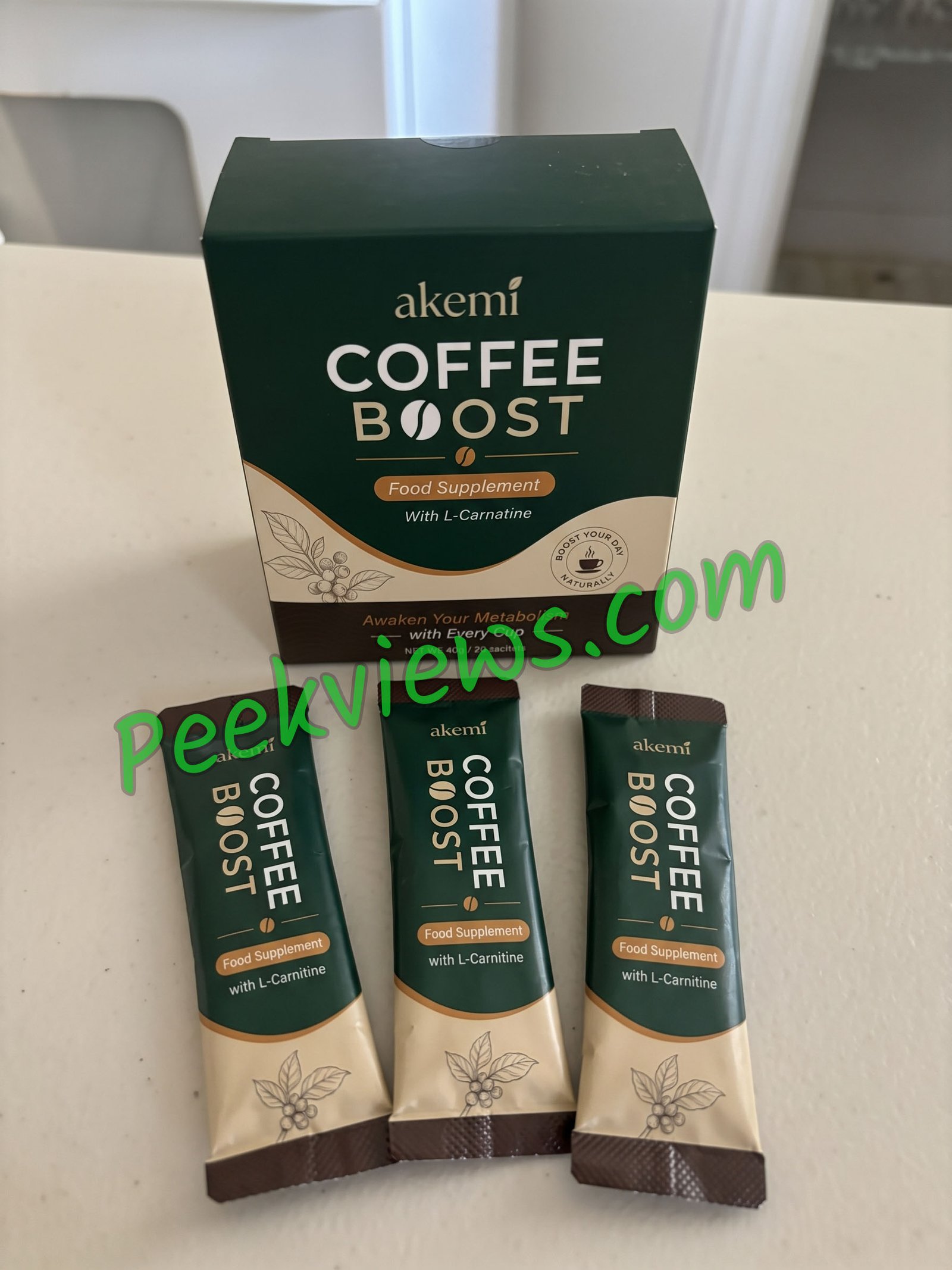
Akemi Coffee Boost approaches the problem through a powdered beverage formula containing botanical extracts, L-carnitine, and dietary fibers. Its advertised JavaBurn™ formulation is promoted for carbohydrate management, metabolic support, and controlling cravings. The convenience is appealing, but I wanted to examine whether the actual ingredients and available scientific research justify those promises.
This is my detailed review of what I discovered about Akemi Coffee Boost, including the official customer testimonials, independent complaints, potential side effects, ingredients, dosage, and whether the product is a scam or a legitimate supplement worth considering.
Akemi Coffee Boost Overview: Product Facts at a Glance
Before discussing potential results, I want to establish exactly what Akemi Coffee Boost offers. The following table separates the product’s advertised characteristics from information that still requires independent confirmation.
| Product Information | Details |
|---|---|
| Product Name | Akemi Coffee Boost |
| Product Category | Dietary supplement for metabolic and weight-management support |
| Supplement Format | Powder packaged in single-use sachets |
| Featured Formulation | JavaBurn™ |
| Primary Purpose | Support carbohydrate metabolism, appetite regulation, and everyday energy |
| Main Ingredients | Green tea extract, green coffee bean extract, white kidney bean extract, mulberry leaf extract, L-carnitine, resistant dextrin, and psyllium husk |
| Suggested Dosage | One sachet daily |
| How to Prepare | Stir into a hot or cold beverage |
| Reported Caffeine Content | Approximately 30 mg per sachet |
| Advertised Characteristics | Plant-derived ingredients, non-GMO positioning, and claimed third-party testing |
| Price | An identified product storefront listed $29.99; final prices and bundles require checkout verification |
| Clinical Evidence | Research exists for individual ingredients, but finished-product weight-loss benefits are not established |
| My Formula Rating | 4.6/5 ★★★★★ for the concept and convenience, not verified effectiveness or seller reliability |
| Money-Back Guarantee | Advertised 30-day return policy for qualifying official-site orders |
| Official Website | ✅ Click Here |
What Is Akemi Coffee Boost, and What Makes It Different?
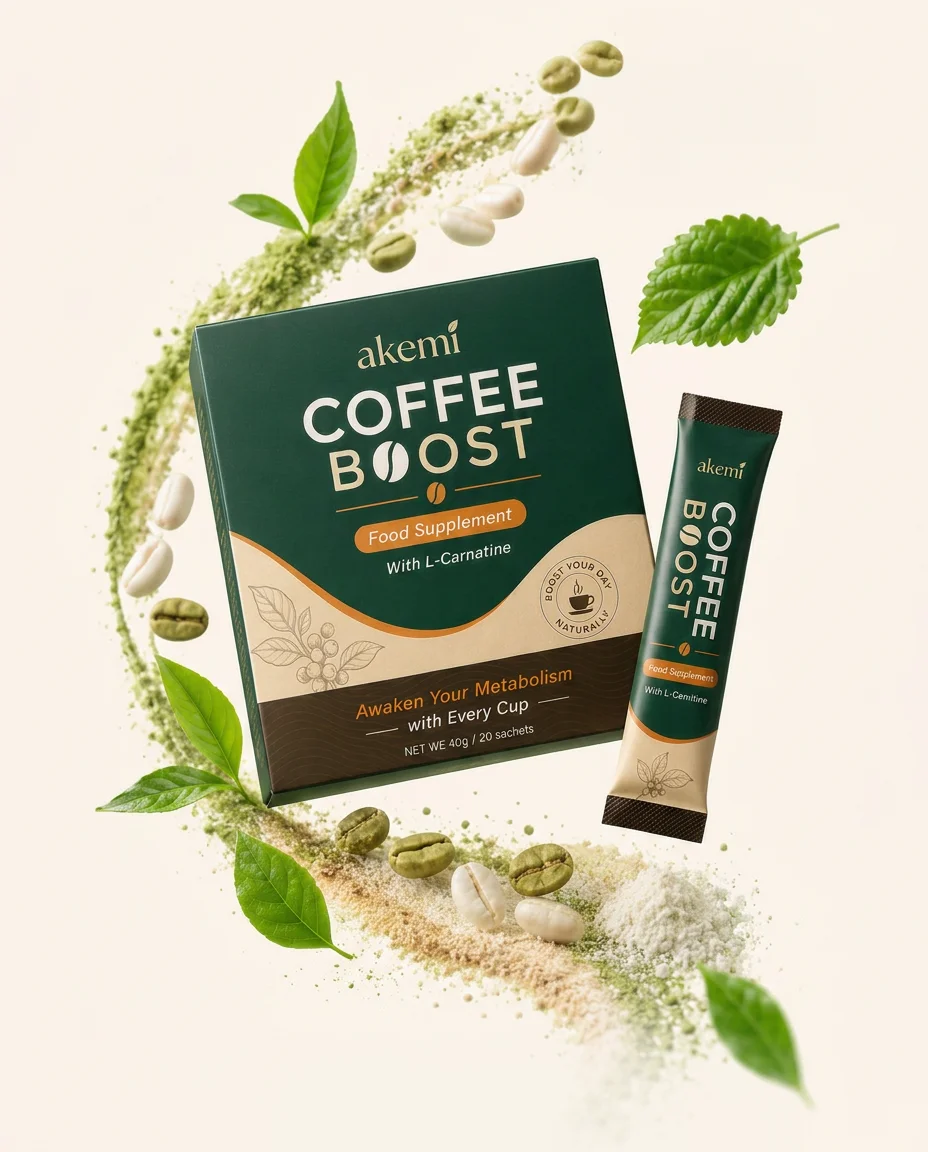
Akemi Coffee Boost is a powdered supplement intended to be mixed into an existing daily beverage. Instead of requiring users to swallow multiple capsules or prepare a separate nutritional drink, it provides its ingredients in one premeasured sachet.
The advertised formula brings together ingredients traditionally associated with several aspects of metabolic health. White kidney bean extract and mulberry leaf are included for carbohydrate digestion, while green tea and green coffee extract relate to energy metabolism. Psyllium and resistant dextrin contribute the dietary-fiber component.
Its distinction is therefore the combination of convenience and multiple nutritional pathways. However, having seven recognizable ingredients does not establish that their combined amounts are clinically effective. The exact quantities and extract standardizations are essential details that prospective buyers should examine.
Who Is Behind Akemi Coffee Boost?

The promotional information associated with Akemi Coffee Boost features Dr. James Collins, described as an MD and metabolic-health specialist. His attributed endorsement discusses energy support and improvements reported by patients.
I could not independently confirm his professional credentials, whether he personally developed the formula, or whether his endorsement is supported by published research. I therefore would not use that statement as evidence of the product’s effectiveness.
The identity of the actual formulator and independent verification of manufacturing standards remain important unanswered questions. For me, transparent company information, batch testing, and a complete Supplement Facts panel carry considerably more weight than an expert endorsement that cannot be authenticated.
How Does Akemi Coffee Boost Work Inside the Body?
The proposed mechanism of Akemi Coffee Boost involves carbohydrate digestion, energy metabolism, and dietary-fiber activity.
White kidney bean extract contains compounds capable of inhibiting alpha-amylase, an enzyme that helps digest starch. Mulberry leaf contains substances that may influence other carbohydrate-digesting enzymes. These mechanisms offer a scientific rationale for investigating their effects on post-meal glucose responses.
Meanwhile, green tea catechins and green coffee chlorogenic acids have been studied for possible metabolic effects. L-carnitine participates in transporting fatty acids into mitochondria for energy production, while soluble fibers can influence digestion and fullness.
The manufacturer’s claims of rapid glucose stabilization and continuous fat burning go substantially further than the available evidence. No reliable product-specific clinical trial was established showing that one sachet produces sustained weight loss or prevents carbohydrate absorption throughout the day.
Akemi Coffee Boost Ingredients: My Detailed Formula Assessment
Ingredient safety deserves careful attention, particularly when several botanical extracts are combined. Natural compounds can interact with medications, produce digestive reactions, or become problematic at concentrated doses. With Akemi Coffee Boost, I consider the undisclosed ingredient amounts a meaningful limitation.
🍃 Green Tea Extract
Green tea extract contains polyphenols known as catechins, including epigallocatechin gallate (EGCG). These compounds have been researched for antioxidant properties and possible effects on fat oxidation and energy expenditure. Some human studies report small weight-related changes, but the findings are inconsistent.
I appreciate the ingredient’s scientific background, although concentrated green tea products require caution. Rare cases of liver injury have been associated with green tea extracts. Knowing the EGCG concentration would make this formulation much easier to evaluate responsibly.
🍃 Green Coffee Bean Extract
Unroasted coffee beans contain chlorogenic acids, which have attracted attention for their possible influence on glucose metabolism. Some clinical research suggests modest weight-management effects, although the quality of available studies limits confidence.
Green coffee also supplies naturally occurring caffeine. The product’s approximately 30 mg per sachet may contribute to alertness, but individual sensitivity varies. Adding the powder to ordinary coffee increases total caffeine intake, which deserves consideration.
🍃 White Kidney Bean Extract
White kidney bean extract contains alpha-amylase inhibitors, substances investigated for their ability to slow the digestion of starch. This mechanism explains its popularity in supplements marketed for carbohydrate management.
Some standardized preparations have shown modest effects in clinical studies. However, results depend on the active extract and serving size. I would not assume that Akemi Coffee Boost delivers the same outcomes without knowing its specific dosage.
🍃 Mulberry Leaf Extract
Mulberry leaf contains compounds such as 1-deoxynojirimycin, which have been studied for interactions with carbohydrate-digesting enzymes. Researchers have explored whether these substances may influence glucose responses after meals.
Its inclusion makes sense alongside white kidney bean extract. Still, potential enzyme activity does not automatically translate into meaningful appetite control or weight loss. The strength and quantity of the extract remain central to determining its usefulness.
🍃 L-Carnitine
L-carnitine participates in fatty-acid transport within the body, allowing fats to enter mitochondria where they can be metabolized for energy. This established function frequently leads manufacturers to describe it as a fat-burning ingredient.
Clinical findings are less dramatic than that description suggests. Reviews of L-carnitine supplementation indicate that some populations may experience modest weight changes, while other studies show little benefit. It is a reasonable ingredient to investigate, but the dose must be adequate.
🍃 Resistant Dextrin
Resistant dextrin is a soluble dietary fiber that passes through the small intestine without being fully digested. Certain forms can be fermented by intestinal microorganisms, potentially contributing to digestive function.
The ingredient may support fullness and overall fiber intake when consumed in appropriate amounts. Because the quantity per sachet is not clearly established, I cannot determine whether Akemi Coffee Boost provides enough resistant dextrin for a noticeable effect.
🍃 Psyllium Husk
Psyllium is a soluble, gel-forming fiber used to support bowel regularity. When mixed with adequate liquid, it absorbs water and forms a thicker substance that can influence stool consistency and digestive transit.
Among the ingredients, psyllium has particularly recognizable practical uses. However, it must be consumed with sufficient liquid, and its potential effects depend on serving size. People with swallowing difficulties or relevant intestinal conditions should obtain medical advice before using it.
Six Potential Benefits of Akemi Coffee Boost
What interests me about Akemi Coffee Boost is the possibility of supporting several nutritional functions through one serving. The advantages below describe plausible benefits based on ingredient research, rather than guaranteed outcomes demonstrated with this exact product.
⭐ 1. Possible Support for Weight Management
The formula contains compounds investigated for different aspects of weight regulation. White kidney bean extract focuses on starch digestion, while green tea and green coffee compounds have been examined for potential metabolic effects.
I see this as a reasonable supplement concept for people already working on sustainable weight management. Nevertheless, the evidence does not justify expecting substantial weight loss without dietary changes. Any direct effect is likely to be smaller than the advertising suggests, especially when ingredient quantities remain unknown.
⭐ 2. Potential Reduction in Between-Meal Hunger
Appetite management is one of the product’s most appealing advertised purposes. Psyllium and resistant dextrin may contribute to fullness because soluble fibers influence digestion and the physical characteristics of intestinal contents.
This could be relevant for people struggling with unnecessary snacking. However, the formula cannot be assumed to eliminate cravings, and inadequate fiber quantities may provide little noticeable benefit. Regular meals with sufficient protein and fiber remain more predictable strategies.
⭐ 3. Assistance With Carbohydrate Digestion
White kidney bean extract and mulberry leaf may influence enzymes that participate in breaking down carbohydrates. Their presence gives the formula a plausible carbohydrate-metabolism rationale.
The limitation is that enzyme inhibition is not equivalent to preventing all calorie absorption. The effect depends on carbohydrate type, timing, ingredient preparation, and quantity. I would never view this supplement as permission to disregard portion sizes.
⭐ 4. Mild Energy Support
Green coffee bean extract supplies naturally occurring caffeine, and green tea contains compounds investigated for their contribution to metabolic activity. Together, these ingredients may provide mild support for alertness.
For someone who prefers a moderate caffeine contribution, the advertised amount may be appealing. Still, energy improvements are not guaranteed, and caffeine can produce sleep disturbance or nervousness in sensitive users, particularly when combined with additional coffee.
⭐ 5. Digestive Regularity and Fiber Intake
Unlike many stimulant-focused weight-management products, this formula incorporates psyllium and resistant dextrin. These ingredients offer a digestive-health rationale beyond claims about burning calories.
Psyllium may help with bowel regularity when consumed in adequate quantities with water. I see this as a practical formulation advantage, although the product’s undisclosed fiber content prevents me from predicting how much digestive support one sachet could provide.
⭐ 6. Easier Supplement Consistency
A major advantage is the lack of complicated preparation. Users can incorporate a sachet into an existing morning beverage rather than creating another demanding daily habit.
Convenience matters because routines that fit everyday life are easier to maintain. However, a convenient format should be evaluated separately from actual effectiveness. Consistent consumption does not transform an insufficiently dosed formula into a proven weight-management treatment.
Akemi Coffee Boost Testimonials


Akemi Coffee Boost vs Popular Weight-Management Supplements
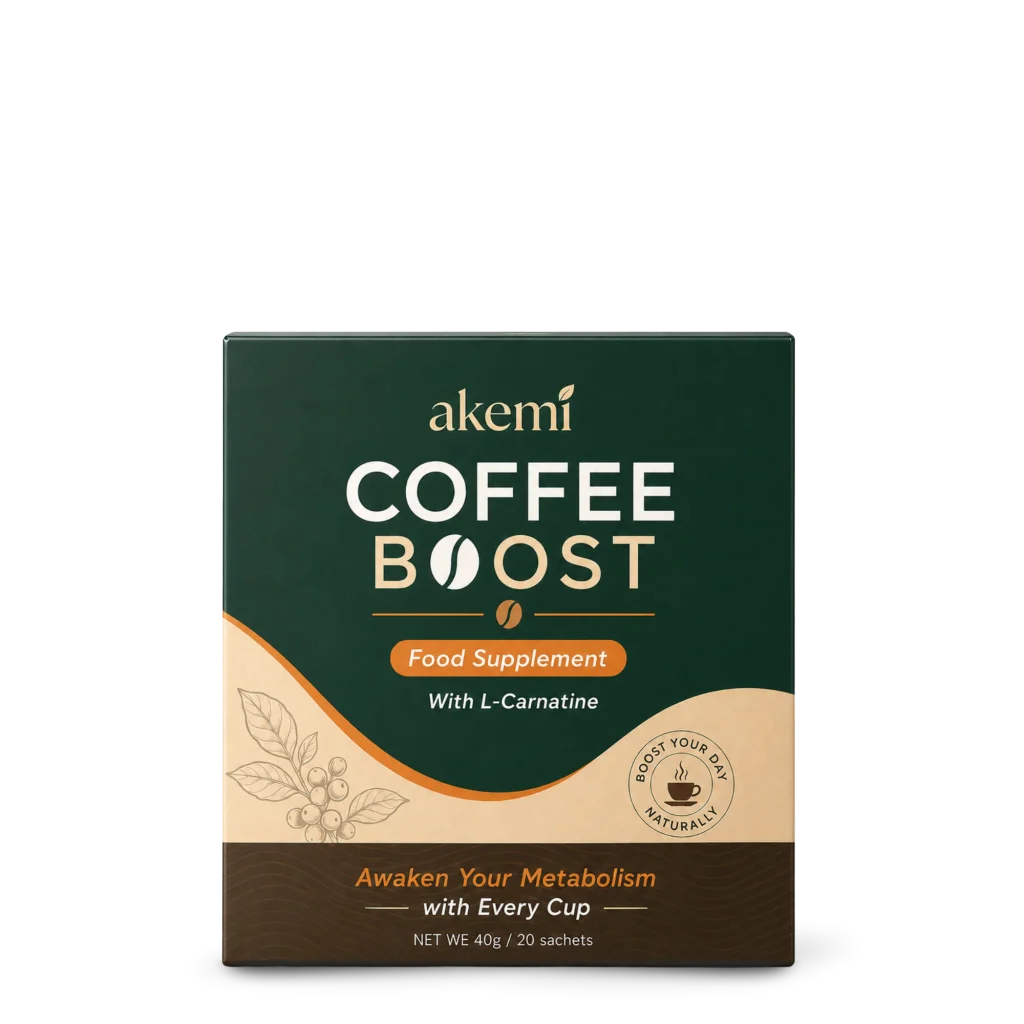
When comparing Akemi Coffee Boost with a conventional popular capsule-based metabolic supplement, I find its drink format especially appealing. The table compares typical product approaches rather than making unsupported claims about every competing brand.

| Feature | Akemi Coffee Boost | Conventional Popular Metabolic Supplement |
|---|---|---|
| Delivery Method | Single-use powder sachets can be incorporated into a beverage already consumed daily. | Capsules and tablets generally require a separate supplement habit, although they may be equally convenient for some users. |
| Formula Diversity | Combines botanical extracts, L-carnitine, and soluble fibers to address several nutritional functions. | Formulas vary; some emphasize caffeine or individual botanicals, while others offer similarly broad combinations. |
| Carbohydrate-Related Ingredients | Includes white kidney bean and mulberry leaf extracts, both investigated for carbohydrate-digesting enzyme activity. | Some products lack these ingredients and concentrate primarily on thermogenic compounds. |
| Digestive Components | Resistant dextrin and psyllium introduce potential fiber-related benefits. | Many metabolic capsules contain limited fiber because meaningful fiber servings take substantial physical space. |
| Stimulant Approach | Advertised to contain approximately 30 mg caffeine per sachet, before accounting for the beverage. | Caffeine levels differ widely; some products contain more, while stimulant-free alternatives are available. |
| Ingredient Transparency | Ingredient names are disclosed, but verified exact quantities and standardizations remain insufficient. | Some established competitors publish complete ingredient amounts and third-party quality documentation. |
| Evidence of Effectiveness | Individual ingredients have research support, but finished-product clinical efficacy is not established. | Evidence varies by brand and formulation; a transparent, clinically tested competitor could have an advantage. |
| Everyday Practicality | Particularly convenient for people who enjoy coffee, tea, or smoothies. | Often more suitable for people who dislike powders or prefer swallowing a single capsule. |
| Best Potential Advantage | Broad formulation and easy beverage integration. | Depending on the brand, clearer dosing, stronger testing documentation, or more specialized ingredient selection. |
My preference for Akemi Coffee Boost’s format does not extend to claiming superior weight-loss performance. Its convenience is a defensible advantage, while clinical superiority has not been demonstrated.
My Akemi Coffee Boost Rating: The Reasoning Behind 4.6/5
I give the formulation concept of Akemi Coffee Boost a 4.6/5 editorial rating, primarily for ingredient diversity and convenience. This score evaluates the advertised design. It does not represent independently confirmed results, customer satisfaction, or seller trustworthiness.
| Evaluation Category | Rating | My Reasoning |
|---|---|---|
| Overall Formula Concept | ★★★★★ 4.6/5 | Appealing nutritional approach, but finished-product efficacy remains unverified. |
| Ingredient Selection | ★★★★★ 4.7/5 | Includes several ingredients supported by relevant, although sometimes limited, human research. |
| Convenience | ★★★★★ 4.9/5 | Single daily sachet and flexible beverage preparation are practical advantages. |
| Formula Versatility | ★★★★★ 4.6/5 | Addresses digestive and carbohydrate-related functions within one product. |
| Potential Nutritional Value | ★★★★★ 4.5/5 | Plausible benefits depend heavily on actual ingredient quantities. |
| Ease of Preparation | ★★★★★ 4.3/5 | Straightforward use, although powder texture and taste may not satisfy everyone. |
The major distinction is that a favorable formulation score is not an endorsement of the purchasing experience. Independent customer complaints and missing product documentation prevent me from giving equally favorable conclusions about the overall commercial offering.
How to Use Akemi Coffee Boost Properly
The advertised instructions for Akemi Coffee Boost recommend tearing open one sachet daily and stirring the contents into a favorite beverage, hot or cold.
Because the formula contains psyllium, adequate liquid is especially important. Psyllium products commonly require approximately 240 mL of liquid per serving, although the current manufacturer’s directions should take priority. Never swallow the powder dry.
I would also avoid exceeding the suggested daily serving and would check the timing with a pharmacist when taking oral medications. Adding the powder to caffeinated coffee increases overall stimulant exposure.
Akemi Coffee Boost Pros and Cons: What Stands Out?
My analysis of Akemi Coffee Boost reveals some clear formulation advantages, alongside limitations that deserve equal attention.
| Pros | Cons |
|---|---|
| 1. Convenient sachets: Each premeasured serving simplifies preparation and eliminates the need for measuring scoops or multiple capsules. | 1. Unclear ingredient dosages: Without transparent quantities, buyers cannot establish whether the included extracts match clinically investigated amounts. |
| 2. Multiple nutritional pathways: The formula combines ingredients related to carbohydrate digestion, metabolic function, and digestive wellness. | 2. No established product-specific clinical evidence: Positive findings for individual ingredients do not prove the finished supplement produces meaningful weight loss. |
| 3. Includes soluble fibers: Psyllium and resistant dextrin provide digestive-health components missing from many stimulant-centered formulations. | 3. Reported customer-service and billing complaints: Public customer reports raise concerns about charges, delivery communication, and refunds. These reports are allegations, but they merit serious attention. |
| 4. Flexible drink preparation: The powder can be mixed with a variety of beverages, offering convenience for people who already have a morning drinking routine. | 4. Potential side effects: Botanical extracts, caffeine, and soluble fiber may cause digestive discomfort, medication interactions, or other adverse reactions. |
| 5. Moderate advertised caffeine content: Approximately 30 mg per sachet may suit people avoiding highly caffeinated formulas, assuming the label accurately reflects the batch. | |
| 6. Ingredient research foundation: Several components have been studied independently, giving the formula a plausible scientific starting point. |
What Side Effects Could Akemi Coffee Boost Cause?
Although Akemi Coffee Boost is advertised as containing natural ingredients, adverse effects remain possible. These include bloating, nausea, abdominal discomfort, constipation, loose stools, headache, or caffeine-related sleep disruption.
Concentrated green tea extract has also been associated with rare liver problems. Psyllium may present choking or obstruction risks when taken without sufficient fluid.
Stop using the supplement if concerning symptoms develop. Seek urgent medical attention for difficulty breathing or swallowing, and prompt medical advice for signs of possible liver injury such as jaundice or dark urine.
Is Akemi Coffee Boost Safe?
The ingredients in Akemi Coffee Boost have recognizable uses in dietary supplements, but the complete formula’s safety cannot be fully established without verified dosages, manufacturing information, and quality-testing results.
Healthy adults may tolerate its ingredients, but that does not guarantee universal safety. I recommend following the stated dosage, maintaining adequate hydration, accounting for caffeine, and consulting a healthcare professional when appropriate.
Can Akemi Coffee Boost Be Taken With Other Medications?
Potential interactions are an important consideration with Akemi Coffee Boost.
Psyllium can interfere with the absorption of some medications. Green tea extract may affect certain prescribed medicines, while ingredients involved in carbohydrate metabolism deserve caution in people receiving diabetes treatment.
Do not adjust prescription medication based on supplement marketing claims. A pharmacist or healthcare professional can evaluate specific drug combinations and recommend suitable administration times.
Who Should Consider Akemi Coffee Boost, and Who Should Avoid It?
I believe Akemi Coffee Boost is primarily positioned toward adults seeking a convenient dietary supplement. Suitability depends on medical circumstances and realistic expectations.
Who Might Consider It
- Adults interested in convenient supplementation: People with an established coffee or tea routine may appreciate the minimal preparation required.
- Individuals exploring metabolic-support ingredients: Buyers who understand the limited evidence may consider the formulation after confirming the ingredient quantities.
- People interested in fiber-related benefits: The inclusion of psyllium and resistant dextrin may appeal to those seeking digestive support, although dosage remains important.
Who Should Avoid It or Seek Medical Advice
- Pregnant or breastfeeding individuals: There is insufficient product-specific evidence to establish suitability.
- People with diabetes using medication: Ingredients affecting carbohydrate metabolism may complicate glucose management.
- Individuals with liver disorders: Concentrated green tea extracts require additional caution.
- People with swallowing difficulties: Psyllium-containing powders may be inappropriate without medical guidance.
- Caffeine-sensitive individuals: The supplement and chosen beverage may contribute to undesirable stimulation.
- Children and adolescents: The formula lacks an established pediatric safety basis.
What I Didn’t Like About Akemi Coffee Boost
Despite the interesting formulation, Akemi Coffee Boost has several limitations that influence my assessment.
- Missing ingredient-level transparency: I could not verify exact amounts for all seven ingredients. This makes it difficult to determine whether the formula contains meaningful quantities.
- Overconfident advertising: Promises of rapid glucose stabilization, immediate results, and around-the-clock fat burning go beyond what can reasonably be concluded from the available research.
- Independent customer complaints: As of October 17, 2026, a Trustpilot listing associated with an Akemi Coffee Boost website displayed approximately 1.8/5 from 17 reviews. Complaints included unexpected charges, currency confusion, unresponsive support, and refund difficulties. The sample is small and the reviews are not independently verified, but the pattern deserves attention. I could not confirm whether every reported transaction involved the same seller as the linked purchasing page.
- Unverified testimonials: Promotional success stories describe impressive changes, but I could not independently authenticate the individuals or establish that their experiences represent typical outcomes.
- Insufficient quality-control documentation: Claims of third-party testing would be more persuasive if buyers could inspect relevant laboratory certificates and manufacturing information.
Is Akemi Coffee Boost a Scam or Legit?
I would not automatically label Akemi Coffee Boost a scam simply because the formulation has limited clinical evidence. The listed ingredients are recognizable, and several have legitimate research behind them. However, having scientifically investigated ingredients does not establish that the product works or that every seller provides reliable service.
The more concerning issues involve aggressive promotional claims, incomplete formula transparency, and independent customer complaints. I cannot verify the overall purchasing experience as trustworthy, and I would advise checking the final currency, exact charge, seller identity, refund address, and customer-service contact before placing an order.
Alternatives to Akemi Coffee Boost Available on Amazon
For consumers exploring alternatives to Akemi Coffee Boost, several established supplement products target individual components of metabolic or digestive wellness. These are alternatives by ingredient purpose, not necessarily direct replacements for the complete formula.
1. Metamucil Psyllium Fiber Powder
Metamucil concentrates on psyllium fiber, making it appropriate for people primarily interested in digestive regularity and increasing soluble fiber intake.
Its narrower focus may be attractive to buyers who prefer clearer fiber-related goals. However, it does not reproduce Akemi Coffee Boost’s botanical metabolic-support formula.
2. Life Extension CoffeeGenic Green Coffee Extract
This supplement emphasizes green coffee extract, appealing to consumers interested in chlorogenic acids and research surrounding coffee-derived compounds.
I would compare its current standardized extract content with the information available for Akemi Coffee Boost. It lacks the same combined fiber and carbohydrate-related ingredient profile.
3. Nature’s Way White Kidney Bean
White kidney bean supplements focus on an ingredient associated with starch-digesting enzyme inhibition. They may interest consumers who want to investigate that specific mechanism without taking a broader blend.
Product listings, availability, and formulations can change. Before buying any alternative on Amazon, verify the current seller, Supplement Facts panel, ingredient amounts, and product authenticity.
Akemi Coffee Boost 30-Day Money-Back Guarantee

The advertised 30-day money-back guarantee is an important part of the Akemi Coffee Boost purchasing proposition. The advertised official-site guarantee should not be assumed to apply to third-party marketplaces or unauthorized sellers.
One identified Akemi return policy states that eligible products must be returned in their original packaging and condition, with shipping and handling excluded from the refund. It also describes inspection before refunds are processed. These conditions are more restrictive than a simple unconditional satisfaction guarantee.
Because multiple Akemi-related storefronts appear online and independent complaints mention refund difficulties, I strongly recommend confirming which policy governs the exact checkout being used. Save the full terms, payment confirmation, customer-support address, and return instructions before ordering.
Frequently Asked Questions About Akemi Coffee Boost
Q: How quickly can Akemi Coffee Boost produce noticeable results?
A: The marketing emphasizes rapid action, but no reliable finished-product clinical evidence establishes how quickly results occur. Some users may notice caffeine-related alertness relatively soon, while weight changes depend on many factors. I would avoid relying on advertised day-by-day transformation timelines.
Q: Can Akemi Coffee Boost work without diet or exercise?
A: The supplement may be used without a complicated preparation routine, but significant weight management generally depends on sustained habits that influence calorie balance. Its ingredients do not establish an ability to produce meaningful fat loss independently of those factors.
Q: Does Akemi Coffee Boost contain stimulants?
A: Yes, the advertised formula contains approximately 30 mg of naturally occurring caffeine per sachet. This matters because marketing statements describing the supplement as stimulant-free may conflict with its stated ingredient information. The total amount consumed also depends on the accompanying beverage.
Q: Can I mix Akemi Coffee Boost into something other than coffee?
A: The advertised preparation instructions allow mixing it into hot or cold drinks. Tea, water, and smoothies are mentioned as possible options. However, customer feedback concerning taste and texture suggests that individual experiences may differ from flavorless-product claims.
Q: Are the Akemi Coffee Boost customer testimonials reliable?
A: Official testimonials describe favorable experiences, but I could not independently verify their authenticity or determine whether they reflect typical outcomes. Independent public feedback includes substantial purchasing complaints. I would examine both sources rather than relying exclusively on promotional success stories.
Q: Can I increase the dosage to improve my results?
A: The advertised serving is one sachet daily. Increasing intake could raise exposure to caffeine, botanical compounds, and fiber without proven additional benefit. I would follow the label and consult a qualified professional before considering any change.
Q: Does Akemi Coffee Boost permanently block carbohydrates?
A: No evidence establishes permanent carbohydrate blocking. Certain included botanicals may temporarily influence starch- or sugar-digesting enzymes, but the magnitude of that effect depends on ingredient dose and preparation. Normal carbohydrate digestion remains an essential physiological process.
Q: Where should Akemi Coffee Boost be purchased?
A: The official purchasing channel is the relevant place to examine current offers and guarantee eligibility. However, I recommend verifying the actual seller, total checkout charge, selected currency, shipping fees, customer-service details, and current refund terms before payment.
My Final Verdict on Akemi Coffee Boost
After examining Akemi Coffee Boost, I find its ingredient combination scientifically interesting and its sachet format genuinely convenient. The inclusion of soluble fibers alongside green tea, green coffee, white kidney bean, and mulberry extracts gives the formula a broader nutritional approach than many simple stimulant supplements.
However, I cannot overlook the missing ingredient quantities, absence of verified finished-product clinical trials, and concerning independent customer complaints. My 4.6/5 score applies specifically to the advertised formulation concept and convenience, not confirmed weight-loss effectiveness or overall seller reliability. These distinctions are important when deciding whether the product deserves a purchase.
My recommendation is to research carefully rather than make a rushed decision. If you are still considering Akemi Coffee Boost, review the official purchasing information, confirm the complete label and return terms, and check the final payment details before proceeding. That is the most sensible way to approach a product whose concept is promising but whose claims and purchasing experience require further verification.
Disclaimer
This review is for educational and informational purposes and does not replace professional medical advice. Akemi Coffee Boost is not established as a treatment for obesity, diabetes, or other medical conditions. Individual experiences and results may differ. Consult a qualified healthcare professional before using dietary supplements, particularly if you take medication or have an existing health condition. Affiliate disclosure: This article contains affiliate links, and I may earn a commission from qualifying purchases at no additional cost to you.
References
- National Institutes of Health, Office of Dietary Supplements. Dietary Supplements for Weight Loss: Health Professional Fact Sheet. Reviews clinical evidence, efficacy limitations, and safety considerations concerning several botanical and metabolic-support ingredients.
https://ods.od.nih.gov/factsheets/WeightLoss-HealthProfessional/ - National Center for Complementary and Integrative Health. Green Tea: Usefulness and Safety. Discusses research findings, adverse effects, liver-related concerns, and possible medication interactions involving green tea extract.
https://www.nccih.nih.gov/health/green-tea - National Institutes of Health, Office of Dietary Supplements. Carnitine: Health Professional Fact Sheet. Examines L-carnitine metabolism, weight-management research, dosage considerations, and safety findings.
https://ods.od.nih.gov/factsheets/Carnitine-HealthProfessional/ - U.S. National Library of Medicine, MedlinePlus. Psyllium: Drug Information. Provides clinical information about psyllium administration, fluid requirements, precautions, and drug interactions.
https://medlineplus.gov/druginfo/meds/a601104.html - National Institutes of Health, Office of Dietary Supplements. Dietary Supplements for Weight Loss: Consumer Fact Sheet. Summarizes the current evidence for common weight-management supplement ingredients and potential adverse effects.
https://ods.od.nih.gov/factsheets/WeightLoss-Consumer/