

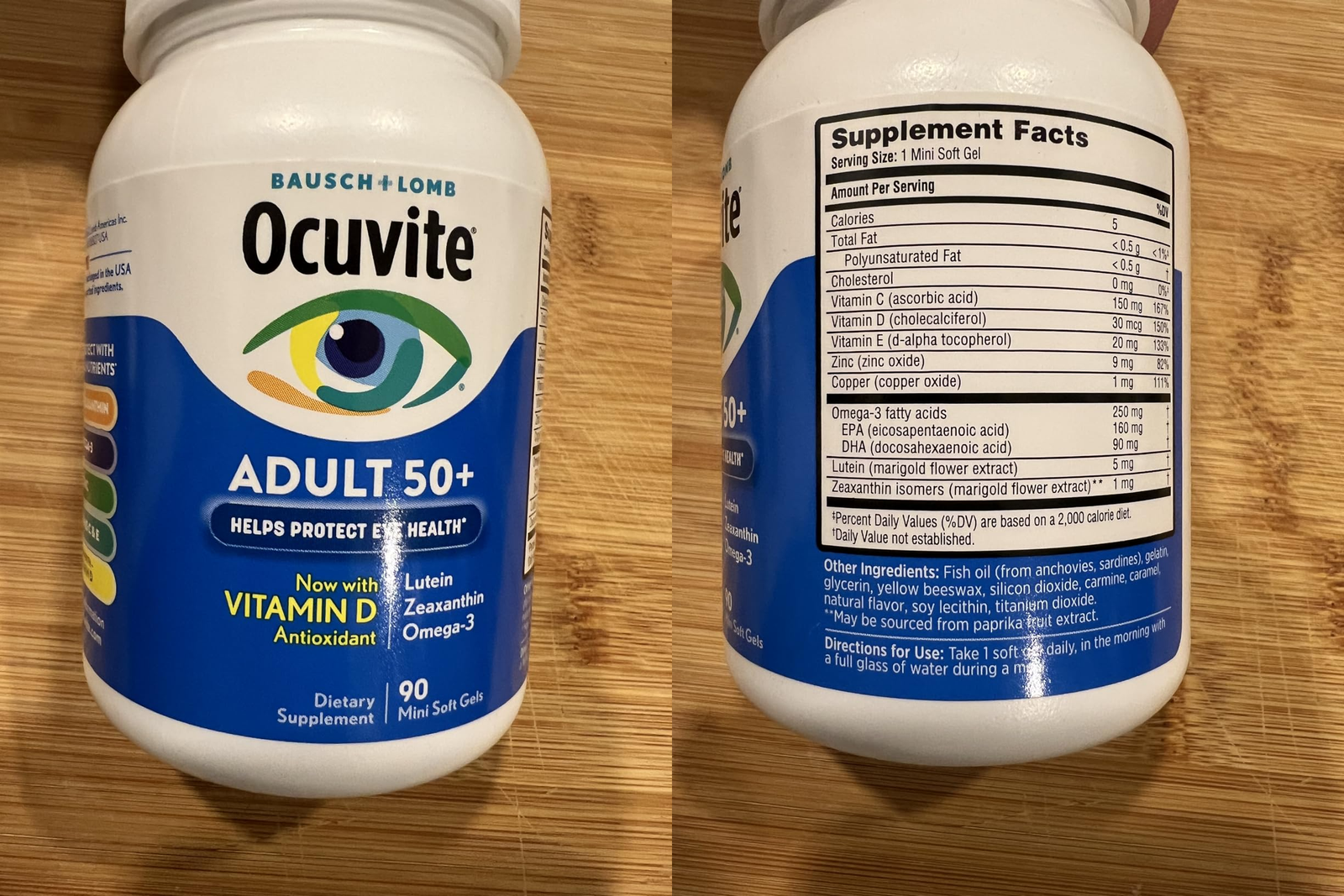
I started looking into Ocuvite because my eyes were no longer handling daily life the way they used to. Long hours on my phone, laptop work, reading at night, and driving in dim light were becoming more tiring than I wanted to admit. My vision was not suddenly terrible, but my eyes felt less sharp, less comfortable, and more easily worn out. I wanted something simple that could support my eye health without feeling like a complicated medical routine.
What attracted me to Ocuvite was that it came from Bausch + Lomb and used familiar eye-support nutrients like lutein, zeaxanthin, omega-3s, zinc, copper, and vitamins C, D, and E. The official Ocuvite information describes Ocuvite 50+ as a supplement with eight eye-health nutrients designed to replenish nutrients that may decline with age.
At the same time, I did not go into this expecting a miracle. I wanted practical support: less eye fatigue, more comfort during screen time, and maybe a better feeling when reading or focusing for long periods. After using it consistently, I can say it helped a little, but it did not work as strongly as I hoped. This is my detailed, first-hand review of what I discovered over three months using Ocuvite — the results, the side effects, complaints, ingredients, how does it work, and whether it is a scam or legit.
What Is Ocuvite?
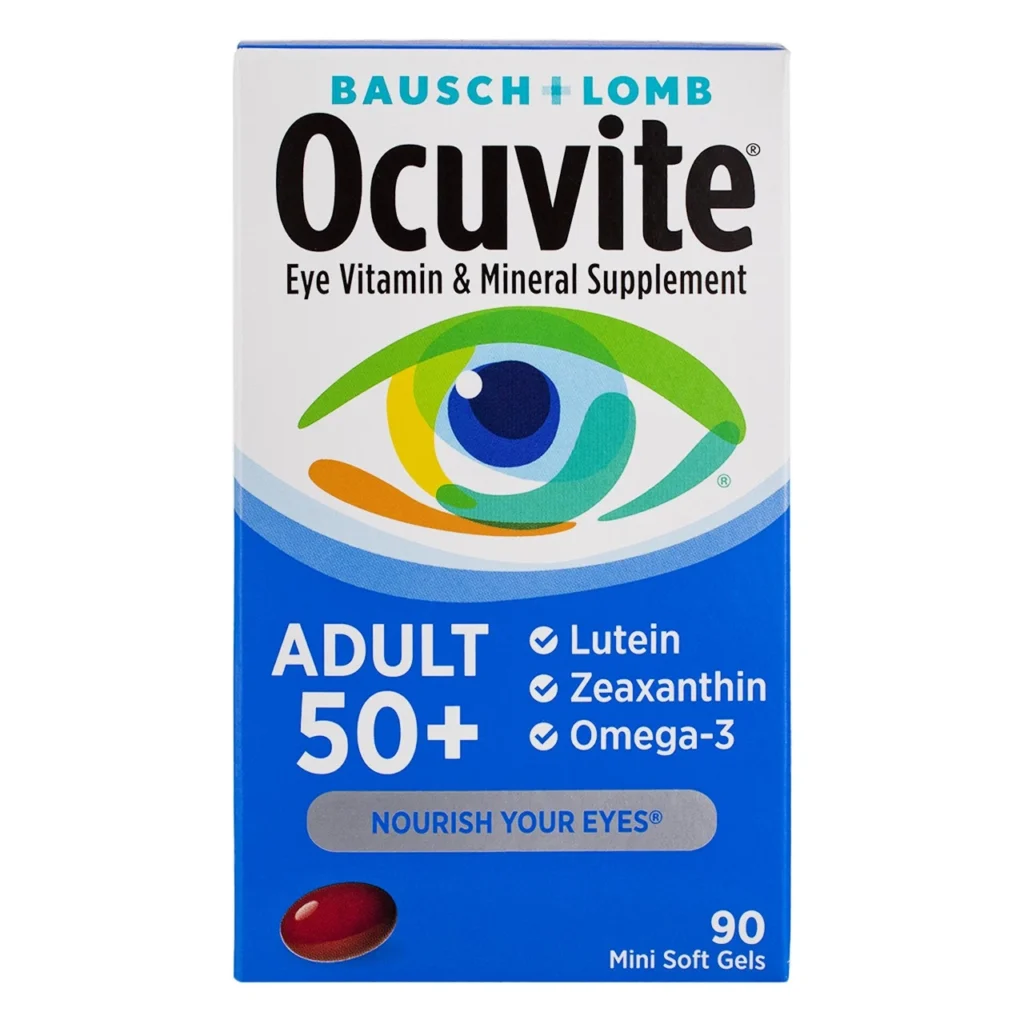
Ocuvite is a line of eye-health vitamin supplements from Bausch + Lomb designed to help nourish the eyes and support long-term vision health. The formula is mainly positioned for people who want nutritional support as they age, especially because certain nutrients connected to eye health may decline over time.
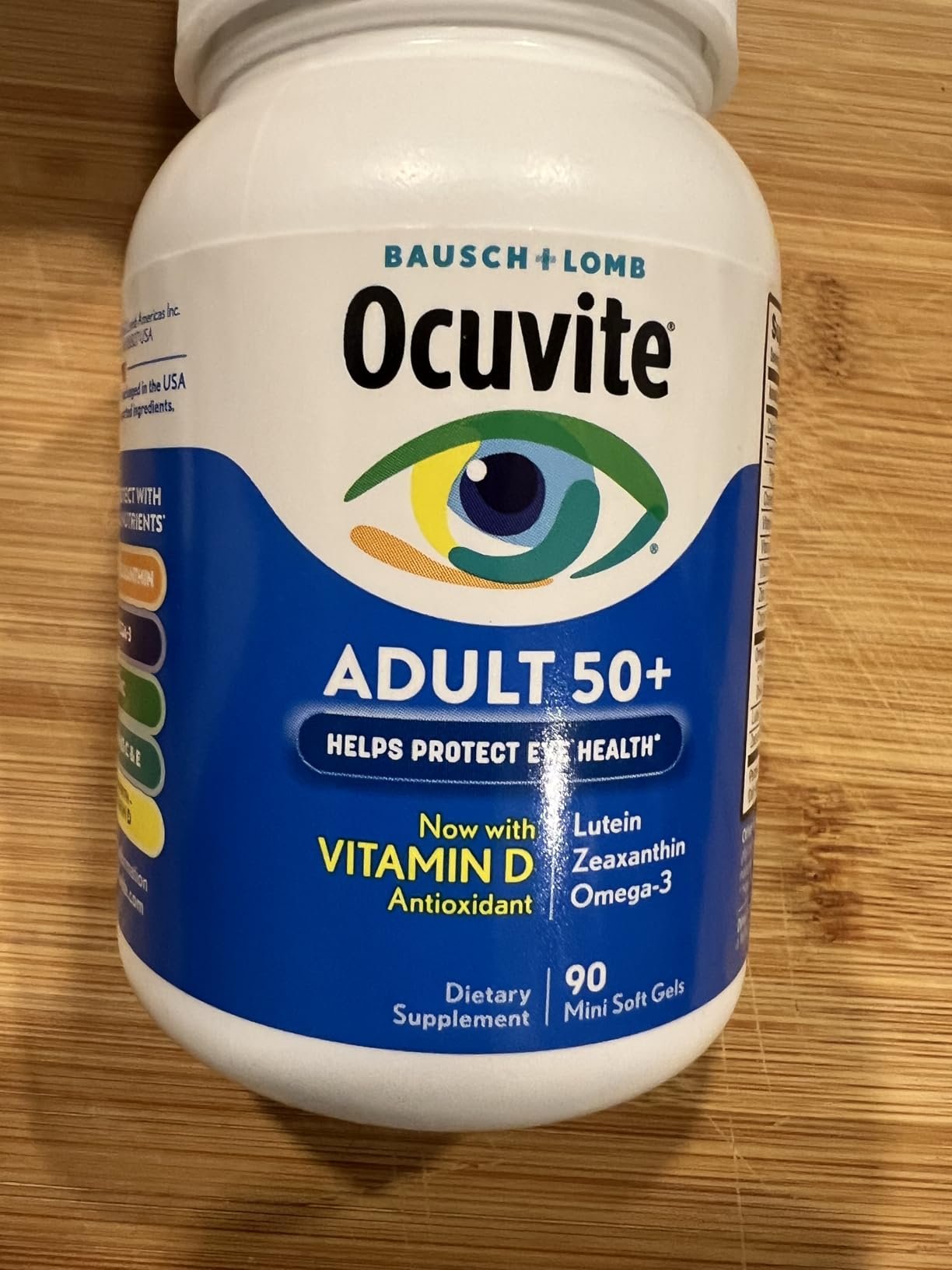
The version I focused on is Ocuvite Adult 50+, which includes lutein, zeaxanthin, omega-3 fatty acids, zinc, copper, vitamin C, vitamin D, and vitamin E. Bausch + Lomb describes the formula as being made to help replenish essential nutrients that support eye health, with vitamin D included to support healthy cell function.
To me, Ocuvite felt like a traditional eye vitamin. It is not flashy, aggressive, or complicated. It is more of a daily nutritional support product for people who want to give their eyes some extra help, especially if they spend a lot of time around screens, bright light, or reading.
However, based on my experience, Ocuvite felt more like gentle maintenance than a strong vision-support formula. I noticed some small improvements in eye comfort, but I did not feel a major transformation in clarity, night vision, or screen tolerance.
How Does It Work?
Ocuvite works by supplying the body with nutrients commonly associated with eye health, antioxidant protection, and retinal support. The idea is not that it directly changes your eyesight overnight. Instead, it helps nourish the eyes with vitamins, minerals, carotenoids, and omega-3 fatty acids that play supportive roles in maintaining healthy eye function.
The most important part of the formula, in my opinion, is the combination of lutein and zeaxanthin. These carotenoids are naturally found in the macula, the part of the eye responsible for central vision. They are often discussed for their role in helping the eyes filter blue light and support macular health. The NIH Dietary Supplement Label Database also describes lutein and zeaxanthin in Ocuvite Adult 50+ as nutrients that help filter harmful blue light and support macular health.
The formula also includes antioxidants like vitamins C and E, which help support the body against oxidative stress. This matters because the eyes are exposed to light, oxygen, and environmental stress every day. Over time, that stress can contribute to tired, uncomfortable, or aging eyes.
Omega-3 fatty acids are another important part because they are associated with retinal function and overall eye comfort. Zinc and copper help round out the mineral support, while vitamin D adds a broader healthy cell function angle.
In simple terms, Ocuvite works by helping refill nutritional gaps that may affect eye comfort and protection over time. But based on my results, I would describe the effect as mild. It supported my eyes, but it did not give me the stronger difference I was hoping for.
Ingredients In Ocuvite
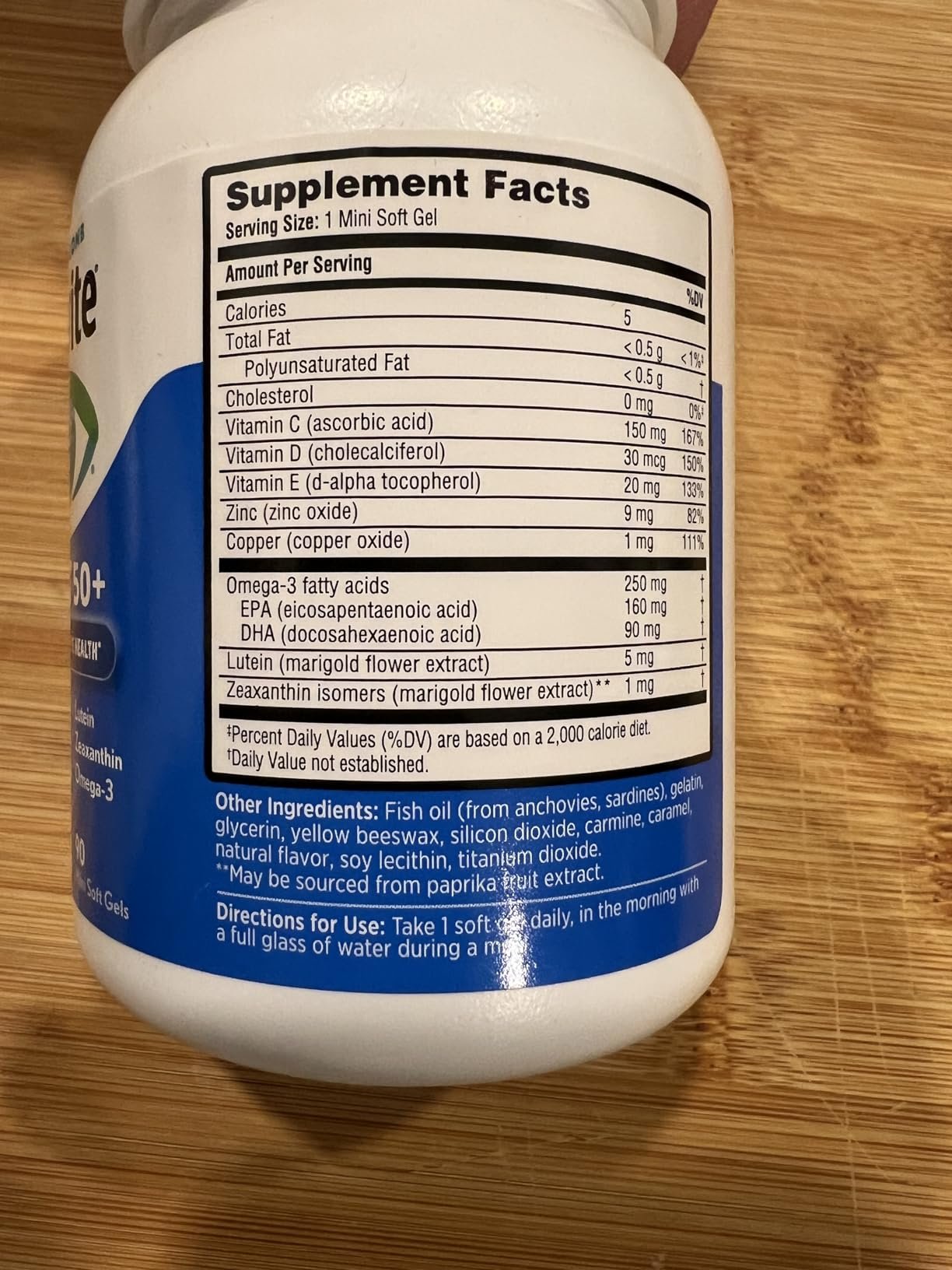
Before using any eye-health supplement, I think it is important to look at the ingredient list carefully. Eye supplements often contain vitamins and minerals that are helpful in normal amounts, but more is not always better. Anyone taking medications, blood thinners, or other supplements should speak with a healthcare professional before adding a new formula.
🍃 Vitamin C
Vitamin C is an antioxidant that helps protect cells from oxidative stress. In an eye-health formula, I see it as a basic but useful nutrient because the eyes deal with constant exposure to light and environmental strain.
For me, vitamin C did not feel like a dramatic ingredient, but it made sense as part of the formula. Its main value is general antioxidant support, not instant vision improvement.
🍃 Vitamin D
Vitamin D is included in Ocuvite Adult 50+ to support healthy cell function. This was one ingredient I appreciated because many eye supplements focus only on carotenoids and ignore broader cellular health.
Bausch + Lomb notes that Ocuvite Adult 50+ includes vitamin D, and some official product pages list 30 micrograms of vitamin D in the formula.
🍃 Vitamin E
Vitamin E is another antioxidant. It supports the body’s ability to protect cells from oxidative damage, which is relevant for long-term eye health.
I liked seeing vitamin E in the formula because it pairs well with vitamin C. Together, they give Ocuvite a more complete antioxidant base.
🍃 Zinc
Zinc is a mineral often used in eye-health supplements because it supports normal vision and helps the body use vitamin A properly. It is also connected to retinal health.
However, zinc can be a sensitive ingredient for some people. Too much zinc may upset the stomach or interfere with copper balance, which is why I appreciated that Ocuvite also includes copper.
🍃 Copper
Copper is included partly to balance zinc intake. Since zinc can reduce copper absorption when taken in higher amounts, copper helps make the formula more balanced.
This is not the most exciting ingredient, but it is important. A good mineral formula should think about balance, not just strength.
🍃 Omega-3 Fatty Acids
Omega-3 fatty acids are important for retinal function and general eye comfort. Ocuvite includes omega-3s from fish oil, which makes sense for an eye supplement.
I personally liked this part of the formula, but I also noticed a mild fishy aftertaste sometimes. It was not terrible, but it was one of the small things I did not enjoy.
🍃 Lutein
Lutein is one of the most important ingredients in Ocuvite. It supports macular health and helps with light-filtering support.
This was one of the main reasons I bought Ocuvite. Since I spend so much time around screens, lutein felt like a practical ingredient for modern eye stress.
🍃 Zeaxanthin
Zeaxanthin works closely with lutein and is also found in the macula. It supports visual protection and helps the eyes deal with light exposure.
I see zeaxanthin as a necessary ingredient in any serious eye-health supplement. Ocuvite includes it, which is a positive point.
Why Did I Buy Ocuvite?
I bought Ocuvite because I wanted something simple, recognizable, and easy to take every day. I was not looking for a complicated supplement routine. I wanted a product that could support my eyes while I continued working, reading, and using screens.
Another reason was trust. Bausch + Lomb is a known name in eye care, so Ocuvite felt safer than a random supplement brand I had never heard of. I also liked that the formula included classic eye nutrients instead of strange ingredients I could not understand.
But my main reason was personal frustration. My eyes felt tired too often, especially at night. I wanted to see if a daily eye vitamin could make my eyes feel fresher and more comfortable.
My Experience After Using Ocuvite
I used Ocuvite consistently for three months. I took one mini soft gel daily and paid attention to how my eyes felt during reading, screen use, and night driving.
Month 1
- The first few weeks felt very mild. I did not notice a big change in vision clarity or focus. My eyes still felt tired after long screen sessions, but I did feel slightly better about having a daily eye-support routine.
- I had a little more comfort during reading. This was not dramatic, but I noticed that my eyes felt slightly less dry or strained when reading for shorter periods.
- No major side effects happened. The only thing I noticed was occasional mild stomach heaviness if I took it without enough food.
Month 2
- My eye fatigue improved slightly. This was the biggest benefit I noticed. I could work longer before feeling that heavy, tired-eye feeling.
- Screen comfort was a little better but not impressive. I still needed breaks, and I still felt strain after long sessions. Ocuvite did not remove the problem.
- Night vision did not improve much. This disappointed me because low-light vision was one of my concerns. I did not feel much difference when driving at night.
Month 3
- The results stayed modest. I did not keep improving month after month. It felt like Ocuvite gave me a small baseline of support and then plateaued.
- My eyes felt slightly more nourished, but not transformed. That is the best way I can describe it.
- I started wanting something more complete. Ocuvite was not bad, but I needed stronger support for screen strain, low-light comfort, and visual sharpness.
What I Didn’t Like About Ocuvite & Why
Ocuvite has some good things going for it, but my review would not be honest if I only focused on the positives. For me, the biggest issue was that the results felt too subtle.
- The improvement was mild. I noticed some support, but it was not strong enough to make me excited. I wanted clearer benefits after three months.
- It felt more like maintenance than improvement. Ocuvite may be helpful for people who simply want basic nutritional support, but I wanted something that felt more targeted.
- Night vision support was disappointing. Dim lighting and nighttime driving were still frustrating for me.
- The fish oil aftertaste bothered me sometimes. It was not constant, but when it happened, it was unpleasant.
- It did not feel broad enough for my needs. I wanted a formula that supported near vision, distance vision, low-light vision, and antioxidant protection in a stronger way.
Pros and Cons of Ocuvite
| Pros of Ocuvite | Cons of Ocuvite |
|---|---|
| Recognizable brand: Ocuvite comes from Bausch + Lomb, which made me feel more comfortable trying it. | Results were mild: I noticed small improvements, but nothing strong enough to fully satisfy me. |
| Includes key eye nutrients: The formula contains lutein, zeaxanthin, omega-3s, zinc, copper, and vitamins C, D, and E. | Not a dramatic vision product: It felt more like nutritional support than a noticeable performance upgrade. |
| Easy daily routine: Taking one mini soft gel per day was simple and convenient. | Night vision support was weak for me: I did not notice much improvement in dim light. |
| Possible fishy aftertaste: The omega-3 content caused an occasional aftertaste. | |
| May not feel complete enough: I wanted broader support for screen strain, visual clarity, and eye resilience. | |
| Needs consistency: This is not something that gives quick results after a few days. |
Side Effects That I Got
I did not experience serious side effects from Ocuvite, but I did notice a few small things.
The first was mild stomach heaviness when I took it without a proper meal. This improved when I took it with food. The second was an occasional fishy aftertaste, likely because the formula includes omega-3s from fish oil.
I also felt that taking it at night was not ideal for me. I preferred taking it earlier in the day with breakfast or lunch. Overall, the side effects were not severe, but they were noticeable enough to mention.
How To Use Ocuvite
I used Ocuvite by taking 1 mini soft gel per day with a meal.
For me, the best time was with breakfast or lunch. Taking it with food helped reduce stomach discomfort and made it easier to stay consistent. I would not recommend taking it on an empty stomach, especially if you are sensitive to fish oil or minerals like zinc.
Is Ocuvite a Scam?
No, I do not think Ocuvite is a scam. It is a real eye-health supplement from a recognized company, and the formula contains legitimate nutrients commonly used for eye support.
However, not being a scam does not automatically mean it will work strongly for everyone. In my case, Ocuvite helped a little, but it did not give me the level of support I wanted.
I would call it a basic, legitimate eye vitamin. I would not call it a powerful vision transformation product.
My #1 Alternative To Ocuvite: Vision20
After using Ocuvite for three months, I realized I wanted something more complete. I did not feel disappointed enough to say Ocuvite was bad, but I did feel like I needed a formula with a broader approach.
That is why my #1 alternative is Vision20.
What made Vision20 stand out to me was the way it approaches eye support from multiple angles. It is not just about adding a few common eye vitamins. It is designed to support the eyes against oxidative stress, blue-light-related strain, lens clarity concerns, and everyday visual performance.
For me, Vision20 felt more complete than Ocuvite because it included carotenoids, antioxidants, and plant extracts that seemed better matched to the problems I was actually dealing with: screen fatigue, low-light frustration, and wanting stronger support for both near and far-distance vision.
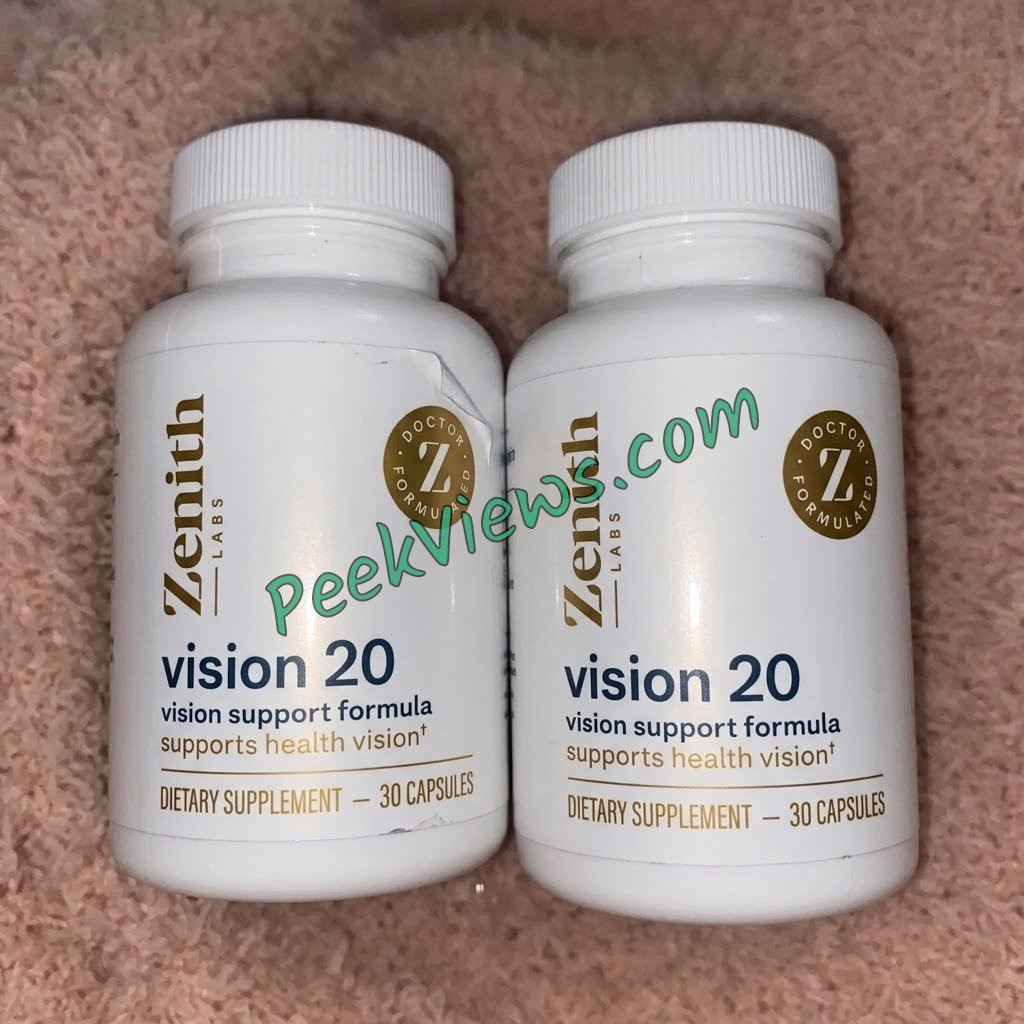
What Is Vision20?
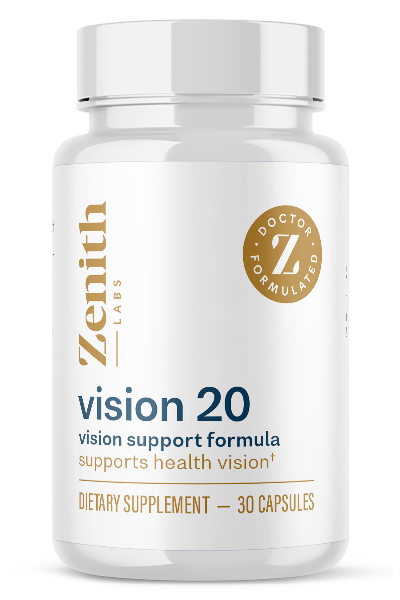
Vision20 is a vision-support supplement from Zenith Labs designed to support eye health using a combination of carotenoids, antioxidants, minerals, and plant extracts.
The formula is positioned as a more advanced vision-support option. Instead of only focusing on general eye nutrition, Vision20 is designed to support eye resilience, clarity, and protection from oxidative stress.
In practical terms, I saw Vision20 as a more complete daily eye supplement. It was not just about maintaining eye health. It felt more focused on helping the eyes perform better under daily stress.
Creator Of Vision20

One of the reasons I felt confident trying Vision20 was the background of the person behind the formula, Dr. Ryan Shelton. Unlike many supplements that provide very little information about who created them, Vision20 is associated with a healthcare professional who has spent years working in natural medicine, formulation, and patient care.
Dr. Shelton earned a Bachelor’s degree in Biochemistry from the University of Kansas before completing his Doctorate of Naturopathic Medicine at Bastyr University, one of the most respected naturopathic medical schools in the United States. He is also a member of both the American Association of Naturopathic Physicians and the Illinois Association of Naturopathic Medicine.
Beyond his education, Dr. Shelton founded Whole-Body Health, a multidisciplinary family practice, and later served as Chief Physician and Formulator at the University Compounding Pharmacy in San Diego, where he worked directly with advanced supplement formulations. He also served as Wellness Director at Pacific Quest in Hawaii before becoming the Medical Research Director at Zenith Labs®.
What stood out to me was that Vision20 didn’t feel like a generic supplement created by a marketing company. Knowing that the formula was developed under the guidance of someone with a background in biochemistry, naturopathic medicine, formulation science, and patient wellness gave me more confidence in the product. It made Vision20 feel like a thoughtfully designed vision-support formula rather than just another supplement on the market.
You can visit his YouTube channel to learn more about him.

How Does Vision20 Work?
Vision20 is designed to work by supporting the eyes on several levels at once. What I liked is that it is not framed as a narrow formula with only one job. Instead, it is positioned as a broader vision support supplement that helps increase levels of what the brand calls vision detoxifiers, protect against ROS toxins from blue UV light, and support the flexibility and clarity of lens cells.
In practical terms, I experienced it as a product aimed at defending the eyes while also helping them perform better. The protective side matters because modern life is full of visual stress. Between screens, artificial lighting, natural aging, and oxidative strain, the eyes are constantly dealing with pressure.

Vision20 seems built to respond to that by using carotenoids, antioxidants, and plant extracts that support the tissues most responsible for clear and comfortable sight.
Another thing I appreciated is that Vision20 was described in a way that connected directly to real life. It aims to support near-distance vision, so reading and seeing screens feels easier. It aims to support far-distance vision, which matters for recognizing faces and reading signs. It also supports low-light vision, which was especially important to me because dim environments and night driving had become more frustrating over time.
What really separated Vision20 for me was the feeling that it addressed both support and resilience. It is not only about helping the eyes function better in the moment. It is also about giving them stronger nutritional protection over time.
Ingredients In Vision20
One of the biggest reasons I decided to try Vision20 was its ingredient profile. Unlike many eye supplements that focus on only a handful of nutrients, Vision20 combines vitamins, minerals, carotenoids, and plant extracts that target different aspects of eye health. Before taking any supplement, I always pay attention to the ingredient list because that’s where the real value of a formula comes from.
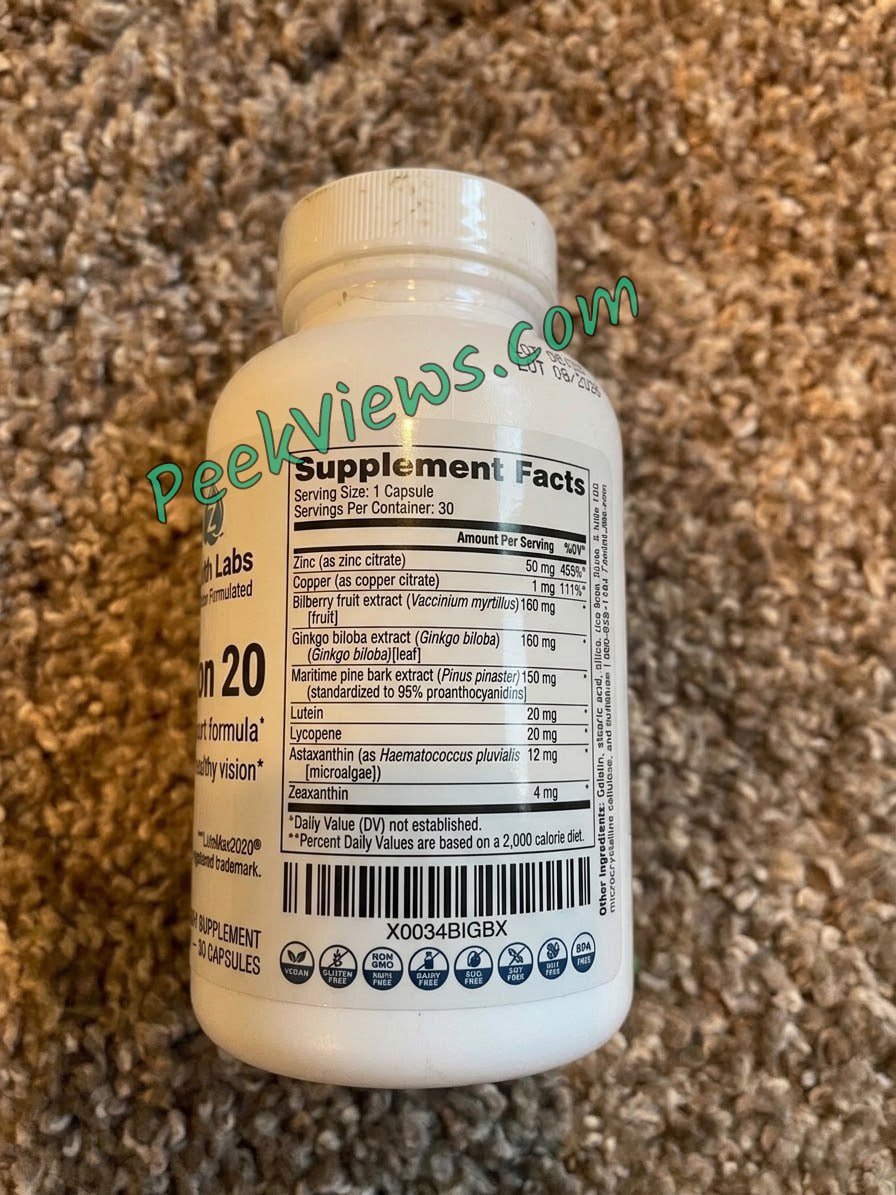
I also appreciated that Vision20 uses ingredients that are commonly associated with vision support and antioxidant protection. While no supplement can guarantee results, I felt more confident knowing the formula contained nutrients that are frequently used in eye-health research and nutritional support formulas.
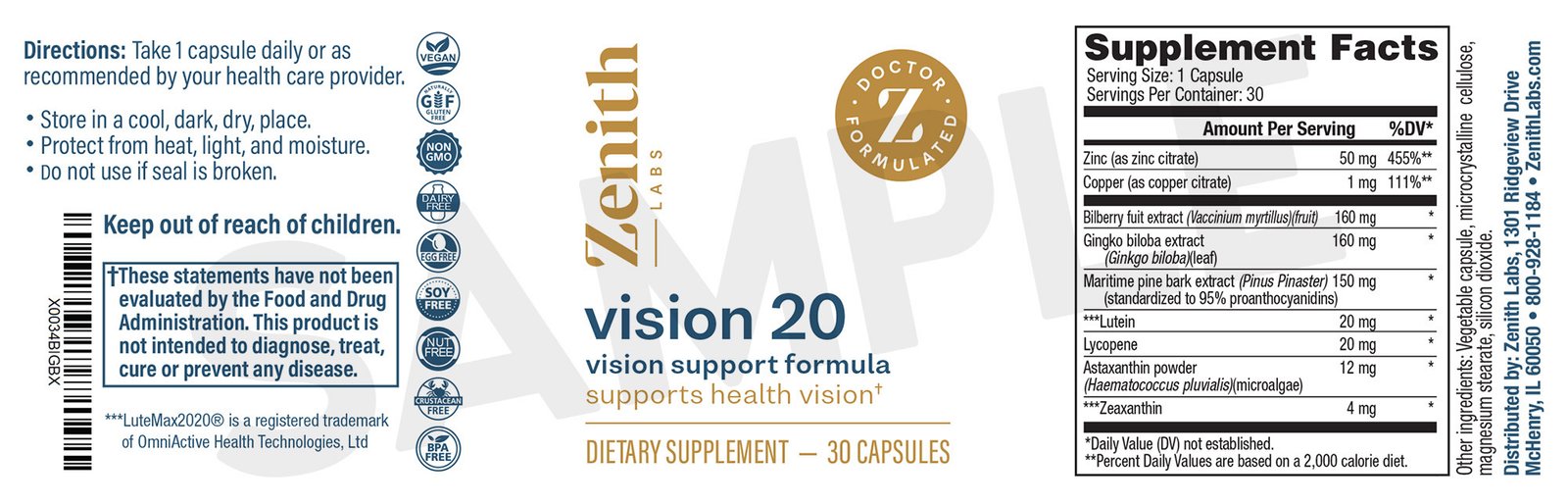
🍃 Zinc
Zinc is one of the most important minerals for healthy vision. It plays a role in supporting normal eye function and helps transport vitamin A from the liver to the retina, where it is needed for visual processes. I liked seeing zinc included because it serves as one of the foundational nutrients for maintaining healthy eyesight as we age.
🍃 Copper
Copper is included to complement zinc and help maintain proper mineral balance. Many vision supplements contain zinc, but not all include copper to support balanced intake. While it may not be the most talked-about ingredient in the formula, I appreciated that Vision20 didn’t overlook this important nutrient.
🍃 Bilberry Fruit Extract
Bilberry has been associated with eye health for decades and is rich in powerful antioxidants known as anthocyanins. What attracted me to this ingredient is its reputation for supporting visual comfort and helping protect eye tissues from oxidative stress. It gives the formula a more advanced feel than basic vitamin-only eye supplements.
🍃 Ginkgo Biloba Extract
Ginkgo Biloba is often used to support healthy circulation throughout the body. Since the eyes rely on a steady supply of nutrients and oxygen, I liked that Vision20 includes this botanical extract as part of its broader vision-support approach. It adds another layer of support beyond standard vitamins and minerals.
🍃 Maritime Pine Bark Extract
This ingredient is packed with antioxidant compounds that help combat oxidative stress. Since everyday factors like aging, screen exposure, and environmental stress can affect eye health, I found Maritime Pine Bark Extract to be one of the more impressive additions to the formula.
🍃 Lutein
Lutein is one of the most recognized nutrients for eye health and was one of the main ingredients I wanted in a vision supplement. It is naturally found in the macula and helps support the eyes’ ability to filter blue light. Since I spend hours in front of digital screens every day, this ingredient was particularly important to me.
🍃 Lycopene
Lycopene is a carotenoid known for its antioxidant properties. Although it is often associated with overall wellness, I liked seeing it included because it helps expand the formula’s antioxidant support and contributes to protecting cells from oxidative damage.
🍃 Astaxanthin Powder
Astaxanthin was one of the ingredients that immediately caught my attention. It is considered one of the most powerful natural antioxidants and is frequently included in premium eye-health formulas. For me, this ingredient helped distinguish Vision20 from more basic vision supplements on the market.
🍃 Zeaxanthin
Zeaxanthin works alongside lutein and is another carotenoid naturally concentrated in the macula. Together, these two nutrients help support visual performance and protect the eyes from daily exposure to light and environmental stress. In my opinion, no serious eye-health formula feels complete without both lutein and zeaxanthin.
Why I Liked The Formula Overall
What stood out to me most about Vision20 is that the ingredients don’t feel randomly selected. The formula combines minerals, carotenoids, antioxidants, and plant extracts that work together to support multiple aspects of eye health rather than focusing on just one area.
Compared to many traditional eye supplements, Vision20 felt more comprehensive. Instead of simply providing basic nutritional support, it seemed designed to help with visual comfort, screen-related eye strain, antioxidant protection, low-light vision support, and long-term eye health, which is ultimately why I felt it delivered better results during my three-month experience.
How To Use Vision20
I used Vision20 by taking 1 capsule per day with water. I preferred taking it with a meal because that made it easier on my stomach and helped me remember it every day. Consistency matters with eye-health supplements, so I treated it like part of my morning routine.
Is Vision20 Safe?
Vision20 is presented as a natural supplement made with carefully selected ingredients. The product is described as being manufactured in an FDA-approved facility, made under GMP-certified standards, produced in the USA, and made with natural ingredients.

That helped me feel more comfortable using it. I still believe people should be responsible with supplements, especially if they take medications or have eye conditions. But based on the manufacturing standards and ingredient profile, Vision20 felt like a safe and professional option for daily vision support.
Who Should Use Vision20 vs Who Should Avoid Vision20
| Who Should Use Vision20 | Who Should Avoid Vision20 |
|---|---|
| People who want broader eye support: Vision20 may be a good fit for people who want more than basic vitamins and minerals. | People expecting instant results: Vision20 is not an overnight fix. It needs consistent use. |
| People with screen-related eye fatigue: If long hours on phones or computers make your eyes feel tired, Vision20 may offer more complete support. | People with serious eye disease without medical guidance: Anyone with diagnosed eye problems should speak with an eye doctor first. |
| People who struggle with low-light vision: I found Vision20 more relevant for dim environments and night-driving frustration. | People taking multiple supplements already: Combining formulas may increase nutrient overlap. |
| People who prefer natural formulas: Vision20 uses plant extracts, carotenoids, antioxidants, and minerals. | Pregnant or nursing women: It is best to avoid starting new supplements without medical advice. |
| People who want long-term eye protection: The formula is built around antioxidant and carotenoid support. | People allergic to any ingredient: Always check the full label before using it. |
My Results & Benefits After Using Vision20 For 3 Months
After finishing my three-month trial with Ocuvite, I felt like I needed something that offered more complete support for my eyes. While Ocuvite provided some basic benefits, I was still dealing with eye fatigue, screen-related discomfort, and the frustration that came with spending long hours looking at digital devices every day. That’s when I decided to try Vision20.
I committed to taking one capsule every day for three full months. I didn’t expect instant results, but I hoped that the combination of antioxidants, carotenoids, minerals, and plant extracts would provide stronger support than I had experienced previously. Looking back, I’m glad I gave it enough time because the improvements became more noticeable with each passing month.
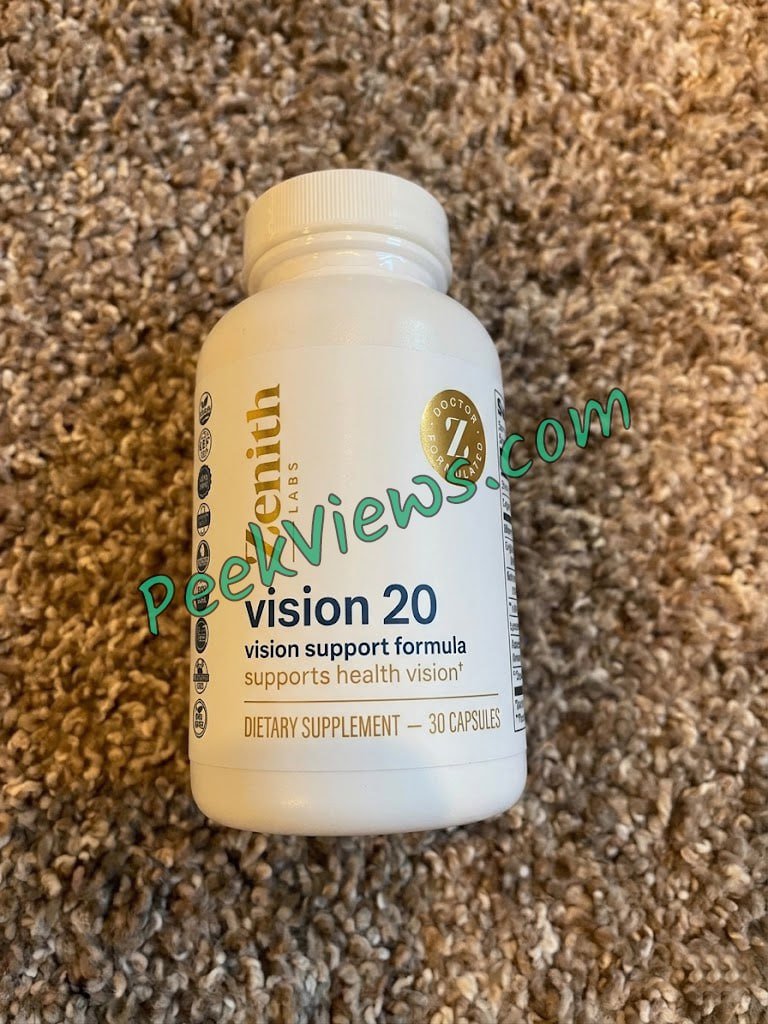
Month 1: My Eyes Started Feeling Less Stressed
During the first few weeks, I wasn’t seeing dramatic changes in my vision itself, but I did notice improvements in how my eyes felt throughout the day. Before starting Vision20, it was common for my eyes to feel tired after spending several hours working on my computer. By the end of the day, they often felt strained and overworked.
Around the third week, I started noticing that this discomfort wasn’t as intense as before.
Some of the benefits I experienced during the first month included:
- Reduced eye fatigue after long periods of screen use. My eyes felt more comfortable during work and didn’t seem to become exhausted as quickly.
- Improved reading comfort. Whether I was reading on my phone, computer, or from a physical book, my eyes seemed to stay comfortable for longer periods.
- Less end-of-day strain. Normally, my eyes would feel heavy and tired in the evening, but that feeling gradually became less noticeable.
- Better overall eye comfort. I wasn’t constantly aware of my eyes feeling stressed or irritated.
While these weren’t major changes, they were enough to convince me that Vision20 was doing something positive and worth continuing.
Month 2: The Benefits Became Much More Noticeable
The second month was where I really started seeing the difference between Vision20 and other eye-health supplements I had tried.
The improvements from Month 1 continued, but they also became more consistent. Instead of occasionally noticing better eye comfort, I started experiencing it almost every day.
One of the biggest changes was how my eyes handled long work sessions. Since my job requires me to spend several hours looking at screens, this was one of the most important factors for me.
During Month 2, I noticed:
- Much better screen tolerance. I could work longer before feeling the need to rest my eyes.
- Reduced visual fatigue throughout the day. My eyes didn’t feel as worn out after hours of computer use.
- Improved focus during detailed tasks. Reading small text and concentrating on visual work became more comfortable.
- Less discomfort when switching between devices. Moving from my phone to my laptop or from a screen to printed material felt easier on my eyes.
- More comfortable vision in dim lighting. I started noticing improvements when driving at night or spending time in darker environments.
One thing that surprised me was how much I appreciated the improvement in low-light situations. I wasn’t expecting a huge difference, but I found that my eyes seemed to adapt more comfortably when lighting conditions changed.
Month 3: The Full Benefits Started Showing
By the third month, I felt that Vision20 was providing the level of support I had originally hoped to find.
The improvements I noticed during the first two months didn’t disappear or plateau. Instead, they became part of my daily experience. My eyes simply felt stronger, healthier, and more capable of handling the demands of modern life.
Some of the biggest benefits I experienced during Month 3 included:
- Consistent eye comfort throughout the day. Eye fatigue became far less common than before.
- Better endurance during long work sessions. I could spend extended periods reading, writing, and working without my eyes feeling exhausted.
- Improved comfort while driving at night. Low-light environments felt less frustrating than they had before.
- Reduced strain from digital screens. My eyes seemed better able to handle long hours of screen exposure.
- Greater overall visual comfort. My eyes simply felt healthier and less stressed.
- A stronger feeling of long-term support. I felt like I was actively protecting my eyes rather than just reacting to symptoms of strain.
The Benefits That Stood Out The Most
Looking back at my entire three-month experience, several benefits stood out above everything else:
- Less screen-related eye fatigue
- Improved reading comfort
- Better tolerance for long hours of computer work
- More comfortable vision in low-light environments
- Reduced eye strain at the end of the day
- Greater overall eye comfort and resilience
- A stronger feeling of long-term vision support
What I appreciated most about Vision20 was that the improvements felt natural. It didn’t feel like a quick boost or temporary effect. Instead, it felt like my eyes were gradually becoming better supported as the nutrients built up over time.oment. It was the steady feeling that my eyes were handling daily stress better. That is what made Vision20 my preferred option.
What I Didn’t Like About Vision20 & Why
Vision20 worked better for me, but it still had a few downsides.
- It still requires patience. I did not feel the full benefit in the first week.
- It may not be ideal for everyone. People who only want a simple basic eye vitamin may prefer something more traditional.
- It is more targeted than Ocuvite, which may require more trust in the formula. Some people may prefer familiar mainstream brands.
Pros and Cons of Vision20
| Pros of Vision20 | Cons of Vision20 |
|---|---|
| More complete formula: Vision20 includes carotenoids, antioxidants, minerals, and plant extracts for broader support. | Not instant: It took consistent use before I noticed stronger benefits. |
| Better screen comfort for me: My eyes felt less tired during long digital work sessions. | May not suit everyone: Some people may prefer a simpler formula. |
| Helped low-light comfort more: This was one of the biggest reasons I preferred it. | Requires daily consistency: Skipping doses may reduce the overall experience. |
| Supports near and far-distance vision: I liked that the formula felt practical for real-life vision needs. | |
| Natural ingredient profile: The formula uses plant extracts and carotenoids that feel well suited for eye support. | |
| Strong guarantee: The 180-day money-back guarantee made it feel less risky to try. |
Guarantee
One of the things I appreciated most about Vision20 was the 180-day money-back guarantee. Many supplements only offer a 30-day refund policy, which often isn’t enough time to properly evaluate an eye-health product. Since vision supplements typically require consistent use over several weeks or months, having a full six months gives you plenty of time to see how your body responds.

For me, this guarantee made trying Vision20 feel much less risky. I knew I could use the product consistently, monitor my results, and make an informed decision without feeling pressured. That level of confidence from the company was reassuring and suggested that they genuinely stand behind their formula.
If Vision20 doesn’t meet your expectations, you can request a refund within 180 days of your purchase. In my opinion, that’s one of the strongest guarantees available in the vision supplement market and provides valuable peace of mind for first-time buyers.
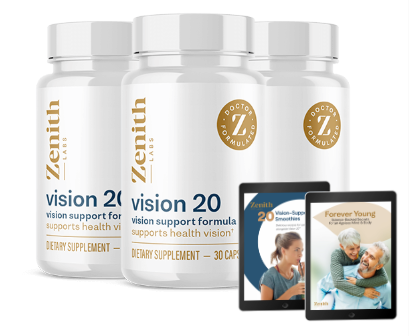
Vision20 Bonuses

Ocuvite vs Vision20 Comparison
After spending several months testing both products, I think this is the section that matters most. While both supplements are designed to support eye health, they are built with very different philosophies.
Ocuvite focuses primarily on supplying a selection of essential vitamins, minerals, carotenoids, and omega-3 fatty acids that may help maintain eye health as we age. It feels like a traditional eye vitamin designed for nutritional maintenance.
Vision20, on the other hand, is designed as a broader vision-support formula that combines carotenoids, antioxidants, minerals, and plant extracts to support visual performance, protection, and long-term resilience. During my experience, this difference became increasingly noticeable over time.
I don’t consider Ocuvite a bad supplement. In fact, I think it provides a solid nutritional foundation. However, after using both products, I personally found that Vision20 addressed more of the real-world vision challenges I was dealing with, including screen fatigue, low-light vision, eye comfort, and overall visual performance.

| Feature | Ocuvite | Vision20 |
|---|---|---|
| Primary Goal | Provides essential nutrients that support general eye health and help replenish nutrients that may decline with age. | Designed to support vision from multiple angles, including visual clarity, eye protection, screen-related stress, and long-term eye resilience. |
| Formula Approach | Traditional eye-health vitamin formula. | Advanced vision-support formula using vitamins, minerals, carotenoids, and botanical extracts. |
| Number of Active Ingredients | Relatively simple formula focused on core eye nutrients. | Broader formula that combines multiple vision-support compounds and antioxidants. |
| Lutein & Zeaxanthin | Yes, includes both important macular-support nutrients. | Yes, includes both while also adding several complementary vision-support compounds. |
| Antioxidant Support | Provides antioxidant support through vitamins C and E. | Provides antioxidant support through multiple carotenoids, plant extracts, and antioxidant compounds. |
| Blue Light Protection Support | Offers some support through lutein and zeaxanthin. | Specifically designed to support protection against oxidative stress caused by modern visual challenges such as blue light exposure. |
| Near-Distance Vision Support | Provides general nutritional support but does not heavily emphasize reading or screen-related performance. | Formulated to support near-distance vision, which may help with reading, computer work, and mobile device use. |
| Far-Distance Vision Support | Not specifically emphasized. | Designed to support visual performance at greater distances, including recognizing faces and reading signs. |
| Low-Light Vision Support | Limited noticeable improvement in my experience. | One of the areas where I noticed the biggest difference during my testing period. |
| Screen Fatigue Support | Mild improvement after consistent use. | More noticeable reduction in eye strain during extended screen sessions. |
| Plant Extracts | Does not contain the same level of botanical support. | Includes Bilberry, Ginkgo Biloba, and Maritime Pine Bark Extract. |
| Omega-3 Fatty Acids | Includes omega-3 fatty acids. | Does not rely on omega-3s as a primary feature. |
| Eye Comfort During Long Work Days | Some improvement but relatively subtle. | Noticeably stronger support during demanding workdays. |
| Ingredient Diversity | Good but relatively straightforward. | Much more comprehensive ingredient profile. |
| Daily Serving | 1 mini soft gel daily. | 1 capsule daily. |
| Ease of Use | Very simple daily routine. | Equally simple daily routine. |
| Results During First Month | Slight improvements in eye comfort. | More noticeable improvements in eye comfort and visual endurance. |
| Results After Three Months | Helped maintain eye health but plateaued. | Continued providing benefits throughout the entire testing period. |
| Manufacturing Standards | Produced by a respected eye-care company. | Manufactured in an FDA-approved facility, GMP-certified, and made in the USA. |
| Money-Back Guarantee | Varies by retailer. | 180-day money-back guarantee. |
| Best For | People looking for basic nutritional eye support. | People looking for broader and more comprehensive vision support. |
Why Vision20 Worked Better For Me
Vision20 worked better for me because it felt more aligned with my actual problems.
- It supported more than basic eye nutrition. Ocuvite felt like a maintenance supplement, while Vision20 felt more complete.
- It helped my screen fatigue more noticeably. My eyes felt less worn out after long work sessions.
- It gave better low-light support. This was one of the areas where Ocuvite disappointed me.
- It felt stronger over three months. The longer I used it, the more I appreciated the difference.
- The formula felt more targeted. Vision20 seemed built for modern visual stress, not just general aging support.
Can You Take Vision20 With Other Medications?
You should ask your doctor before taking Vision20 with medications, especially if you use blood thinners, blood pressure medication, diabetes medication, or other supplements.
Some ingredients, such as ginkgo biloba, may not be suitable for everyone. Even natural ingredients can interact with medications or affect people differently.
For me, I treated Vision20 like a serious supplement, not just a casual vitamin. That means checking the label, using the recommended dose, and not combining it with other eye formulas without thinking carefully.
Frequently Asked Questions About Vision20
Q: What is Vision20?
A: Vision20 is a vision-support supplement designed to help nourish the eyes with minerals, carotenoids, antioxidants, and plant extracts. It is made for people who want broader support for eye comfort, clarity, and resilience.
Q: How long does Vision20 take to work?
A: In my experience, the first changes were subtle during the first month. The stronger benefits appeared during months two and three, especially with screen comfort and low-light vision.
Q: Is Vision20 better than Ocuvite?
A: For me, Vision20 worked better because it felt more complete. Ocuvite helped a little, but Vision20 gave me stronger support in the areas I cared about most.
Q: Does Vision20 help with screen fatigue?
A: My experience was positive in that area. I still needed breaks, but my eyes felt less tired after long screen sessions.
Q: Can Vision20 improve night vision?
A: I noticed better comfort in low-light situations, but I would not describe it as a guaranteed night-vision fix. It supported my eyes better than Ocuvite did.
Q: Is Vision20 safe?
A: Vision20 is made with natural ingredients and is described as being manufactured in an FDA-approved facility, GMP certified, and made in the USA. Still, people with medical conditions should ask a doctor first.
Q: How do you take Vision20?
A: The recommended use is 1 capsule per day, preferably with water and a meal.
Q: Does Vision20 have a money-back guarantee?
A: Yes. Vision20 offers a 180-day money-back guarantee, which gives users enough time to test it properly.
Conclusion: Should You Buy Ocuvite?
After using Ocuvite for three months, my honest answer is that it depends on what you expect. If you want a simple, recognizable eye vitamin from a known brand, Ocuvite may be worth considering. It contains important nutrients for eye health and is easy to take daily.
However, if you are expecting a strong change in visual comfort, screen fatigue, night vision, or overall clarity, my experience was more limited. Ocuvite helped a little, but it did not work as well as I hoped. I do not think it is a bad product. I simply think it may be too basic for people who need more noticeable support.
For me, the biggest issue was that the results plateaued. After three months, I felt some mild improvement in eye comfort, but I still wanted something stronger. That is why I personally moved toward Vision20 as my preferred alternative.
Overall, I would say Ocuvite is legitimate, gentle, and convenient, but not powerful enough for my personal needs. If I had to choose one product after testing both, Vision20 would be my choice because it gave me broader, more noticeable support over time.
Disclaimer
This review is based on my personal experience and research. It is not medical advice. Eye supplements are not intended to diagnose, treat, cure, or prevent disease. Always speak with a qualified healthcare professional before using any supplement, especially if you have an eye condition, take medication, are pregnant, nursing, or have a medical history.