

For years, sleep has been one of the most frustrating and elusive parts of my life. I wasn’t someone who never slept at all, but I was stuck in that exhausting middle ground that so many people know too well. I could fall asleep sometimes, but staying asleep was another story entirely. I’d wake up at 2:00 or 3:00 a.m. with my mind racing, heart slightly pounding, already stressed about how tired I’d be the next day. Other nights, I’d lie awake for hours, watching the clock, feeling my anxiety build as sleep slipped further away.
What made it worse was how invisible the problem felt. From the outside, everything looked normal. I exercised, I ate reasonably well, I avoided caffeine late in the day. Doctors told me it was “just stress” or part of getting older. Prescription sleep medications worked—but only temporarily—and the side effects scared me. Grogginess, mental fog, and the fear of dependency were enough to make me stop using them.
Like many people in this position, I started searching for something “natural.” I wanted better sleep without feeling drugged. I wanted rest that felt restorative, not forced. That’s how I eventually came across Relaxium Sleep. The marketing spoke directly to my situation: calming the mind, restoring the natural sleep cycle, and helping you stay asleep through the night. It sounded like exactly what I had been missing.
I didn’t expect miracles—but I did expect improvement. I committed to using it consistently, following the instructions carefully, and giving it a fair chance over several months. I paid attention to how my body reacted, how my sleep patterns changed, and how I felt during the day. I kept notes, tracked my sleep, and tried to be as objective as possible. This is my detailed, first-hand review of what I discovered over three months using Relaxium Sleep — the results, the side effects, and everything in between.
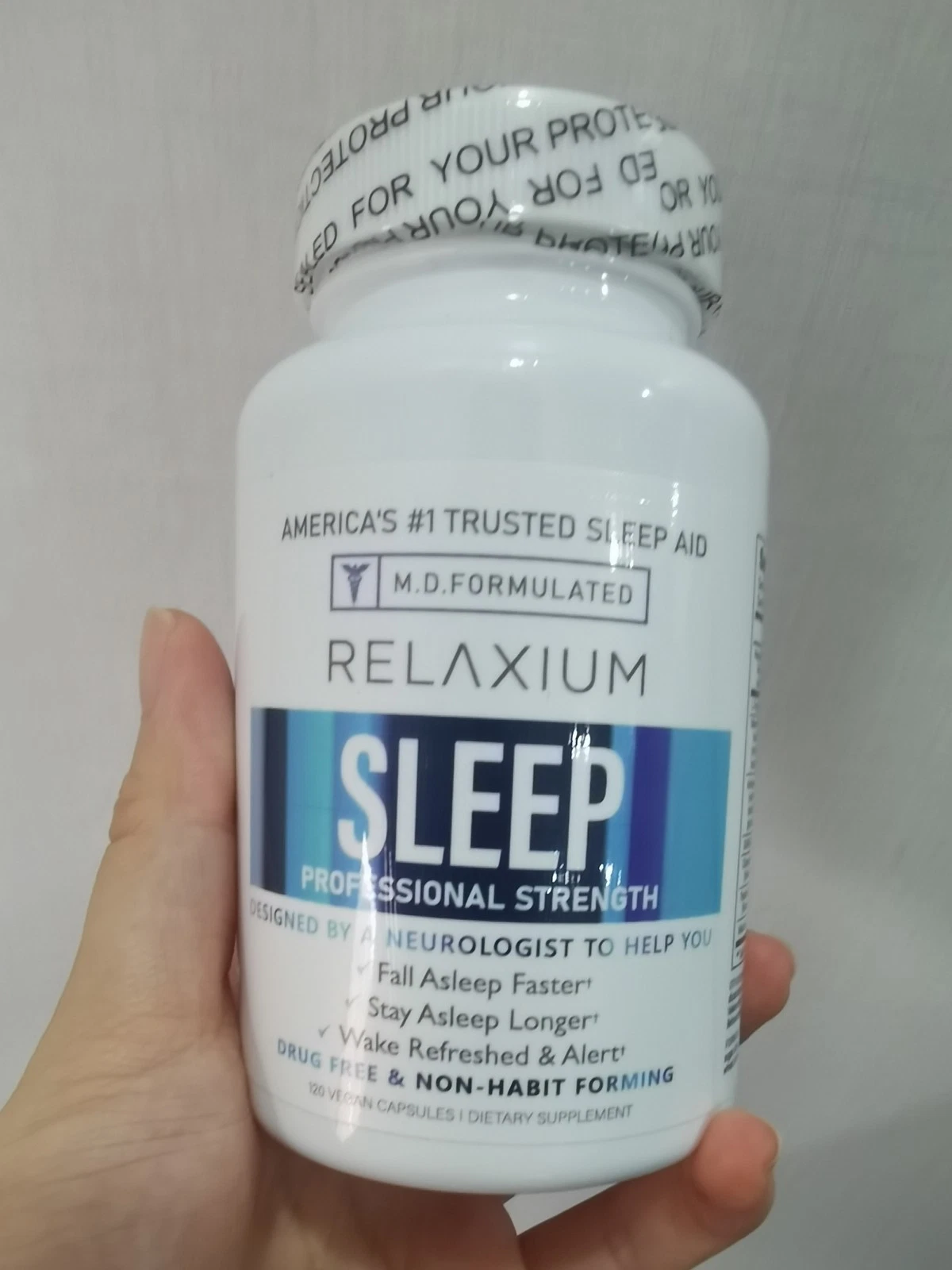
What Is Relaxium Sleep?
Relaxium Sleep is a dietary supplement marketed as a natural sleep aid designed to improve sleep quality without the use of prescription drugs. According to the brand, it’s formulated by a neurologist and intended for people who struggle with falling asleep, staying asleep, or waking up feeling unrested. The product positions itself as non-habit-forming and suitable for long-term use, which is a major selling point for people who want an alternative to traditional sleep medications.
The supplement comes in capsule form and is taken shortly before bedtime. The formula focuses on ingredients that are commonly associated with relaxation, stress reduction, and sleep regulation. Rather than relying on a single active compound, Relaxium Sleep claims to work by addressing multiple underlying causes of poor sleep—such as anxiety, an overactive nervous system, and irregular melatonin production.
On paper, the concept makes sense. Many sleep problems aren’t caused by just one issue, and combining ingredients that support both mental calmness and physical relaxation seems logical. The brand emphasizes that its approach is holistic, aiming to support the body’s natural sleep-wake cycle rather than overriding it.
However, as I learned through personal experience, what a supplement claims to do and how it actually performs in real life can be very different things.
How Does Relaxium Sleep Work?
According to the manufacturer, Relaxium Sleep works by helping the body transition naturally into a restful sleep state. The idea is that stress, anxiety, and modern lifestyles disrupt our circadian rhythm, making it harder for the brain to signal when it’s time to sleep. Relaxium Sleep is supposed to correct that imbalance by calming the nervous system and supporting melatonin production.
The formula is designed to act on several levels at once. First, it aims to quiet the mind—reducing racing thoughts and nighttime anxiety that keep you awake. Second, it’s meant to relax the body by easing muscle tension and nervous system overactivity. Finally, it attempts to regulate the sleep-wake cycle so you fall asleep faster and stay asleep longer.
Melatonin plays a central role in this process, as it signals the brain that it’s time to sleep. Other ingredients are included to enhance melatonin’s effects or support relaxation through different biochemical pathways. In theory, this multi-angle approach should lead to deeper, more consistent sleep.
In my experience, though, the effects were uneven. While I often felt drowsy after taking Relaxium Sleep, that drowsiness didn’t always translate into high-quality sleep. There’s a difference between feeling sedated and actually getting restorative rest—and that distinction became very clear to me over time.
Ingredients in Relaxium Sleep
Before taking any supplement long-term, I always pay close attention to the ingredient list. Safety, interactions, and dosage matter, especially with sleep aids, which directly affect the brain and nervous system. While Relaxium Sleep uses ingredients that are generally considered natural, “natural” doesn’t always mean risk-free. Some ingredients can cause side effects, interact with medications, or affect people differently depending on sensitivity.
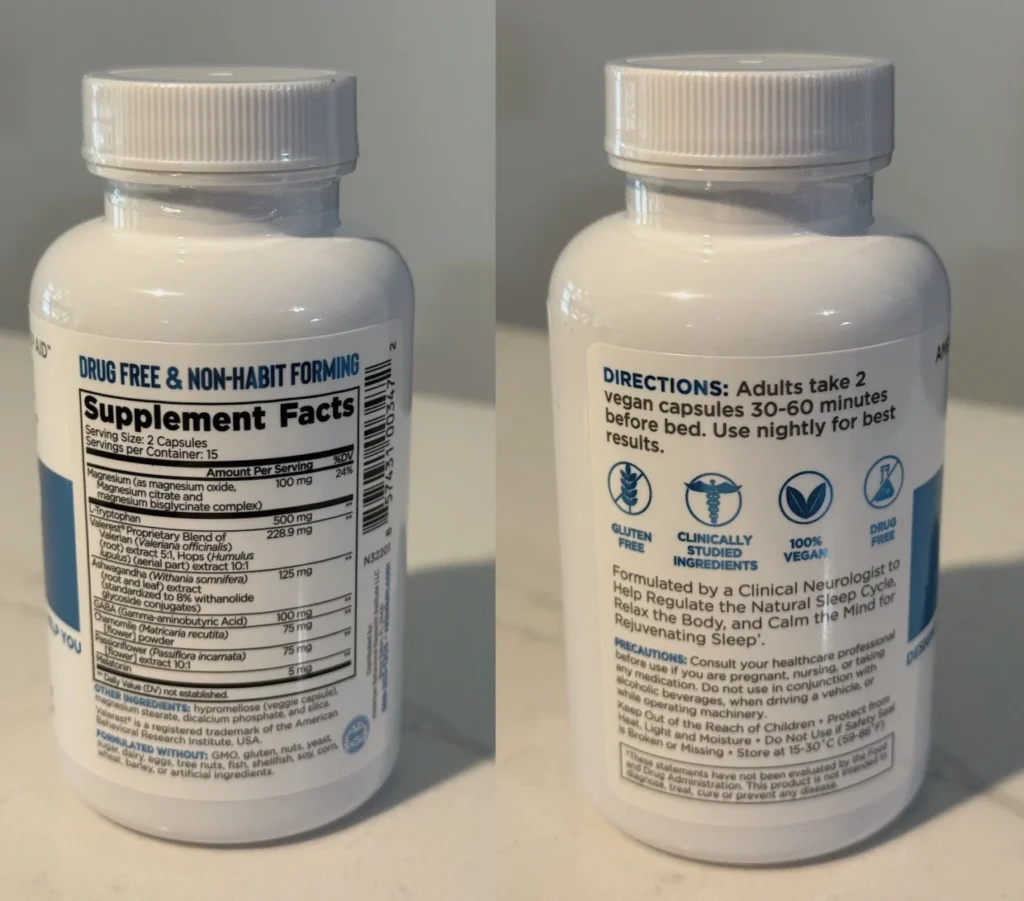
Here’s a closer look at the main ingredients in Relaxium Sleep and how they’re intended to work:
🍃 Passion Flower
Passion flower is commonly used for its calming and anti-anxiety properties. It’s believed to increase levels of GABA in the brain, which helps slow down nervous system activity. In theory, this makes it easier to relax and fall asleep. For me, it contributed to an initial sense of calm, but the effect felt mild and inconsistent.
🍃 5-HTP
5-HTP is a precursor to serotonin, a neurotransmitter involved in mood regulation and sleep. Serotonin is also used by the body to produce melatonin. While 5-HTP can support sleep indirectly, it can also cause side effects like nausea or vivid dreams. I personally noticed more intense dreams while using Relaxium Sleep, which sometimes disrupted my sleep rather than improving it.
🍃 Chamomile
Chamomile is one of the most well-known natural sleep aids. It’s traditionally used to promote relaxation and reduce mild anxiety. While chamomile is gentle and generally safe, its effects tend to be subtle. In my experience, it didn’t make a noticeable difference on its own.
🍃 Hops
Hops are often used in sleep formulas for their sedative properties. They’re thought to work synergistically with other calming herbs. While hops may help induce drowsiness, they can also contribute to grogginess the next day for some people. I occasionally felt sluggish in the mornings, which I suspect may have been related.
🍃 Melatonin
Melatonin is the cornerstone of many sleep supplements. It helps regulate the sleep-wake cycle and signals when it’s time to sleep. While melatonin can be effective short-term, long-term use can sometimes interfere with the body’s natural production. Over time, I felt that its effectiveness diminished, and I became concerned about relying on it nightly.
🍃 Ashwagandha
Ashwagandha is an adaptogen used to help the body manage stress. It’s supposed to lower cortisol levels and promote relaxation. While it may help with stress during the day, its impact on sleep felt indirect at best in my case.
🍃 GABA
GABA is a neurotransmitter that inhibits brain activity, promoting calmness and relaxation. While oral GABA supplements are popular, there’s debate about how effectively they cross the blood-brain barrier. I didn’t feel a strong or reliable calming effect from this ingredient.
Why Did I Buy Relaxium Sleep?
I bought Relaxium Sleep because I was tired—physically, mentally, and emotionally. Sleep deprivation had become part of my identity, and I was desperate for a solution that didn’t involve prescription medication. The promise of a neurologist-formulated, non-habit-forming supplement sounded reassuring.
I was also drawn to the idea of addressing multiple causes of poor sleep at once. Stress, anxiety, and irregular sleep patterns were all issues I struggled with, and Relaxium Sleep claimed to target all of them. The marketing made it seem like a comprehensive solution rather than a temporary fix.
Another reason I decided to try it was the sheer number of positive testimonials I encountered. While I always take reviews with a grain of salt, the consistency of the claims made me curious. I wanted to see if my experience would match what others described—or if it would be another disappointment.
Ultimately, I bought Relaxium Sleep because I wanted my nights back. I wanted to wake up feeling rested, clear-headed, and ready for the day. Unfortunately, the reality didn’t fully align with those expectations.
My Experience After 3 Months Using Relaxium Sleep
This was the most important part of my journey with Relaxium Sleep, and it’s where my feelings became increasingly conflicted. I committed to using it consistently for three months to give it a fair chance. Here’s exactly what I noticed over that time:
- Initial drowsiness within 30–45 minutes
Almost every night, I felt noticeably sleepy shortly after taking the capsules. This gave me early hope that it was working. - Falling asleep slightly faster at first
During the first two weeks, I did fall asleep a bit faster than usual. However, this effect didn’t last consistently. - Difficulty staying asleep
Despite feeling drowsy, I continued waking up during the night—sometimes multiple times. The promised “stay asleep” benefit never truly materialized. - Vivid and sometimes unsettling dreams
My dreams became more intense and emotionally charged. On several nights, I woke up feeling mentally exhausted from dreaming. - Morning grogginess
I often felt sluggish and foggy in the mornings, especially when I increased the dose slightly to see if it helped. - Inconsistent results night to night
Some nights were better, others were worse. There was no reliable pattern or steady improvement. - Reduced effectiveness over time
By the second month, the initial benefits had noticeably faded. I didn’t feel the same level of drowsiness as before. - Mild digestive discomfort
Occasionally, I experienced nausea or stomach discomfort after taking the capsules. - Increased reliance on the supplement
Psychologically, I started feeling like I couldn’t sleep without it—even though it wasn’t working particularly well. - No improvement in daytime energy
Despite using it nightly, I didn’t feel more refreshed or energized during the day. - Sleep felt lighter, not deeper
I slept, but the sleep didn’t feel restorative. I still woke up tired.
By the end of three months, I realized that while Relaxium Sleep did something, it wasn’t delivering what I truly needed.
Online Reviews Of Relaxium Sleep
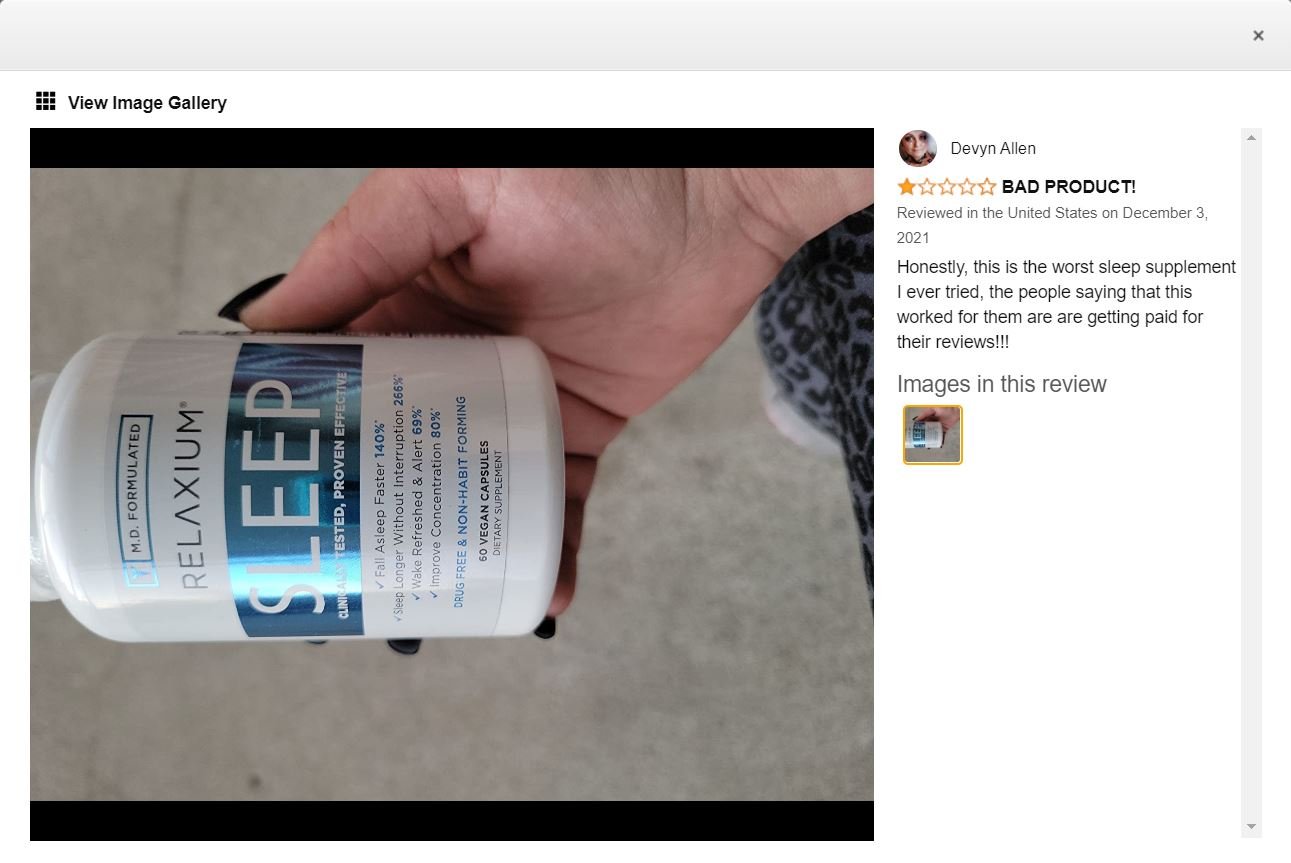
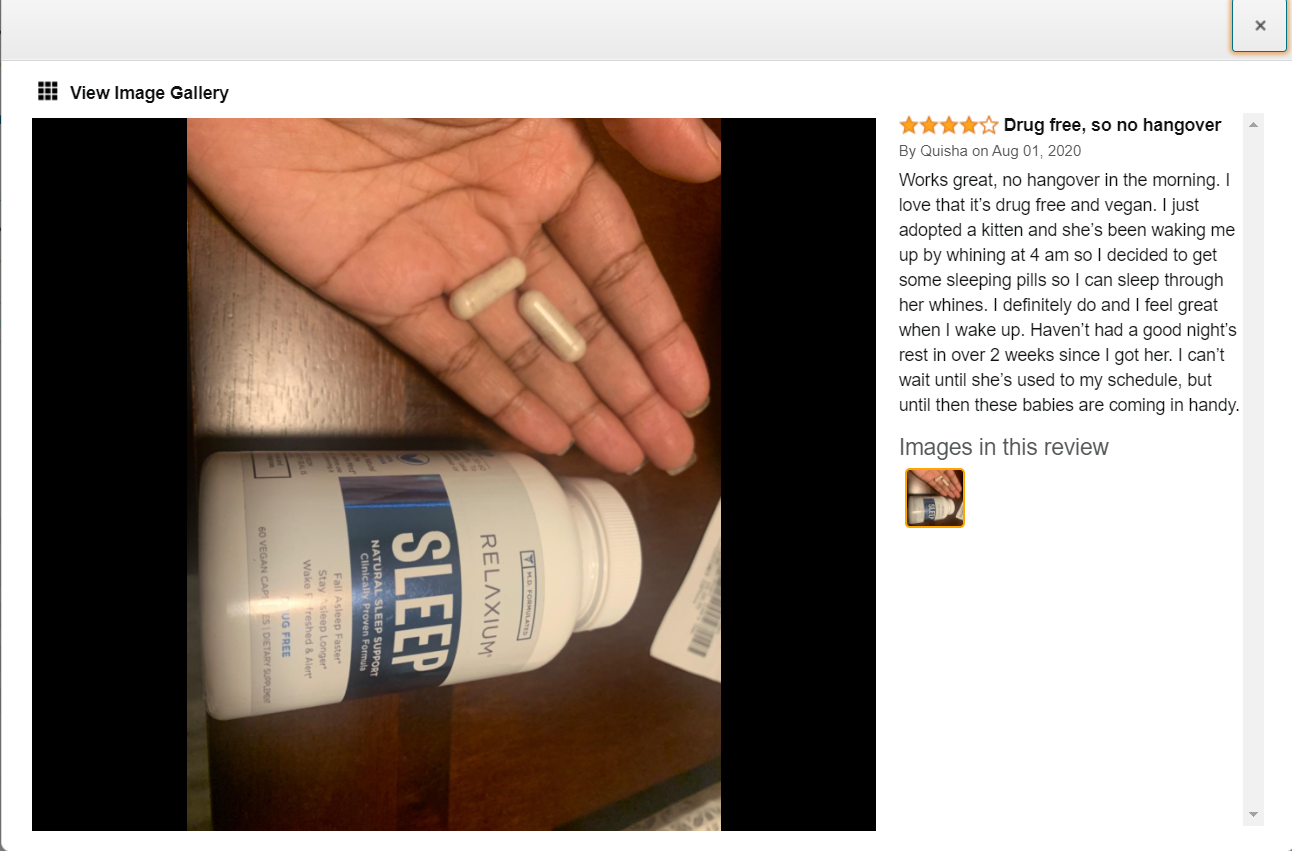
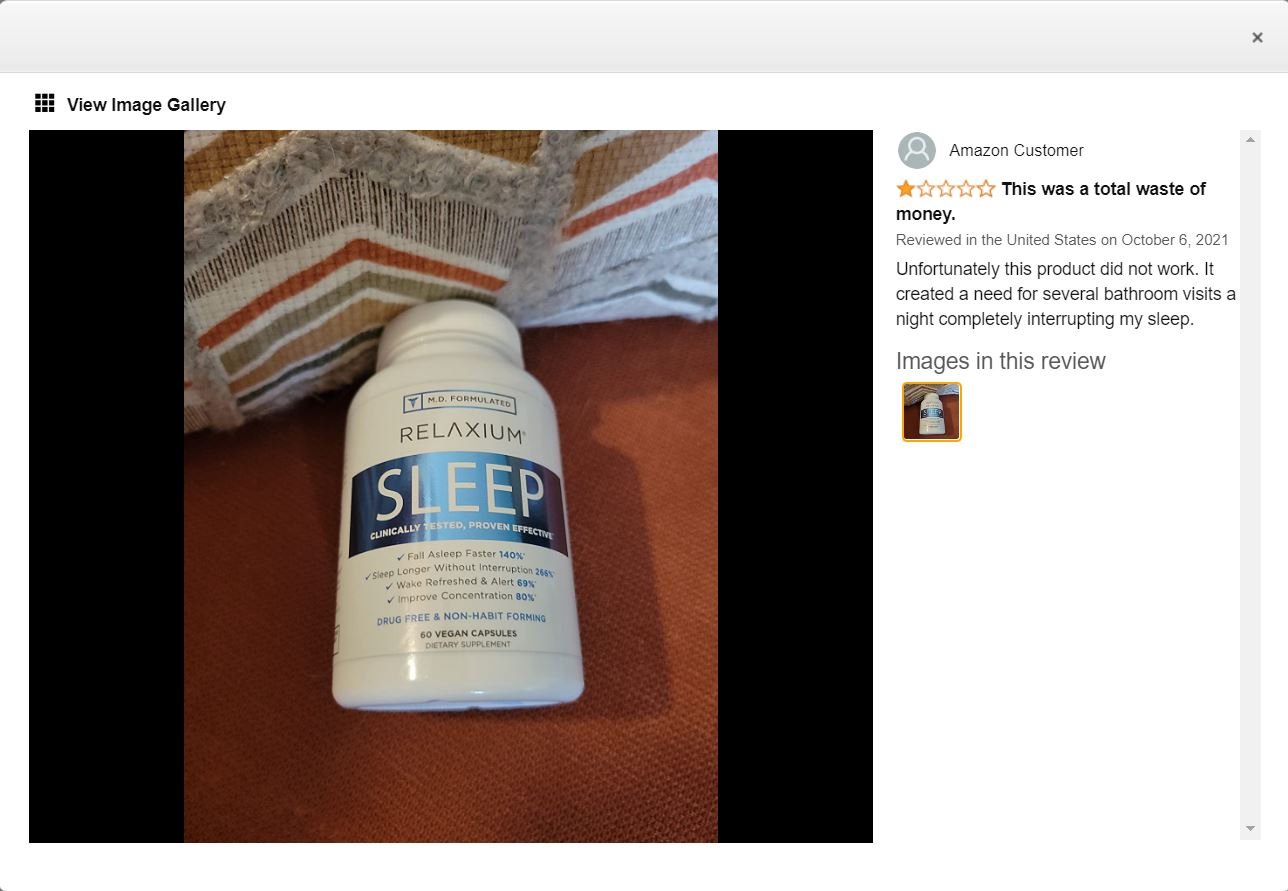
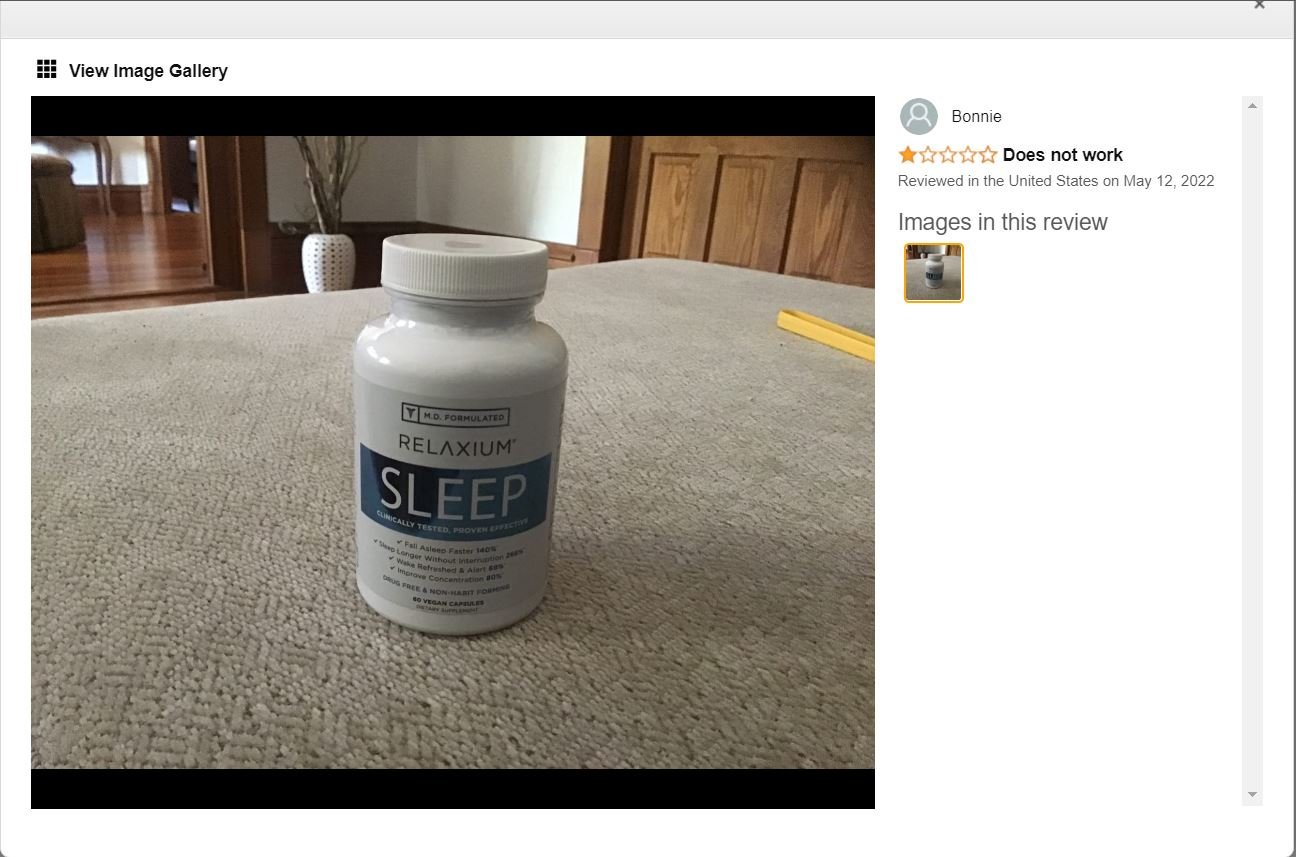
Pros and Cons of Relaxium Sleep
| Pros | Cons |
|---|---|
| Mild calming effect before bedtime | Inconsistent sleep quality and results |
| Non-prescription and easy to take | Causes vivid dreams and morning grogginess |
| Effectiveness diminishes over time | |
| Doesn’t reliably help with staying asleep | |
| Potential digestive discomfort | |
| Creates psychological dependency without strong results | |
| Expensive for the level of benefit provided |
Side Effects That I Got
The side effects I experienced weren’t severe, but they were enough to affect my overall satisfaction. The most noticeable were vivid dreams, morning grogginess, and occasional nausea. I also felt mentally foggy on some mornings, which defeated the purpose of improving sleep.
Is Relaxium Sleep Safe?
From a general standpoint, Relaxium Sleep appears relatively safe for short-term use for healthy adults. The ingredients are commonly used in supplements, and I didn’t experience any dangerous reactions. That said, long-term use—especially due to melatonin and 5-HTP—raises some concerns. I wouldn’t recommend it without consulting a healthcare provider, particularly if you’re sensitive to supplements or take medications.
Is Relaxium Sleep a Scam?
I wouldn’t call Relaxium Sleep a scam. It does contain real ingredients and does have noticeable effects. However, I do believe the marketing oversells the results. For me, it didn’t live up to the promises of deep, consistent, restorative sleep.
Conclusion: Should You Buy Relaxium Sleep?
After three months of consistent use, I can honestly say that Relaxium Sleep was a disappointment for me. While it initially gave me hope and provided mild drowsiness, it failed to deliver the deep, uninterrupted sleep I was searching for.
I think Relaxium Sleep may work better for people with very mild sleep issues or occasional stress-related insomnia. If your sleep problems are more persistent or complex, it may fall short.
From my perspective, the cost doesn’t justify the inconsistent benefits. I expected more improvement over time, not less.
Ultimately, while I don’t regret trying it, I wouldn’t personally buy it again or recommend it as a long-term solution for serious sleep problems.
My #1 Recommended Alternative To Relaxium Sleep
After having a rough experience with Relaxium Sleep, I realized I needed a solution that worked with my body instead of overpowering it. That search eventually led me to Yu Sleep, and honestly, the improvement was immediate and undeniable.
Here’s why Yu Sleep clearly outperforms Relaxium Sleep in every way that actually matters:
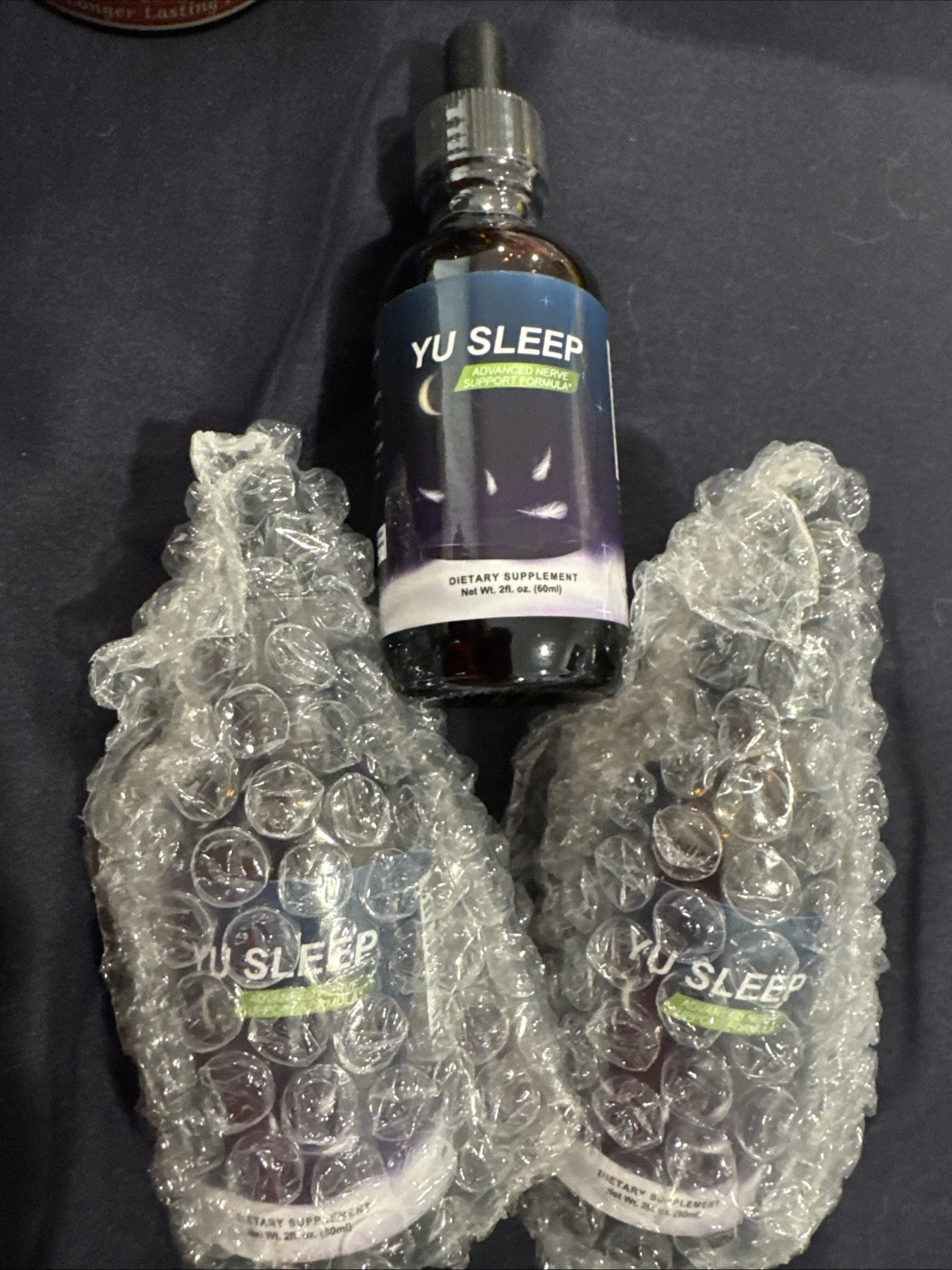
1. Supporting Natural Sleep Cycles Instead of Forcing Sedation
Relaxium Sleep depends heavily on high amounts of melatonin along with synthetic calming agents. While this approach may trigger sleepiness, it often interferes with your body’s internal clock and can leave you feeling sluggish, unfocused, or foggy the next day.
Yu Sleep takes a completely different route. It’s formulated with plant-based, naturally sourced ingredients and uses advanced nano-delivery technology to work with your brain’s natural sleep-drive mechanism, the system responsible for signaling when it’s time to rest.
Rather than chemically knocking you out, Yu Sleep gently encourages relaxation, helping you fall asleep naturally and remain asleep comfortably, without that heavy, drug-like aftereffect or morning grogginess.
2. Consistent, Deep Sleep Without Middle-of-the-Night Disruptions
One of my biggest disappointments with Relaxium was how often I woke up in the middle of the night. Even when it helped me fall asleep, staying asleep was a constant struggle.
Yu Sleep changed that quickly. Within just a few nights, I noticed longer, more stable sleep cycles. The formula supports uninterrupted rest, helping prevent those frustrating early-morning awakenings. I now sleep soundly through the night and wake up feeling alert, refreshed, and mentally clear.
3. Noticeable Results Fast, With Improvements Over Time
With Relaxium, I waited weeks hoping for consistent benefits, only to experience mixed and unreliable results.
Yu Sleep works much faster. Taking two droppers about 30 minutes before bedtime led to noticeable improvements within days. The real difference showed over time, by week six, falling asleep felt effortless, and my sleep quality continued to deepen. Morning energy, focus, and overall clarity steadily improved instead of fading.
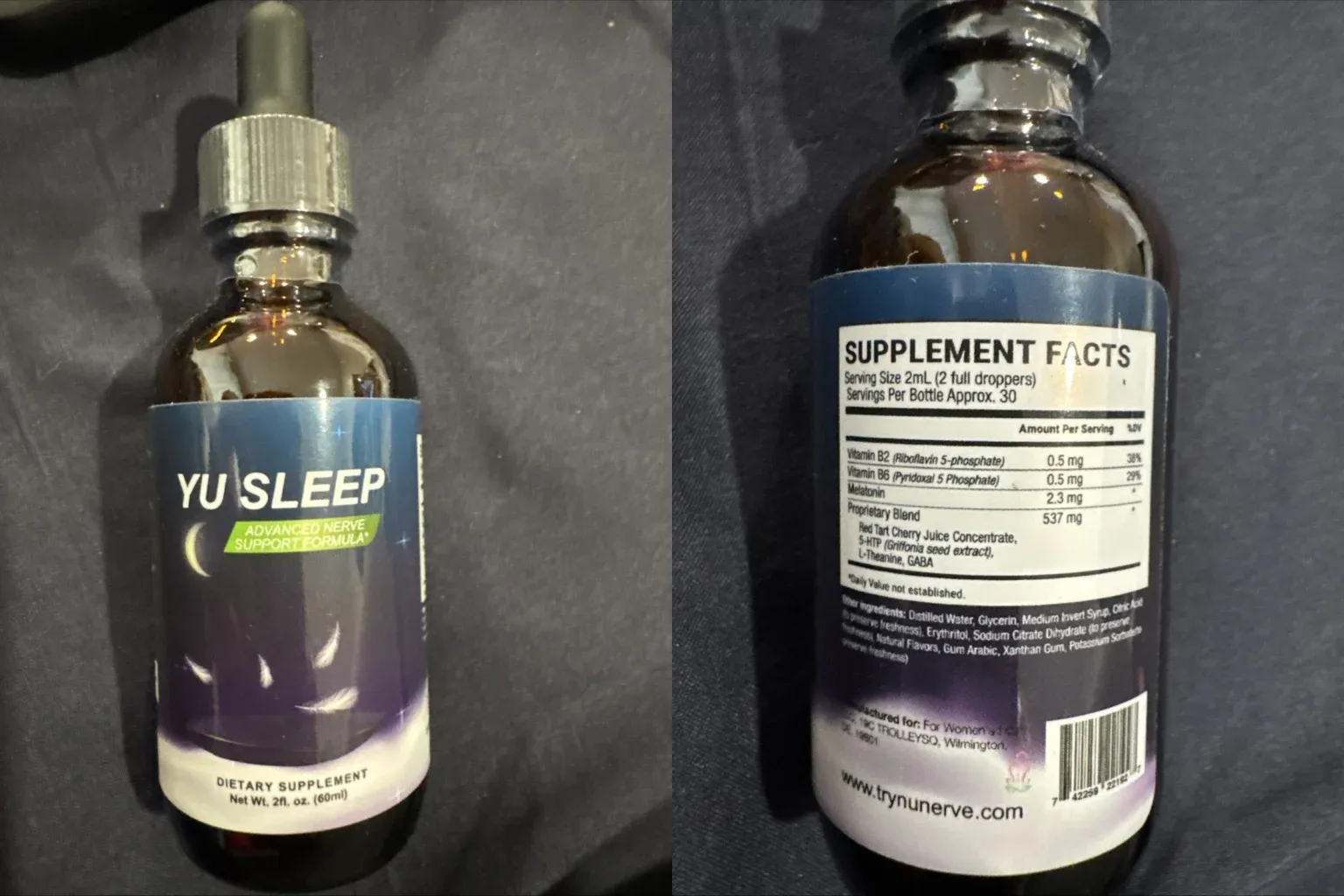
4. Benefits That Extend Beyond Sleep Alone
Relaxium’s formula is largely focused on sedation, offering little support for mental balance or emotional well-being.
Yu Sleep delivers broader, long-term benefits. It helps calm racing thoughts, supports neurotransmitter balance, and promotes better mood stability and daytime focus. Over time, I noticed reduced stress-related cravings, improved mental resilience, and more consistent morning energy. It didn’t just help me sleep, it helped me feel restored.
5. Clean, Gentle, and Pleasant to Use
Relaxium’s capsules often contain unnecessary fillers and can feel harsh on digestion for some users.
Yu Sleep comes as a smooth, pleasant-tasting liquid that’s easy on the stomach and quickly absorbed. Thanks to its nano-enhanced delivery system, the ingredients get to work faster and more efficiently—without artificial flavors, unpleasant aftertastes, or unwanted side effects.
The Bottom Line
If you’re exhausted from depending on synthetic sleep aids that leave you feeling dull and unrefreshed, it may be time to choose a solution that aligns with your body’s natural rhythms.
Yu Sleep has helped thousands of people, including me, experience calm nights, uninterrupted rest, and truly restorative sleep. It’s more than just another supplement; it’s a science-backed approach to optimizing sleep naturally, supported by modern neuroscience and real-world results.

👉 Visit the Official Yu Sleep Website to learn more and experience the difference firsthand.
Sleep deeper, wake up clearer, and start feeling like yourself again—with Yu Sleep.
Conclusion
After using Relaxium Sleep consistently for three months, I can confidently say it failed to meet expectations. While it initially caused drowsiness, the long-term experience was underwhelming. My sleep never felt truly deep or restorative, and I frequently woke up feeling mentally drained and unfocused.
What concerned me most was the sense of dependency that developed over time. Instead of supporting my natural sleep rhythm, it felt like my body began relying on it just to fall asleep, which is the opposite of what a quality supplement should do. Combined with its premium price and questionable marketing claims, it became hard to justify continued use.
Ultimately, I learned that sustainable sleep improvement doesn’t come from heavily sedating formulas. Healthy sleep habits, like managing stress, maintaining a consistent routine, and creating a calming bedtime environment, are far more effective than relying on a product like Relaxium Sleep. For me, it turned out to be more disappointment than solution.
Disclaimer: This review is based on my personal experience and is for informational purposes only. It is not intended as medical advice. Always consult a qualified healthcare professional before starting any dietary supplement.
 Anna Caldwell