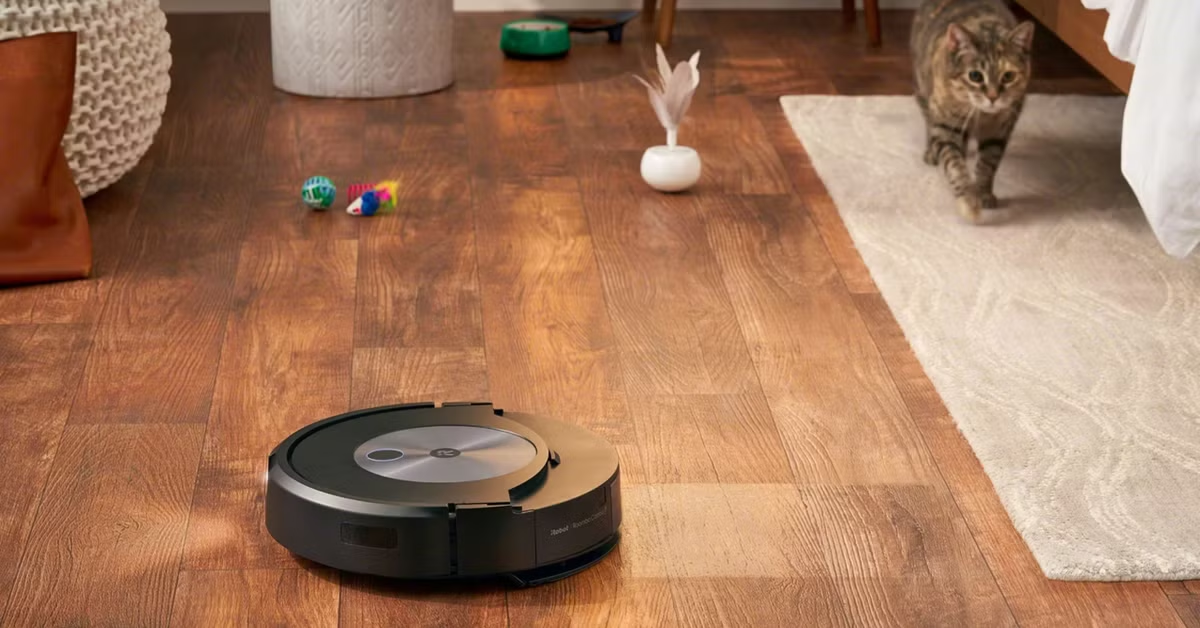
I didn’t buy my first robot vacuum because I’m lazy, I bought it because I was sick of the constant floor maintenance. The kind where you vacuum on Monday, and by Wednesday the corners are dusty again, the entryway has grit, and there’s always that one trail of crumbs that magically appears after dinner.
After trying a few different setups (cheap bots, “vacuum-only” bots, and the newer vacuum+mop combos), I learned something important: the best robot vacuum isn’t the most expensive one, it’s the one that matches your home, your floors, and your tolerance for maintenance.
This is my detailed, first-hand review of what I discovered over three months using the top robotic vacuum cleaner — the results, pros, cons, and everything in between.
What actually matters when buying a robot vacuum (and what I ignore)
1) Your floor type decides everything
Before I even look at brands, I ask myself:
- Is my home mostly hard floors (tile/wood/vinyl)?
- Do I have rugs or wall-to-wall carpet?
- Do I need mopping, or is vacuuming enough?
If you have mostly hard floors, a combo robot that vacuums and mops is a huge upgrade. If your home is mostly carpet, you’ll care more about deep carpet pickup, brush design, and strong suction.
2) The dock is more important than the robot
This surprised me the most. The robot itself might be good—but if the dock doesn’t reduce your work, you’ll stop using it.
A great dock can:
- Auto-empty dust into a bag (hands-off for weeks)
- Wash mop pads and dry them (less smell, less mildew)
- Refill water for the robot
- Sometimes auto-add detergent depending on model (varies by brand/model)
Once I had a dock that handled most of the “after cleaning” work, I started running my robot daily without thinking.
3) Navigation + obstacle avoidance = whether you’ll love it or hate it
In real life, the floor isn’t a perfect showroom. There are:
- cables
- socks
- kids toys
- pet bowls
- random clutter
A robot that gets stuck or eats cords will turn into a weekly headache. That’s why I prioritize models known for strong mapping and obstacle handling.
4) Hair tangles: the silent deal-breaker
If you have pets (or long hair in the house), brush design matters a lot. Some robots do great pickup but require frequent brush cleanup. Others handle hair better with anti-tangle designs.
5) “Suction numbers” don’t tell the full story
Brands love quoting huge Pa numbers. In my experience, the brush system, airflow design, and mapping strategy matter just as much. I use suction as a rough signal, not the final decision.
My personal shopping checklist (quick and practical)
When I’m scanning Amazon listings, I look for:
- Self-empty base (minimum requirement for me now)
- If I want mopping: mop washing + mop drying
- Auto-lift mops (so it doesn’t soak rugs)
- Solid navigation: LiDAR-based mapping is usually reliable
- App features: room cleaning, no-go zones, multi-floor maps
- Replacement parts availability (bags, pads, brushes)
My Top 3 Robot Vacuum Cleaners On Amazon (The Ones I’d Actually Recommend)
Top #1 – Roborock Q7 M5+
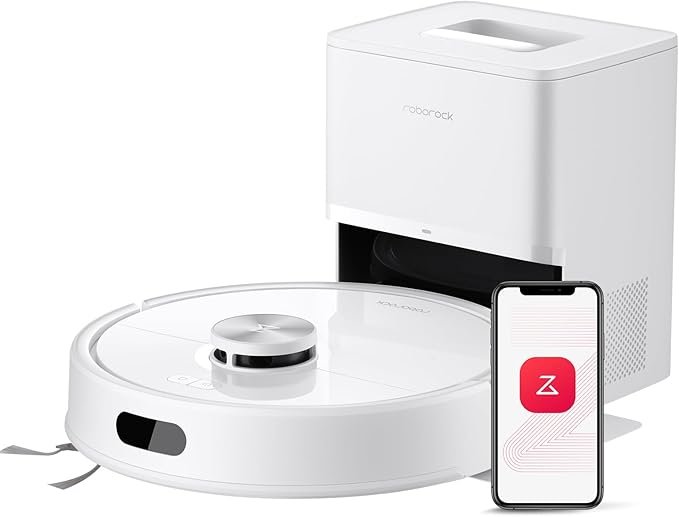
This bot is a top-notch cleaner and a great navigator that avoids (most) obstacles while keeping on top of scattered debris. It comes with a charging dock that sucks debris from its dustbin after it cleans.

Top #2 – Tapo RV30 Max Plus
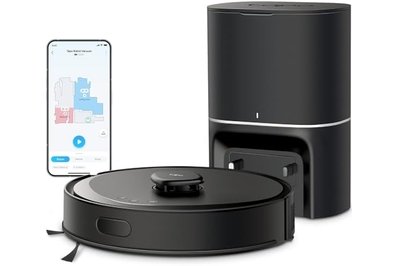
This affordable robot vacuum has strong cleaning power, and it comes with a charging dock that empties its dustbin after cleaning. But its performance isn’t quite as polished as that of our top pick.

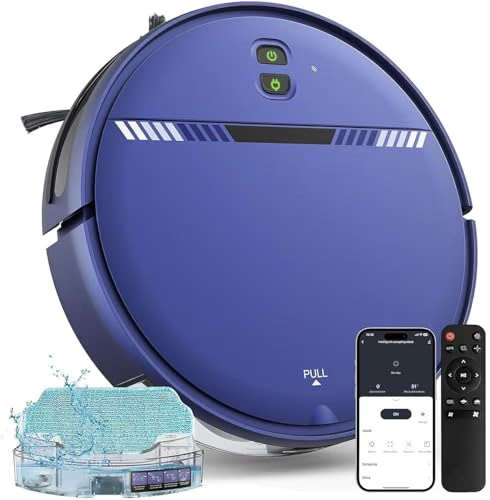
This robot vacuum with 1400Pa powerful suction power can not only quickly suck away dust and other debris, but is also equipped with a wet mopping function and a 230ml electronically controlled water tank to ensure uniform water penetration and is suitable for a variety of hard floors.
FAQs (Frequently Asked Questions)
1. Are robot vacuums actually worth buying?
For most households, yes. They keep floors consistently clean with minimal effort—great for busy schedules, pets, and multi-room homes. They won’t replace deep cleaning entirely, but they drastically reduce how often you need to vacuum.
2. Which floor types do robot vacuums work best on?
Most models handle hardwood, tile, vinyl, and low-pile carpets. Premium units boost suction automatically on carpet, which is worth paying for if your home has a lot of rugs or mixed flooring.
3. What features matter most when comparing models?
Top buying factors include:
✔ Navigation (random vs mapping)
✔ Suction power
✔ Battery life
✔ Dustbin size or auto-empty dock
✔ Pet hair performance
✔ Wi-Fi + app control
These determine whether you should go budget or upgrade.
4. Do robot vacuums work for pet hair?
Yes—especially models with rubber rollers, strong suction, and HEPA filters. If shedding is heavy, auto-empty docks are extremely convenient and reduce allergens.
5. Can a robot vacuum clean multiple rooms or floors?
Most mid-range and premium units offer smart mapping for multiple rooms. Multi-floor mapping exists too, but you’ll still move the vacuum between levels manually.
6. How much should I expect to spend?
Price tiers break down like this:
• Budget ($100–$250): basic cleaning for small spaces
• Mid-Range ($250–$600): mapping + stronger suction
• Premium ($600–$1,200+): auto-empty docks + mopping + multi-floor maps
Stepping up one tier often improves performance noticeably.
7. Can robot vacuums mop too?
Hybrid models vacuum and mop in one pass. They’re ideal for hard floors, though not a replacement for manual mopping. Premium 2-in-1 units handle light spills and everyday grime well.
8. Do robot vacuums need Wi-Fi?
Not required, but highly convenient. Wi-Fi enables scheduling, zone cleaning, voice commands, and remote control. Travelers and busy parents especially benefit from these features.
9. How long does a robot vacuum last?
Typically 3–5 years, depending on build quality and maintenance. Premium brands offer longer lifespan and easier part replacements (filters, brushes, battery).