

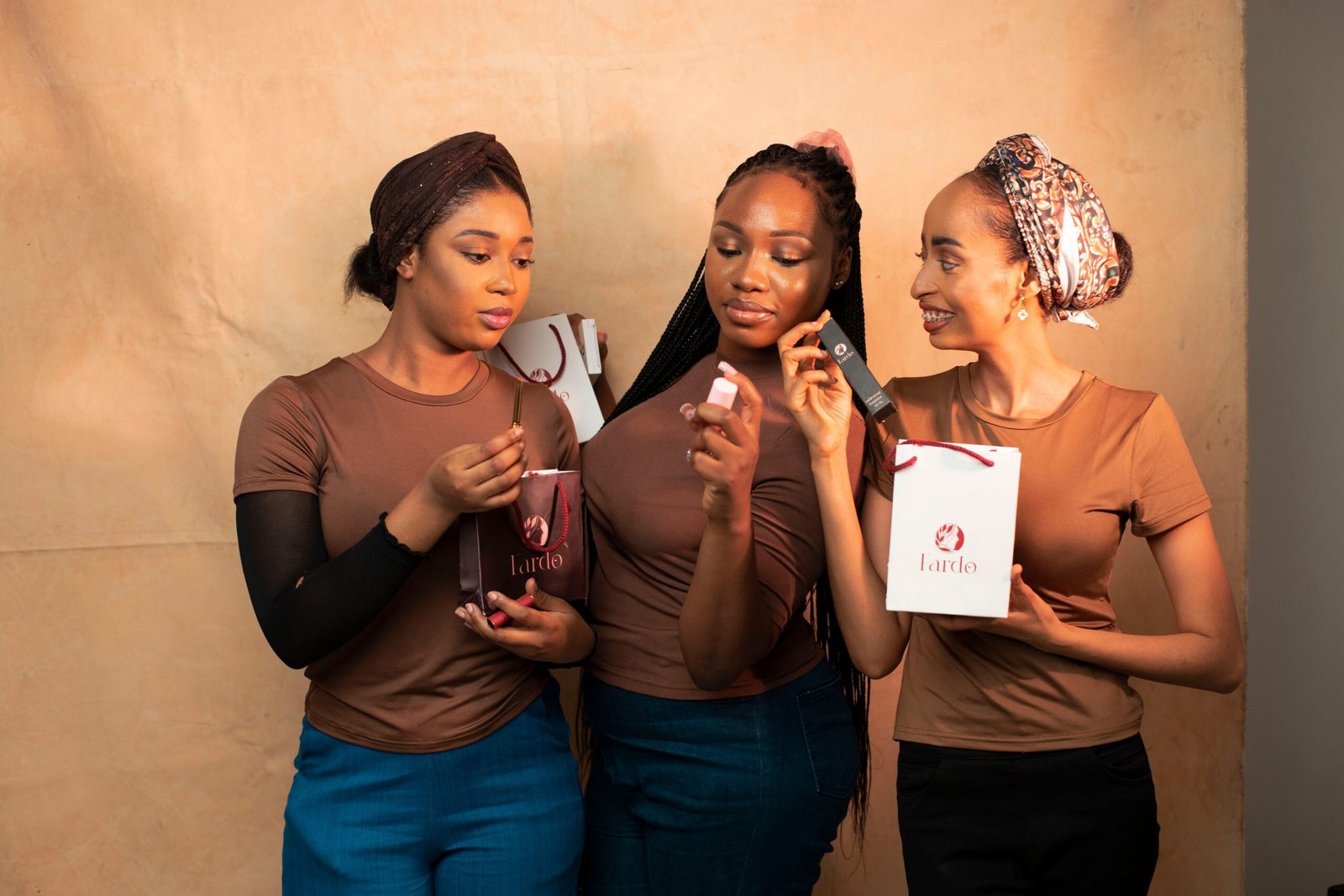
A foundation can look perfect under a store’s lighting and turn noticeably orange by the time you step outside. A moisturizer can feel lovely on your hand and still be too rich for your face. And a sunscreen can earn thousands of glowing reviews without being the one you’ll actually wear every morning. When I think about how to choose the best beauty products for women, I start with those ordinary moments. They tell me far more about whether a product belongs in a routine than a flattering swatch, an impressive ingredient list, or a bestseller badge.
My approach is to start with the job I want a product to do. A gentle cleanser should take off what I wore that day without making my skin feel tight. A moisturizer has to be comfortable enough to use regularly. Sunscreen needs to offer suitable protection in a formula I can apply generously. Makeup is a more personal decision, but I still want to know what I’m buying it for. A foundation that holds up in humid weather isn’t necessarily the one I’d pick for dry cheeks and a natural finish.
I’ll walk through how I make those decisions, from reading a skincare label to checking a foundation shade in daylight. I’ll also explain where I’d save money, when I’d consider a targeted ingredient, and what three widely available Amazon products can realistically add to a routine. The goal isn’t to build a bigger beauty collection. It’s to choose products that work well enough in your everyday life that you don’t have to keep replacing them.
Start With the Problem You Want the Product to Solve
Before comparing products, I’d describe what happens on a representative day. Maybe your forehead gets shiny by lunchtime, but your cheeks feel tight after washing. Maybe your skin feels fine until you put on foundation, and then the area around your mouth looks flaky. Those observations are more useful than a broad label like “combination skin” because they point to different purchases. The first person may need two different textures on different parts of the face. The second may need to reconsider the base makeup, the skincare underneath it, or both.
I also separate skin type from skin concern. Dry or oily skin describes a tendency. Dark marks, breakouts, and uneven texture are concerns you may want to address. Sensitivity can overlap with any skin type, and a person with oily skin can still find a harsh cleanser drying. I wouldn’t assume an oily forehead needs more scrubbing, any more than I’d assume dry cheeks need an exfoliant just because makeup clings to a rough patch. When a product creates tightness or stinging, I’d look at what changed in the routine before buying another product to fix the result.
The word “women” is useful for finding a guide like this, but it won’t tell you what’s inside the jar or whether the shade will suit you. Someone with oily skin and an outdoor commute may want a light, water-resistant sunscreen and a base that still looks good when a little shine comes through. Someone whose face feels dry most afternoons may prefer a creamier moisturizer and targeted concealer instead of foundation across the whole face. I’d shop by comfort, skin tone, finish, and the conditions you’ll wear the product in, not by who appears in the advertising.
I find it helpful to put the next purchase into one sentence before browsing. “I need a sunscreen I can apply generously without an obvious white cast” is a workable brief. So is “I want a base that evens out my cheeks without gathering around my nose.” If I can’t explain what a new purchase would improve, I’d keep using what already works. That also leaves room for beauty to be fun. A lipstick can earn its place simply because you love the color, without needing to promise better skin underneath.
Match the Formula to How Your Skin Behaves
Texture is one of the first things I look at because it has a direct effect on whether I’ll want to use a product again. A gel may feel good in humid weather but leave dry areas wanting more. A rich cream can be comfortable in the evening and feel like too much beneath a full face of makeup. And a matte base can be a welcome alternative to midday shine without being the right choice for skin that already looks dry. I use the comparison below as a starting point, not a set of rules about what each person is allowed to buy.
| What you notice | Skincare I’d compare first | Makeup finish I’d consider | What I’d check before buying |
|---|---|---|---|
| Dryness, tightness, or visible flakes | A mild cleanser and a moisturizer with enough richness to keep the skin comfortable after washing. | A satin or natural-finish base, or concealer only where you want coverage. | See whether the base clings around the nose or mouth. If it does, try a thinner layer or a different finish before adding more powder. |
| Oil and shine through the day | A gentle cleanser, a lighter moisturizer if needed, and a sunscreen you won’t be tempted to apply too sparingly. | A natural-matte base or a lighter base with powder only where shine bothers you. | Check whether it still looks even by afternoon. A finish that starts matte but breaks up visibly may be less useful than one that softens gradually. |
| Shiny forehead or nose with drier cheeks | A comfortable basic routine, with a little extra moisturizer only on the dry areas if needed. | A flexible base with selective powder through the center of the face. | Compare the cheeks and forehead separately. The product doesn’t have to create the same finish everywhere. |
| Skin that often stings or reacts to products | A simple routine, with fragrance-free options as a starting point if fragrance is a concern, and one new formula at a time. | A base you can test carefully and remove without repeated rubbing. | Read the full ingredient list if you know your triggers. “For sensitive skin” and “hypoallergenic” aren’t promises that you won’t react. |
| Dark marks or uneven-looking tone | A broad-spectrum sunscreen you’ll use consistently, plus targeted skincare only when there’s a clear reason to add it. | Buildable concealer or foundation that matches both depth and undertone. | Look for a gray cast, an orange edge, or a visible line at the jaw. A higher-coverage formula won’t correct the wrong shade. |
I’d pay particular attention to where the problem appears. If makeup separates around the nose but the cheeks look fine, I might use less product around the nose before shopping for a different foundation. If tightness shows up as soon as I rinse, I’d evaluate the cleanser rather than expecting a more expensive moisturizer to cancel it out. A small adjustment to one step is often easier to evaluate than replacing the whole routine. It also makes it easier to tell which product deserves a permanent spot.
Buy the Skincare Basics Before Chasing Active Ingredients
A cleanser should leave your face comfortable
For an everyday face wash, I care about two things: whether it removes what needs removing and how the skin feels once it’s rinsed away. A strong scent, an impressive lather, or a scrubby texture doesn’t tell me that a cleanser works better. If my face repeatedly feels tight after using one, I’d compare it with a gentler option. I’d also distinguish sunscreen and light makeup from waterproof mascara or long-wear products. If a mascara is designed to resist water, a suitable eye makeup remover may be more useful than rubbing harder with a face wash.
This is one area where I wouldn’t pay extra just for the promise of a long list of skincare benefits. A cleanser is a rinse-off product, and I expect it to perform a straightforward job. If it does that well, there’s no need to replace it because a new one features a trending ingredient. On the other hand, a supposedly gentle product isn’t a good deal if you dislike the residue it leaves or have to wash twice to feel comfortable. I’d judge the formula after using it the way I actually intend to, not after one wash on the back of my hand.
Choose a moisturizer by how it feels an hour later
A moisturizer can feel good in the first minute and still be a poor fit at the end of an ordinary morning. I’d check whether my skin still feels comfortable later, whether the formula works under sunscreen, and whether it leaves more shine than I want. A light lotion can be practical if I’m layering products. A richer cream may make more sense if the same parts of my face keep feeling dry. Applying moisturizer to slightly damp skin after cleansing is one way to help hold on to moisture, but there’s no requirement to use the same texture everywhere or in every season.
Ingredient names help when they tell me what role the product is likely to play. Glycerin and hyaluronic acid are humectants, ingredients used to help hold water. Petrolatum helps limit moisture loss. But I wouldn’t buy a moisturizer based on one name in large print. A product can contain a familiar ingredient and still be too heavy, too light, or incompatible with the sunscreen you already like. If it rolls into little flakes once you layer the products, try them separately before deciding which one to replace. Sometimes the issue is the combination or the amount of an optional layer, not that either product is poor on its own.
Pick sunscreen you’ll apply generously
For everyday face protection, I’d look for broad-spectrum SPF 30 or higher. Broad-spectrum protection covers both UVA and UVB. If I expect to swim or sweat, I’d choose a water-resistant formula and follow the label for reapplication. When outdoors, reapply about every two hours and after swimming or sweating as directed. A hat, shade, and protective clothing still have a role, particularly when you’re outside for a long time. And while foundation with SPF can add some protection, I wouldn’t rely on it as my main sunscreen. Most people choose how much foundation to apply by coverage, not by the amount needed for the labeled protection.
The cosmetic side of sunscreen matters because it changes how people use it. If a formula leaves a cast that makes you use only a thin dab, or feels so greasy that you skip it under makeup, I’d try a different texture or tint. Check it along the hairline and jaw in daylight and see whether you can comfortably apply enough across exposed skin. I give sunscreen more weight than most products sold for visible signs of aging. In a randomized Australian trial, regular sunscreen use slowed measured skin aging compared with discretionary use over about four and a half years. That’s evidence for a consistent habit, not for any one brand or a promise to reverse existing changes.
Read the Label for Useful Information, Not Reassurance
I give the front of the package one job: tell me what the product is supposed to do. Then I turn it over. The directions, warnings, ingredient list, and instructions for the eye area or sun exposure are the parts I can act on. “Hypoallergenic” isn’t a guarantee against a reaction, and the U.S. FDA doesn’t define the term for cosmetics. “Natural” also tells me nothing definitive about whether a formula will agree with my skin. If I know a specific ingredient causes a reaction, I check for that ingredient rather than trusting a seal, the overall look of the packaging, or a claim that the formula is gentle.
I’d treat “non-comedogenic” as a way to narrow a crowded shelf, not a guarantee that a formula won’t contribute to breakouts for a particular person. Similarly, a label saying “dermatologist tested” doesn’t answer the questions I’d want answered about the test. It doesn’t tell me who participated, how long they used it, or whether they used it alongside the same products I do. I’d put more weight on clear directions and a formula that has a reason to be in my routine. If I’m trying to identify a repeat trigger, I also keep a photo of the ingredient list instead of relying on the product name. Formulas and packaging can change.
When it comes to active ingredients, I’d make a more deliberate choice. If recurring acne is the concern, for example, benzoyl peroxide and topical retinoids are supported in dermatology guidelines, while salicylic acid is another option with a conditional recommendation. Those ingredients don’t all do the same thing, and starting several at once makes irritation harder to trace. I’d choose based on the type of problem and the guidance on the label, not because an exfoliating toner, a serum, and a strong cleanser all happen to be on sale. Painful, persistent, or scarring acne deserves professional advice, and so does choosing treatment if you’re pregnant or trying to conceive.
A similar distinction applies to dark marks. A concealer can cover a mark today, while an appropriate skincare plan has a different job and works on a different timeline. There’s nothing wrong with wanting both, but don’t let a product claim blur them. I’d rather have a base that covers as much as I want, a sunscreen I’ll actually use, and a clear reason for any treatment I add. If a spot is new, changing, or unlike the others, I wouldn’t try to assess it by how well it responds to a cosmetic product.
Choose Makeup in Daylight and Judge It After a Few Hours
Match the foundation to your face and neck
I’d swatch two or three nearby foundation shades along the jaw and check them in natural light. The back of the hand is useful for seeing how a formula spreads, but it’s not always a good match for the face or neck. I look for depth and undertone separately. Depth is how light or deep the shade is. Undertone is the balance of color within it. A foundation can be the right depth and still read too peach, pink, yellow, or gray against the skin. If the face and neck are naturally different shades, choose a match that makes the transition look intentional rather than trying to cover the difference with a thick layer.
I’d give the swatches time to dry before deciding. Some foundations look different once they set, and bathroom or store lighting can disguise a mismatch. If a brand doesn’t make a close shade, I wouldn’t buy one anyway on the assumption that bronzer will fix it. A tinted base with more flexibility, a well-matched concealer used only where needed, or a different brand is often a better purchase. The right shade should be easy to blend at the jaw without leaving a line you have to work around.
Decide how much coverage and finish you actually want
Coverage and finish are different. A sheer tint can look radiant, satin, or fairly matte. A medium-coverage foundation can look natural if the shade is right and you apply it where it’s needed. For a first trial, I’d use a thin layer over the center of the face and add more only in spots where I want it. That makes it easier to see how the foundation behaves around the nose, mouth, and hairline without mistaking a thick application for a bad formula.
I’d check that same application later in the day before buying a backup. Look at whether it transferred more than you’re comfortable with, settled into lines, went patchy over sunscreen, or remained easy to touch up. A product doesn’t have to look untouched for eight hours to be a good buy. If the only issue is a little shine you can manage with a tissue or a small amount of powder, that may be a tradeoff you’re happy with. On the other hand, I’d skip even a beautiful formula if I end up avoiding it because it takes too long to apply.
The same thinking works for the rest of the makeup bag. I’d pick blush by how easily it blends over the base I wear, not just how bright it looks in the pan. I’d choose lipstick with the occasion in mind. A comfortable formula you can reapply quickly may suit an ordinary workday better than one that lasts longer but takes more care to remove. For mascara, I’d weigh whether it smudges against how much effort removal takes. And for any eye makeup, I’d prioritize clean tools, avoid sharing, and replace products used during an eye infection.
Test One New Product at a Time
If I’m testing a new product, I try not to change the cleanser, sunscreen, and makeup all in the same week. That doesn’t mean one disappointing day proves the most recent product was responsible. It means I have a better chance of spotting a pattern if everything else stays familiar. I also judge skincare and makeup on different timelines. I can evaluate a foundation shade and finish in a day. Comfort can take several uses to assess, and a product aimed at a persistent skin concern needs a fair trial with a timeline appropriate to the treatment.
- Start with a small-area test where appropriate. The American Academy of Dermatology suggests applying an ordinary skincare product to a small area, such as the underside of the arm, twice daily for seven to ten days. For rinse-off products, leave them on only as directed. Follow any product-specific warnings, and don’t use this as an invitation to repeatedly test a product you already suspect caused a serious reaction. A home test can flag some problems, but it can’t rule out every reaction or replace medical patch testing.
- Test the product in the routine you already use. Wear foundation over your usual sunscreen and see what it looks like after a normal afternoon. Introduce moisturizer without changing your cleanser. If a new product causes persistent stinging, itching, swelling, or a rash, stop using it rather than assuming the reaction means it’s working. Give the skin a chance to settle and get medical advice if symptoms are significant or don’t go away.
I’d also check how you’ll store and use the product. Keep containers closed, follow any expiry or after-opening guidance, and don’t add water to dried-out mascara to get a few more uses. When shopping online, I’d look for a reputable seller and verify the exact product and shade instead of assuming that all options under one listing are the same. Once it arrives, read the label on the item itself. That’s the one you’ll be using, even if an older product photo shows something slightly different.
How Beauty Products Can Help: Three Amazon Picks for Different Jobs
I chose these three products because each has a purpose you can assess without guessing. One is for washing your face, one combines two morning skincare steps, and one gives makeup wearers an option for reducing the look of shine. I wouldn’t buy all three just to start over. If your current cleanser works and your only frustration is a foundation that never quite matches, put the money toward solving that problem. These are three products to look up by name on Amazon, not a ranking that puts one formula above every other choice for every woman.
- Vanicream Gentle Facial Cleanser — for a simple wash without added fragrance. I’d consider it if your current cleanser leaves your face tight or you want to simplify a heavily fragranced routine. It’s a soap-free facial cleanser without added fragrance, designed to remove ordinary dirt, oil, and makeup. The useful test is how your face feels after rinsing on an otherwise ordinary day. If you use waterproof eye makeup, you may still prefer a separate remover rather than trying to make one face wash do both jobs. It’s also not acne medication, so I’d choose it for the cleansing step rather than expecting it to replace an acne treatment.
- CeraVe AM Facial Moisturizing Lotion SPF 30 — for a shorter morning routine. This lotion combines moisturizing ingredients, including ceramides, with broad-spectrum SPF 30. I’d consider it if having separate morning products makes it easy to skip one, or if you prefer a lotion with some moisturizing feel rather than a very dry finish. Apply it as sunscreen according to the label, not as the tiny amount you might use to spot-moisturize. Check how it looks in daylight and how it layers with your makeup. For swimming, heavy sweating, or a sports day, I’d use a water-resistant sunscreen instead.
- Maybelline Fit Me Matte + Poreless Liquid Foundation — for buildable coverage and less visible shine. This is the one I’d compare if you want a matte liquid foundation and your skin tends to be normal to oily. The brand positions it as medium coverage, but I’d start with a light application and build only over the areas where I want more. “Poreless” describes a cosmetic effect, not a change in pore size. If your cheeks are flaky or you prefer a luminous finish, the matte formula might look less natural than a satin base. Check the exact shade in daylight, ideally after it dries, and make sure the listing is for Matte + Poreless, not another product in the Fit Me line.
I’d make the final decision by picturing when I’d reach for the product. The cleanser earns its spot if it leaves skin comfortable after a wash. The SPF lotion earns its spot if I’m happy to apply enough and reapply when needed. The foundation earns its spot if I still like the shade and finish several hours later. Those are three different standards, and they’re more useful than comparing the star ratings across products meant to do completely different things.
Where I’d Save, Where I’d Spend, and What I’d Leave Alone
I’d spend for the formula feature I can’t get from what I already own. That could mean paying more for a sunscreen that doesn’t leave an obvious cast on my skin, or for a foundation with an undertone I couldn’t find in a less expensive range. On the other hand, I wouldn’t replace an affordable cleanser or moisturizer that already does its job. Price is only useful once you know what you’re paying extra for. A nicer pump may be worth something if it makes daily use easier. A heavy jar with a fragrance I don’t want is a different proposition.
I’d also buy the right size for how often I’ll use the product. A large bottle makes sense for something I already use regularly. For a foundation I’ll wear only for events, a trial size, sample, or single bottle is a better bet than a multipack in an untested shade. With a product I haven’t used, I give customer reviews a narrow job. They can flag things worth checking, such as a pronounced scent or an awkward dispenser. They can’t tell me whether it will irritate my skin, match my neck, or work over the sunscreen I wear. That part still comes down to the product in my routine.
My bottom line is to keep the basics that work, buy for a specific need, and test anything new under normal conditions. When I want better skin comfort, I look at gentle cleansing and suitable moisturizing before investing in multiple active ingredients. When I want better-looking makeup, I check shade, finish, and wear before chasing more coverage. And when I want better sun protection, I choose a product that meets the label requirements and that I’m willing to apply properly. The best beauty products don’t all have to come from the same brand or fall into the same price range. They just need to do the jobs you bought them for.
Disclaimer
This article provides general beauty and skincare information and is not a substitute for medical advice or diagnosis. Individual reactions vary, and a product that suits one person may irritate someone else. Follow the package directions, check the current ingredient list for any known allergens, and discontinue use if you develop a reaction. Consult a qualified healthcare professional about persistent irritation, painful or scarring acne, a changing skin lesion, or questions about skincare treatments during pregnancy.
References
- American Academy of Dermatology. Skin Care on a Budget. Dermatologist-developed guidance on gentle cleansing, moisturizing, sun protection, and choosing a manageable routine for different skin types. It supports the article’s approach of buying for a specific need rather than adding steps by default.
https://www.aad.org/public/everyday-care/skin-care-basics/care/skin-care-budget - American Academy of Dermatology. How to Test Skin Care Products. This resource explains how to try a product on a small area before using it broadly, including how long to test it and what to do if the skin reacts.
https://www.aad.org/public/everyday-care/skin-care-secrets/prevent-skin-problems/test-skin-care-products - U.S. Food and Drug Administration. Using Cosmetics Safely. The FDA provides guidance on reading cosmetic labels, handling eye makeup, and avoiding contamination. It also explains why “hypoallergenic” and “natural” shouldn’t be interpreted as assurances of safety or tolerability.
https://www.fda.gov/cosmetics/resources-consumers-cosmetics/using-cosmetics-safely - Hughes MCB, Williams GM, Baker P, and Green AC. Sunscreen and Prevention of Skin Aging: A Randomized Trial. Published in Annals of Internal Medicine, this community-based trial compared regular sunscreen use with discretionary use. It supports the value of a consistent sunscreen habit for limiting visible photoaging.
https://pubmed.ncbi.nlm.nih.gov/23732711/ - Reynolds RV, Yeung H, Cheng CE, et al. Guidelines of Care for the Management of Acne Vulgaris. Published in the Journal of the American Academy of Dermatology, this evidence-based guideline evaluates established acne treatments. It helps distinguish ingredients used for treating acne from products that simply cleanse the face or cover blemishes.
https://pubmed.ncbi.nlm.nih.gov/38300170/