

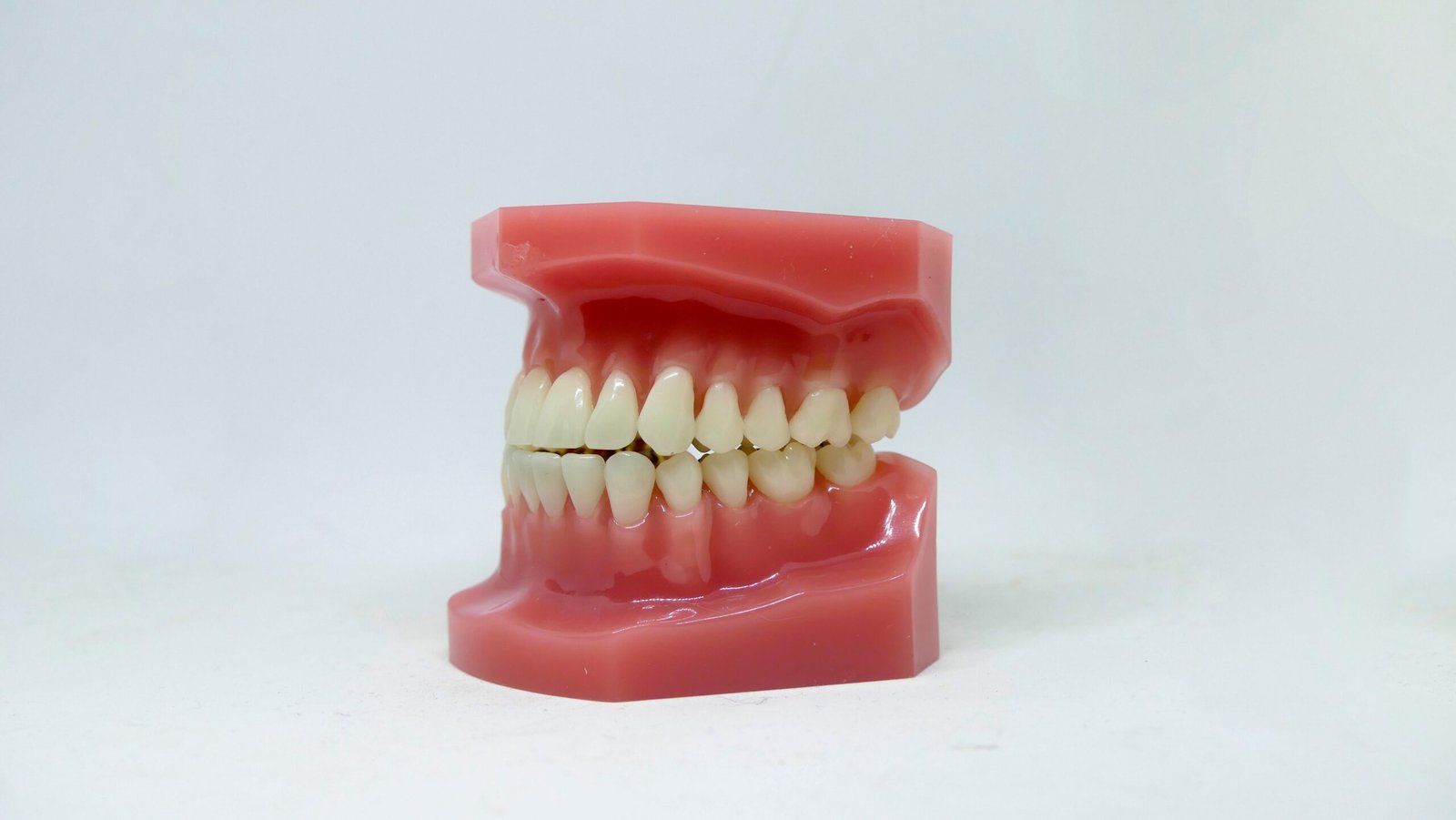
One lower front tooth looks longer than its neighbor. A row of teeth starts to feel sensitive when you drink cold water. Or a dentist mentions gum recession at a checkup even though your mouth feels fine. All three can involve the same change, but I wouldn’t assume they have the same cause. Where the gumline has moved, what the surrounding tissue looks like, and whether the tooth has lost support can tell very different stories.
So, what causes receding gums? Periodontitis, a form of gum disease that damages the tissues and bone supporting the teeth, is a major cause. In other cases, recession is more localized and may involve thin gum tissue, the position of an individual tooth, or repeated irritation in the same spot. Smoking and diabetes increase the risk of gum disease, while orthodontic movement, a nearby restoration, or oral jewelry may be relevant in particular cases. It’s also common for more than one factor to be involved. [1–4]
What surprised me most when I looked through the evidence was how easy it is to mistake a clue for an explanation. A worn notch doesn’t prove you brushed too hard. A tooth that looks longer after a deep cleaning doesn’t mean the cleaning caused the original damage. And healthy-looking gums don’t rule out a problem you can’t see between the teeth. I’ll walk through what each pattern can suggest and what I’d want a dentist to check before drawing a conclusion.
What Actually Changes When Gums Recede?
The visible part of a tooth is its crown. Below it is the root, which is normally covered by gum tissue in a healthy, unreceded area. Clinicians use the junction between the enamel of the crown and the root as a reference point. When the gum margin moves toward the root beyond that junction, the newly exposed area is called gingival recession. The tooth hasn’t grown longer. More of it has become visible. [1, 2]
That little strip of exposed root is only part of the picture. A dentist may find recession on the outward-facing surface of one tooth while the attachment between the teeth is still intact. In another mouth, there may be a similar amount of visible recession alongside loss of attachment and supporting bone in several places. Those situations can look alike in a close-up photo, but the first may call for local monitoring while the second needs a broader periodontal assessment. [1, 2]
I’d also distinguish recession from inflammation. Red, swollen gums that bleed easily can have gingivitis without the loss of tooth support that defines periodontitis. On the other hand, a firm-looking gumline can sit farther down the root than it used to. If inflamed gums shrink after treatment, they may reveal more root than you could see when the tissue was swollen. The location of the gum edge and the health of the supporting tissues are related, but they’re not the same measurement. [1, 2]
Gum Disease Is a Major Cause, Especially When Several Teeth Are Involved
Plaque is a film of bacteria that collects on teeth, including at and below the gumline. If it isn’t removed effectively, the gums can become inflamed. Plaque can also harden into tartar, which a toothbrush can’t remove. In people who develop periodontitis, inflammation is associated with the breakdown of the attachment and bone that support the teeth. The gumline can recede as part of that process, with roots becoming more exposed as support is lost. [1]
A 2025 systematic review found that people with periodontitis had higher odds of gum recession, and the association was stronger than for several other factors the authors evaluated. Plaque and smoking were also associated with recession. I find the pattern more useful than treating the numbers as a personal risk estimate. The review drew on observational studies, so it can show which conditions often turn up together. It can’t tell you what caused the gumline to change on a particular tooth. [3]
The distinction I’d pay attention to is whether the recession comes with other signs of loss of support. Persistent bleeding, changes in how teeth fit together, or a tooth that feels loose are worth reporting. So are persistent bad breath and new spaces between teeth. None of those clues proves periodontitis on its own, and you don’t need to have all of them for gum disease to be present. The exam is what connects any symptoms to measurements around the teeth and, when needed, X-rays of the supporting bone. [1, 2]
It’s tempting to make this about whether someone brushes well enough. In practice, plaque control can be harder around crowded teeth, under certain dental work, or in areas a brush doesn’t reach easily. Smoking, diabetes, and genetic susceptibility can affect risk, too. I’d rather leave an appointment knowing which sites need attention and what makes them hard to clean than leave with a vague instruction to brush better. The goal is a routine that cleans effectively without aggravating the vulnerable areas. [1, 2]
Can Brushing Too Hard Cause Receding Gums?
Forceful brushing is a plausible contributor, particularly if you repeatedly scrub the same exposed surface with heavy pressure. It’s also an explanation I see offered far too quickly. A periodontal World Workshop review noted that the overall evidence linking toothbrushing habits to recession was inconclusive. The studies didn’t all measure pressure, frequency, technique, or brush type in the same way. That’s a good reason to take a potentially irritating habit seriously without assuming it explains every recession site. [2]
The scenario that makes me want to look at technique is localized recession in an easy-to-reach area, especially if someone grips the brush tightly, has bristles that quickly splay, or spends a long time scrubbing one part of the mouth. I’d also want to know whether the gum is naturally thin there, whether the tooth sits farther outward than its neighbors, and whether there’s any disease between the teeth. An exposed root and a history of vigorous brushing can coexist without one being the whole explanation for the other. [1, 2]
I wouldn’t respond by barely touching the gumline or brushing less often. Plaque still needs to come off. A soft-bristled brush, fluoride toothpaste, and gentle, controlled pressure are a more sensible starting point. A hygienist can show you what that feels like on the exact tooth you’re worried about. If you use an electric toothbrush, a pressure alert can be a useful cue, but the point is to change the pressure you apply, not to assume a different device will make the gum grow back. [1, 2]
A notch near the gumline deserves its own assessment. The visible defect may include wear of the tooth surface, rather than being purely a change in the gum. I’d ask a dentist to show me where the crown ends, where the gum edge now sits, and whether the root itself is worn or decayed. That’s a much better basis for deciding whether you need a change in brushing technique, treatment to protect the root, or attention to a separate dental problem. [2]
Why One Tooth Can Recede While Its Neighbors Look Fine
Some teeth have less room for error. Periodontists use the term periodontal phenotype to describe features such as the thickness of the gum and the bone around a tooth. A tooth positioned toward the outside of the arch may have a thinner layer of bone on that side. Thin gum tissue is also associated with greater susceptibility to recession. That doesn’t mean thin tissue automatically recedes. It means that the same amount of irritation or change in tooth position may matter more at one site than at another. [2, 4]
This helps explain why a single tooth can stand out even when the rest of the gumline seems consistent. If a lower incisor is slightly out of line, its outward-facing surface may have a different amount of tissue coverage from the tooth next to it. I wouldn’t assume that the longer-looking tooth is the only one affected or that both teeth ought to have exactly symmetrical gumlines. What I’d want to establish is whether the difference reflects a stable anatomical pattern or measurable recession that’s still progressing. [2]
Another detail a dentist may check is the frenulum, the fold of tissue that connects the lip or cheek to nearby gum tissue. A high attachment was associated with recession in a 2025 review, but the presence of one doesn’t prove it’s pulling the gum down or that it needs surgery. Its significance depends on the site and the broader exam. If the tissue around it isn’t inflamed and the gumline has stayed in the same place over time, its appearance alone may tell you very little about what to do next. [2, 3]
Restorations can be relevant for similar reasons. The gum around a crown or filling might be harder to keep clean if the area traps plaque or the shape makes cleaning awkward. Recession can also reveal the edge of older dental work that previously sat out of sight. In that situation, noticing the crown edge isn’t proof that the crown caused the recession. If the change is concentrated around one restored tooth, I’d ask the dentist to assess the fit and shape of the restoration alongside the gum measurements rather than assuming either one is the whole problem. [2, 4]
Orthodontics, Oral Piercings, and the Things People Blame Too Quickly
Orthodontic treatment and gum recession can occur in the same person, but braces or aligners aren’t a diagnosis. The relationship depends partly on the starting position of the teeth, the direction of movement, existing recession, and the thickness of the surrounding bone and gum. Moving a tooth toward a thin outer boundary of bone can be a concern in some cases. If recession is noticed during or after treatment, earlier photos, scans, and charting may help establish whether the gumline was already uneven before the teeth moved. [2, 4]
My first question in that situation would be whether the orthodontist and dentist agree on what changed. A newly straightened tooth may be easier to see, which can make an old discrepancy more noticeable. In another case, there may be a real change that deserves a periodontal evaluation before further movement. The timing matters, but the direction of movement, the condition of the surrounding tissue, and the measurements from before treatment are more informative than timing alone. [2]
Oral jewelry is different because sometimes you can see a direct point of contact. A lip stud may repeatedly rub the outside gum near a tooth, and a tongue piercing can contact tissues on the tongue-facing side. If the change is concentrated exactly where jewelry rests or strikes, that’s a useful detail to share at the appointment. It’s still possible for plaque or thin tissue to contribute, and removing the source of irritation is not the same as restoring tissue that has already receded. [4]
Grinding and clenching deserve more caution than they often get online. A recent review found that recession and signs classified as occlusal trauma were associated in observational studies. That doesn’t establish that grinding directly caused the gumline to move. The periodontal World Workshop consensus likewise found no credible evidence that traumatic bite forces cause gum recession. If you wake up with a sore jaw or someone has noticed that you grind, those symptoms are worth talking about. I wouldn’t assume that treating them will move the gumline back. [3, 4]
What the Pattern Can Tell You Before a Dental Exam
I think of the pattern as a way to give a dentist a clearer starting point. Recession at several teeth alongside bleeding points toward a different set of questions than an isolated change at the exact spot where a lip stud touches. The table compares those clues with what a clinician would look for next. None of these patterns is enough to diagnose the cause from a mirror or a photo. [1–4]
| Pattern you notice | What it may suggest | What helps separate the possibilities |
|---|---|---|
| Several teeth look longer, and the gums often bleed | Plaque-related inflammation or periodontitis is worth investigating. The visible change may be only one part of what’s happening. | Pocket measurements, bleeding on probing, attachment levels, and X-rays when appropriate help show whether tooth support is affected. |
| One tooth sticks out slightly and has a low gumline | The position of the tooth and thin tissue may make that site more vulnerable. Cleaning pressure may also be relevant. | The dentist compares the tooth with neighboring sites, checks tissue and attachment, and reviews previous measurements to see whether it’s changing. |
| One small area lines up with an oral piercing | Repeated contact from the jewelry could be contributing to a localized defect. | Examining where the jewelry rests and checking the health of the gums around nearby teeth helps determine whether irritation is the likely explanation. |
| The gumline looks different beside an old filling or crown | The area may be hard to clean, or recession may simply have exposed a margin that was already there. | The dentist checks the restoration’s shape and fit, looks for trapped plaque or root decay, and measures the surrounding gum. |
| More root is visible after periodontal treatment | Swelling may have subsided and revealed root surface that was previously hidden. | Comparing pre- and post-treatment bleeding, pocket depths, and attachment measurements is more informative than appearance alone. |
| Cold water brings on a sharp sensation at the gumline | An exposed root is a possibility, but sensitivity also has other dental causes. | Checking the root surface for wear, decay, and other problems helps determine whether recession actually explains the discomfort. |
If I noticed a change, I’d jot down which tooth seemed different and when I first noticed it. I’d note whether I’d recently had orthodontic work, a new restoration, or treatment for gum disease, and whether there was sensitivity, swelling, or bleeding. A dated photo can be useful as context, but I wouldn’t try to measure a millimeter of change on a phone screen. A consistent measurement from a dental exam is the better baseline.
Do Age, Smoking, and Diabetes Explain Receding Gums?
Recession becomes more common in older adults, but getting older isn’t a sufficient explanation for a changing gumline. Older teeth have had more time to accumulate wear, go through dental treatment, and be exposed to inflammation or repeated irritation. A stable area that has looked the same for years and a site that has changed noticeably over the last few months shouldn’t be treated as equivalent just because they’re in the same age group. I’d ask for the same distinction at any age. [1–3]
Smoking is a more actionable factor. The National Institute of Dental and Craniofacial Research identifies tobacco use as a major risk factor for periodontal disease, and smoking was also associated with recession in the 2025 review. That doesn’t mean a smoker with one recessed tooth necessarily has periodontitis. It does mean smoking history gives the dental team a reason to assess the gums and supporting tissue carefully rather than assuming a visible defect is just a brushing issue. [1, 3]
Diabetes also increases the risk of periodontal disease. If someone with diabetes notices gum changes, I’d want the dentist to know about the diagnosis and how it’s being managed. At the same time, visible recession isn’t a sign you can use to diagnose diabetes or judge blood sugar control. It tells you something about where the gum sits. Its significance depends on what the dentist finds around that tooth and elsewhere in the mouth. [1, 2]
Can Supplements Help if Nutrition Is Part of the Problem?
The role I see for supplements is narrow but useful. They can help address an actual shortfall in nutrient intake. They can’t regrow a receded gumline, take tartar off a root, or undo the effects of a piercing that keeps rubbing the same spot. The most productive question isn’t which bottle is marketed for gums. It’s whether there’s a dietary or medical reason to replace a particular nutrient in the first place. [1, 2, 5]
Vitamin C is the nutrient I’d discuss first because it’s needed to make collagen, and inadequate vitamin C can contribute to bleeding gums. Yet gum bleeding isn’t a reliable way to identify a deficiency. Plaque-related inflammation is another explanation, and both problems can exist at once. A systematic review of vitamin C added to nonsurgical periodontal care found some improvement in bleeding measures for gingivitis, but not meaningful improvements in pocket depth or attachment in people with periodontitis. That’s the difference between helping an inflamed or nutritionally vulnerable tissue and restoring lost support or root coverage. [5]
If someone rarely eats fruit and vegetables, has a very restricted diet, or is recovering from a period when eating was difficult, it may be worth reviewing what they actually get from food. Depending on the person, improving the variety of meals or using a targeted supplement may make sense. But I wouldn’t spend weeks taking vitamin C as a test to see whether a newly exposed root goes away. Even if bleeding improves, that doesn’t establish what caused the recession or whether the supporting tissue around the tooth is healthy. [1, 2, 5]
Vitamin D serves a different nutritional purpose. It supports normal calcium absorption and bone health, which is why it often comes up in discussions about teeth. That role doesn’t mean a supplement can rebuild the specific bone lost around a tooth with periodontal disease. If there’s a separate reason to address vitamin D intake, that can be worthwhile on its own terms. A general multivitamin can also be more practical than juggling individual supplements when there are several dietary gaps, but the label should match an actual need. More ingredients don’t make a formula more relevant to recession.
Three Amazon options for different nutritional needs
I chose these three products to compare a targeted vitamin C supplement, a targeted vitamin D supplement, and a broader multivitamin. They’re examples of nutritional products, not ranked treatments for receding gums. The amounts identify the versions being discussed. They aren’t doses to take based on how much root is showing or how often the gums bleed.
- Solgar Vitamin C 500 mg Vegetable Capsules. This is a single-nutrient option for comparing labels if vitamin C is the specific concern. The capsule format and clearly stated amount make it straightforward to compare with other vitamin C products or with what you already get in a multivitamin. I’d choose the amount based on the dietary need, not on the appearance of the gumline.
- Nature Made Vitamin D3 1000 IU Softgels. This is a targeted vitamin D option rather than a general oral-health blend. If a clinician has recommended vitamin D for a nutritional reason, I’d compare the strength with that recommendation and check whether an existing supplement already contains it. There’s no reason to add another source simply because recession happens near bone.
- One A Day Women’s Complete Multivitamin. This is a broader formula that includes vitamins C and D along with other nutrients. It’s more relevant when several gaps are being considered than when one nutrient is the only concern. I’d read the full label for overlap with products already in use and wouldn’t treat it as interchangeable with a prenatal or a clinician-directed plan to correct a deficiency.
What a Dentist Can Find That You Can’t See at Home
A dental exam can distinguish the visible recession from a problem with the tooth’s underlying support. The dentist or hygienist can measure the position of the gum margin and use a periodontal probe to check the space between the tooth and gum at several points. They can also evaluate attachment around the tooth and look for changes in bone on X-rays when indicated. Recession depth and pocket depth describe different things. A tooth can have an exposed root without a deep pocket at that spot, and another can have significant disease in a location that isn’t visible when you smile. [1, 2]
The health of the tissue between teeth is especially helpful in sorting out the pattern. If the loss is limited to the outer surface of one tooth and the support between teeth is intact, local anatomy and irritation may move higher on the list. If several teeth have lost attachment between them, the exam needs to look beyond what’s happening at the front of the mouth. That information also helps guide treatment. Removing a source of rubbing, managing root sensitivity, and treating active periodontitis are three different jobs. [1, 2]
I’d leave the appointment with a plan for how the finding will be followed. That could mean taking baseline measurements at an otherwise healthy site, adjusting a hard-to-clean area, or beginning periodontal care if there’s active disease. Newly noticed recession is worth bringing in even if it doesn’t hurt. If you also have significant swelling, pus, severe pain, or a newly loose permanent tooth, contact a dentist promptly instead of waiting for a routine visit. Trouble breathing or swallowing with mouth or facial swelling needs emergency care.
My Take on What Causes Receding Gums
If I could leave readers with one distinction, it would be this. A receding gumline can be a sign of disease affecting the support around several teeth, or it can be a local change where a single tooth is vulnerable. Sometimes those explanations overlap. Once you know which pattern you’re dealing with, choices about brushing, professional cleaning, orthodontic follow-up, or a periodontal referral become much easier to make. [1–4]
I wouldn’t buy a supplement on the strength of a gum-health claim or blame a toothbrush without looking at the rest of the mouth. I’d start by getting the area measured and asking what the dentist found about the support between the teeth. Then I’d ask what can be changed now, what needs treatment, and what should simply be tracked. Those answers are more useful than any general list of causes because they tell you what’s likely happening at your gumline.
Disclaimer
This article is for general education and does not replace a dental examination, diagnosis, or treatment plan. Receding gums, bleeding, and tooth sensitivity can have different causes that aren’t possible to distinguish reliably at home. The supplements mentioned are examples for comparing labels, not recommendations to treat gum disease or reverse recession. Discuss suspected deficiencies or supplement use with a qualified healthcare professional.
References
- National Institute of Dental and Craniofacial Research. Periodontal (Gum) Disease. This NIH resource covers plaque, tobacco use, diabetes, warning signs, and the examination used to assess gum disease and loss of tooth support.
https://www.nidcr.nih.gov/health-info/gum-disease - Cortellini P, Bissada NF. Mucogingival Conditions in the Natural Dentition: Narrative Review, Case Definitions, and Diagnostic Considerations. Journal of Clinical Periodontology, 2018. This World Workshop review explains how recession is defined and assessed, and discusses the evidence on tissue thickness, toothbrushing, orthodontics, and restorations.
https://onlinelibrary.wiley.com/doi/full/10.1111/jcpe.12948 - Marschner F, et al. Systematic Review and Meta-analysis on Prevalence and Risk Factors for Gingival Recession. Journal of Dentistry, 2025. This review pools observational evidence on recession and its associations with periodontitis, dental plaque, smoking, and other factors.
https://pubmed.ncbi.nlm.nih.gov/39988303/ - Jepsen S, et al. Periodontal Manifestations of Systemic Diseases and Developmental and Acquired Conditions. Journal of Clinical Periodontology, 2018. The World Workshop consensus covers local and developmental factors, tissue changes around natural teeth, and the limits of evidence linking traumatic bite forces to recession.
https://onlinelibrary.wiley.com/doi/10.1111/jcpe.12951 - Fageeh HN, et al. Efficacy of Vitamin C Supplementation as an Adjunct in the Non-surgical Management of Periodontitis: A Systematic Review. Systematic Reviews, 2021. The authors distinguish changes in gingival bleeding from outcomes such as pocket depth and clinical attachment when vitamin C is added to periodontal care.
https://pubmed.ncbi.nlm.nih.gov/33397446/