

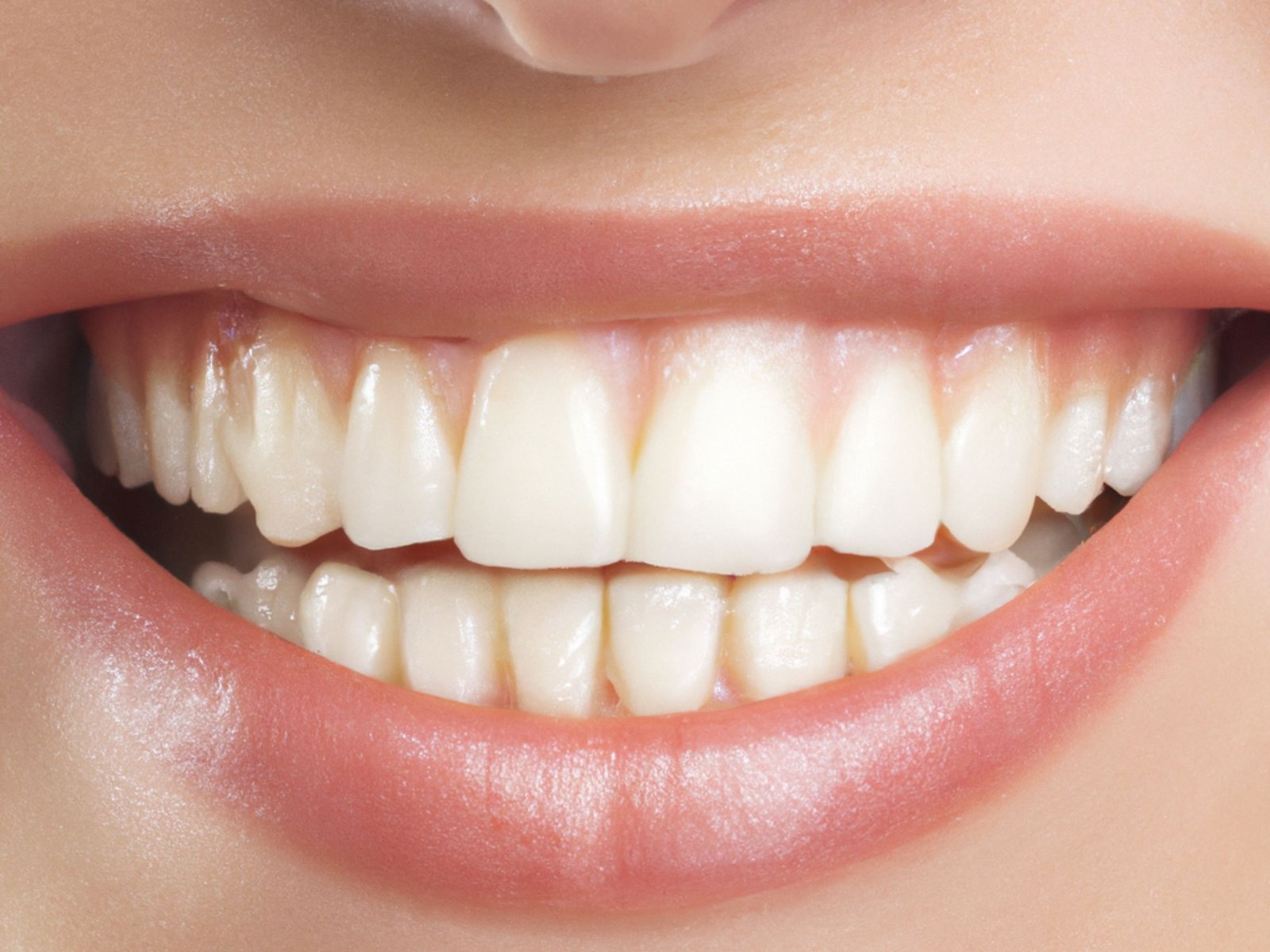
The first sign of a receding gumline can be surprisingly ordinary. One tooth looks a little longer in the mirror, or a sip of cold water hits a spot that never used to bother you. Then you search for answers and find two apparently contradictory ones. One says receding gums can’t grow back. The other shows a dentist covering an exposed root with gum tissue. Both can be true, and the difference between them is the most useful thing to understand before buying a product or assuming you’ll need surgery.
So, can you fix receding gums? Yes, but “fix” can mean stopping further recession, making an exposed root more comfortable, or surgically covering part or all of that root. Gum tissue that has already receded generally doesn’t move back into place on its own. Home care can help protect the gumline you have, and dental treatment can address problems that contribute to further loss. When the tooth and surrounding tissues are suitable, a periodontist can sometimes move or graft gum tissue to restore coverage. [1–3]
I’d start with the cause, not with the treatment that makes the most dramatic before-and-after photo. A single exposed root in otherwise healthy gums calls for a different discussion from several teeth that are becoming loose in someone with gum disease. In this guide, I’ll explain what I’d look for, what each treatment can realistically change, and where supplements fit if nutrition is genuinely part of the problem.
What Receding Gums Look Like and What They Actually Mean
Gum recession happens when the edge of the gum moves away from the crown of a tooth and exposes some of the root. It can affect a single tooth or several teeth at once. One side of a tooth may look lower than the other, or you might notice a narrow strip near the gumline with a slightly different color from the enamel above it. Some people spot it when they smile. Others first notice it when a toothbrush, cold drink, or even a breath of cold air hits the exposed area. [1, 2]
A visible root can make a tooth look longer without making the tooth itself any longer. The surface that was always there is now easier to see. That distinction also helps explain why an exposed root needs attention even if the appearance doesn’t bother you. Roots don’t have the same enamel covering as the crowns of teeth, which can make exposed areas more vulnerable to sensitivity and decay. But not every long-looking or sensitive tooth has gum recession. Tooth position, a worn spot near the gumline, decay, or a crack can produce an appearance or sensation that’s hard to distinguish at home. [1, 2]
I also wouldn’t try to measure progress from two casual phone photos. Lighting changes the color of the root, camera angles distort the gumline, and the edge of inflamed tissue can look different once swelling settles. If you’ve recently had treatment for inflamed gums, for example, a tooth may look longer as the puffiness goes down. That can reveal root surface that swelling previously hid. It doesn’t necessarily mean treatment damaged the gums or failed. A dentist can interpret that change alongside what happened to bleeding, pocket depth, and the tissues supporting the tooth. [2, 4]
Why Gums Recede Even When You Brush Every Day
Mechanical irritation and the way a tooth sits
One possibility is repeated mechanical irritation. Brushing with heavy pressure, especially with a stiff brush or a forceful back-and-forth motion, can be an issue around a vulnerable gumline. Thin tissue or a tooth positioned toward the outside of the dental arch may make some sites more susceptible than others. That helps explain why two nearby teeth can look different even though the same person cleans both with the same toothbrush. A single recessed area doesn’t prove that brushing caused it, but it gives the dentist a reason to look at technique, anatomy, and the pattern of wear together. [1, 2]
Pressure from something that repeatedly contacts the same spot, such as an oral piercing, is another possibility. Tooth position can also become relevant during orthodontic planning, particularly when the gum and bone over a root are already thin. I wouldn’t conclude that braces necessarily caused recession or that moving a tooth will grow tissue back. The useful question is whether its present position and the tissue around it change the best plan from here. That’s one situation where a dentist, periodontist, and orthodontist may need to compare findings before recommending the next step. [1, 2]
Gum inflammation and loss of support
Plaque-related gum disease is a separate issue, though it can occur alongside mechanical irritation. Gingivitis is inflammation without the loss of tooth support that defines periodontitis. Gingivitis can cause redness, swelling, and bleeding, and it can often improve with effective plaque control and professional care. Periodontitis involves damage to the attachment and bone that help hold teeth in place. With periodontitis, the visible gumline may move, but what you see in the mirror doesn’t tell you how much support remains beneath it or between the teeth. [2, 4]
This is why I wouldn’t assume that bleeding is just a brushing problem or that quiet, painless gums must be healthy. Dentists look at where bleeding occurs, how deep the pockets are, whether there is measurable attachment loss, and what any necessary X-rays reveal. They also consider factors such as smoking and diabetes when assessing risks and planning follow-up. The amount of root you can see and the severity of gum disease are not the same measurement. Treating the visible area without recognizing active disease elsewhere can leave the bigger problem untouched. [2, 4]
What I’d Want a Dentist to Check Before Talking About a Graft
I’d want the exam to establish three things. Is the recession confined to one site or present on several teeth? Does the area look stable, or is there evidence it’s changing? And is the exposed root the main issue, or is it one sign of a broader problem? Those answers are more useful than whether the gumline looks mildly or severely recessed in a photo. A few millimeters on a front tooth can be very noticeable, but a less obvious change elsewhere may deserve more attention if the tooth’s support is compromised. [1, 2, 4]
A dental team can measure how far the gum edge sits from the point where the crown meets the root. They can also check pocket depth and attachment around the tooth, including between adjacent teeth. If X-rays are appropriate, they can help evaluate the underlying bone. The exam may turn up a worn notch, decay, or a filling at the gumline that changes how the root should be treated. I’d also mention exactly what sets off sensitivity. A quick jolt with cold that stops promptly and pain that lingers or happens without an obvious trigger are different experiences worth describing accurately. [1, 2]
The part of the exam I find most relevant to treatment expectations is how much support remains between the teeth. When that support is intact, complete coverage of the exposed root may be more achievable. When attachment has been lost between neighboring teeth, it can limit how far the repaired gumline can predictably go, even if surgery can still improve coverage or tissue thickness. A realistic plan should say whether the objective is to get the gumline back close to its former position, cover part of the root, or simply make the site more stable and easier to maintain. [2, 3]
The Treatments That Can Help and What Each One Fixes
I find it easier to compare treatment options when they’re organized by the problem they solve. A deep cleaning, a sensitivity toothpaste, and a gum graft can all be appropriate, but they’re not substitutes for one another. One treats disease, another addresses discomfort, and another can physically improve coverage. Sometimes they make sense in sequence. Sometimes a site only needs the first or second approach, plus follow-up. [1–4]
| Option | What it can realistically improve | What it doesn’t do |
|---|---|---|
| Gentler brushing, daily plaque control, and monitoring | Reduces avoidable irritation and helps maintain a stable site. Repeat measurements give the dentist a record of whether the gumline is changing. | Does not replace lost gum tissue or treat deposits deep below the gumline. |
| Desensitizing toothpaste or a professional fluoride treatment | Can make exposed roots less reactive to cold and brushing. A dentist may also use fluoride as part of a plan to lower decay risk on exposed roots. | Does not move the gumline back. Persistent sensitivity still needs a diagnosis. |
| Periodontal deep cleaning and ongoing maintenance | Removes plaque and hardened deposits below the gumline when periodontitis is present. The goal is to control inflammation, improve pocket health, and protect the support that remains. | Does not reliably cover exposed roots. Teeth can look longer after swollen tissue settles. |
| Bonding or a restoration at the gumline | Can protect or rebuild a selected worn or damaged area of the root surface. It may also improve comfort or appearance in the right case. | Repairs the tooth surface rather than adding gum tissue. It does not treat underlying periodontal disease. |
| Root-coverage surgery, with or without a gum graft | Repositions or adds tissue to cover a suitable exposed root. Depending on the procedure, it can also make thin tissue thicker. | Cannot guarantee complete or permanent coverage on every tooth and does not replace treatment of active disease. |
My takeaway is that there’s a meaningful difference between needing treatment and needing surgery. A shallow, stable site with little sensitivity and no damage to the root may be managed with home care and periodic measurements. A site that continues to change, is difficult to keep clean, or stays sensitive despite simpler care may warrant a closer look from a periodontist. If there’s active periodontitis, getting that under control usually takes priority over planning a cosmetic change to the gumline. [1–4]
When a Gum Graft Makes Sense and What to Expect
A common root-coverage approach combines a connective tissue graft with a flap of nearby gum. The periodontist typically obtains connective tissue from underneath the surface of the palate, places it at the recession site, and positions the local gum tissue over the area. Some sites can be treated by repositioning existing gum without adding a graft. In other cases, a donor material or other substitute may be considered. The techniques differ in how they address the defect, whether there’s a second surgical site in the mouth, and what kind of coverage or thickness is realistic. [1, 3]
The Cochrane review I found most useful pulled together 48 randomized trials involving more than 1,200 adults. Most root-coverage procedures reduced recession, but the evidence wasn’t strong enough to declare one method best for every situation. Much of the research also focused on selected defects and followed people for six to 12 months. That’s good evidence that surgery can make a difference in suitable cases, but it isn’t a basis for promising an identical result on every tooth, especially where the surrounding support is already reduced. [3]
Before deciding, I’d ask the periodontist to describe success for each tooth they plan to treat. Complete coverage, partial coverage, better tissue thickness, and less sensitivity are different outcomes. I’d want to know which one is the main goal, what might prevent complete coverage, and where the graft material would come from. If a worn area or an existing filling affects the shape of the tooth at the gumline, I’d also ask whether any restorative work should be planned alongside the procedure. Those details tell you more than a procedure name advertised as gentler or more advanced. [2, 3]
Recovery takes some planning. A graft from your own palate can leave two areas that need to heal, and discomfort at the donor site is one of the better-documented tradeoffs. Your dental team should explain how to clean around the area without disturbing it, what to eat while it heals, and when to return for a check. I wouldn’t pull the lip back repeatedly to see whether the gum has moved into place. Early appearance doesn’t tell you what the final result will be, and the periodontist is in a better position to assess healing at the follow-up. [1, 3]
What You Can Do at Home Without Making Recession Worse
The home-care change I’d make first is to clean thoroughly without scrubbing harder. A soft-bristled brush and fluoride toothpaste are sensible starting points. The aim is to remove plaque along the gumline with controlled, gentle pressure, not to avoid that area altogether because it looks delicate. If you’re unsure how much pressure you’re using, ask a hygienist to demonstrate on the tooth that concerns you. That’s more practical than trying to copy a general brushing video without knowing how it applies to your mouth. [1, 4]
Cleaning between the teeth still matters. The best tool depends on the space and what you can use consistently. Floss may work well in tight contacts, while an appropriately sized interdental brush may be easier in more open spaces. A brush that has to be forced through a gap isn’t the right size for that space. If cleaning consistently causes bleeding, I wouldn’t abandon the area or respond by cleaning it more aggressively. I’d ask a dental professional to check whether inflammation, the fit of the tool, or technique is the issue. [2, 4]
For sensitivity, a desensitizing fluoride toothpaste can be useful if an exposed root is the cause. It may take regular use rather than one brushing to make a difference. I’d pause any habit that seems to aggravate the area, such as scrubbing with an abrasive powder, and stop treating a sting from a product as evidence that it’s helping. Salt-water rinses or other home remedies might make the mouth feel different temporarily, but they don’t put lost gum tissue back over a root. New pain that persists or changes in character deserves an exam instead of a succession of toothpaste experiments. [1, 2]
I’d book a dental visit for newly noticed recession, particularly if several teeth are affected or the change seems to be progressing. Persistent bleeding, pus, significant swelling, or a tooth that feels loose are reasons to contact a dentist promptly rather than wait for a routine cleaning. Those signs can indicate a problem beyond an exposed root. If mouth or facial swelling is making it hard to breathe or swallow, seek emergency care. The urgency comes from the associated symptoms, not the amount of root you can see. [1, 4]
Can Supplements Help Receding Gums?
Supplements can help when there’s a nutritional problem to address. They cannot regrow receded gum tissue, cover an exposed root, or replace periodontal treatment. I’d be open to a supplement if someone had a restricted diet, a documented deficiency, or another reason a healthcare professional thought their intake was inadequate. I’d be much less inclined to start a product solely because the gumline had shifted. An exposed root is a physical finding. It doesn’t tell you whether you’re low in a particular vitamin, and a gum-health claim on a bottle doesn’t establish that the ingredient addresses what caused the recession. [2–5]
Vitamin C has the clearest nutritional connection to bleeding gums
Vitamin C is needed to make collagen, an important structural protein in connective tissue. Low intake or low vitamin C status can contribute to gum bleeding, which is one reason the nutrient comes up in discussions of oral health. But less bleeding and more root coverage are different results. A systematic review of vitamin C as an add-on to nonsurgical periodontal care found some improvement in bleeding measures in gingivitis, without meaningful gains in pocket depth or attachment in people with periodontitis. That’s a useful distinction if you’re reading a claim that jumps from collagen support to reversing recession. [5]
If diet were the issue, I’d think about what’s missing before picking a dose. Citrus, peppers, and other fruits and vegetables can contribute vitamin C, though access, appetite, and dietary restrictions can make food changes less straightforward for some people. In that context, a targeted supplement might make sense as part of meeting a nutritional need. If gums are bleeding regularly, however, I wouldn’t use a vitamin trial as a way to decide whether an exam is necessary. Plaque-related inflammation and inadequate nutrition can coexist, and one doesn’t rule out the other. [4, 5]
Vitamin D and multivitamins serve different purposes
Vitamin D helps the body absorb calcium and supports normal bone health. That normal role doesn’t mean a vitamin D capsule rebuilds bone already lost to periodontitis, and it doesn’t tell you whether your intake is low. If a healthcare professional has recommended vitamin D for a separate nutritional or medical reason, that’s a valid reason to take it. A receding gumline by itself is not a reason to assume you need more. The dental priority is still to determine whether there’s active disease, a vulnerable root surface, or a stable site that simply needs monitoring. [2, 4]
A multivitamin is broader. It may be a practical option for someone whose diet regularly falls short in several areas, but it’s a less targeted choice if only one nutrient is under discussion. I’d check for overlap between the multivitamin and any single-nutrient products already in use. The labels can make combinations look harmless because they’re sold as everyday wellness products, but adding several bottles can mean taking the same nutrients repeatedly without any added purpose. I’d also keep a list of those products handy if a dental or medical professional asks what I’m taking.
Three Amazon options to compare if you need nutritional support
I’ve chosen three recognizable products sold through Amazon to illustrate the difference between targeting one nutrient and taking a broader formula. These aren’t ranked treatments for receding gums, and there’s no reason to buy all three. The amounts in the product names identify the versions discussed, not doses I’m recommending for dental symptoms. Check the current Supplement Facts label before buying, especially if you already take another product with the same ingredients.
- Nature Made Vitamin C 500 mg Tablets. This is a straightforward single-nutrient option to compare if the goal is specifically to increase vitamin C intake. The simple label makes it easier to see what you’re adding than with a blend marketed for gums or oral health. I’d choose the amount based on the nutritional need, not the depth of the recession or how often the gums bleed.
- Nature Made Vitamin D3 1000 IU Softgels. This is a single-nutrient option for someone who has a separate reason to supplement vitamin D. The useful comparison here is whether it duplicates vitamin D in an existing multivitamin and whether it matches the amount a healthcare professional has suggested. The fact that vitamin D supports bone health doesn’t make it a treatment for bone loss around a tooth.
- Centrum Adults Multivitamin. This is a broader vitamin-and-mineral option that includes vitamins C and D. I’d compare it with a targeted supplement only after deciding whether the aim is to address one nutrient or cover several dietary gaps. Centrum sells multiple formulations, so I’d verify the exact label instead of assuming that every product carrying the name has the same ingredients and amounts.
Do Receding Gums Always Get Worse?
No. Recession is a description of where the gumline is today, not a prediction of where it will be next year. Some sites remain stable once irritation is reduced and the area can be kept clean. Others progress because of disease, tissue vulnerability, or a combination of factors. Without earlier measurements, even a dentist may need time to tell whether the site is changing. That’s one good reason to have it measured while it’s small or painless, instead of waiting until it feels bad enough to justify an appointment. [1, 2]
I’d want a follow-up plan that explains what’s being watched. For an isolated site, that might mean measuring the same point at future visits and checking whether the root is developing wear, decay, or sensitivity. For someone who has been treated for periodontitis, the focus is broader and may include changes in pocket depth, bleeding, and the stability of the teeth. Ongoing periodontal maintenance is part of keeping the benefits of treatment, not simply an optional polish after the main work is done. [2, 4]
I’d also avoid treating a stable gumline as a disappointing result because it didn’t visibly improve. If a root stays comfortable and healthy and the tissue doesn’t recede further, that can be a worthwhile outcome without surgery. On the other hand, appearance and comfort are legitimate concerns, especially if an exposed root is prominent when you smile or makes daily brushing unpleasant. A good plan accounts for those priorities and explains what you stand to gain from treatment as well as what monitoring would involve. [1–3]
My Take on the Best First Step
You can often manage receding gums, and sometimes a dentist can restore coverage over an exposed root. What you can’t do is brush, rinse, or supplement the lost tissue back into place. That’s the distinction I’d keep in mind if you’re deciding whether to buy another product or book an exam. Start by finding out whether the problem is an isolated and stable gumline, active disease, or a root surface that needs protection. The answer narrows down the options far better than the size of the exposed patch alone. [1–4]
At the appointment, I’d ask what probably caused the change, whether the tooth has lost supporting tissue, and what result I could expect from the least invasive option. If a graft is on the table, I’d ask whether the realistic goal is complete coverage, partial coverage, or thicker tissue that’s easier to maintain. Those questions give you a way to judge the recommendation against what you actually want to fix, whether that’s keeping a tooth healthy, making it more comfortable, or changing how it looks. [1–4]
Disclaimer
This article is for general education and is not a substitute for an examination, diagnosis, or treatment plan from a dentist or periodontist. Recession, pain, bleeding, and sensitivity can have different causes, even when the symptoms look alike. The supplements listed are examples of nutritional products, not treatments for gum recession or instructions to take a particular dose.
References
- Cleveland Clinic. Gum Recession. This medically reviewed overview explains common causes, examination, sensitivity management, and surgical and nonsurgical treatment options.
https://my.clevelandclinic.org/health/diseases/22753-gum-recession - Cortellini P, Bissada NF. Mucogingival Conditions in the Natural Dentition: Narrative Review, Case Definitions, and Diagnostic Considerations. Journal of Clinical Periodontology, 2018. This World Workshop review explains how clinicians classify recession, assess surrounding tissues, and judge the prospects for root coverage.
https://onlinelibrary.wiley.com/doi/full/10.1111/jcpe.12948 - Chambrone L, et al. Root Coverage Procedures for Treating Localised and Multiple Recession-Type Defects. Cochrane Database of Systematic Reviews, 2018. This review compares surgical root-coverage techniques and outlines what the trials can and can’t establish about their relative effectiveness.
https://pubmed.ncbi.nlm.nih.gov/30277568/ - Sanz M, et al. Treatment of Stage I–III Periodontitis — The EFP S3 Level Clinical Practice Guideline. Journal of Clinical Periodontology, 2020. The European Federation of Periodontology guideline covers plaque and risk-factor control, cleaning below the gumline, surgical care when indicated, and long-term maintenance.
https://pubmed.ncbi.nlm.nih.gov/32383274/ - Fageeh HN, et al. Efficacy of Vitamin C Supplementation as an Adjunct in the Non-Surgical Management of Periodontitis: A Systematic Review. Systematic Reviews, 2021. This review distinguishes improvement in some gingival bleeding measures from a lack of meaningful improvement in key periodontitis outcomes.
https://pubmed.ncbi.nlm.nih.gov/33397446/