

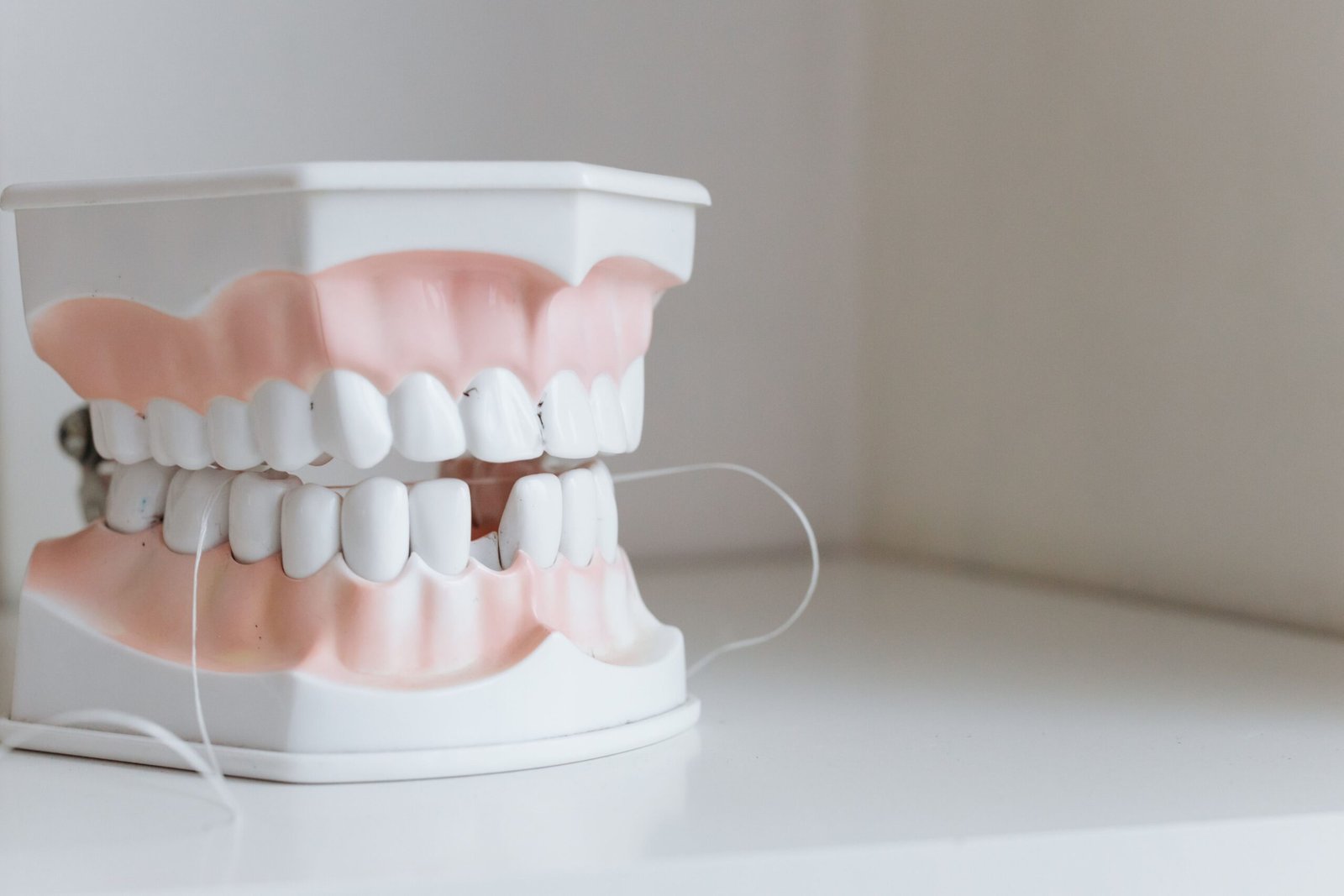
When most people think about improving their oral health, their attention immediately goes to their teeth. They think about keeping their teeth white, preventing cavities, or making their smile look better. I used to think about oral health in much the same way. Over time, however, I came to appreciate that healthy teeth depend heavily on something that receives far less attention: healthy gums.
Your gums form the foundation around your teeth, and when that foundation becomes inflamed or unhealthy, simply having clean-looking teeth is not enough. Gum problems can begin quietly. A small amount of bleeding while brushing, tenderness around a particular tooth, or gums that look slightly redder than usual can be easy to dismiss. Yet these signs may indicate inflammation that deserves attention.
The encouraging part is that many of the everyday habits that support healthier gums are straightforward. Improving gum health usually does not require an elaborate collection of expensive products. What matters most is consistently removing plaque, cleaning areas that a toothbrush cannot reach, avoiding habits that damage gum tissue, and getting professional dental care when necessary.
In this guide, I want to explain how to improve gum health in a practical way. I will cover the habits I consider most important, the mistakes I would avoid, what bleeding gums may be telling you, how nutrition and lifestyle can influence your mouth, and when home care is no longer enough.
My goal is not to promise that every gum problem can be fixed at home. It cannot. Instead, I want to help you build the kind of daily routine that gives your gums the best possible environment to stay healthy while also recognizing when it is time to see a dentist or periodontist.
Why Gum Health Deserves More Attention
Healthy gums usually fit snugly around the teeth and should not regularly bleed during normal brushing or interdental cleaning. When gums become irritated by plaque accumulation, however, inflammation can develop.
Dental plaque is a sticky bacterial film that continually forms on the teeth. If it is not removed effectively, it can contribute to both tooth decay and gum disease. The National Institute of Dental and Craniofacial Research recommends regular plaque removal through brushing and cleaning between the teeth as part of maintaining healthy teeth and gums.
One of the earliest stages of gum disease is gingivitis. Typical signs can include red, swollen, tender, or easily bleeding gums. The important distinction is that gingivitis does not involve the bone destruction associated with more advanced periodontal disease, and it can often be reversed when plaque is controlled and appropriate professional treatment is provided.
The situation becomes more serious when gum disease progresses to periodontitis. Periodontitis affects the tissues supporting the teeth and may ultimately cause loss of supporting bone, loose teeth, and tooth loss if it is not adequately treated.
This is why I would never treat persistent gum bleeding as merely a cosmetic inconvenience. The earlier gum inflammation is addressed, the more opportunity there is to prevent a relatively manageable problem from becoming something much more complicated.
How to Improve Gum Health: Start With Plaque Control
If I had to reduce gum care to one fundamental principle, it would be this: control plaque consistently.
Plaque develops every day, so gum health is not something I can maintain through occasional bursts of enthusiastic cleaning. Brushing extremely well once and then neglecting my mouth for the next day or two does not create the same result as a reliable routine.
The American Dental Association recommends brushing twice a day with fluoride toothpaste, while interdental cleaning helps reach areas between teeth where a conventional toothbrush may not clean adequately.
I think of gum care less as an occasional treatment and more as routine maintenance. The objective is not to scrub the gums aggressively. It is to disrupt plaque gently and thoroughly before it remains in place long enough to create ongoing irritation.
That difference matters because people sometimes respond to bleeding gums by brushing harder. In my view, that is usually the wrong lesson to take from the situation. Better cleaning does not automatically mean more force. Technique, coverage, consistency, and cleaning between the teeth matter far more.
1. Brush Twice a Day, but Pay Attention to Technique
Brushing twice a day sounds almost too obvious to mention, but knowing that we should brush and actually brushing effectively are two different things.
The ADA recommends brushing for approximately two minutes twice daily with fluoride toothpaste. I like the two-minute guideline because it encourages me to slow down instead of racing through brushing simply to say that I did it.
When I brush, I pay particular attention to the area where my teeth meet my gums. Plaque frequently accumulates around this margin, which makes careful cleaning important.
I prefer a soft-bristled toothbrush rather than treating brushing as though I am trying to polish a piece of furniture. Excessive pressure does not make the teeth twice as clean. Gentle, controlled movements allow me to clean carefully without unnecessarily traumatizing the gums.
An electric toothbrush can also be useful, particularly for people who struggle with technique or consistency. However, I would not consider an electric brush mandatory for good gum health. A manual toothbrush can be effective when it is used properly and consistently.
The bigger lesson is that I would choose a toothbrush that I can comfortably control and then focus on reaching every area of my mouth.
I divide my mouth mentally into sections so that I do not spend most of my brushing time on the easily visible front teeth while rushing through the molars. I clean the outer, inner, and chewing surfaces and give deliberate attention to the gumline.
Two minutes can feel surprisingly long when I first start paying attention to the clock, but that is exactly why timing can help.
2. Clean Between Your Teeth Every Day
If someone asked me which gum-care habit is most commonly neglected, cleaning between the teeth would be near the top of my list.
A toothbrush simply cannot reach every surface efficiently. Plaque can collect between neighboring teeth, precisely where gum inflammation often becomes noticeable.
The ADA explains that interdental cleaners help remove plaque and debris between the teeth and can reduce the likelihood of gum disease and tooth decay. NIDCR similarly recommends regular flossing or another appropriate interdental-cleaning device as part of keeping the teeth and gums healthy.
Traditional dental floss works well for many people, but it is not the only option.
Depending on tooth spacing, dexterity, dental work, and personal preference, interdental brushes, floss holders, picks designed for interdental cleaning, or water flossers may sometimes be useful alternatives. NIDCR specifically notes that interdental brushes, picks, and professionally recommended water flossers may be used for cleaning between teeth.
What I consider most important is finding a method that I will actually use consistently.
If ordinary string floss is uncomfortable or difficult to manipulate, I would rather use an appropriate alternative than abandon interdental cleaning altogether.
With traditional floss, I try not to simply snap the floss down between the teeth and pull it back out. I gently guide it beneath the contact point and curve it around the side of each tooth so that I clean the tooth surface near the gumline.
This requires a little more patience, but I consider it one of the highest-value habits in a good gum-care routine.
3. Do Not Stop Flossing Just Because Your Gums Bleed
One mistake I frequently see discussed is stopping interdental cleaning the moment the gums bleed.
I understand why. Seeing blood makes it feel as though flossing has injured the gums. Sometimes poor technique really can cause trauma, particularly if floss is repeatedly snapped forcefully into the tissue. However, bleeding can also be a sign of gingival inflammation.
The CDC lists easily bleeding gums among the signs associated with gingivitis.
That means persistent bleeding deserves attention rather than avoidance.
If I had not flossed regularly and noticed some bleeding when restarting, I would focus on being gentle and consistent rather than becoming aggressive. At the same time, I would not assume that every case of bleeding gums will disappear simply through home care.
If bleeding is frequent, heavy, worsening, localized to one area, accompanied by swelling or pain, or continues despite good oral hygiene, I would arrange a dental examination.
There may be tartar below the gumline or another problem that brushing and flossing cannot resolve.
4. Understand the Difference Between Plaque and Tartar
This distinction changed the way I think about home gum care.
Plaque is the soft bacterial film that I can work to remove through normal brushing and interdental cleaning. When deposits harden into calculus, commonly called tartar, however, the situation is different.
Home brushing is not a substitute for professional removal of hardened deposits.
This is one reason I would not assume that upgrading to an expensive toothbrush can solve every gum problem. If substantial calculus has accumulated around or below the gumline, professional dental cleaning may be required.
For gingivitis and periodontal problems, professional treatment can involve removing plaque, tartar, and bacterial deposits. Depending on the condition, this can include scaling and root planing, which removes deposits around and below the gums and smooths root surfaces.
Home care is extremely important, but it works best as part of an appropriate professional-care plan rather than as a replacement for dentistry.
5. Use Mouthwash as an Addition, Not a Shortcut
Mouthwash is one of those products that can create a misleading sense of cleanliness.
The mouth feels fresher afterward, which makes it easy to assume that rinsing has accomplished everything brushing and flossing would have done.
It has not.
The ADA specifically explains that mouthrinse should not be considered a substitute for optimal brushing and flossing, although certain rinses may provide additional benefits depending on their formulation and purpose.
That is exactly how I approach mouthwash: as a supporting product rather than the foundation of my routine.
Some therapeutic rinses are designed to help control plaque or gingivitis, while others are intended primarily for breath freshness or cavity prevention. I pay attention to what the product is actually formulated to do rather than assuming that every bottle labeled “mouthwash” offers the same benefits.
I also would not automatically use a strong medicated rinse for months simply because stronger sounds better. Certain prescription antimicrobial products are meant to be used according to professional instructions.
For someone with active gum disease, I would ask a dentist whether a particular mouthrinse makes sense rather than trying to build a treatment plan from product marketing.
6. Stop Treating Bleeding Gums as Normal
I think this deserves its own section because people can become surprisingly accustomed to seeing blood in the sink.
If my gums bleed once because I accidentally injured them while eating or flossing, that is different from gums that repeatedly bleed during routine brushing.
Redness, swelling, tenderness, and easy bleeding are among the potential signs of gum inflammation.
Other symptoms that would make me pay attention include persistent bad breath, gum recession, increased sensitivity around exposed roots, changes in how my teeth fit together, spaces developing between teeth, pus around the gums, or teeth feeling loose.
I would not try to diagnose the stage of gum disease from appearance alone. Gum disease can sometimes progress without dramatic pain, which is why dental examinations matter even when the mouth feels relatively normal.
7. Get Professional Dental Cleanings at the Right Interval
I am cautious about telling everyone that they need exactly the same cleaning schedule because dental needs differ considerably from one person to another.
Someone with excellent oral health and low risk may require a different follow-up schedule than a person with existing periodontal disease, significant tartar formation, diabetes, smoking history, implants, orthodontic appliances, or previous gum treatment.
NIDCR recommends routine dental visits for checkups and professional cleaning as part of maintaining healthy gums and teeth.
If a dentist or periodontist recommends periodontal maintenance more frequently than an ordinary preventive cleaning schedule, I would take that seriously.
Once periodontal pockets and bone loss are present, keeping the condition stable can require more intensive professional maintenance than simply improving brushing at home.
8. If You Smoke, Gum Health Is Another Powerful Reason to Quit
Few lifestyle changes have as much potential relevance to periodontal health as eliminating tobacco.
The CDC identifies smoking as an important cause of severe gum disease and explains that periodontal disease can affect the gum and supporting bone around teeth.
For that reason, I would consider smoking cessation part of a gum-health strategy rather than treating it as a completely separate health issue.
Smoking can also complicate the way gum disease presents and responds to treatment.
If I were undergoing periodontal treatment while smoking, I would be open with my dentist rather than hiding the habit. Dental professionals need accurate information when assessing risk and treatment response.
Stopping tobacco use is obviously not as simple as writing “quit smoking” on a checklist. Nicotine dependence can be difficult to overcome, and some people benefit significantly from structured cessation support.
The important point is that when the goal is healthier gums, tobacco exposure cannot be ignored.
9. Pay Extra Attention to Gum Health if You Have Diabetes
Diabetes and periodontal health have an important relationship.
NIDCR notes that people with poorly controlled blood glucose experience gum disease more often and more severely than people whose diabetes is well controlled. The CDC also states that gum disease can be more severe and may take longer to heal in people with diabetes.
If I had diabetes, I would therefore make dental care part of my broader health-management routine rather than viewing dentistry as unrelated to blood sugar control.
That would mean telling my dentist about my diabetes, keeping up with recommended examinations, maintaining careful home hygiene, and working with my healthcare team on appropriate glucose management.
I would also avoid the exaggerated claim that curing gum disease automatically cures diabetes or vice versa. Health relationships are rarely that simple.
What the evidence does support is taking oral health seriously as part of comprehensive health care.
10. Eat in a Way That Supports Overall Oral Health
No single food will magically rebuild unhealthy gums, and I am skeptical whenever I see a particular fruit, spice, vitamin, oil, or homemade mixture advertised as a cure for gum disease.
Nevertheless, nutrition matters.
I try to base my diet around nutrient-dense whole foods, including vegetables, fruit, protein sources, whole grains, nuts, seeds, and other foods that support overall nutritional adequacy.
Vitamin C deserves particular attention because severe deficiency can affect gum health, but that does not mean taking very large vitamin C supplements is a substitute for periodontal treatment.
If I suspect a nutritional deficiency, I would rather address it appropriately with a healthcare professional than assume every case of bleeding gums is caused by inadequate vitamins.
I also limit the constant grazing and frequent sugary drinks that encourage plaque bacteria to thrive throughout the day. While sugar is discussed most often in relation to cavities, reducing repeated exposure to sugary foods and drinks is still a sensible part of maintaining a healthier oral environment.
Water remains my everyday drink of choice.
11. Stay Hydrated and Pay Attention to Dry Mouth
Saliva is easy to take for granted until the mouth becomes chronically dry.
Dry mouth can result from medications, certain medical conditions, dehydration, tobacco use, or other factors. When it becomes persistent, I would discuss it with a dentist or healthcare provider rather than simply sipping water forever without looking for the cause.
NIDCR recommends measures such as drinking water, chewing sugarless gum, and avoiding tobacco and alcohol as potential self-care strategies for dry mouth, alongside good oral hygiene and regular dental care.
If dry mouth is medication-related, I would not stop a prescribed medication on my own. Instead, I would speak with the healthcare professional who prescribed it and discuss practical approaches to reducing oral complications.
12. Clean Your Tongue, but Do Not Expect It to Treat Gum Disease
I clean my tongue because bacteria and debris can accumulate on its surface and contribute to unpleasant breath.
The Mayo Clinic notes that the tongue can trap odor-producing bacteria and that inadequate oral cleaning may contribute to bad breath.
However, tongue cleaning is not a substitute for cleaning around and between the teeth.
I use gentle pressure rather than aggressively scraping until the tongue feels irritated. The purpose is simple hygiene, not trying to sterilize the mouth.
The oral microbiome is complex, and my goal is not to eliminate every bacterium. It is to manage plaque and maintain an environment that supports oral health.
13. Replace Worn-Out Toothbrushes and Keep Them Clean
A toothbrush is a daily-use tool, and I do not expect one brush head to perform forever.
Once the bristles become badly frayed or spread outward, cleaning becomes less predictable. I replace the toothbrush or electric brush head as appropriate rather than continuing to use it simply because it technically still has bristles attached.
I also rinse it after use and allow it to dry rather than keeping it continuously damp inside a sealed container.
More expensive does not always mean dramatically better. I care much more about soft bristles, comfortable handling, proper technique, and regular replacement than flashy packaging.
14. Be Careful With DIY Gum Remedies
The internet is full of home remedies for gum disease.
I have seen recommendations involving hydrogen peroxide mixtures, baking soda, concentrated essential oils, salt, turmeric, clove oil, coconut oil, apple cider vinegar, and combinations of ingredients that sound more like a kitchen experiment than dental care.
Some products or ingredients may have legitimate oral-care applications when formulated and used appropriately. That is very different from assuming that concentrated homemade mixtures are safe for repeated use.
My biggest concern with DIY remedies is not simply that they may fail. It is that they can create false reassurance.
If someone has periodontal disease involving pockets and bone loss, rinsing with a homemade solution will not reverse structural damage or remove calculus buried beneath the gumline.
I would rather spend my energy on evidence-based basics: proper brushing, interdental cleaning, tobacco avoidance, appropriate nutrition, and professional periodontal care.
15. Know When Gum Recession Needs Professional Attention
Gum recession occurs when the gum margin moves away from its previous position and more of the tooth or root becomes exposed.
I would not assume that receding gums are always caused by poor hygiene. Gum recession can have different contributing factors, and the correct response depends on what is happening in the individual mouth.
What I would avoid is aggressively scrubbing the exposed area in an attempt to make it cleaner. Exposed roots may already be sensitive, and excessive brushing force can create additional problems.
In more significant cases, professional periodontal treatment can include soft-tissue grafting to reinforce lost gum tissue or cover exposed roots.
If I noticed my teeth appearing progressively longer, increasing root sensitivity, or visible recession around one or several teeth, I would have the area evaluated.
16. Do Not Ignore Persistent Bad Breath
Bad breath after eating garlic is one thing. Persistent bad breath despite brushing is something else.
Poor oral hygiene and advanced periodontal problems can contribute to ongoing odor.
That does not mean every case of bad breath is caused by gum disease. Dry mouth, certain foods, tobacco, infections, and other conditions can also play a role.
However, if persistent bad breath occurred alongside bleeding gums, swelling, recession, tenderness, or loose teeth, I would consider that a strong reason to schedule a dental examination rather than continually covering the odor with mints.
Fresh breath products can disguise a symptom without addressing its underlying cause.
17. Give Your New Gum-Care Routine Time to Become a Habit
One of the most useful changes I have made in approaching oral hygiene is to stop looking for instant transformation.
If someone has neglected interdental cleaning for months or years, performing a perfect routine for two nights does not erase that history.
Consistency matters.
I like attaching oral hygiene habits to things that already happen automatically. For example, brushing before bed becomes non-negotiable rather than something I do only when I am not tired.
Interdental cleaning also becomes much easier to maintain when I keep the supplies visible and accessible instead of hiding them in the back of a bathroom drawer.
The best routine is usually not the most complicated routine. It is the one that I can perform correctly day after day.
My Simple Daily Routine for Healthier Gums
If I were starting from scratch and wanted to improve my gum health, I would keep the routine straightforward.
In the morning, I would brush carefully for about two minutes with fluoride toothpaste, making sure I reach the gumline and every tooth surface.
During the day, I would drink water regularly, avoid smoking, and try not to spend hours continuously snacking or sipping sugary beverages.
In the evening, I would clean between my teeth using floss or another suitable interdental cleaner and then brush thoroughly again.
If my dentist had recommended a therapeutic mouthrinse or another periodontal product, I would use it according to the instructions rather than improvising the dose or duration.
Most importantly, I would continue attending dental appointments at the interval appropriate for my oral-health condition.
That routine may sound simple, but simple habits performed consistently are often more valuable than complicated regimens performed occasionally.
How Long Does It Take to Improve Gum Health?
This is one of those questions where I would resist giving everyone the same timeline.
Mild gum inflammation may begin improving relatively quickly after effective plaque removal and professional cleaning. Advanced periodontal disease, however, is very different.
Gingivitis can often be reversed, but periodontitis involves destruction of the supporting tissues around the teeth and requires professional management.
That distinction is extremely important.
If my gums were bleeding because of mild plaque-related inflammation, improved hygiene could make a meaningful difference. If I had deep periodontal pockets and bone loss, I would not expect brushing and flossing alone to rebuild the lost support.
The appropriate goal in more advanced disease may involve controlling infection and inflammation, slowing or stopping progression, preserving teeth, and maintaining treatment results.
That is why diagnosis matters.
Signs I Would Never Ignore
There are several situations where I would stop experimenting with home care and contact a dental professional.
Persistent or worsening gum bleeding would be one. Significant swelling, pus, severe pain, rapid recession, gum sores that do not heal, a change in my bite, or teeth beginning to feel loose would also make me seek professional evaluation.
Periodontitis can damage the supporting tissues and bone around teeth and can ultimately lead to tooth loss.
I would also seek prompt care for facial swelling, fever associated with dental symptoms, difficulty swallowing, or symptoms suggesting a spreading dental infection rather than waiting for a routine appointment.
The key point is that home gum care is preventive and supportive. It is not emergency dental treatment.
Common Mistakes That Can Make Gum Care Less Effective
The first mistake I would avoid is brushing aggressively. I want to remove plaque, not punish my gums.
The second is brushing while ignoring the spaces between the teeth. Cleaning only the surfaces a toothbrush reaches leaves important areas untouched.
The third is relying completely on mouthwash. A minty rinse can make the mouth feel clean without mechanically removing plaque from critical surfaces.
The fourth is believing that bleeding gums are automatically normal. Occasional minor trauma happens, but recurring bleeding deserves attention.
Another mistake is assuming that gum disease must hurt. Early or even more advanced periodontal problems may not always produce the kind of pain that forces someone to seek care immediately.
I would also avoid endlessly experimenting with “natural cures” while delaying dental treatment. There is nothing wrong with preferring simple products, but natural does not automatically mean effective or harmless.
Finally, I would never consider professional cleaning a replacement for home care—or home care a replacement for professional treatment. The two work together.
Can Gums Become Healthy Again?
In many cases, gum health can improve substantially, but what improvement means depends on the starting condition.
Gingivitis is generally considered reversible with effective oral hygiene and appropriate professional care.
Periodontitis is more complicated because it can involve permanent loss of the tissues and bone supporting the teeth. Professional treatment can manage the condition and help preserve oral health, but I would not describe advanced periodontal disease as something that can simply be brushed away.
This is why I think early action matters so much.
The best moment to start caring for your gums was before inflammation appeared. The next best moment is now.
Final Thoughts: Improving Gum Health Is About Consistency
When I think about how to improve gum health, I keep coming back to the same conclusion: the fundamentals matter far more than gimmicks.
I would rather brush properly twice every day, clean between my teeth consistently, avoid tobacco, maintain good general health, and attend appropriate dental appointments than own a bathroom cabinet full of products that promise miracle results.
Healthy gums are not simply about avoiding blood when I brush. They are part of the support system that allows me to keep my natural teeth functional and comfortable.
My practical priorities are straightforward: remove plaque thoroughly but gently, clean areas a toothbrush misses, pay attention to changes in the gums, and do not delay professional care when warning signs appear.
If I notice bleeding, swelling, recession, or persistent bad breath, I treat those signs as information rather than something to cover up. And if those symptoms do not resolve, I involve a dental professional.
Good gum health is built through small actions repeated consistently. It may not be the most glamorous part of personal care, but it is one of those routines that can pay off for decades.
References
The following authoritative resources were consulted when preparing this article. I have prioritized government health agencies, established dental organizations, and major medical institutions.
- National Institute of Dental and Craniofacial Research (NIDCR) — “Periodontal (Gum) Disease”
Explains the causes, symptoms, prevention, and management of periodontal disease, including recommendations for brushing, interdental cleaning, dental visits, and smoking cessation.
https://www.nidcr.nih.gov/health-info/gum-disease - National Institute of Dental and Craniofacial Research (NIDCR) — “Oral Hygiene”
Provides guidance on plaque control and maintaining healthy teeth and gums through everyday oral hygiene.
https://www.nidcr.nih.gov/health-info/oral-hygiene - American Dental Association (ADA) — “Home Oral Care”
Covers ADA recommendations and evidence regarding home oral hygiene practices and products.
https://www.ada.org/resources/ada-library/oral-health-topics/home-care - American Dental Association (ADA) — “Dental Floss/Interdental Cleaners”
Discusses flossing and interdental cleaning for removing plaque and debris from areas between teeth.
https://www.ada.org/resources/ada-library/oral-health-topics/floss - American Dental Association (ADA) — “Toothbrushes”
Provides information about toothbrushes and the recommendation to brush twice daily for approximately two minutes using fluoride toothpaste.
https://www.ada.org/resources/ada-library/oral-health-topics/toothbrushes - American Dental Association (ADA) — “Mouthrinse (Mouthwash)”
Explains the role of mouthwash and why therapeutic rinses should complement rather than replace brushing and interdental cleaning.
https://www.ada.org/resources/ada-library/oral-health-topics/mouthrinse-mouthwash - Centers for Disease Control and Prevention (CDC) — “About Periodontal (Gum) Disease”
Provides an overview of periodontal disease, gingivitis, periodontitis, prevention, and risk factors.
https://www.cdc.gov/oral-health/about/gum-periodontal-disease.html - Centers for Disease Control and Prevention (CDC) — “Gum Disease Facts”
Reviews signs of gingivitis and periodontal disease and discusses preventive oral-hygiene practices.
https://www.cdc.gov/oral-health/data-research/facts-stats/fast-facts-gum-disease.html - Centers for Disease Control and Prevention (CDC) — “Smoking, Gum Disease, and Tooth Loss”
Explains the connection between tobacco smoking and periodontal disease.
https://www.cdc.gov/tobacco/campaign/tips/diseases/periodontal-gum-disease.html - National Institute of Dental and Craniofacial Research (NIDCR) — “Diabetes and Oral Health”
Discusses the relationship between blood glucose control, diabetes, and periodontal health.
https://www.nidcr.nih.gov/health-info/diabetes - National Institute of Dental and Craniofacial Research (NIDCR) — “Dry Mouth”
Explains common approaches to managing dry mouth and protecting oral health.
https://www.nidcr.nih.gov/health-info/dry-mouth - Mayo Clinic — “Gingivitis: Symptoms and Causes”
Provides information about the symptoms, causes, and progression of gingivitis.
https://www.mayoclinic.org/diseases-conditions/gingivitis/symptoms-causes/syc-20354453 - Mayo Clinic — “Periodontitis: Symptoms and Causes”
Explains how advanced gum disease can affect gum tissue, supporting bone, and tooth stability.
https://www.mayoclinic.org/diseases-conditions/periodontitis/symptoms-causes/syc-20354473 - Mayo Clinic — “Periodontitis: Diagnosis and Treatment”
Reviews professional treatment approaches for periodontal disease, including deep cleaning and surgical procedures when required.
https://www.mayoclinic.org/diseases-conditions/periodontitis/diagnosis-treatment/drc-20354479
Disclaimer
This article is provided for general educational and informational purposes only and should not be considered dental or medical advice, diagnosis, or treatment. Gum bleeding, swelling, pain, recession, persistent bad breath, loose teeth, or other oral symptoms can have multiple causes, and appropriate treatment depends on an individual examination and diagnosis.
Home oral-hygiene practices can play an important role in preventing and controlling gum inflammation, but they are not a substitute for professional dental treatment when periodontal disease, infection, significant tartar accumulation, or other oral-health problems are present. If you are experiencing persistent gum symptoms or have concerns about your oral health, consult a licensed dentist, dental hygienist, periodontist, or other qualified healthcare professional. Seek prompt professional care for severe pain, significant facial swelling, fever associated with dental symptoms, difficulty swallowing, or other signs of a potentially serious dental infection.