

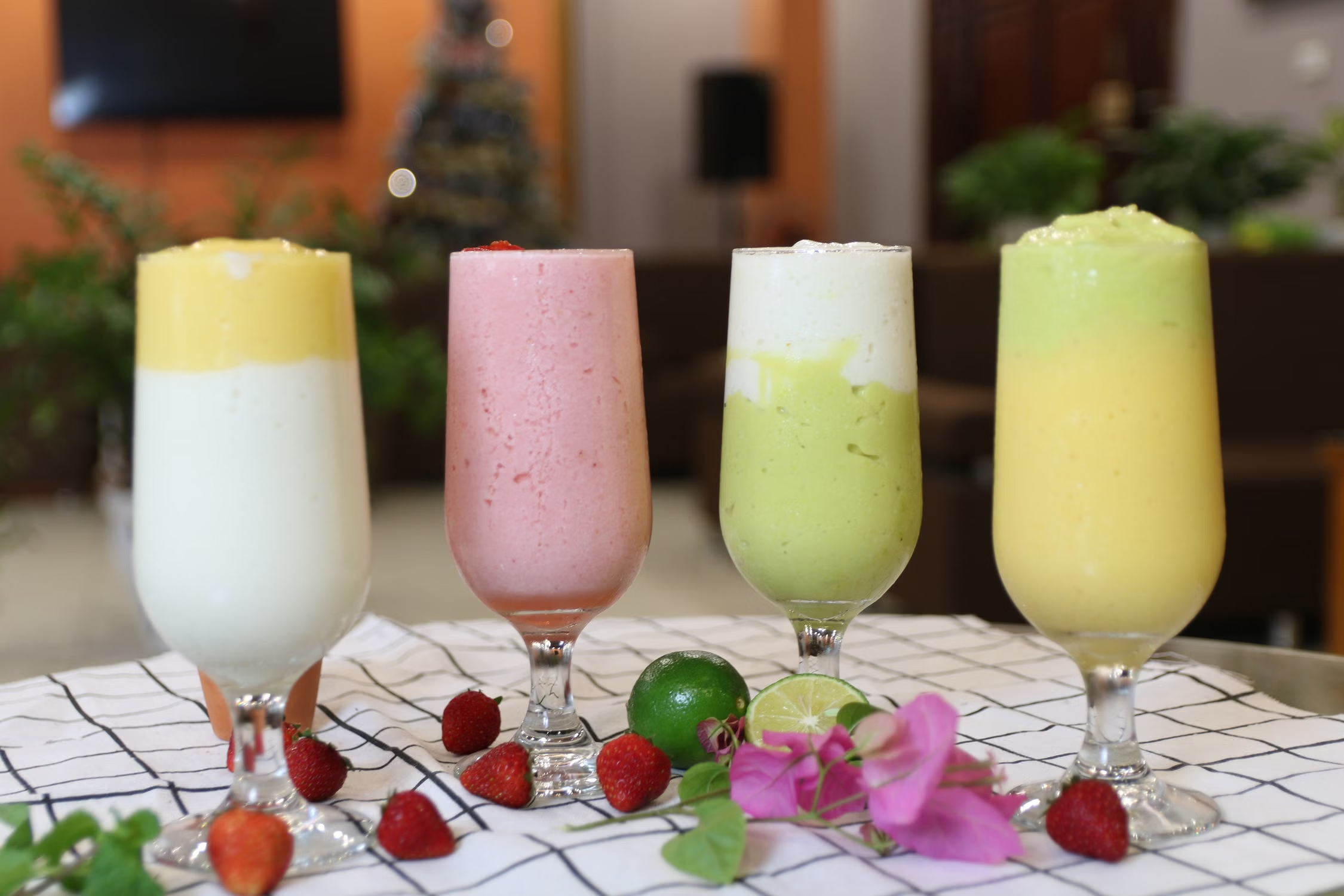
Smoothies are often marketed as an effortless shortcut to weight loss. Blend a few fruits, add something green, drink it on the way to work, and watch the pounds disappear—or so the promise goes.
In reality, a smoothie is not automatically a weight-loss food. Depending on what goes into the blender, it can be a balanced, filling meal or a surprisingly high-calorie dessert served through a straw. Large amounts of fruit juice, sweetened yogurt, flavored protein powder, honey, nut butter, coconut cream, granola, and oversized portions can quickly turn a seemingly healthy drink into a calorie-heavy meal that does not keep you satisfied for very long.
The good news is that thoughtfully prepared smoothies can fit beautifully into a healthy weight-loss plan. A well-designed smoothie can provide fiber, protein, vitamins, minerals, hydration, and enough volume to help you feel comfortably full. It can also make nutritious eating more convenient on rushed mornings, after exercise, or when you need an alternative to processed snacks.
The key is learning how to build smoothies that are balanced rather than merely fruity.
In this guide, I am sharing 15 of my favorite smoothie recipes for weight loss, along with the practical principles that make them more satisfying. These are not “detox” drinks or miracle fat burners. They are realistic recipes made with familiar ingredients that can support a calorie-conscious, nutrient-rich way of eating.
Can Smoothies Really Help With Weight Loss?
Smoothies may support weight loss when they help you control portions, eat more nutritious foods, and replace a less balanced meal or snack. They do not cause weight loss simply because they contain spinach, berries, lemon, ginger, or any other fashionable ingredient.
Weight loss generally occurs when your body consistently uses more energy than you consume. The Centers for Disease Control and Prevention explains that reducing calorie intake, together with physical activity, creates the calorie deficit necessary for weight loss.
That does not mean you need to count every calorie forever. However, it does mean that the total energy content of a smoothie still matters.
For example, a smoothie made with berries, plain Greek yogurt, spinach, chia seeds, and unsweetened milk may provide a useful combination of fiber and protein. By contrast, a very large smoothie containing fruit juice, two bananas, sweetened yogurt, honey, peanut butter, and granola may contain as much energy as a full meal—or more.
Smoothies are most helpful when they are used intentionally. They might replace a rushed breakfast that would otherwise consist of a pastry, serve as a balanced afternoon snack, or help you include more vegetables and fruit in your diet.
Harvard’s Nutrition Source notes that smoothies made from whole fruits and vegetables, without extra sweeteners and in appropriate portions, may help some people increase their intake of these foods. It also recommends preparing smoothies at home so that you can control the ingredients, nutrients, and calorie content.
The Formula for a Weight-Loss-Friendly Smoothie
Before getting to the recipes, it helps to understand what separates a satisfying smoothie from one that leaves you hungry an hour later.
A balanced smoothie generally includes five components:
1. A Controlled Portion of Fruit
Fruit provides natural sweetness, fiber, vitamins, minerals, and a pleasant texture. However, using several large servings at once can make a smoothie much more calorie-dense than expected.
For most single-serving smoothies, approximately one cup of fruit is a sensible starting point. You can use one fruit or a combination, such as half a banana with half a cup of berries.
Frozen fruit is especially useful because it creates a thicker, colder smoothie without requiring large amounts of ice.
Berries are among my favorite options because they deliver strong flavor and fiber without needing a huge portion. Apples, pears, peaches, cherries, kiwi, mango, pineapple, and bananas can also work well. The idea is not to fear fruit but to use it thoughtfully.
2. A Source of Protein
A fruit-only smoothie may taste refreshing, but it often does not have enough staying power to function as a complete breakfast.
Protein can make a smoothie more substantial and may help you remain satisfied between meals. Harvard’s Nutrition Source emphasizes the importance of choosing healthy protein sources, while research discussed in its snacking guidance suggests that foods containing protein and fiber tend to be more satisfying than less balanced snack choices.
Smoothie-friendly protein sources include:
- Plain Greek yogurt
- Skyr
- Cottage cheese
- Unsweetened soy milk
- Silken tofu
- Kefir
- Plain protein powder
- Pasteurized liquid egg whites, when suitable for blending
- A modest amount of nuts or seeds
Protein powder is optional. It can be convenient, but you do not need it to make a healthy smoothie.
3. A Fiber-Rich Ingredient
Fiber adds bulk to the diet and may improve how satisfying a meal feels. Fruits, vegetables, oats, chia seeds, flaxseed, beans, and avocado can all contribute fiber.
The CDC notes that the water and fiber in fruits and vegetables add volume to meals, which can help people feel full while consuming fewer calories.
Good smoothie additions include:
- One tablespoon of chia seeds
- One tablespoon of ground flaxseed
- Two to four tablespoons of rolled oats
- Leafy greens
- Frozen cauliflower
- Pumpkin puree
- Berries
- Pears or apples with the skin
- A small amount of avocado
Seeds and nut butters are nutritious but energy-dense, so more is not necessarily better. A measured tablespoon is usually enough.
4. A Low-Sugar Liquid
The liquid determines both texture and calorie content.
Useful options include:
- Water
- Unsweetened almond milk
- Unsweetened soy milk
- Unsweetened oat milk
- Low-fat dairy milk
- Cold green tea
- Cold coffee
- Coconut water in a controlled portion
- Plain kefir diluted with water
Fruit juice is not forbidden, but it is easy to pour several servings into one smoothie. Juice also lacks much of the fiber present in whole fruit. In most recipes, water or unsweetened milk is a more filling foundation.
5. Flavor Without Excessive Added Sugar
A smoothie should taste enjoyable. Fortunately, you can create plenty of flavor without repeatedly adding honey, maple syrup, syrups, or sweetened yogurt.
Try using:
- Cinnamon
- Vanilla extract
- Unsweetened cocoa powder
- Fresh ginger
- Lemon or lime juice
- Mint
- Nutmeg
- Cardamom
- Instant coffee
- A small pinch of salt
- Ripe frozen fruit
When your palate adjusts to less sweetness, the natural flavors of fruit become much more noticeable.
15 Best Smoothie Recipes for Weight Loss
Each recipe below makes approximately one serving. Nutritional content will vary according to the brands, quantities, and substitutions you use.
For the smoothest texture, add liquid to the blender first, followed by yogurt or other soft ingredients, greens and powders, and finally frozen fruit and ice.
1. Berry Chia Breakfast Smoothie
This is the smoothie I recommend to people who want something simple, familiar, and reliable. Berries provide vibrant flavor, Greek yogurt adds creaminess and protein, and chia seeds thicken the drink as they absorb liquid.
Ingredients
- 1 cup frozen mixed berries
- ¾ cup plain Greek yogurt
- ½ cup unsweetened almond milk or dairy milk
- 1 tablespoon chia seeds
- ½ teaspoon vanilla extract
- A small pinch of cinnamon
- Ice, if needed
Directions
Add all ingredients to a blender and blend until smooth. Let the smoothie rest for two or three minutes if you prefer a thicker consistency, as the chia seeds will continue absorbing liquid.
Why It Works
This recipe combines fruit with protein and fiber rather than relying on fruit alone. It is thick enough to feel like breakfast and naturally sweet enough that most people will not need honey or syrup.
For an even more substantial breakfast, add two tablespoons of rolled oats. For a lighter snack, reduce the yogurt to half a cup.
2. Green Apple Pie Smoothie
Many green smoothies taste like blended salad. This one does not. Apple, cinnamon, vanilla, and oats give it a comforting flavor that feels closer to apple pie than vegetable juice.
Ingredients
- 1 small apple, cored and chopped
- 1 packed cup baby spinach
- ½ cup plain Greek yogurt
- ½ cup unsweetened milk
- 2 tablespoons rolled oats
- ½ teaspoon cinnamon
- ¼ teaspoon vanilla extract
- ½ cup ice
Directions
Blend the milk, yogurt, spinach, oats, cinnamon, and vanilla first. Add the chopped apple and ice, then blend again until completely smooth.
Why It Works
The apple provides sweetness and texture, while spinach adds volume without overpowering the flavor. Oats and yogurt help make the smoothie more filling than a basic apple-and-spinach drink.
Leave the skin on the apple after washing it well. The peel adds texture, color, and additional fiber.
3. Chocolate Peanut Butter Banana Smoothie
Chocolate and peanut butter may not sound like traditional weight-loss ingredients, but a controlled portion can create an incredibly satisfying smoothie. The problem is rarely the ingredients themselves—it is the amount used.
Ingredients
- ½ frozen banana
- ¾ cup unsweetened soy milk or low-fat dairy milk
- ½ cup plain Greek yogurt
- 1 tablespoon natural peanut butter
- 1 tablespoon unsweetened cocoa powder
- ½ teaspoon vanilla extract
- Ice as needed
Directions
Blend all ingredients until smooth and creamy. Add a little more milk if the mixture becomes too thick.
Why It Works
This smoothie satisfies the desire for something chocolatey while still providing protein and structure. Using half a banana and one measured tablespoon of peanut butter keeps the recipe more balanced than versions containing multiple bananas and several spoonfuls of nut butter.
Choose unsweetened cocoa powder rather than a sweetened chocolate drink mix.
4. Pineapple Cucumber Ginger Cooler
This refreshing smoothie works particularly well on hot days or after a walk. It is lighter than a yogurt-based breakfast smoothie, so I prefer it as a snack rather than a complete meal.
Ingredients
- ¾ cup frozen pineapple
- ½ cup chopped cucumber
- ½ cup cold water
- ¼ cup plain Greek yogurt
- 1 teaspoon fresh grated ginger
- 1 tablespoon lime juice
- A few fresh mint leaves
- Ice as needed
Directions
Blend everything until smooth. Taste and add more lime or ginger if you enjoy a sharper flavor.
Why It Works
Cucumber and water create volume, while pineapple provides enough sweetness to balance the ginger and lime. A small amount of Greek yogurt adds body and protein without making the drink heavy.
Despite popular claims, ginger and pineapple do not “melt” body fat. Their real value here is flavor, which makes a lower-calorie drink enjoyable enough to prepare repeatedly.
5. Strawberry Cheesecake Smoothie
This recipe gets its cheesecake-like texture from cottage cheese. Once blended thoroughly, cottage cheese becomes surprisingly smooth and provides a creamy base without requiring cream cheese or ice cream.
Ingredients
- 1 cup frozen strawberries
- ½ cup low-fat cottage cheese
- ½ cup unsweetened milk
- 1 tablespoon rolled oats
- ½ teaspoon vanilla extract
- 1 teaspoon lemon juice
- Optional: a pinch of lemon zest
Directions
Blend the cottage cheese and milk first until completely smooth. Add the remaining ingredients and blend again.
Why It Works
Strawberries and vanilla create a naturally dessert-like flavor, while cottage cheese contributes protein and creaminess. The lemon juice gives the smoothie the mild tang associated with cheesecake.
Check the cottage cheese label if you are watching sodium, as sodium levels differ considerably among brands.
6. Blueberry Oat Morning Smoothie
This smoothie is designed for mornings when you need something quick but do not want to feel hungry again before lunch.
Ingredients
- ¾ cup frozen blueberries
- ½ small frozen banana
- ½ cup plain Greek yogurt
- ½ cup unsweetened milk
- ¼ cup rolled oats
- ½ teaspoon cinnamon
- ½ teaspoon vanilla extract
Directions
Blend until smooth. Let it sit for several minutes before drinking if you want the oats to soften further.
Why It Works
Oats give the smoothie more body and turn it into a more complete breakfast. Blueberries provide most of the flavor, while half a banana supplies sweetness and a creamy texture without dominating the recipe.
If your blender struggles with raw oats, grind the oats into a powder before adding the other ingredients.
7. Creamy Mango Carrot Smoothie
Carrots have a mild natural sweetness that pairs beautifully with mango. This is a good recipe for anyone who wants to include vegetables but is not enthusiastic about leafy green smoothies.
Ingredients
- ¾ cup frozen mango
- ½ cup grated raw carrot or cooled steamed carrot
- ½ cup plain Greek yogurt
- ½ cup unsweetened milk
- ¼ teaspoon ground ginger
- A pinch of cinnamon
- 1 teaspoon lime juice
- Ice as needed
Directions
If your blender is not very powerful, use lightly steamed and cooled carrot for a smoother texture. Blend all ingredients until creamy.
Why It Works
Mango provides enough flavor to make the carrot almost disappear. Yogurt adds protein, while ginger and lime keep the smoothie from tasting overly sweet.
Frozen mango can be fairly calorie-dense compared with watery fruits, so measure the portion instead of pouring freely from the bag.
8. Coffee Protein Breakfast Smoothie
This is a practical option for people who enjoy iced coffee but also need a real breakfast. It combines coffee with yogurt, milk, and fruit to create something more nourishing than a sweetened café drink.
Ingredients
- ½ cup chilled brewed coffee
- ½ cup unsweetened milk
- ½ frozen banana
- ½ cup plain Greek yogurt
- 1 tablespoon ground flaxseed
- ½ teaspoon vanilla extract
- A pinch of cinnamon
- Ice
Directions
Blend all ingredients until smooth. Use decaffeinated coffee if you are sensitive to caffeine or drinking it later in the day.
Why It Works
The banana softens the bitterness of the coffee, while yogurt adds creaminess and protein. Flaxseed contributes texture and fiber.
Avoid adding flavored coffee creamer, caramel sauce, and sweetened syrups, which can quickly change the nutritional profile of the drink.
9. Peach Cobbler Smoothie
This is a warm-spiced smoothie with a naturally comforting flavor. It works with either fresh ripe peaches or frozen peach slices.
Ingredients
- 1 cup frozen peach slices
- ½ cup plain Greek yogurt
- ½ cup unsweetened milk
- 2 tablespoons rolled oats
- ½ teaspoon cinnamon
- A pinch of nutmeg
- ½ teaspoon vanilla extract
Directions
Blend all ingredients until smooth. Add a few ice cubes if you are using fresh rather than frozen peaches.
Why It Works
The combination of peach, cinnamon, oats, and vanilla creates a cobbler-inspired flavor without brown sugar, butter, or pastry. Yogurt and oats give the drink enough structure to serve as a light breakfast.
For extra sweetness, use a very ripe peach before considering added sugar.
10. Chocolate Cherry Smoothie
Cherries and cocoa create a deep, rich flavor that makes this smoothie feel more indulgent than it is.
Ingredients
- ¾ cup frozen pitted cherries
- ¾ cup unsweetened soy milk or low-fat dairy milk
- ½ cup plain Greek yogurt
- 1 tablespoon unsweetened cocoa powder
- 1 tablespoon chia seeds
- ¼ teaspoon vanilla extract
- Ice as needed
Directions
Blend all ingredients until smooth. Allow the smoothie to stand briefly if you want the chia seeds to thicken it.
Why It Works
The tartness of the cherries balances the cocoa, reducing the need for extra sweetener. Yogurt and chia seeds make the drink substantially more satisfying than a basic cherry juice blend.
Make sure you use pitted cherries. It sounds obvious, but frozen cherry bags should still be checked before blending.
11. Pear, Spinach, and Vanilla Smoothie
Ripe pear is one of the best fruits for hiding the taste of spinach. It creates a mellow smoothie that is sweet without tasting tropical or sharply acidic.
Ingredients
- 1 ripe pear, cored and chopped
- 1 cup baby spinach
- ½ cup plain Greek yogurt
- ½ cup cold water or unsweetened milk
- 1 tablespoon ground flaxseed
- ½ teaspoon vanilla extract
- A pinch of cinnamon
- Ice
Directions
Blend the liquid and spinach first. Add the remaining ingredients and continue blending until smooth.
Why It Works
Pear contributes fiber and natural sweetness, spinach increases the vegetable content, and yogurt prevents the drink from becoming little more than fruit puree.
A ripe pear makes a major difference. An underripe pear will produce a less sweet, grainier smoothie.
12. Pumpkin Spice Breakfast Smoothie
Pumpkin is not just for autumn. Unsweetened pumpkin puree gives smoothies a thick texture and pairs well with warm spices.
Ingredients
- ½ cup plain pumpkin puree
- ½ frozen banana
- ¾ cup unsweetened milk
- ½ cup plain Greek yogurt
- 2 tablespoons rolled oats
- ½ teaspoon cinnamon
- A pinch each of nutmeg and ginger
- ½ teaspoon vanilla extract
- Ice as needed
Directions
Blend all ingredients until smooth and creamy.
Why It Works
Pumpkin creates volume and texture without requiring a large amount of fruit. Oats and yogurt make it suitable for breakfast, while banana provides enough sweetness to balance the earthy pumpkin.
Use plain pumpkin puree, not canned pumpkin pie filling, which usually contains added sugar and spices.
13. Kiwi Lime Green Smoothie
This bright green smoothie is fresh, tangy, and especially good when you are tired of berry- and banana-based recipes.
Ingredients
- 2 peeled kiwi fruits
- 1 cup baby spinach
- ½ cup plain Greek yogurt
- ½ cup cold water
- 1 tablespoon chia seeds
- 1 tablespoon lime juice
- A few mint leaves
- Ice
Directions
Blend the water and spinach first, then add the remaining ingredients and blend until smooth.
Why It Works
Kiwi provides a distinctive sweet-tart flavor, while lime and mint make the smoothie taste crisp rather than grassy. Greek yogurt and chia seeds add more substance.
Because kiwi and lime are acidic, people with reflux or sensitive stomachs may prefer a milder recipe.
14. Raspberry Avocado Smoothie
Avocado gives smoothies a luxurious texture, but it is also energy-dense. A small amount is enough to achieve the desired creaminess.
Ingredients
- 1 cup frozen raspberries
- ¼ small avocado
- ½ cup plain Greek yogurt
- ½ cup unsweetened milk
- ½ cup cold water
- ½ teaspoon vanilla extract
- Optional: a small squeeze of lemon
Directions
Blend until completely smooth. Add more water if needed.
Why It Works
Raspberries are naturally tart and fiber-rich, while avocado softens their sharpness and creates a creamy texture. Yogurt adds protein, making this more balanced than a fruit-and-avocado blend.
Measure the avocado rather than adding an entire fruit. Healthy fats still contribute calories, and a quarter of an avocado is generally enough for one smoothie.
15. Vanilla Cinnamon Cauliflower Smoothie
Frozen cauliflower may sound like a strange smoothie ingredient, but its flavor is mild. It adds thickness and volume without making the drink taste strongly of vegetables.
Ingredients
- 1 cup frozen cauliflower florets
- ½ frozen banana
- ¾ cup unsweetened milk
- ½ cup plain Greek yogurt
- 1 tablespoon almond butter
- ½ teaspoon cinnamon
- ½ teaspoon vanilla extract
Directions
Blend thoroughly until no cauliflower pieces remain. A high-powered blender will produce the best texture.
Why It Works
Frozen cauliflower replaces some of the fruit typically used for thickness. Banana, cinnamon, vanilla, and almond butter cover the vegetable flavor, while yogurt contributes protein.
Start with half a cup of cauliflower if you are unsure about the taste, then increase the amount once you know you enjoy it.
How to Turn a Smoothie Into a Complete Meal
One common mistake is treating every smoothie as a full breakfast regardless of what it contains.
A drink made from cucumber, pineapple, water, and mint may be refreshing, but it probably will not provide enough protein or energy to replace a complete meal. On the other hand, a smoothie containing Greek yogurt, oats, fruit, seeds, and milk may function well as breakfast for many people.
For a meal-style smoothie, aim to include:
- A meaningful protein source
- At least one fiber-rich ingredient
- A controlled portion of fruit
- Vegetables when practical
- Enough volume to be satisfying
- A total portion that fits your individual energy needs
For a snack smoothie, use a smaller portion. You might combine half a cup of fruit, half a cup of yogurt, water, and ice rather than preparing a large blender full.
Your needs will vary according to your body size, activity level, age, health, appetite, and overall diet. Someone completing a long workout may need a more substantial smoothie than someone who has been sitting at a desk all morning.
Common Smoothie Mistakes That Can Slow Your Progress
Using Fruit Juice as the Main Liquid
Fruit juice adds sweetness, but it also makes it easy to consume a large amount of fruit-derived sugar without the same fiber and chewing experience provided by whole fruit.
Use whole fruit for flavor and water or unsweetened milk for most of the liquid. If you enjoy juice, use a small measured amount rather than filling half the blender.
Adding Too Many “Healthy” Extras
Nut butter, chia seeds, flaxseed, avocado, coconut, oats, dates, granola, and protein powder can all be useful. Adding all of them to the same smoothie, however, may produce a much more calorie-dense drink than intended.
Choose one or two extras that serve a clear purpose.
Making Enormous Portions
A smoothie can be easy to drink quickly, particularly when served in a large bottle. What begins as a single recipe may become two or three servings blended into one container.
Prepare one measured serving and drink it slowly.
Assuming Green Means Low-Calorie
Spinach does not cancel out the calories in sweetened yogurt, fruit juice, honey, nut butter, coconut cream, or an oversized fruit portion.
Evaluate the entire recipe, not just its color.
Forgetting Protein
A smoothie made only from fruit and liquid may digest quickly and leave you wanting another snack soon afterward. Protein from Greek yogurt, soy milk, cottage cheese, tofu, kefir, or another suitable ingredient can make it more substantial.
Drinking Smoothies in Addition to Normal Meals
A smoothie may support weight loss when it replaces a less balanced meal or snack. Adding a large smoothie on top of your usual breakfast can increase your daily intake instead.
Decide what role the smoothie is meant to play before making it.
Believing in “Fat-Burning” Ingredients
No combination of lemon, ginger, cayenne, apple cider vinegar, pineapple, celery, or green tea can override your overall eating pattern.
Some of these ingredients can add flavor and may be part of a nutritious diet, but they do not selectively burn abdominal fat or detoxify the body.
Should You Drink Smoothies Every Day?
You can drink smoothies regularly, but they should not be your only way of eating fruits and vegetables.
Whole foods require chewing and may feel more satisfying than drinking the same ingredients. Harvard advises that smoothies should not completely replace whole fruits and vegetables.
Variety also matters. A healthy eating pattern can include salads, soups, roasted vegetables, whole fruit, beans, whole grains, eggs, fish, lean meats, nuts, seeds, dairy products, and other minimally processed foods—not just blended meals.
I personally view smoothies as a convenience tool. They are helpful when mornings are busy, when fresh produce needs to be used, or when I want a cold, nutritious snack. I would not want every meal to come from a blender, and there is no weight-loss advantage to doing so.
Meal-Prep Tips for Faster Smoothies
Smoothies are already quick, but a little preparation makes them almost effortless.
Prepare Freezer Packs
Place the fruit, vegetables, oats, and spices for each smoothie into individual freezer bags or reusable containers. In the morning, empty one pack into the blender and add your liquid and protein source.
Avoid freezing ingredients that do not thaw or blend well in your particular blender.
Freeze Ripe Bananas in Portions
Peel ripe bananas, cut them into halves or slices, and freeze them on a tray before transferring them to a sealed container. Freezing pieces separately prevents them from becoming one solid block.
Keep Neutral Vegetables Available
Frozen spinach, cauliflower, zucchini, and cooked pumpkin can be added to many recipes without strongly changing the flavor.
Measure Calorie-Dense Ingredients in Advance
Portion chia seeds, flaxseed, nut butter, nuts, and oats rather than estimating them directly over the blender.
A tablespoon can easily become three tablespoons when poured without measuring.
Make Smoothies Fresh When Possible
Smoothies generally taste and feel best shortly after blending. They can sometimes be refrigerated in a tightly sealed container, but separation and texture changes are normal.
Shake or stir before drinking, and follow safe storage practices for dairy and other perishable ingredients.
How to Customize These Recipes
The recipes in this article are starting points. You can adapt them according to allergies, dietary preferences, ingredient availability, and personal taste.
For a Dairy-Free Smoothie
Use unsweetened soy yogurt, a suitable plant-based protein powder, or silken tofu instead of Greek yogurt. Unsweetened soy milk usually contributes more protein than many almond or coconut beverages, although nutrition varies by brand.
For a Nut-Free Smoothie
Use dairy milk, soy milk, oat milk, or water instead of almond milk. Replace nut butter with sunflower seed butter, pumpkin seeds, chia seeds, or simply omit it.
Always verify ingredient labels if you have a serious allergy.
For More Protein
Increase the Greek yogurt, use soy milk, add cottage cheese, blend in silken tofu, or use a plain protein powder that fits your dietary needs.
More protein is not automatically better, so consider your overall daily intake.
For More Fiber
Add chia seeds, ground flaxseed, oats, berries, pear, apple, leafy greens, or a small portion of beans. Increase fiber gradually and drink adequate fluids, especially if your normal diet is relatively low in fiber.
The NHS notes that many adults do not consume the recommended amount of fiber and advises increasing fiber as part of a balanced diet.
For a Thicker Smoothie
Use frozen fruit, frozen vegetables, chia seeds, oats, Greek yogurt, or less liquid.
For a Thinner Smoothie
Add water or unsweetened milk a few tablespoons at a time.
For More Sweetness
First try riper fruit, vanilla, cinnamon, or a small amount of banana. If the smoothie still needs sweetening, add a modest amount rather than pouring freely.
A Simple Seven-Day Smoothie Plan
You do not need to drink a smoothie every day, but a loose plan can prevent decision fatigue.
Monday: Berry Chia Breakfast Smoothie
Tuesday: Green Apple Pie Smoothie
Wednesday: Coffee Protein Breakfast Smoothie
Thursday: Peach Cobbler Smoothie
Friday: Chocolate Peanut Butter Banana Smoothie
Saturday: Pineapple Cucumber Ginger Cooler as a snack
Sunday: Pumpkin Spice Breakfast Smoothie
Pair meal-style smoothies with an eating pattern that includes balanced lunches and dinners. A smoothie cannot compensate for an otherwise unsustainable diet, just as one less nutritious meal cannot ruin an otherwise healthy week.
Who Should Be Careful With Weight-Loss Smoothies?
Smoothies made from ordinary foods are suitable for many people, but individual circumstances matter.
People with diabetes or blood-sugar concerns may need to pay particular attention to fruit portions, sweeteners, juice, and total carbohydrate content. Pairing carbohydrate-containing foods with protein, fiber, and healthy fat may produce a more balanced meal, but personalized guidance from a qualified healthcare professional is important.
People with kidney disease may need to control potassium, phosphorus, protein, or fluid intake. Several common smoothie ingredients—including bananas, dairy products, certain protein powders, and leafy greens—may not fit every renal diet.
Those with food allergies should check every label carefully, especially plant-based milks, protein powders, yogurt alternatives, nut butters, and packaged frozen fruit blends.
People who are pregnant, taking medication, recovering from an eating disorder, managing digestive conditions, or following a medically prescribed diet should seek individualized advice before making major dietary changes.
Weight loss should not come at the expense of adequate nutrition, energy, or a healthy relationship with food.
Final Thoughts
The best smoothie for weight loss is not the one with the most exotic ingredients, the greenest color, or the boldest detox claim. It is the one that fits your nutritional needs, satisfies your appetite, tastes genuinely good, and can be prepared consistently.
A useful weight-loss smoothie usually contains whole fruit, a protein source, a fiber-rich ingredient, and a low-sugar liquid. It uses calorie-dense additions in measured amounts and avoids unnecessary sweeteners. Most importantly, it has a clear role: breakfast, snack, or post-workout nourishment—not an extra drink added mindlessly to the day.
Start with one or two recipes that sound appealing rather than buying a refrigerator full of ingredients. Notice which combinations keep you satisfied, adjust the portions to match your needs, and remember that long-term weight management depends on your broader habits.
Smoothies can be convenient, nutritious, and delicious. They simply work best when we stop treating them as magic and start treating them as thoughtfully constructed food.
References
- Centers for Disease Control and Prevention — “Physical Activity and Your Weight and Health”
This resource explains the relationship between calorie intake, physical activity, calorie deficit, weight loss, and long-term weight maintenance.
Link: https://www.cdc.gov/healthy-weight-growth/physical-activity/index.html - Centers for Disease Control and Prevention — “Healthy Habits: Fruits and Vegetables to Manage Weight”
This article discusses how the water and fiber in fruits and vegetables add volume to meals and may help people feel full while consuming fewer calories.
Link: https://www.cdc.gov/healthy-weight-growth/healthy-eating/fruits-vegetables.html - Centers for Disease Control and Prevention — “Tips for Healthy Eating for a Healthy Weight”
This guide provides practical recommendations for including fruits, vegetables, and other nutrient-rich foods in a healthy eating pattern.
Link: https://www.cdc.gov/healthy-weight-growth/healthy-eating/index.html - Harvard T.H. Chan School of Public Health, The Nutrition Source — “Common Questions About Fruits and Vegetables”
This resource explains the role of whole fruits and vegetables and offers guidance on preparing smoothies at home, avoiding extra sweeteners, and controlling portions.
Link: https://nutritionsource.hsph.harvard.edu/common-questions-fruits-vegetables/ - Harvard T.H. Chan School of Public Health, The Nutrition Source — “Protein”
This article explains the role of protein in the diet and discusses the importance of choosing nutritious protein sources.
Link: https://nutritionsource.hsph.harvard.edu/what-should-you-eat/protein/ - Harvard T.H. Chan School of Public Health, The Nutrition Source — “The Science of Snacking”
This article discusses how snacks containing protein, fiber, and whole-food ingredients may improve satisfaction between meals.
Link: https://nutritionsource.hsph.harvard.edu/snacking/ - Harvard T.H. Chan School of Public Health, The Nutrition Source — “Chia Seeds”
This resource reviews the nutritional qualities of chia seeds while also clarifying that evidence does not support treating chia seeds as a stand-alone weight-loss solution.
Link: https://nutritionsource.hsph.harvard.edu/food-features/chia-seeds/ - National Health Service — “How to Get More Fibre Into Your Diet”
This article explains why dietary fiber matters, provides general fiber-intake guidance, and suggests practical ways to eat more fiber.
Link: https://www.nhs.uk/live-well/eat-well/digestive-health/how-to-get-more-fibre-into-your-diet/ - Johns Hopkins Medicine — “How to Make a Healthy Smoothie”
This guide offers advice on choosing fruits, vegetables, protein sources, and other ingredients when preparing smoothies at home.
Link: https://www.hopkinsmedicine.org/health/wellness-and-prevention/how-to-make-a-healthy-smoothie