

For years, I struggled with restless nights. I’d toss and turn for hours, staring at the ceiling, my mind refusing to quiet down. I tried herbal teas, meditation, even cutting out caffeine—but nothing gave me the deep, restorative sleep I was craving. When I came across Relaxium Sleep, the supplement promised to help me fall asleep faster and wake up feeling refreshed. The marketing made it sound like the ultimate solution for people like me who just couldn’t get a good night’s rest. So, I decided to give it a try for three full months to see if it truly lived up to its claims.
This is my detailed, first-hand review of what I discovered over three months using Relaxium Sleep — the results, the side effects, and everything in between.
What Is Relaxium Sleep?
Relaxium Sleep is a dietary supplement designed to support better sleep quality using a blend of natural ingredients. It claims to work by restoring the body’s natural sleep-wake cycle, calming the mind, and easing anxiety that interferes with rest. According to the brand, it’s formulated by a neurologist and meant to be a non-habit-forming, drug-free solution for people struggling with insomnia or irregular sleep patterns.

How Does It Work?
Relaxium Sleep combines ingredients that supposedly target multiple causes of poor sleep—such as stress, imbalanced melatonin levels, and racing thoughts. Its formula centers around melatonin to regulate the sleep-wake cycle, magnesium glycinate to calm the nervous system, and adaptogens like ashwagandha to reduce stress. In theory, these components help you relax mentally and physically so you can fall asleep faster and stay asleep longer.
However, what I found during my experience was quite different. While it did make me feel drowsy, I didn’t experience the consistent, deep sleep it promised. In fact, over time, I noticed some unpleasant side effects and a general feeling that the supplement wasn’t as natural or effective as claimed.
Ingredients in Relaxium Sleep
Before diving into my personal results, let’s look at some of the key ingredients the supplement contains. Each of these is marketed as a natural sleep aid, but their effectiveness can vary from person to person.
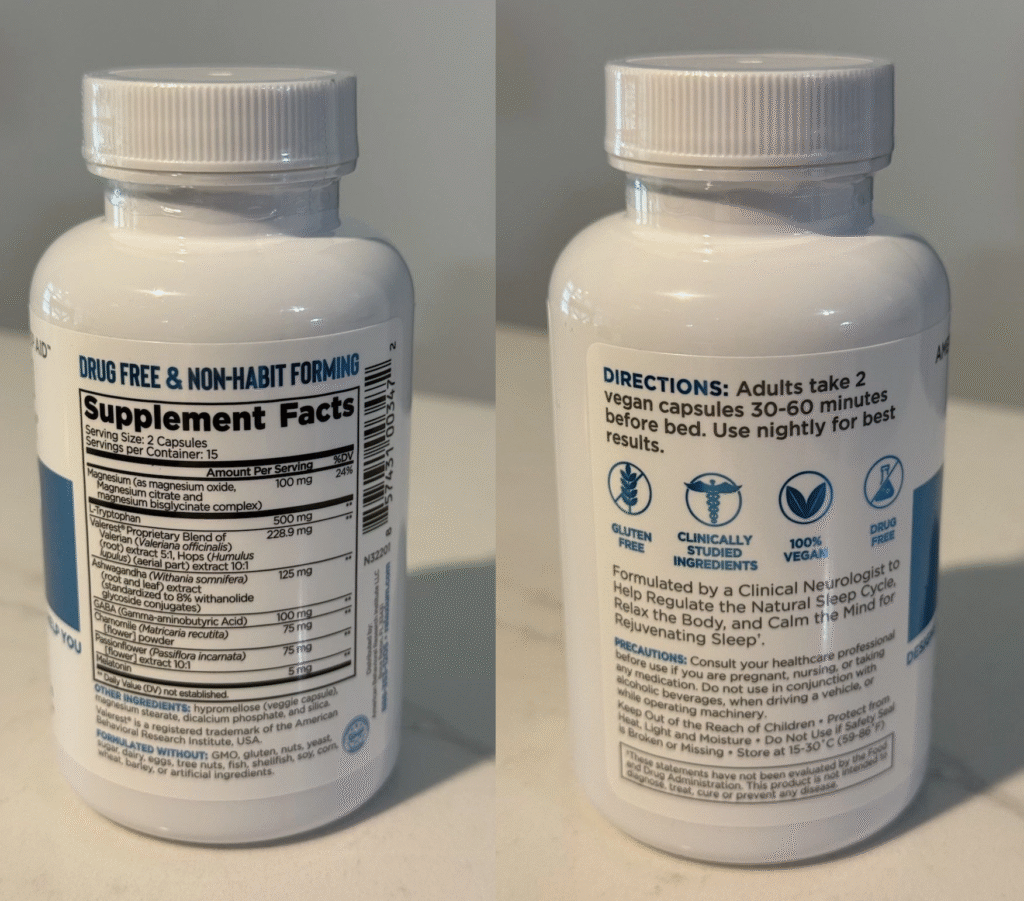

🌿 Passion Flower
Passion Flower is often used to reduce anxiety and promote calmness. It’s believed to increase GABA levels in the brain, which helps quiet overactive thoughts. While it’s a common herbal remedy, I didn’t notice any major difference in relaxation from this ingredient alone.
🌿 5-HTP
5-HTP is a compound that the body converts into serotonin, which can influence mood and sleep. While it sounded promising, it sometimes made me feel groggy in the morning—almost like I hadn’t rested properly.
🌿 Chamomile
Chamomile is a gentle herb known for its calming and sedative properties. I’ve always liked chamomile tea, so I had high hopes for it here. Unfortunately, it didn’t seem to make much impact when combined with the other ingredients.
🌿 Hops
Hops are typically used in natural sleep aids for their mild sedative effects. They’re thought to work well with valerian and other herbs. I did feel a little more relaxed after taking Relaxium, but the effect wasn’t long-lasting.
🌿 Melatonin
This is the main ingredient, responsible for regulating the body’s circadian rhythm. While it can help you fall asleep faster, too much melatonin—or prolonged use—can actually disrupt natural hormone balance. After several weeks, I started feeling dependent on it to fall asleep, which was concerning.
Why Did I Buy Relaxium Sleep?
I bought Relaxium Sleep because I was tired—literally and figuratively—of sleepless nights. The supplement claimed to be “clinically proven” and “doctor-developed,” which gave it an air of credibility. Plus, the testimonials online were convincing. I figured that if it truly worked, it would be a small price to pay for peaceful, uninterrupted sleep.
Recommended Dosage
The suggested dosage is two capsules taken about 30 minutes before bedtime with water. I followed the directions exactly, ensuring consistency for accurate results.
My Experience Using Relaxium Sleep for 3 Months
Week 1–2
The first few nights, I did fall asleep faster—usually within 20–30 minutes instead of an hour. However, I also noticed that I woke up several times during the night. My dreams were unusually vivid, and I often felt disoriented in the morning.
Week 3–4
By the end of the first month, my body seemed to adapt, but not in a good way. I felt sluggish during the day and needed coffee just to function. My sleep wasn’t deeper—it was just artificially induced. I also began experiencing mild headaches and brain fog.
Month 2
During the second month, the “benefits” plateaued. Some nights I’d sleep okay, but most nights I’d still wake up groggy. I began questioning whether the supplement was doing more harm than good. I even skipped a few days to see if my natural sleep pattern returned, but my insomnia actually worsened for a while—almost as if my body had become dependent on the formula.
Month 3
By the third month, I was ready to stop. My sleep was inconsistent, and I felt more fatigued during the day than when I started. The supplement had become part of my nightly routine, but it wasn’t delivering real, restorative rest. I also noticed slight digestive discomfort, which disappeared after I discontinued use.
Pros and Cons I Experienced
Pros:
- Helped me fall asleep a bit faster initially.
- Non-prescription and easy to purchase online.
- Contained familiar, natural ingredients.
- Capsules were easy to swallow.
- Some mild relaxation effects.
- No immediate allergic reaction.
Cons:
- Did not improve sleep quality or depth.
- Caused morning grogginess and brain fog.
- Felt dependent on it after several weeks.
- Pricey for the results received.
Side Effects That I Got
I personally experienced headaches, morning fatigue, mild stomach upset, and an overall sense of fogginess. These effects became more noticeable with continued use, which made me question the supplement’s safety for long-term consumption.
Is Relaxium Sleep a Scam?
In my opinion—yes, it feels like one. The product markets itself as a scientifically backed, neurologist-developed solution, but my experience suggests it’s just another overhyped sleep supplement. The ingredients aren’t unique, and the results didn’t justify the price. Many users online have reported similar experiences, citing hidden subscription charges and ineffective results.
Tips to Improve Your Results
If you still decide to try Relaxium Sleep, here are some tips:
- Maintain a consistent sleep schedule.
- Avoid screens an hour before bed.
- Pair the supplement with relaxation techniques like meditation or reading.
- Don’t rely on it long-term—it may interfere with your natural melatonin production.
Where to Buy to Avoid Scam Products?
If you’re curious, it’s best to purchase only from the official Relaxium Sleep website to avoid fake or expired versions. However, based on my experience, I don’t recommend spending your money on it at all. There are more reliable, natural options out there that truly support healthy sleep without unwanted side effects.
Better Alternative That I’m Using Now
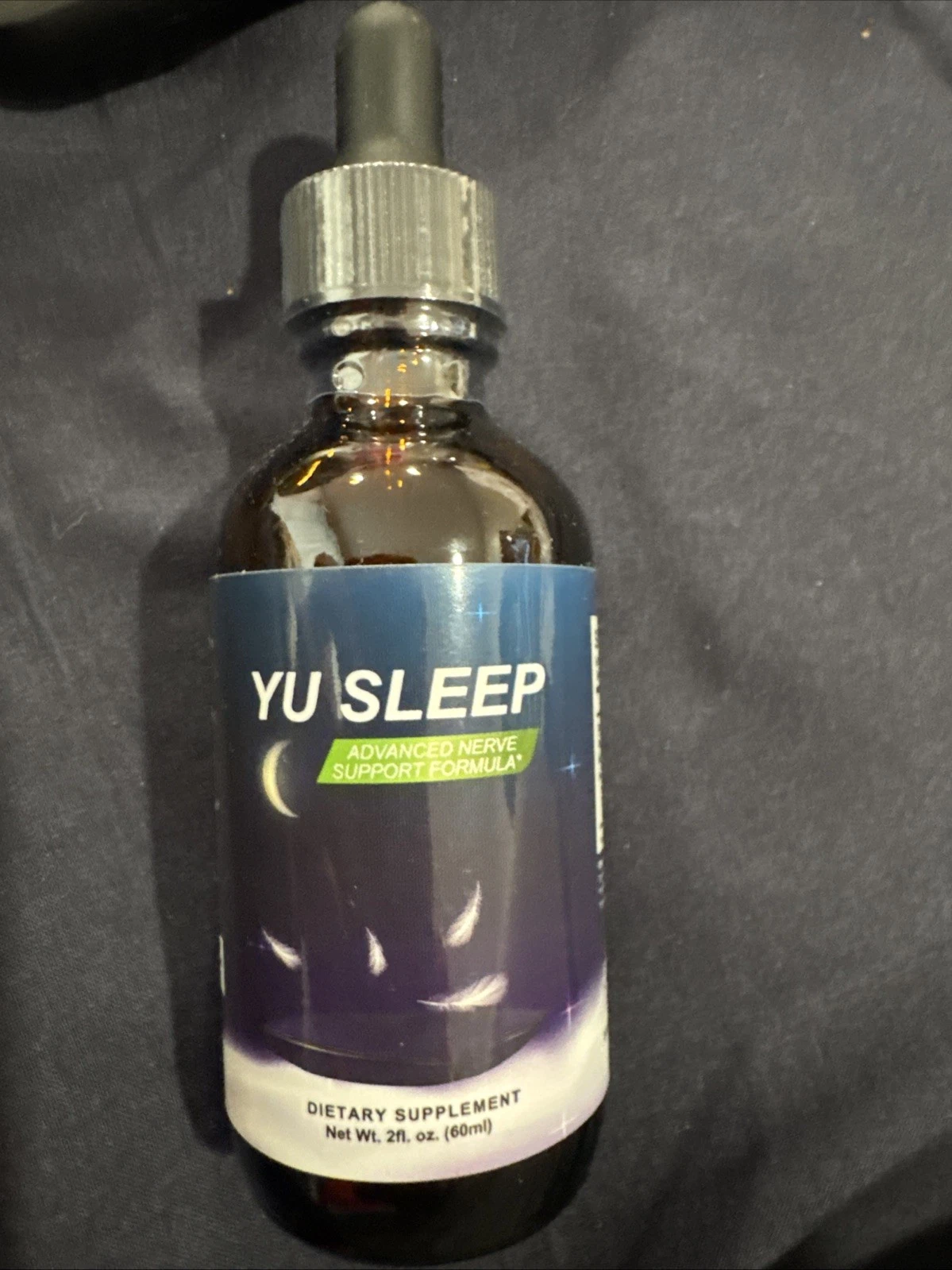
After struggling with Relaxium Sleep, I knew I needed something that actually worked with my body—not against it. That’s when I switched to Yu Sleep, and the difference was night and day (literally).
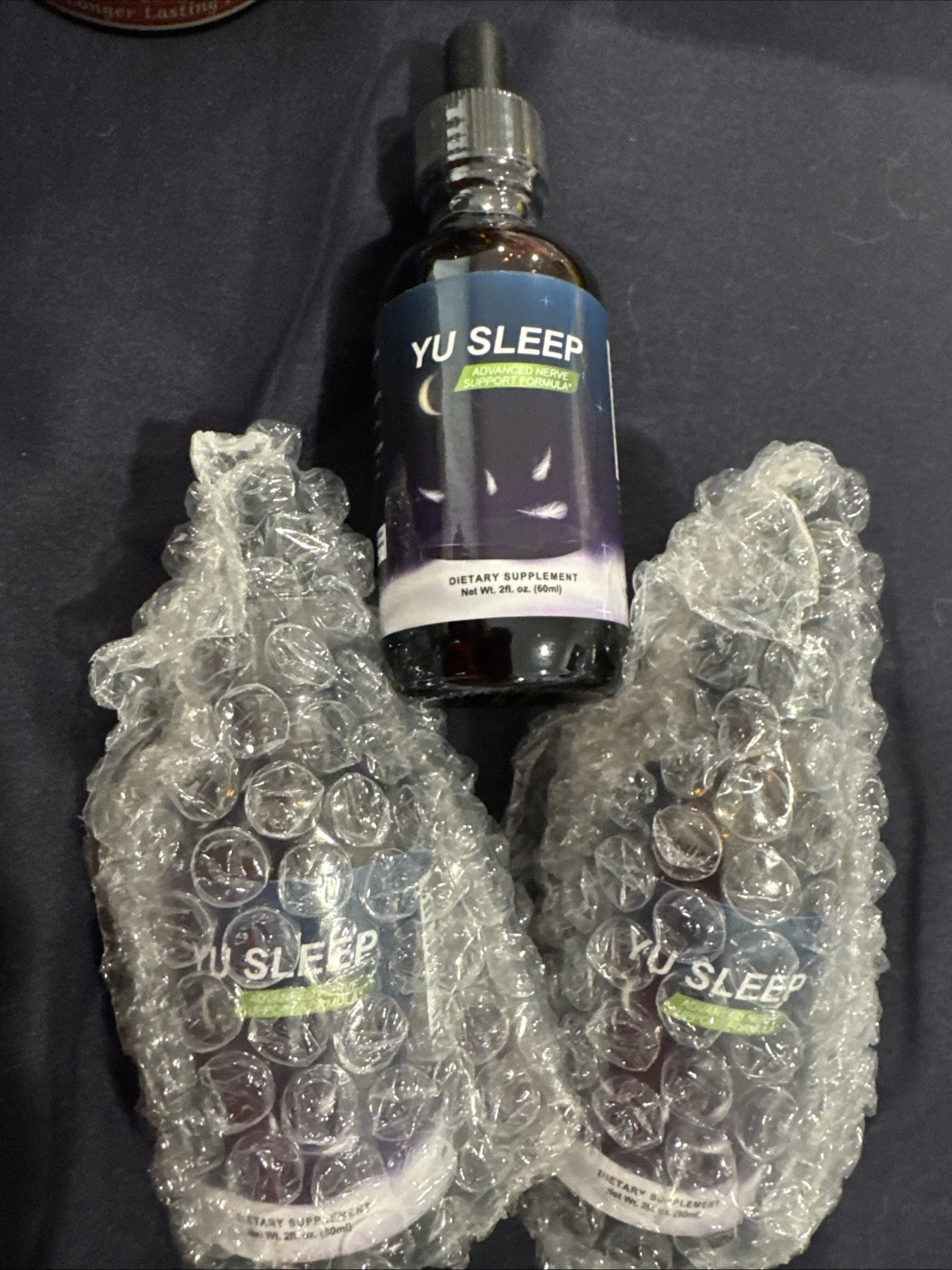
Here’s exactly why Yu Sleep outperforms Relaxium Sleep in every important category:
1. Natural Sleep Support vs. Synthetic Dependency
Relaxium Sleep relies heavily on high-dose melatonin and synthetic sedatives. While these can make you feel drowsy, they often disrupt your body’s natural sleep rhythm and leave you groggy and unfocused the next morning.
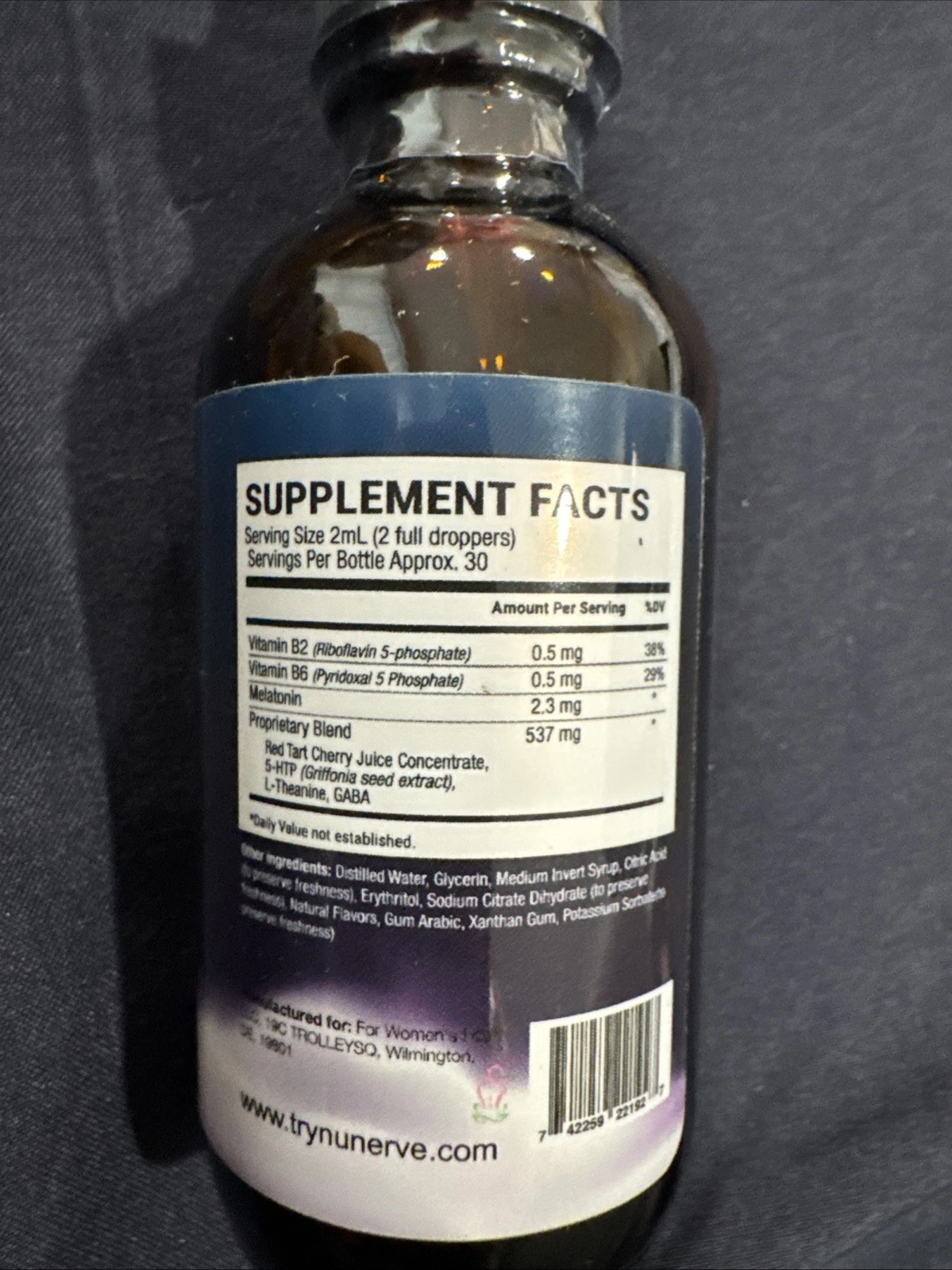
Yu Sleep, on the other hand, is made with plant-based, all-natural ingredients and uses nano-enhanced delivery to support your brain’s natural sleep pressure system—the biological process that tells your body when it’s time to rest.
Instead of forcing sleep chemically, Yu Sleep helps you relax naturally, so you can fall asleep easily and stay asleep deeply—without the crash or next-day fog.
2. Deep, Restorative Sleep Without the 3 AM Wake-Ups
One of the biggest frustrations I had with Relaxium was those middle-of-the-night wakeups. Even when I fell asleep quickly, I rarely stayed asleep.
With Yu Sleep, I noticed a major difference within just a few nights. The formula helps maintain a steady, uninterrupted sleep cycle, preventing those brutal 3 AM wakeups. I sleep deeply through the night and wake up feeling clear-headed and genuinely refreshed.
3. Fast-Acting Results That Keep Getting Better
Relaxium took weeks before I noticed any improvement—and even then, the results were inconsistent.
Yu Sleep starts working within days. Just take two droppers 30 minutes before bed, and you’ll likely experience deeper, more restorative sleep right away. And it only gets better over time—by the sixth week, I was sleeping effortlessly through the night, waking up full of energy and sharper focus.
4. Long-Term Benefits for Mind and Mood
Relaxium focuses mainly on sedation—it doesn’t nurture your mental or emotional well-being.
Yu Sleep goes deeper. It supports mental clarity, mood balance, and daytime focus by calming the mind and replenishing your natural neurotransmitter balance. Long-term users, including myself, report better recovery, fewer stress cravings, and brighter morning energy—feeling not just rested, but truly recharged.
5. Clean, Delicious, and Gentle Formula
Relaxium’s capsules often contain fillers and can be hard on the stomach.
Yu Sleep is a smooth, delicious liquid formula that’s gentle, natural, and fast-absorbing. Thanks to its nano-enhanced delivery system, your body absorbs it quickly for faster results and deeper sleep support—without any artificial aftertaste or side effects.
The Bottom Line
If you’re tired of relying on synthetic sleep aids that leave you foggy and unrefreshed, it’s time to try something that actually works with your body—not against it.
Yu Sleep has helped thousands of people (including me) finally enjoy peaceful, uninterrupted, and truly restorative sleep. It’s not just a supplement—it’s a natural sleep optimization system backed by modern neuroscience and real-life results.

👉 Visit the Official Yu Sleep Website to learn more and experience the difference for yourself.
Sleep better, wake brighter, and start feeling like you again—with Yu Sleep.
My Final Thoughts
After three months of consistent use, I can confidently say that Relaxium Sleep did not live up to the hype. While it initially made me drowsy, the long-term effects were disappointing. I didn’t experience deep, refreshing sleep—instead, I woke up feeling drained and mentally foggy.
I also felt uneasy about how my body seemed to “need” it to fall asleep after several weeks. That’s the opposite of what I wanted—a supplement should support, not replace, my natural rhythms. The marketing claims of clinical research and doctor formulation felt misleading, and the high price tag made it even harder to justify.
In the end, I learned that there’s no magic pill for better sleep. Lifestyle changes—like improving sleep hygiene, reducing stress, and creating a peaceful bedtime environment—are far more effective than relying on a supplement like Relaxium Sleep. For me, it turned out to be an expensive disappointment rather than a solution.
Hello Anna I don’t sleep period, if I go to bed at 1 am I’m still up at 7am. I’m 73 years of and I would like to try the 3 bottles but just in case it does not help me sleep, I don’t like buying products over the internet that DONT have phone number. I been screwed before.