

For a long time, I treated my snoring like it was just one of those “normal” things people joke about. I would hear comments from my partner, I would feel the occasional nudge in the middle of the night, and I would shrug it off because I assumed it was annoying, but not serious. The trouble was that the problem didn’t stay small. Over time, I started noticing the quiet consequences that come with disrupted breathing and broken sleep. I would wake up feeling like my body had been in bed all night, but my brain never really shut down. My mornings felt foggy, my patience was shorter, and I started relying on caffeine far more than I wanted to admit.
What made it even harder was how snoring doesn’t just affect the snorer. It spills into the entire bedroom. My partner’s sleep was getting interrupted, and that created tension that had nothing to do with love or effort and everything to do with exhaustion. We were both tired, and tired people don’t show up as their best selves. I hated knowing I was the reason someone else was losing rest, but I also felt frustrated because I wasn’t doing it on purpose. It became this weird cycle of guilt, irritation, and daily fatigue, and it made me realize I needed to take the problem more seriously than I had.
I tried the “easy fixes” first because that’s what most people do. I changed my pillow, I tried to force myself to sleep on my side, and I experimented with nasal strips and different bedtime routines. Some things helped a little for a night or two, but nothing felt consistent. And the biggest issue was that many of these solutions felt like they were trying to manage the noise rather than address why it was happening. The more I read, the more I kept seeing the same message: for a lot of people, snoring is tied to airflow restriction and the position of the jaw and airway during sleep.
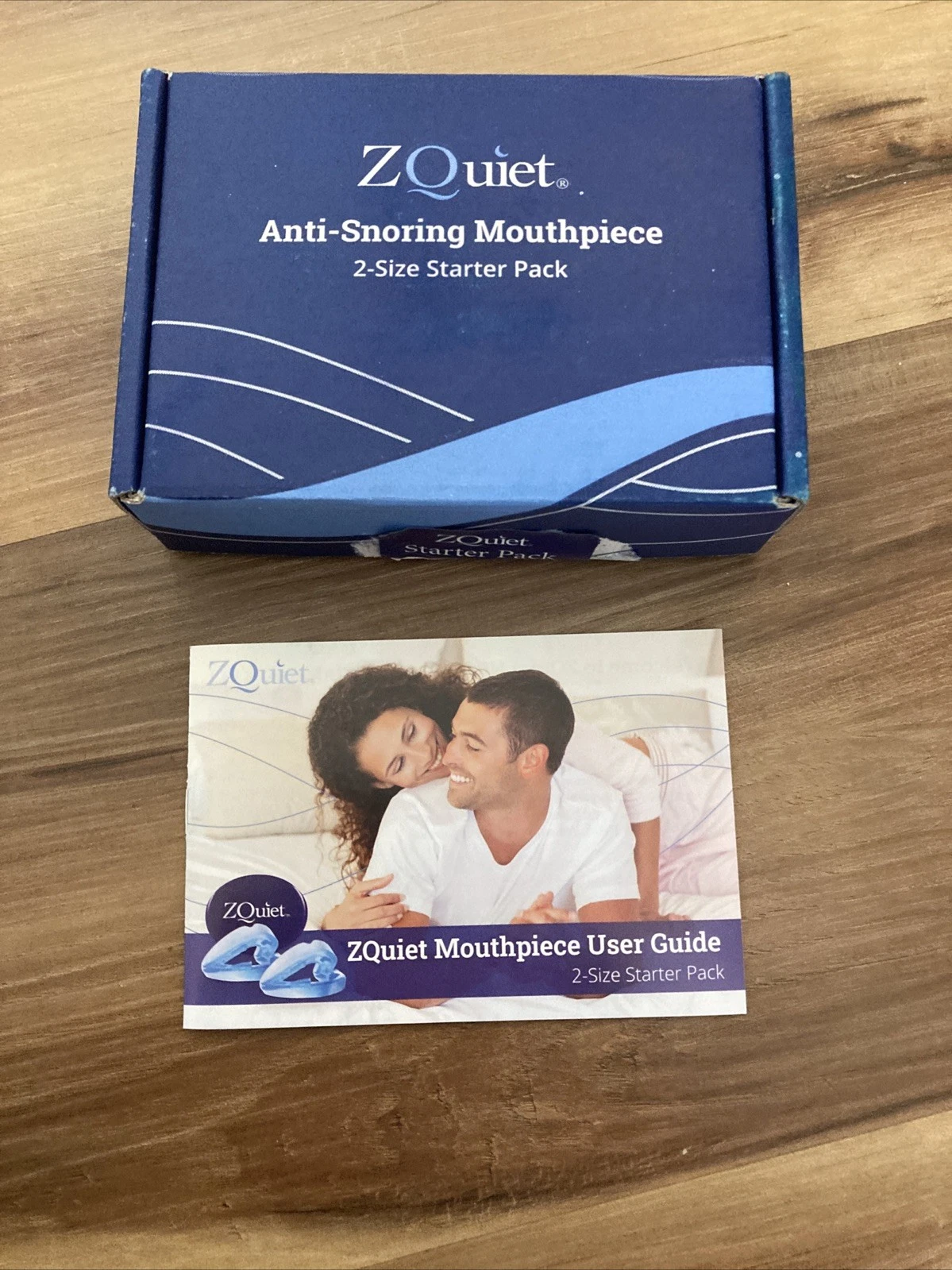
That’s what finally pushed me to look into mouthpieces. I was skeptical at first because I imagined bulky, uncomfortable guards that would make sleep worse. But I kept coming across one device that seemed designed to reduce that barrier to entry: the ZQuiet Mouthpiece. It was described as a doctor-designed, non-invasive anti-snoring mouthpiece with a slim, flexible build, and the biggest promise that caught my attention was that there was no molding or complicated setup. I decided that if I was going to test something, I needed to do it properly, consistently, and long enough to see real patterns instead of placebo-level impressions. This is my detailed, first-hand review of what I discovered over three months using ZQuiet Mouthpiece — the results, the side effects, and whether it is a scam or legit.
What Is ZQuiet Mouthpiece?
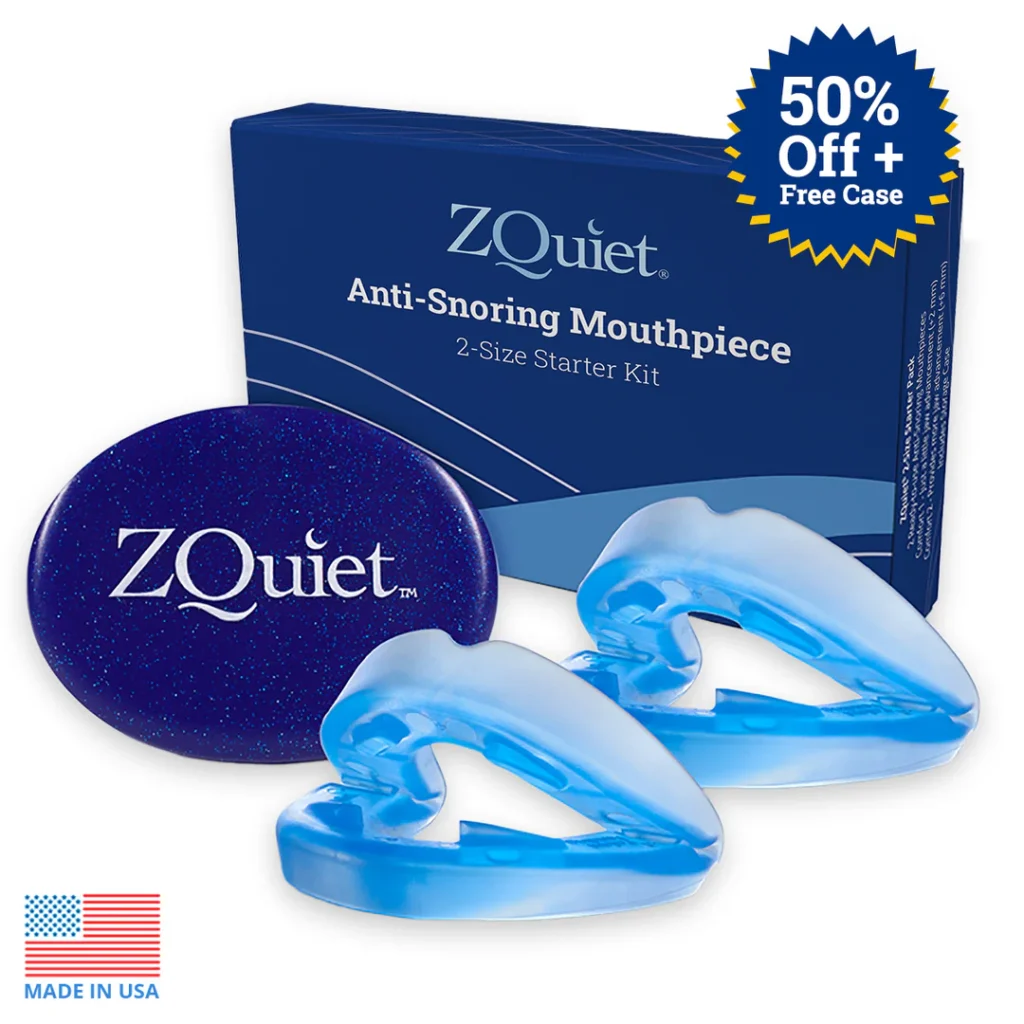
The ZQuiet Mouthpiece is a non-invasive, doctor-designed anti-snoring mouthpiece engineered to reduce snoring and improve sleep quality. The simplest way I can explain it is this: it is built to help keep your airway open by gently repositioning your lower jaw while you sleep. That matters because one of the most common causes of snoring is that when your muscles relax at night, the airway becomes partially obstructed. When airflow has to squeeze through a narrower space, tissues vibrate, and that vibration is what creates the sound of snoring. The noise is the symptom, but the airflow restriction is often the actual problem.
What I appreciated right away is that ZQuiet is not positioned as a “gadget” or a random sleep accessory. It is marketed as a purpose-built sleep aid designed to address snoring at the mechanical level. It is also described as FDA-cleared, which is a strong credibility signal compared to generic mouthguards that make vague claims without regulatory context. I’m always cautious with anything that goes in the mouth for hours at a time, so safety and materials mattered to me more than marketing language.
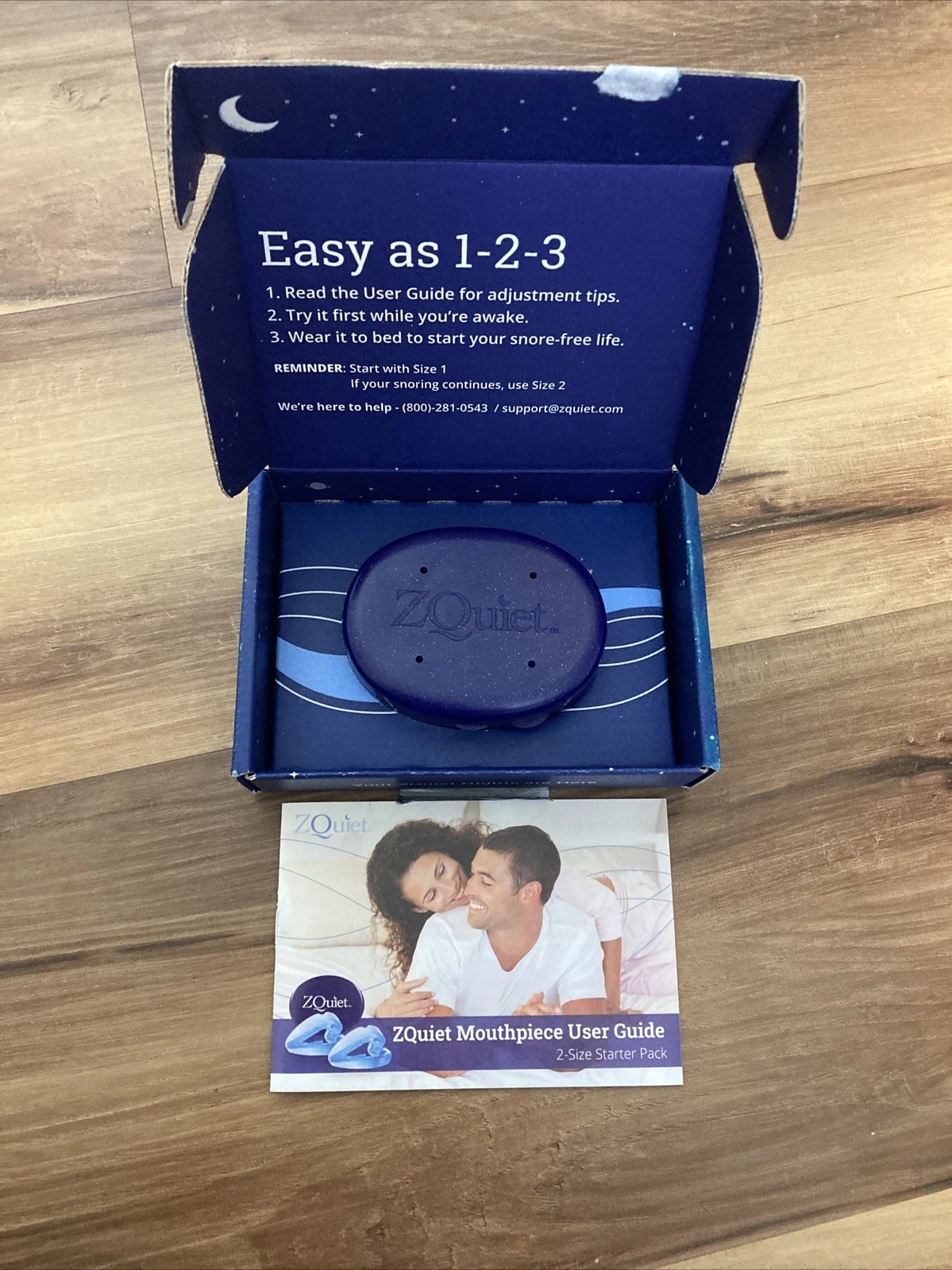
The mouthpiece is made from a soft, high-quality material that has been tested for safety. According to the product information I reviewed before buying, it doesn’t contain silicone, latex, or BPA, which is important for people who are sensitive to certain materials or simply want to minimize exposure to questionable components. The material is made in the USA and is described as meeting strict FDA standards for medical use. I’m not someone who blindly trusts labels, but those details were a meaningful part of why I felt comfortable giving it a fair trial.
How Does It Work?
When I first started researching mouthpieces, the concept that kept coming up was jaw position. Many people snore because, during sleep, the tongue and soft tissues relax and the airway narrows. If the airway becomes restricted, airflow speeds up and soft tissues vibrate. That vibration is what your partner hears across the room, and it can also contribute to micro-arousals that fragment sleep even if you don’t fully “wake up” in a way you remember.
The ZQuiet Mouthpiece works by gently guiding the lower jaw forward (this is commonly called mandibular advancement). The forward position helps create more space in the airway and reduces the collapse that can happen when your muscles relax at night. The goal is smoother airflow, less vibration, and therefore less snoring. What mattered to me was that this isn’t a “masking” strategy. It’s addressing a physical cause that makes sense when you understand the mechanics of breathing during sleep.
Another key part of how it works is comfort and consistency. A device can be theoretically effective, but if you can’t tolerate it, it doesn’t matter. The ZQuiet Mouthpiece is designed to be slim and flexible, which helps it feel less bulky than many traditional boil-and-bite guards. The design is meant to fit comfortably over the teeth while still applying the gentle forward positioning that supports airflow. In my experience, that flexibility was the difference between “I can try this” and “I’m not wearing that all night.”
Key Features Of ZQuiet Mouthpiece
One of the reasons I’m writing this review in such detail is that people deserve more than surface-level bullet points when they’re choosing something that affects sleep. The ZQuiet Mouthpiece has several features that, in my opinion, genuinely matter in day-to-day use.
The first feature is the ready-to-use design. Many mouthpieces require boiling, molding, trimming, and repeated adjustments. That’s not just annoying, it can lead to poor fit and wasted money if you do it wrong. ZQuiet is designed to be used right out of the box, which lowers the friction for people who want something simple and immediately usable. For me, this was huge because I didn’t want another “project” at bedtime. I wanted a solution I could realistically stick with.
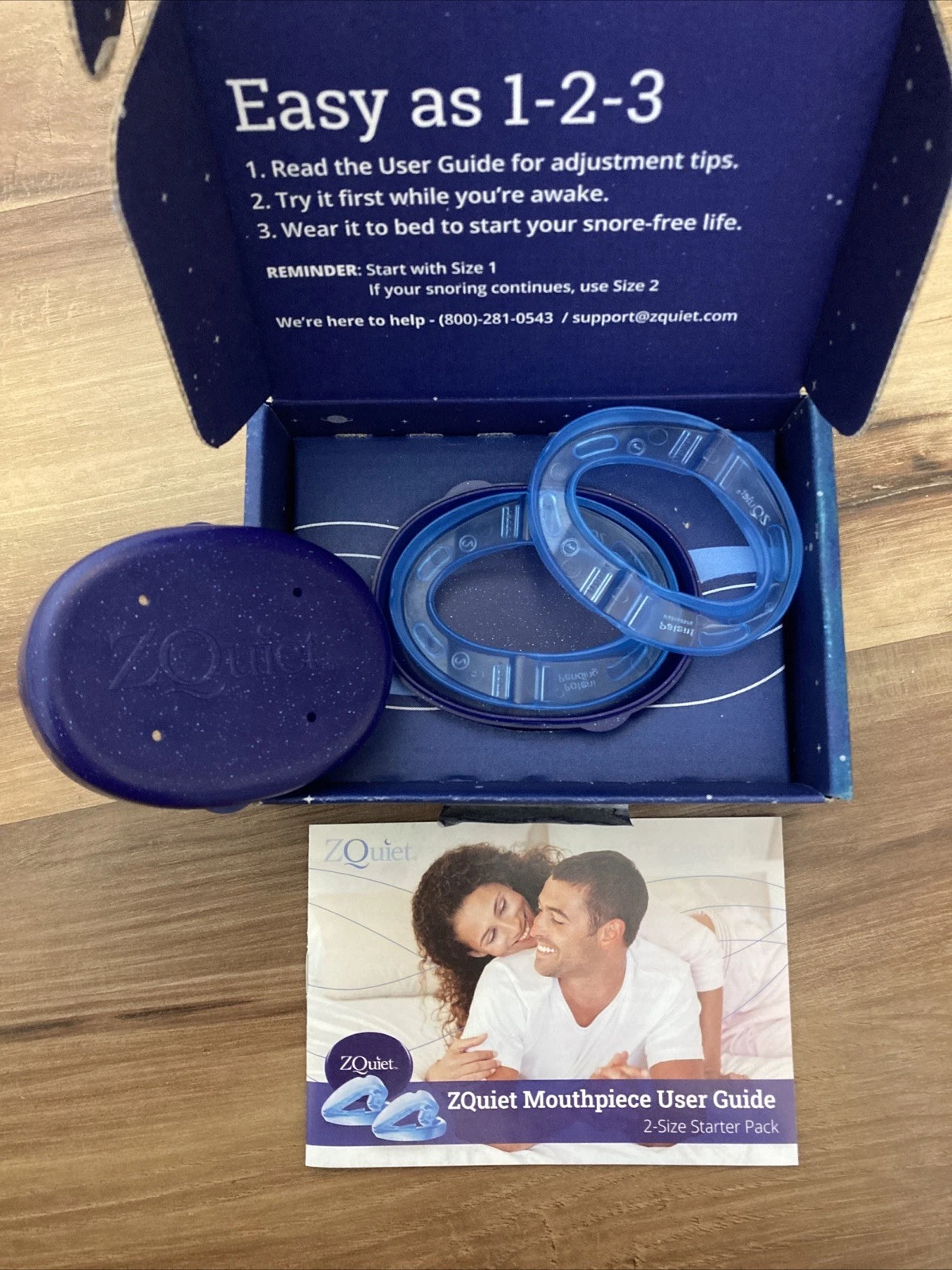
The second feature is the slim, flexible build. A bulky device can make you feel like you’re choking on plastic, and it can also create jaw fatigue. ZQuiet’s flexibility is designed to reduce that sensation. The device is meant to stay in place without feeling like it’s forcing your mouth into an unnatural position. This matters because the more comfortable it is, the more likely you are to use it nightly, and nightly use is what produces meaningful, consistent outcomes.
The third feature is material quality and safety. The mouthpiece is made from a soft, high-quality material that is tested for safety and explicitly described as containing no silicone, latex, or BPA. For anyone with allergies or irritation concerns, that’s not a trivial detail. It’s also described as being made in the USA and meeting strict FDA standards for medical use. Whether you are highly sensitive or simply cautious, this kind of transparency is a big deal.
The fourth feature is professional trust and FDA-cleared positioning. I’m careful with the word “trust,” but when a product is described as FDA-cleared and recommended by professionals, it signals that it’s not just a random marketplace product with flashy packaging. That doesn’t mean it will work for every person, but it does add legitimacy compared to unregulated lookalikes that flood Amazon and eBay.
The fifth feature is the comfort-first philosophy. ZQuiet is positioned as an all-night comfort solution. In real life, that translates to fewer pressure points, less bulky mouth feel, and a greater chance of waking up without jaw soreness. I learned quickly that comfort isn’t a luxury feature with mouthpieces; it’s the difference between using it for a week and using it long enough to see real benefits.
Why Did I Buy ZQuiet Mouthpiece?

I bought the ZQuiet Mouthpiece because I hit a point where I couldn’t justify “living with it” anymore. The fatigue was affecting my mood and productivity. The sleep disruption was affecting my partner. And the sense that I was slowly chipping away at my health because of poor sleep started to bother me in a deeper way. When your sleep is consistently broken, everything in life feels harder than it should.
I also chose it because I wanted something non-invasive. I wasn’t looking for extreme interventions. I wanted an option that I could try, evaluate, and stop if it didn’t work. The idea of a mouthpiece that required no molding and no complicated setup felt realistic for long-term consistency, and consistency was what I believed would matter most.
Another reason was the credibility signals. Between the doctor-designed framing, the material claims (no latex, no silicone, no BPA), and the idea that it’s FDA-cleared, it felt like a product that had been designed thoughtfully. I wanted something that didn’t feel like a gamble, and the more I compared it to generic guards, the more it felt like ZQuiet had fewer red flags.
My Experience Using ZQuiet Mouthpiece for 3 Months:
When I committed to using the ZQuiet Mouthpiece for three months, I did it deliberately. I didn’t want to wear it for three nights, have one good morning, and call it a miracle. I wanted patterns, not lucky coincidences. The first week was mostly about getting used to the sensation of sleeping with something in my mouth. That’s normal. Even a comfortable mouthpiece feels unfamiliar at first, and your brain needs time to stop paying attention to it.
By weeks two and three, I noticed that the experience felt more natural. I stopped “thinking” about the mouthpiece at bedtime. I also started noticing subtle changes, less waking up throughout the night, fewer nudges from my partner, and a sense that my sleep was less fragile. Over the next month, those changes became more consistent. Instead of occasional good nights, I started having a more reliable baseline of better sleep. That’s what made me take it seriously. It wasn’t perfection overnight, but it felt like progress that built over time.
By the end of three months, I felt like I had enough real-world experience to talk about what actually changed for me and how it showed up in daily life. Below are the eight benefits that stood out the most.
★ Benefit 1: A Real, Noticeable Reduction in Snoring Volume
The most obvious benefit was a reduction in snoring volume. I’m being careful with my wording because I know people want guarantees, but in my case, the difference was clear enough that it became part of our nightly routine. My partner stopped waking me up just to get me to reposition, and that alone was a huge shift. The nights felt calmer because there was less disruption and less frustration building in the background.
What made this benefit meaningful wasn’t just that the room was quieter. It was that quieter breathing often meant fewer interruptions to sleep depth. When snoring is loud and constant, it can be a sign that breathing isn’t flowing smoothly. With the mouthpiece helping keep my airway more open, the entire night felt more stable. That stability had ripple effects that showed up in my mood and energy the next day.
★ Benefit 2: More Restorative Sleep That Felt “Deeper”
I used to wake up feeling like I had been “half asleep” all night. It’s a hard feeling to describe, but if you’ve experienced it, you know exactly what I mean. After several weeks with the ZQuiet Mouthpiece, my sleep began to feel deeper and more anchored. I wasn’t waking up as frequently, and when I did wake up, it felt easier to fall back asleep.
Over time, this translated into a noticeable difference in how my mornings felt. I wasn’t springing out of bed like a superhero, but I wasn’t dragging myself through the first hour of the day either. My brain felt less foggy. My body felt less heavy. That sense of having truly rested became one of the most valuable outcomes of the entire experience.
★ Benefit 3: Better Morning Energy Without “Crash” Feelings
One of the biggest changes I noticed after month one was that I wasn’t waking up with the same tired, depleted feeling. Previously, my mornings often started with a mental fog that lingered. With more consistent breathing and less disrupted sleep, I started waking up with steadier energy. It wasn’t a hyper, jittery energy. It was a calmer, more functional baseline that made mornings feel more manageable.
This benefit mattered because it changed how my entire day unfolded. When you start the day exhausted, everything feels harder—work, relationships, decisions, even simple tasks. With better morning energy, I found myself less dependent on caffeine just to feel normal. I also noticed fewer afternoon crashes, which told me that the improvement was real and not just “feeling better because I wanted to.”
★ Benefit 4: Less Dry Mouth and Throat Irritation
Before using the mouthpiece, I would sometimes wake up with a dry mouth or a scratchy throat. It wasn’t every night, but it was often enough to notice. Over time, I experienced less of that uncomfortable dryness, and my mornings felt less irritated. That may sound minor, but small discomforts add up, and waking up feeling physically uncomfortable sets the wrong tone for the day.
The way I interpret this is that improved airflow support may have helped stabilize my breathing patterns. When breathing is disrupted, people often switch into mouth breathing, which can dry out the throat. While I can’t claim a medical diagnosis about my breathing style, I can say that my mornings felt less dry, and the change happened gradually in a way that aligned with consistent use of the device.
★ Benefit 5: Fewer Nighttime Micro-Wakeups and Less Tossing
Another benefit I didn’t expect was how much less I seemed to toss and turn. I used to wake up in odd positions or with that sense that I had been moving around all night. After several weeks using the ZQuiet Mouthpiece, my sleep felt calmer. I wasn’t constantly shifting as if trying to “find” a position where I could breathe comfortably.
This benefit can be easy to overlook, but it matters because constant movement is often a sign that your body is struggling to stay fully relaxed. When the airway is more stable, the body can settle. Over time, my nights felt less chaotic, and I woke up feeling less physically restless, which made the entire sleep experience feel more restorative.
★ Benefit 6: Improved Relationship Sleep Harmony
I’m putting this in the benefits list because it’s real, and it matters. When snoring becomes a constant issue, it can quietly create resentment. Not because anyone is trying to be difficult, but because sleep deprivation affects patience and mood. As the snoring decreased and the nights became quieter, the entire atmosphere around bedtime changed.
It felt less like we were bracing for another bad night and more like we were simply going to sleep. That shift reduced stress, reduced tension, and made mornings feel friendlier. Sleep harmony may not sound like a “health benefit,” but it affects daily life in a way that is difficult to exaggerate.
★ Benefit 7: More Confidence About Sleep and Less Anxiety at Bedtime
Before ZQuiet, bedtime started to carry a little anxiety. I didn’t like the feeling of “Will I keep someone awake tonight?” or “Will I wake up exhausted again?” Over time, as I saw consistent improvement, that anxiety faded. I stopped thinking about snoring as a nightly crisis and started seeing it as something I could manage.
That confidence mattered more than I expected. When you go to bed worried, you’re less likely to fall asleep easily. Feeling confident about your sleep setup makes it easier to relax, and relaxation supports better sleep. This was one of those subtle benefits that didn’t show up as a single dramatic moment, but it changed the quality of my nights.
★ Benefit 8: Comfort That Made Long-Term Use Realistic
A lot of anti-snoring devices fail because people can’t tolerate them. They might work in theory, but they feel intrusive, bulky, or painful. What surprised me about the ZQuiet Mouthpiece was that it remained wearable over time. The flexibility and slim design made it feel more like a supportive aid than an aggressive appliance.
Because comfort stayed consistent, I actually used it consistently. That’s the most important factor of all. A product that sits on the nightstand does nothing. ZQuiet’s comfort made it possible for me to stay with it long enough to see the deeper benefits that only show up after steady use.
Online Reviews Of ZQuiet Mouthpiece
Why Is ZQuiet Mouthpiece Better Than Others On The Market?
After trying smaller “band-aid” fixes and researching a lot of competing devices, I think the biggest advantage of the ZQuiet Mouthpiece is that it balances effectiveness with real-world comfort. Many products lean too far in one direction. Some mouthpieces are aggressive and rigid, which may create airflow improvement but often comes with jaw soreness, pressure, and poor compliance. Others are so soft or generic that they barely influence airway mechanics at all. ZQuiet sits in a middle ground that feels deliberate: it’s designed to help jaw positioning without making you feel like you’re wearing a brick.
Another reason I see it as better is the simplicity of use. The “boil-and-bite” category can be a mess for many people. If you mold it poorly, you get an uneven fit. If it feels uncomfortable, you stop using it. If it shifts at night, you lose the benefit and the trust. ZQuiet’s ready-to-use design removes a major failure point. For me, that lowered the learning curve dramatically and increased the chance that I would actually stick with it long enough to see results.
Finally, I think the safety and legitimacy cues matter in this market. There are countless knockoffs and cheap guards that look similar in photos but use questionable materials and provide no meaningful consumer protection. With ZQuiet, the messaging around being FDA-cleared, made from tested materials, and designed by professionals creates a higher confidence baseline. In a market where many products feel like a roll of the dice, that legitimacy becomes part of the value. It’s not just about the device working—it’s about trusting what you’re putting in your mouth for hours at a time.
How To Use ZQuiet Mouthpiece
1 – Insert Mouthpiece: No setup or molding required. Just take it out of the box and fit it in your mouth.
2 – Use Nightly: Wear it consistently to sleep better night after night.
3 – Sleep Snore-Free: Enjoy happy and healthy sleep and wake up feeling refreshed.
How Effective Is ZQuiet Mouthpiece?
In my experience, the ZQuiet Mouthpiece was effective in a way that felt realistic and sustainable. It didn’t deliver a cartoonish “perfect sleep” overnight, but it created measurable improvements that became clearer with consistency. The reduction in snoring volume was noticeable, and the improvement in sleep continuity is what made the biggest difference to my day-to-day life. When sleep is less fragmented, everything improves: mood, focus, patience, and energy. That is the kind of change I noticed building over time.
What made it feel convincing is that the mechanism matches the outcome. By supporting jaw positioning, the device encourages a more open airway, and a more open airway tends to mean smoother airflow and less vibration. Over three months, I felt like the results were stable enough to trust. I didn’t have to “hope” every night; it became part of my routine and produced a more consistent baseline of quiet, restful sleep.
Pros and Cons of ZQuiet Mouthpiece
| Pros | Cons |
|---|---|
| Comfort-focused, slim design that feels wearable all night. I found that the flexible build made it easier to keep using compared to bulkier guards that can feel intrusive and trigger jaw tension. The comfort element is not just a luxury here; it’s what makes consistent nightly use possible, and consistent use is what creates real results over time. | The first few nights may feel unfamiliar. Even a comfortable mouthpiece is still something new in your mouth, and your brain may notice it at first. In my case, the adjustment period was mild, but I still think it’s fair to expect a short adaptation window before it feels fully “normal.” |
| No molding, no boiling, no complicated setup. This is a major advantage because poor molding is one of the most common reasons people abandon other mouthpieces. With ZQuiet, you avoid that frustration entirely, which increases the likelihood you’ll actually stick with it long enough to benefit. | Not recommended for braces. The device needs a stable surface to work properly, and braces complicate that stability. If you currently wear braces, this is not the type of product you want to experiment with casually. |
| Made from a soft, tested material with no silicone, latex, or BPA. For people concerned about irritation or material exposure, this is a strong positive. It’s easier to sleep with something in your mouth when you feel confident about what it’s made of. | May require periodic replacement. Like many oral devices used nightly, it can wear down with time. Replacing it every 4–6 months is a practical reality for maintaining performance and hygiene, and it’s something you should budget for if you plan to rely on it. |
| Supports airflow by addressing a mechanical cause of snoring. Instead of masking sound or relying on temporary tricks, it aims to keep the airway more open by gently adjusting jaw position. That approach felt more “root-cause” focused than most quick fixes I tried. | Results can vary depending on the cause of snoring. If someone’s snoring is tied to more complex medical issues, a mouthpiece may not be enough on its own. I’m not saying it won’t help, but expectations should match the individual situation. |
| Easy to integrate into a nightly routine. Because it’s simple to insert and doesn’t require preparation, it doesn’t add stress at bedtime. That ease matters when you’re already tired and just want to sleep without extra steps. | |
| Stronger credibility than generic lookalikes. Between professional positioning and FDA-cleared messaging, it feels like a product built for this purpose rather than a random mouthguard being repackaged with marketing claims. |
Side Effects That I Got
I want to be straightforward here because side effects are part of any honest review. Over three months, my side effects were relatively mild, but they were real, especially early on. In the first week, I noticed a slight sensation of jaw “awareness” in the morning. It wasn’t painful, but it felt like my jaw had been in a slightly different resting position overnight and needed a few minutes to fully relax. For me, that sensation faded as my mouth adapted, but I think it’s important for people to know it can happen.
I also experienced minor saliva changes at the beginning, which is common with oral devices. Some nights I noticed slightly increased salivation as my mouth adjusted to having a mouthpiece in place. That wasn’t dramatic or distressing, but it was noticeable. Over time, it normalized, and by the later weeks it was essentially a non-issue.
The final “side effect,” if you can call it that, was the simple process of adaptation. Any device you wear to sleep can affect how quickly you fall asleep the first few nights because it’s unfamiliar. Once I got past that early period, comfort became consistent and the side effects became negligible. Still, I believe the right expectation is this: give your body a short adjustment window and evaluate the trend over weeks, not hours.
Is ZQuiet Mouthpiece Safe?
From everything I looked into and my own experience using it consistently, I consider the ZQuiet Mouthpiece a safe option for most adults who are appropriate candidates for a mandibular advancement device. What helped me feel comfortable is that it’s described as being manufactured in an FDA-approved facility and GMP certified, which are quality signals people look for when they want reassurance about manufacturing standards. It’s also described as being made in the USA, which typically aligns with stricter oversight and more consistent quality controls than many unverified overseas knockoffs.
Another important safety point is the material composition. ZQuiet is described as being made with a soft, high-quality material that has been tested to ensure it’s safe for use, and it contains no silicone, latex, or BPA. For many people, that reduces the risk of irritation and allergic responses. While this is not a “natural supplement” in the traditional sense, I’m emphasizing what matters here: the material is designed for safe oral use, and the manufacturing messaging is intended to reassure buyers that it meets medical-grade expectations. If you’re someone who worries about what you’re putting in your mouth for eight hours a night, those details are not optional—they’re essential.
Who Should Use It, and Who Should Avoid?
| Who Should Use ZQuiet Mouthpiece | Who Should Avoid ZQuiet Mouthpiece |
|---|---|
| Adults with habitual snoring who want a non-invasive solution. If your snoring is frequent, disruptive, and tied to airflow restriction, a jaw-positioning mouthpiece can be a practical starting point before exploring more complex interventions. | People with braces or unstable dental surfaces. The mouthpiece needs a stable fit to work properly, and braces can interfere with both comfort and effectiveness. If you have braces, it’s safer to avoid and speak with a dental professional. |
| People who want something simple with no boiling or molding. If you’ve avoided mouthpieces because you don’t want the hassle of boil-and-bite setups, the ready-to-use nature makes this a realistic option to try consistently. | Anyone with significant jaw pain or severe TMJ issues without professional guidance. Because the device gently advances the jaw, it may aggravate certain jaw conditions. If you already experience jaw pain, it’s smart to consult a professional first. |
| Sleep partners who need quieter nights and more stable rest. When snoring disrupts a relationship’s sleep, a practical device can improve not only rest quality but also tension and frustration that builds from nightly disturbance. | People whose snoring is likely tied to a medical condition that requires diagnosis. If snoring is accompanied by choking, gasping, or severe daytime sleepiness, it may indicate a deeper issue that needs medical evaluation rather than self-treatment alone. |
| People looking for a comfort-oriented mouthpiece. If your main concern is that a device will feel bulky, the slim and flexible approach makes it easier to tolerate, which increases long-term success potential. | Those who cannot tolerate any oral device. Some individuals simply cannot sleep with something in their mouth, no matter how comfortable it is. If you already know you fall into that category, you may want a different approach. |
Is ZQuiet Mouthpiece a Scam?
In my experience, the ZQuiet Mouthpiece itself is not a scam. It’s a real product with a clear mechanism that aligns with how many snoring mouthpieces work, and it delivered noticeable improvements for me over time. The bigger scam problem in this category tends to come from fake or knockoff versions sold through third-party marketplaces. I’ve seen countless situations where people order something “similar” on Amazon or eBay, receive a product that looks close enough, and then end up disappointed, uncomfortable, or worried about materials because it isn’t the genuine item. That’s where most of the scam stories in this space come from.
The second issue is protection. Even if a third-party listing looks legitimate, you can lose access to important buyer protections—especially the money-back guarantee. When you’re testing something as personal as a sleep device, that guarantee matters. If you buy from unofficial sources, you may not be covered, and you may have no meaningful recourse if the product doesn’t match expectations or arrives in questionable condition. To me, the smartest way to avoid scam risk is to treat the device like a medical-adjacent product: buy from the official source so you know what you’re getting and you’re protected by the policy.
Tips To Improve Your Results
Be consistent, not occasional. The biggest mistake I see people make with sleep tools is using them “when they remember” instead of building a routine. With a mouthpiece like ZQuiet, your body adapts over time, and consistency is what helps you evaluate whether it truly improves airflow and sleep quality. If you use it sporadically, you’ll never know if the device is working or if you’re just catching random good nights.
Consistency also helps comfort. The first few nights can feel unfamiliar, and that’s normal. If you keep taking breaks, you keep resetting the adaptation process. When I used it nightly, my mouth adjusted faster, and the overall experience became smoother and more natural.
Pair it with side-sleeping when possible. Even with a mouthpiece, sleep position can influence snoring. Side sleeping often reduces airway collapse compared to sleeping flat on your back. When I combined ZQuiet with a conscious effort to stay on my side, the improvement felt stronger and more reliable. It wasn’t about forcing perfection; it was about stacking small advantages.
If you’re a natural back sleeper, you don’t need to panic. What helped me was using pillow support to reduce how often I rolled onto my back. The mouthpiece still worked when I wasn’t perfectly positioned, but combining strategies improved my confidence and results.
Keep nasal airflow open before bed. One lesson I learned is that mouthpieces work best when breathing is as easy as possible. If your nose is congested and you default to mouth breathing, you may feel less comfortable and you may not get the best experience. I started taking simple steps like hydrating well, keeping my room air comfortable, and paying attention to congestion triggers.
This isn’t about turning bedtime into a checklist. It’s about removing obstacles. When nasal breathing was easier, my nights felt smoother, and I woke up with less dryness and less irritation.
Clean it properly every single morning. Hygiene isn’t optional with anything you wear in your mouth. I made it a habit to rinse the mouthpiece with warm water and mild soap after each use, then let it dry before storing it. When I treated cleaning like brushing my teeth—non-negotiable—it stayed fresher and felt better to use.
A clean mouthpiece also supports long-term comfort. Residue and odor can make a device feel unpleasant, and unpleasant devices don’t get used consistently. Cleaning is one of the simplest ways to protect both your results and your willingness to keep using it.
Replace it on schedule so performance doesn’t fade. ZQuiet recommends replacing the mouthpiece every 4–6 months. That may sound like a hassle, but it’s similar to replacing a toothbrush: materials wear, fit can degrade, and hygiene becomes harder over time. When you treat replacement as part of the process, you protect the quality of your results.
If someone tries a mouthpiece for months beyond the recommended life and then says “it stopped working,” it may not be the concept that failed—it may be the worn device. Staying on schedule supports both effectiveness and safety.
Where Should You Buy To Avoid Scam Products?
If you want to avoid scam products, the biggest risk is buying from third-party marketplaces like Amazon or eBay where lookalike items can be listed easily. The problem is that knockoffs may use different materials, inconsistent designs, or questionable manufacturing standards. When something goes into your mouth for hours while you sleep, the last thing you want is uncertainty about what it’s made of or how it was produced.
Another major issue is that third-party retailers can break the chain of accountability. Even if you receive something that looks legitimate, you may not have any meaningful support if it arrives damaged, doesn’t fit as expected, or simply doesn’t perform the way the real product is known for. I’ve learned to treat products like this as “official-source only” purchases because the risk of getting a compromised version isn’t worth saving a few dollars.
Most importantly, buying from unofficial retailers often means you are not protected by the money-back guarantee. That guarantee is a major part of why testing a mouthpiece feels safer, because it gives you time to evaluate real results. If you buy elsewhere, you may lose that protection completely, and you’re stuck trying to solve the problem through customer service runarounds instead of simply relying on the guarantee you thought you had.
What About The Guarantee They Offer?
One of the reasons I felt comfortable committing to a real trial is the 60-day money-back guarantee. Sleep products can be personal. What works beautifully for one person may require adjustment for another, and some people need time to adapt to a mouthpiece before they can evaluate results fairly. A guarantee creates space for that process, which is important because you shouldn’t feel forced to “decide in three nights” whether something is worth it.

The key detail people must understand is that the guarantee is only available if you order from the official website. That’s not just a fine-print issue—it’s a protection issue. If you order from a third-party retailer, you may not have access to the guarantee at all, even if the listing claims otherwise. For me, that made the decision simple: if I wanted the safety net, I needed to buy in a way that actually honored it.
When a product includes a guarantee and you purchase through the official channel, it reduces risk. It doesn’t magically guarantee results, but it gives you a fair, protected window to test it properly. That protection is part of what makes the decision feel rational instead of impulsive.
Frequently Asked Questions (FAQs)
Q: What is the ZQuiet Mouthpiece made of?
A: The ZQuiet Mouthpiece is made from a soft, high-quality material that has been carefully tested for safety. It is described as containing no silicone, latex, or BPA, which is important for people who want to avoid common irritants or allergens. The material is made in the USA and is described as meeting strict FDA standards for medical use, which adds reassurance for long-term nightly wear.
Q: Does ZQuiet really work from the first night?
A: Some people report improvement from the first night, and I did notice early changes, but my honest experience is that results became more reliable with consistent use. The mechanism is designed to support airflow by adjusting jaw position, and your comfort and adaptation can influence how quickly you feel benefits. I think it’s smarter to view the first week as an adjustment period and evaluate your results over several weeks for a more accurate picture.
Q: Do I need to boil or mold the ZQuiet Mouthpiece?
A: No, and this is one of its biggest practical advantages. ZQuiet is designed to be ready to use right out of the box, with no boiling, molding, or setup required. That simplicity reduces errors and frustration that often happen with boil-and-bite devices, and it makes it easier to build a consistent nightly habit.
Q: How often should I replace the mouthpiece?
A: It’s generally recommended to replace the mouthpiece every 4–6 months to maintain performance and hygiene. Oral devices used nightly can wear down over time, and replacing them helps ensure the fit stays reliable and the material remains in good condition. Thinking of it like a toothbrush replacement schedule is a practical way to frame it.
Q: Can I use it if I have dentures or braces?
A: ZQuiet is not recommended for use with braces because it needs a stable surface to work properly. If you wear dentures, it’s best to consult your dentist first to confirm whether the fit and function are appropriate for your situation. A professional opinion is especially valuable when dental structures differ from typical natural-teeth scenarios.
Q: How do I clean the ZQuiet Mouthpiece?
A: I recommend rinsing it with warm water and mild soap after each use, then drying it before storing it in its case. Consistent cleaning helps keep it fresh, reduces odor, and supports hygiene. If you treat cleaning as a non-negotiable part of your morning routine, it becomes easy and it protects both comfort and long-term usability.
Q: Will it feel uncomfortable or bulky while I sleep?
A: Any mouthpiece can feel unfamiliar at first, but ZQuiet is designed to be slim and flexible, which helps reduce that bulky sensation. In my experience, the first few nights were about adaptation rather than pain. Once my mouth adjusted, comfort became consistent. The key is to give yourself a short adjustment window and evaluate how it feels after your body adapts.
Q: Is it better to buy from Amazon or the official website?
A: For safety and protection, I strongly prefer the official website. Third-party marketplaces can have lookalikes or counterfeit versions, and buying unofficially may mean you lose access to the 60-day money-back guarantee. If you want the product authenticity and the guarantee protection, the official website is the safer choice.
My Final Thoughts
After three months, I can say that the ZQuiet Mouthpiece made a meaningful difference in my sleep quality and in the nightly experience my partner and I share. The benefit wasn’t just “less noise.” It was the way quieter, smoother breathing seemed to support more stable sleep. Over time, I woke up feeling more rested, less foggy, and less drained. That matters because sleep affects everything—energy, focus, patience, and the ability to show up well in daily life. When sleep improves, life improves in ways that are hard to fully appreciate until you experience the shift firsthand.
What I also appreciated is that the product is built to be usable. So many sleep aids fail because they’re uncomfortable or too complicated to keep up with. ZQuiet’s ready-to-use design removed a major obstacle, and its flexible construction made long-term use realistic. In my experience, comfort is what creates consistency, and consistency is what turns an experiment into a genuine improvement. That’s why I see this as more than another “try it for a weekend” product. It is something you can realistically incorporate into your nightly routine.
I also want to emphasize the importance of buying safely. The biggest scam issue in this category isn’t ZQuiet itself—it’s counterfeit or lookalike products sold through third-party platforms. If you buy from unofficial retailers, you may risk getting a device with unknown materials, questionable quality, and no meaningful protection. That’s especially important with something you use in your mouth every night. If you’re going to do this, do it the right way: protect yourself by buying from the official source so you know what you’re getting and you keep access to the 60-day money-back guarantee.
If snoring has been quietly damaging your sleep, your relationship, or your daily energy the way it was damaging mine, I genuinely believe the ZQuiet Mouthpiece is worth considering. My strongest recommendation is to commit to consistent nightly use, give yourself a fair adaptation period, and evaluate your results over weeks—not days. If you want a non-invasive, doctor-designed option that’s built for comfort and ease, this is one of the few solutions I’ve tried that felt both practical and effective. If you’re ready to stop guessing and start sleeping better, the best next step is to order from the official website so you’re protected and can try it with confidence.
Disclaimer
This review is based on my personal experience and research and is for informational purposes only. It is not medical advice, and individual results may vary. If you have a medical condition, severe sleep issues, or concerns about snoring-related health risks, consult a qualified healthcare professional before using any anti-snoring device.